1,097 Miles to Magee Marsh
For birders, certain places acquire an almost mythical reputation. Cape May. Point Pelee. High Island. And on the southern shore of Lake Erie, Magee Marsh.
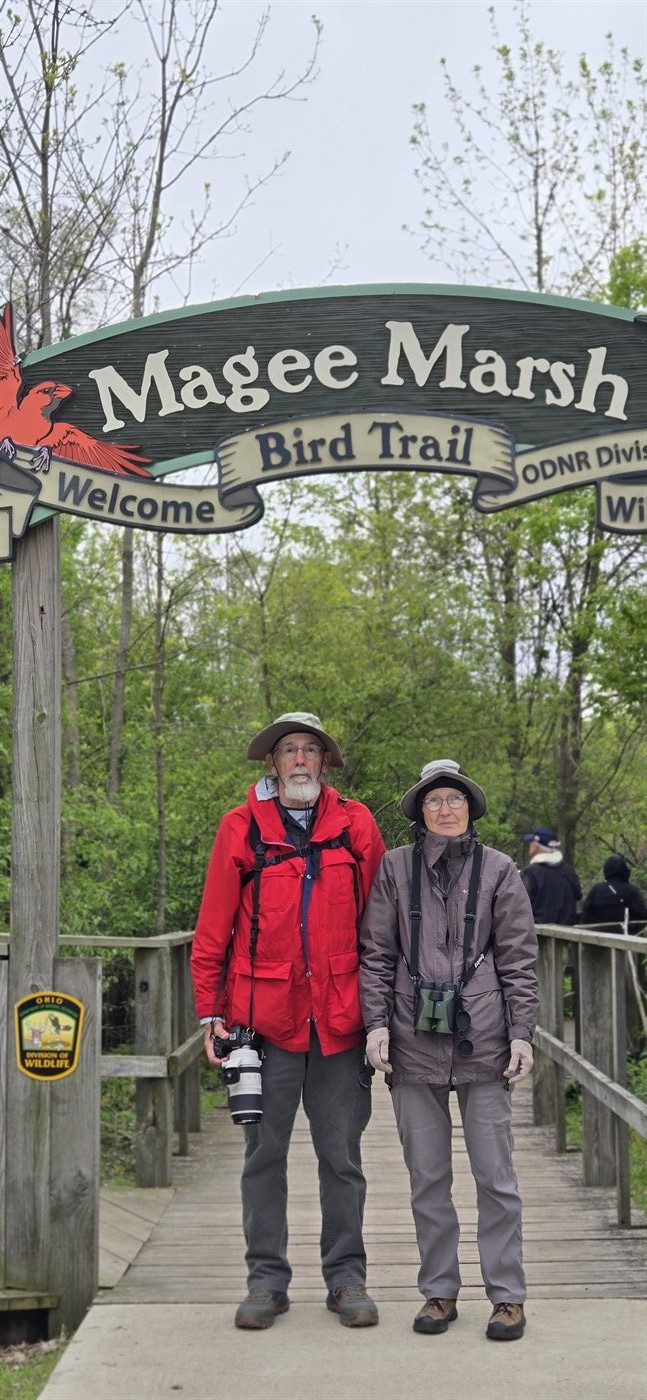
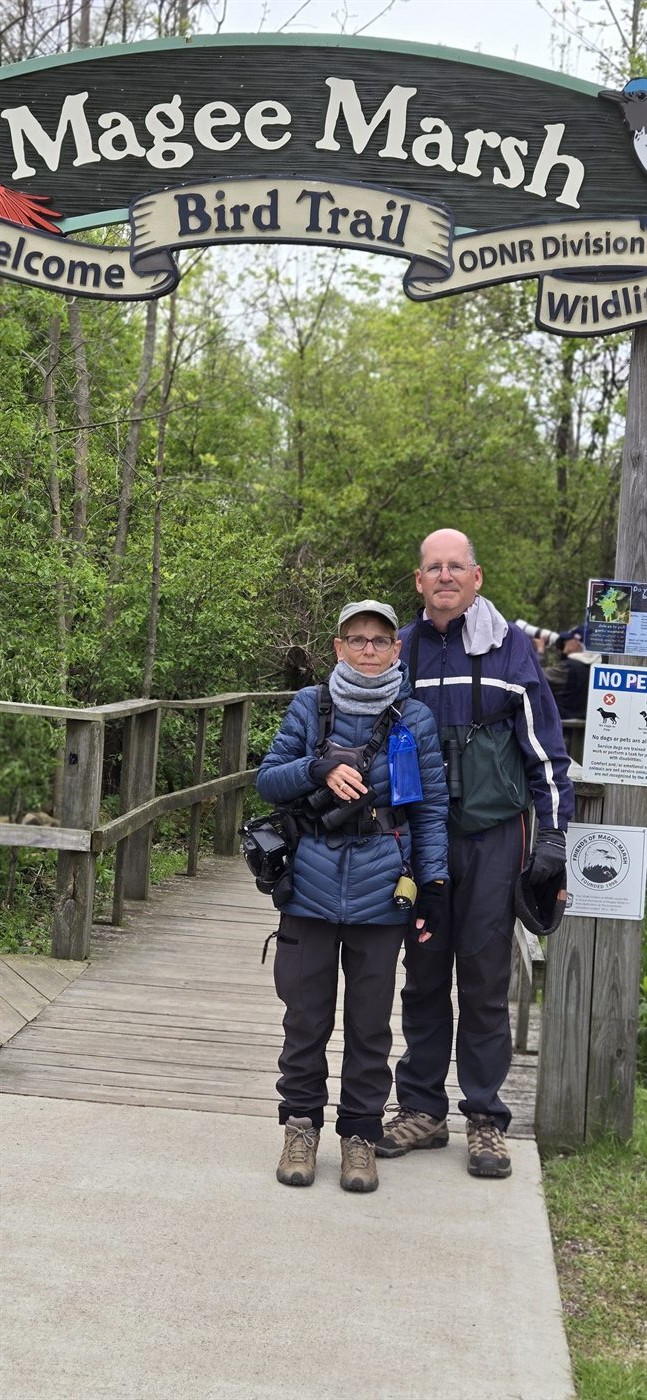
For years I had read about Magee Marsh in birding magazines, field guides, and online trip reports. In May, Laurie and I finally made the pilgrimage, joining friends Kelly and Terry Moore for a week of birding along Ohio's Lake Erie shoreline. Google Maps calculated the distance from our driveway in Plaquemine, Louisiana, to Magee Marsh at 1,097 miles. It was a long drive, but one that thousands of birders willingly make each spring in hopes of witnessing one of North America's greatest migration spectacles.
Our timing proved ideal. We arrived several days before the annual Biggest Week in American Birding Festival, allowing us to experience the famous boardwalk before the largest crowds arrived. Even so, birders were already gathering from across North America, drawn by the promise of spring migration.
The Great Black Swamp
To understand Magee Marsh, one must first understand the landscape that created it.
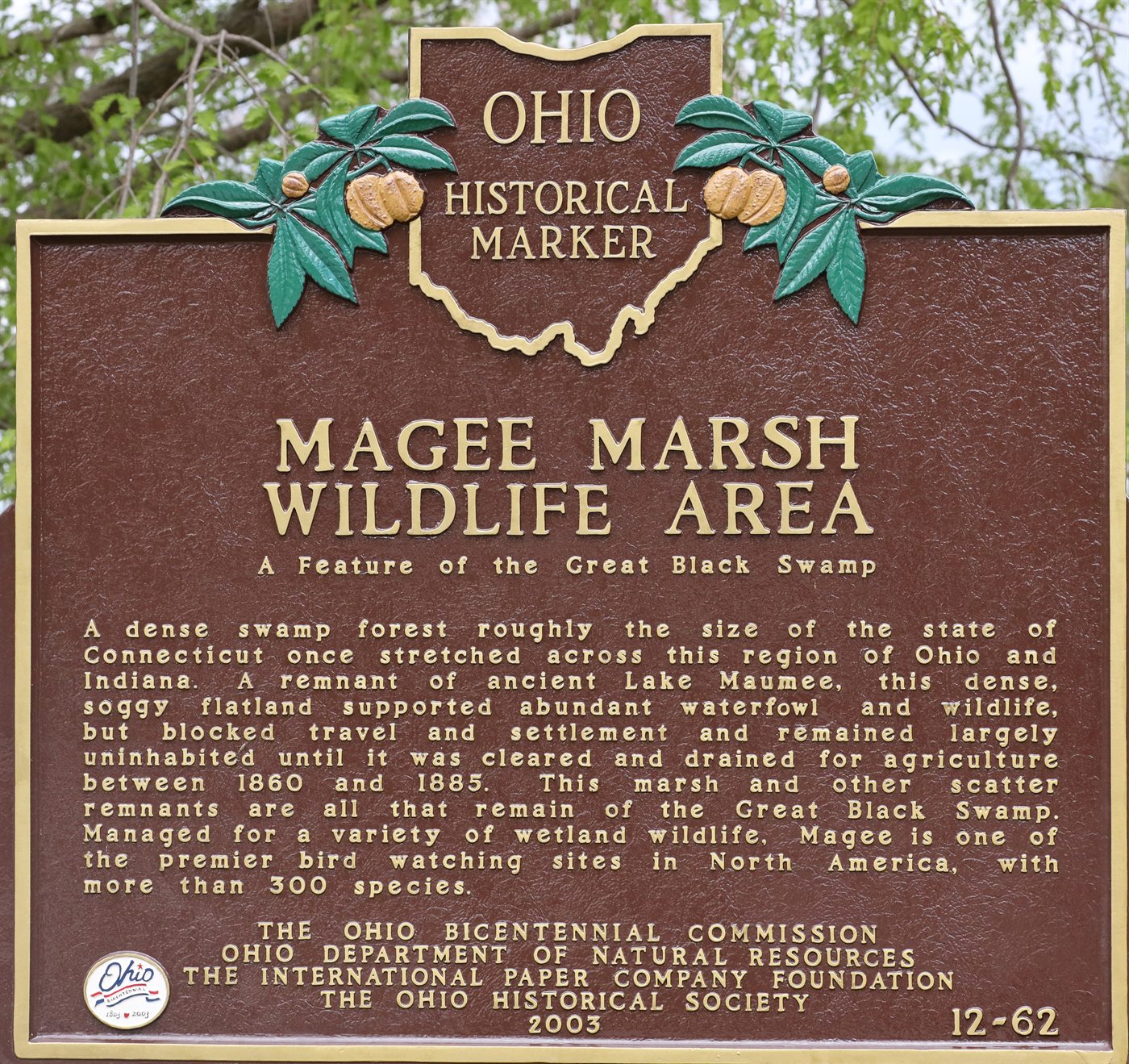
Much of northwestern Ohio was once covered by the Great Black Swamp, a vast wetland formed on the bed of ancient Lake Maumee, the prehistoric ancestor of Lake Erie. Though most of the swamp was drained for agriculture more than a century ago, remnants survive along the lake shore.
These remaining woodlots and marshes provide critical habitat for migrating birds. After flying north across hundreds of miles of countryside, migrants encounter Lake Erie and often stop to rest and feed before continuing their journey. The result is a remarkable concentration of birds along a relatively narrow band of habitat.
For birders, that concentration creates opportunities found almost nowhere else.
First Steps on the Boardwalk
One of the most striking aspects of Magee Marsh is how close the birds can be. At many migration hotspots, birds remain high in the canopy. At Magee, they often feed at eye level.
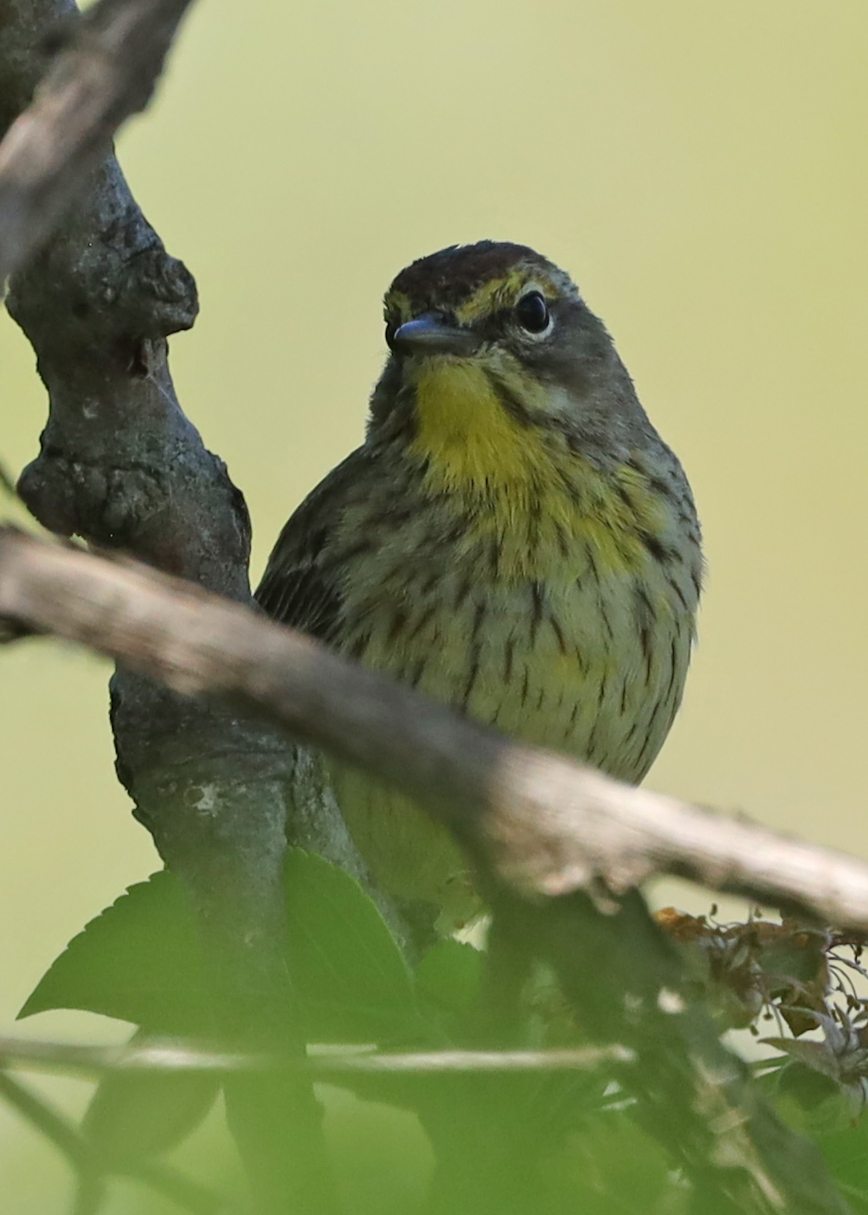
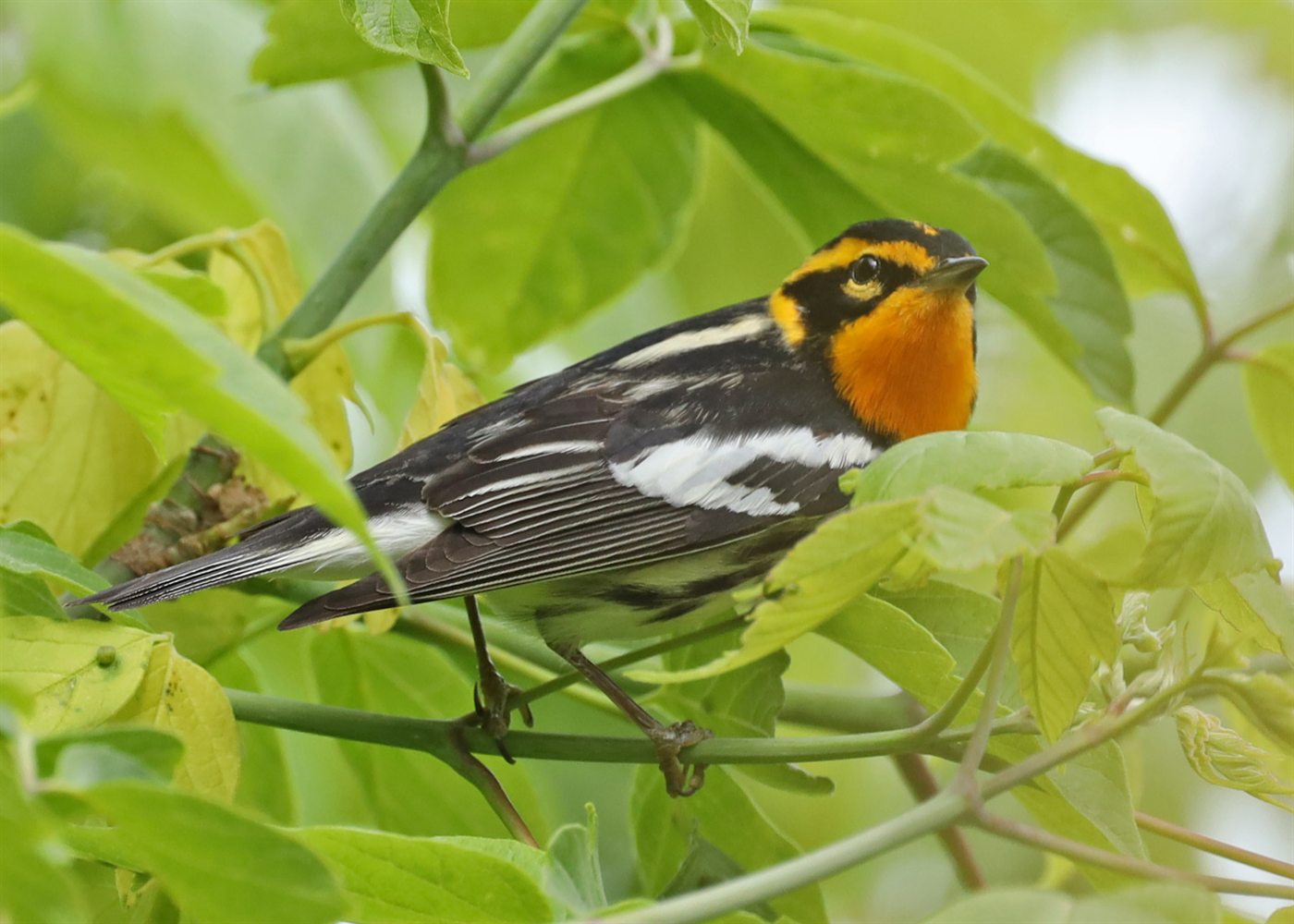
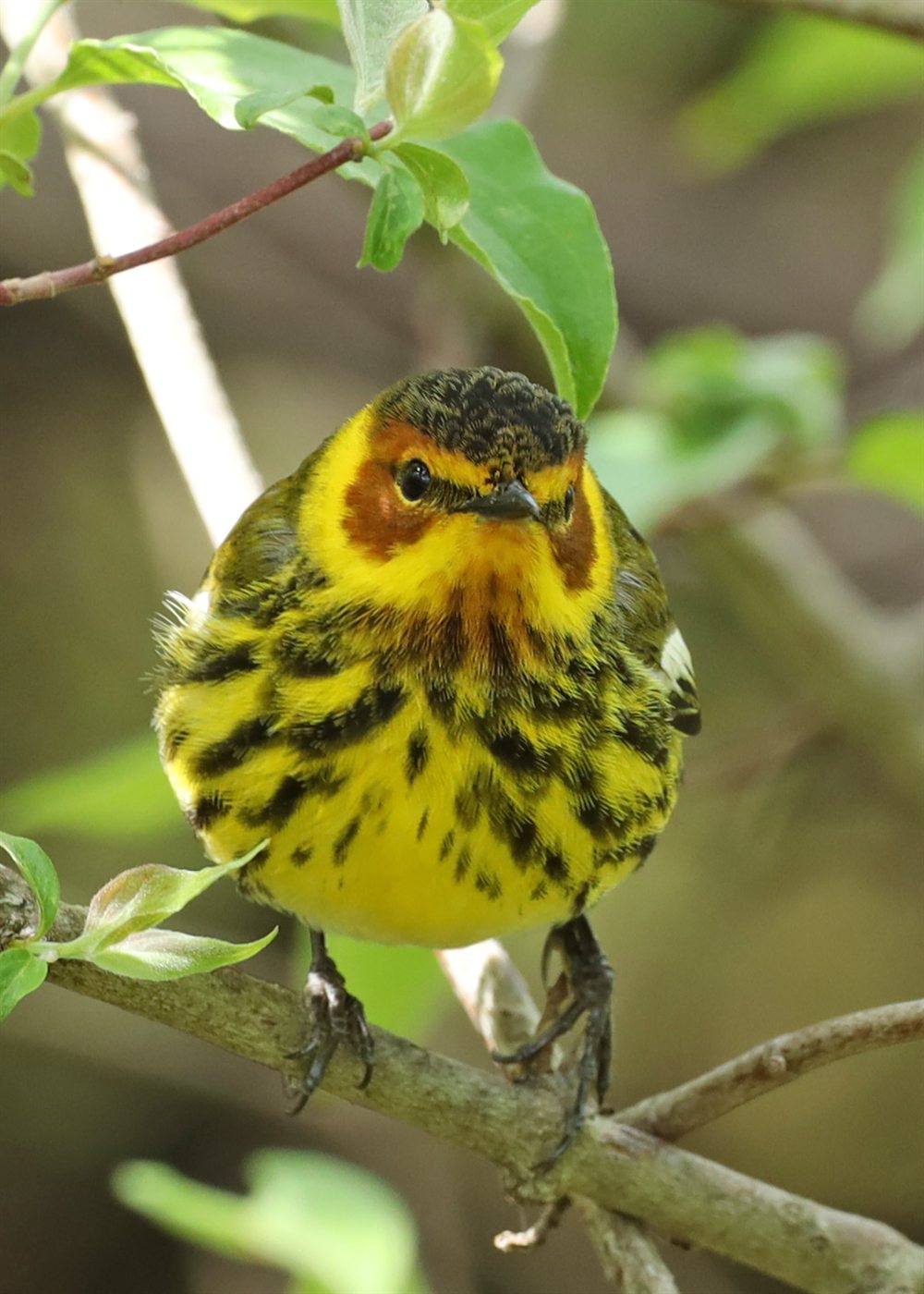
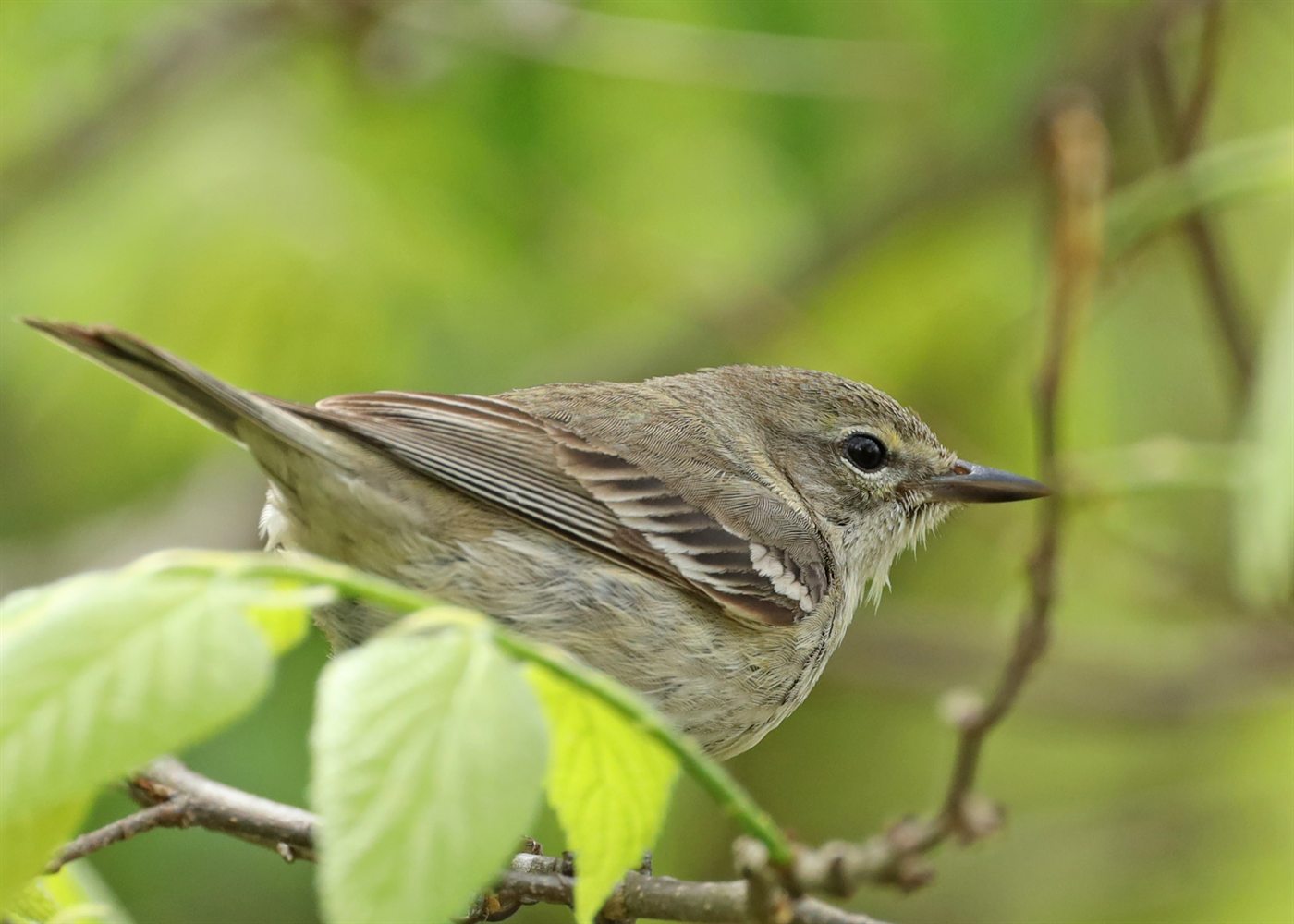
The famous boardwalk winds through woodland and marsh habitat, offering intimate views of birds that would normally require binoculars simply to locate. A Blackburnian Warbler may suddenly appear ten feet away. A Cape May Warbler might feed calmly among budding leaves while dozens of photographers quietly capture images.
Equally memorable were the people.
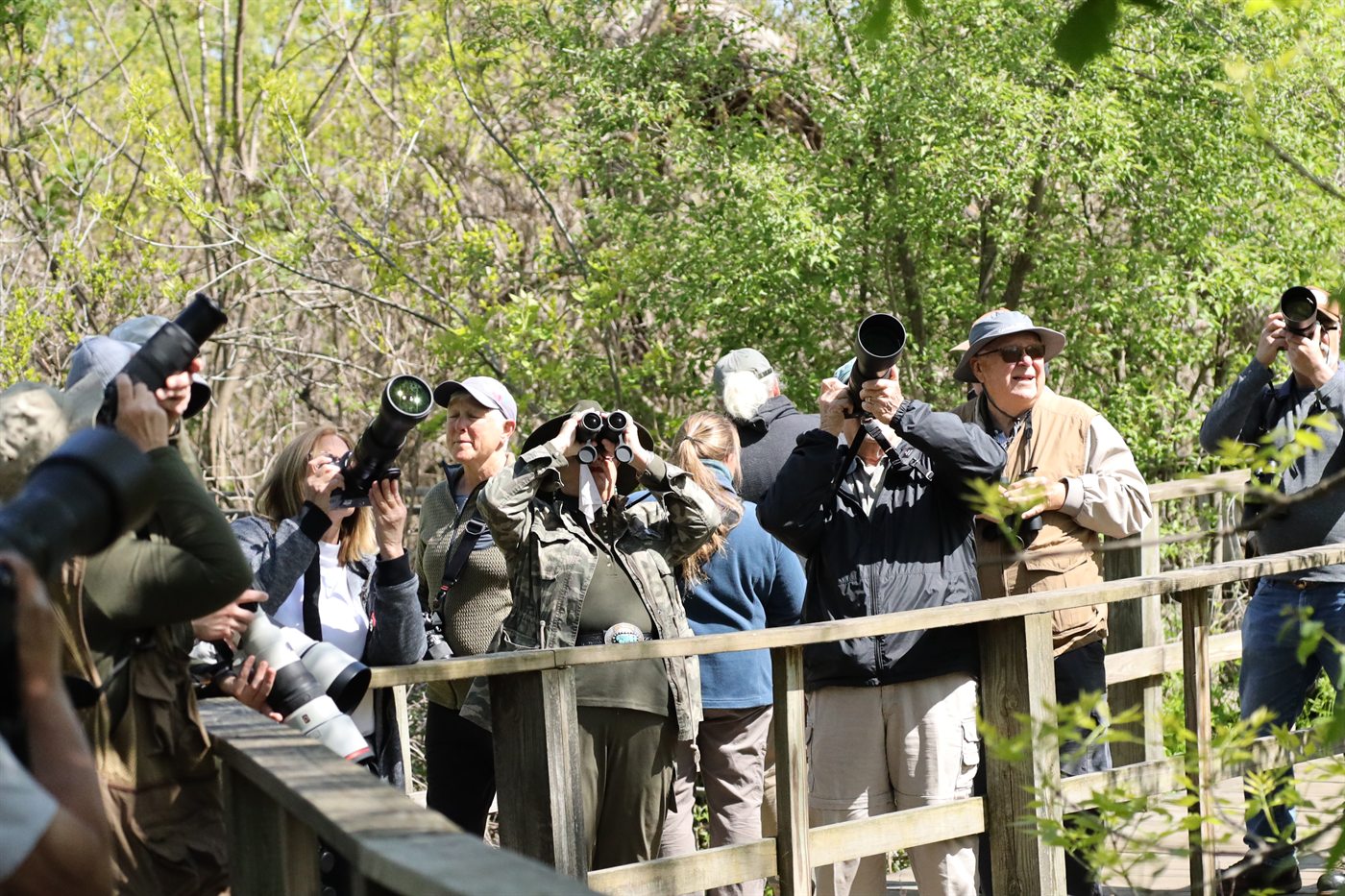
Birders lined the boardwalk with binoculars, spotting scopes, and cameras equipped with enormous telephoto lenses. News of a cooperative bird traveled quickly. One person would spot a Blackburnian or a Northern Parula, and within minutes a crowd would gather. Yet the atmosphere remained welcoming. Strangers freely shared sightings and helped newcomers locate birds hidden among the foliage.
Watching Migration Build
The most fascinating part of the week was watching migration change from day to day.
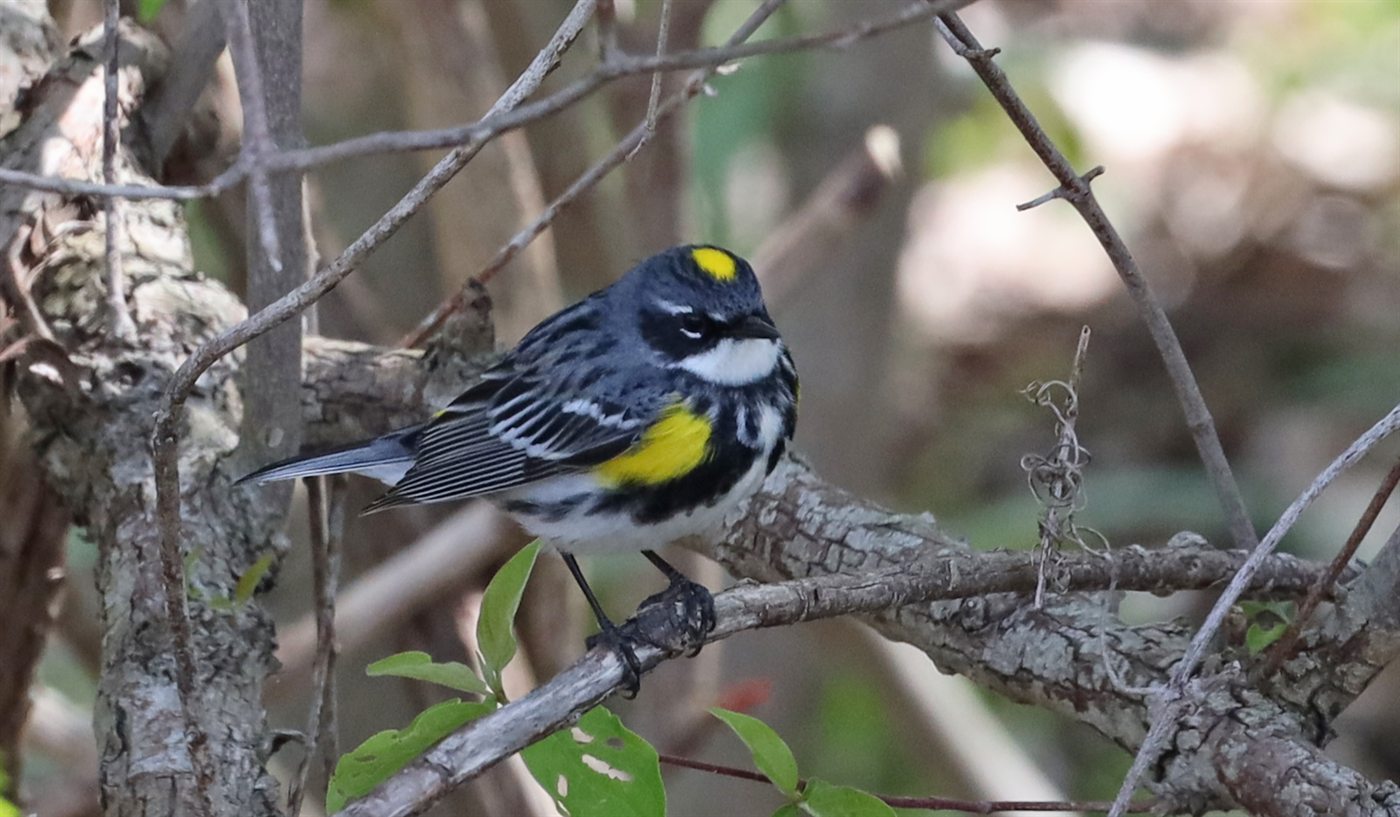
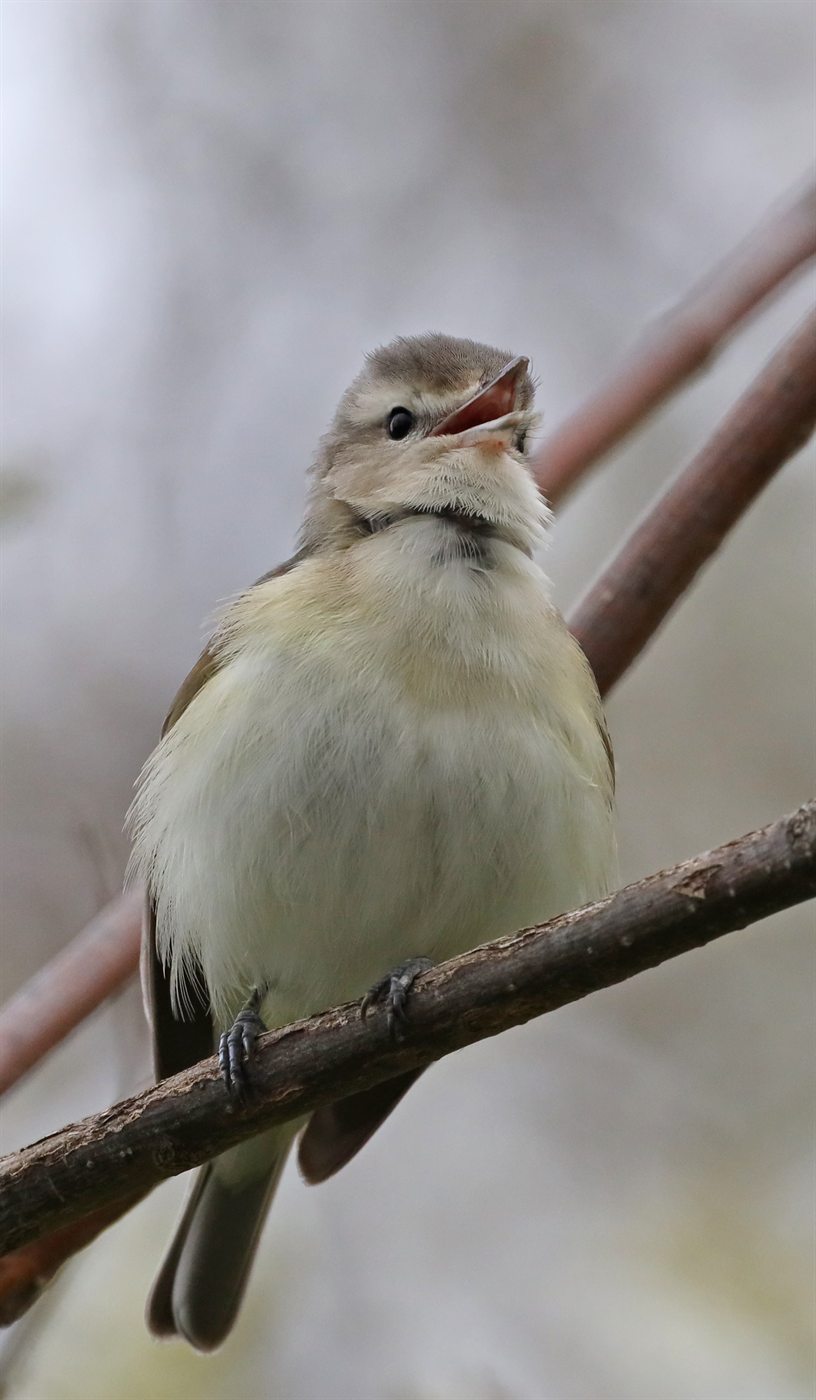
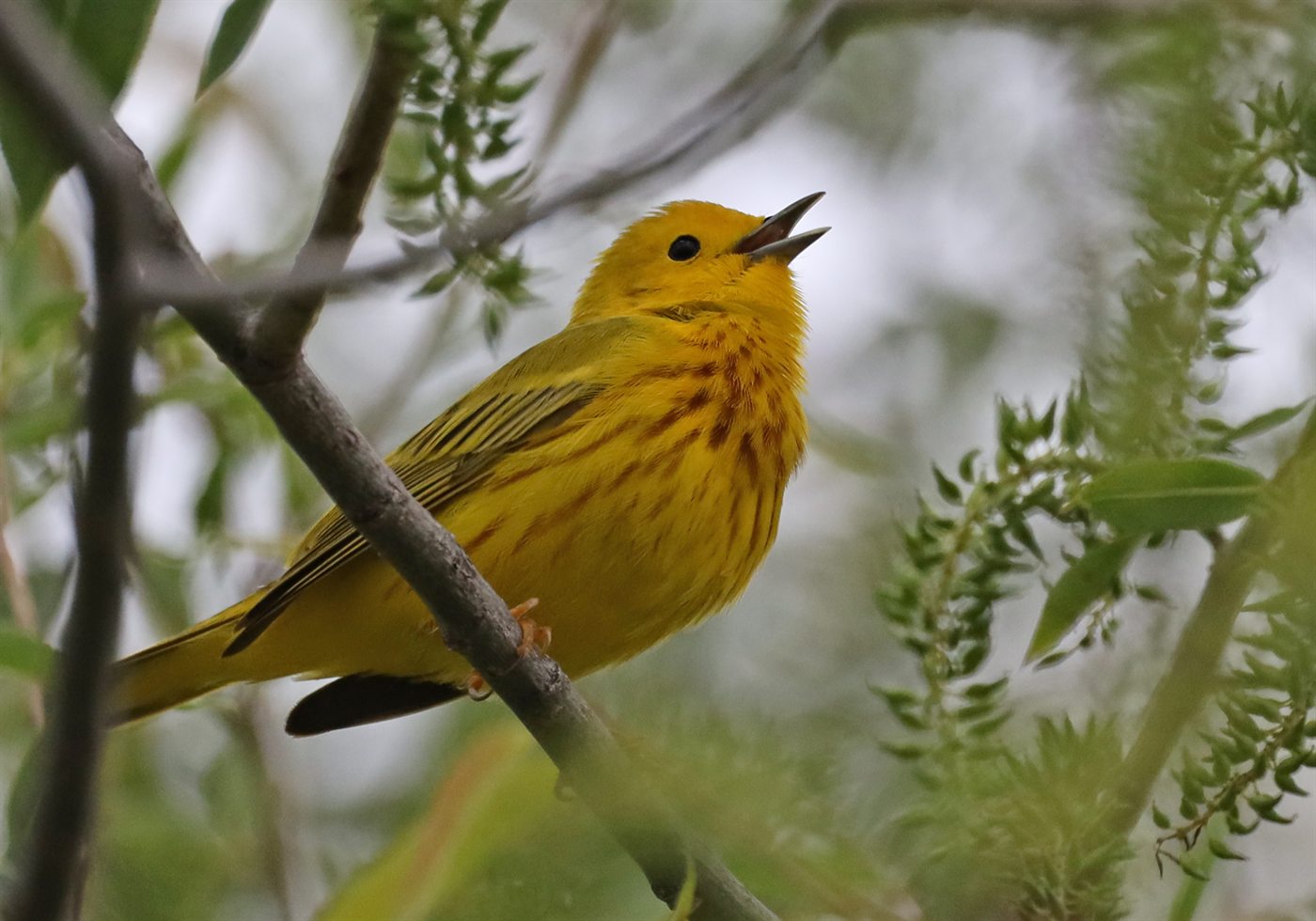
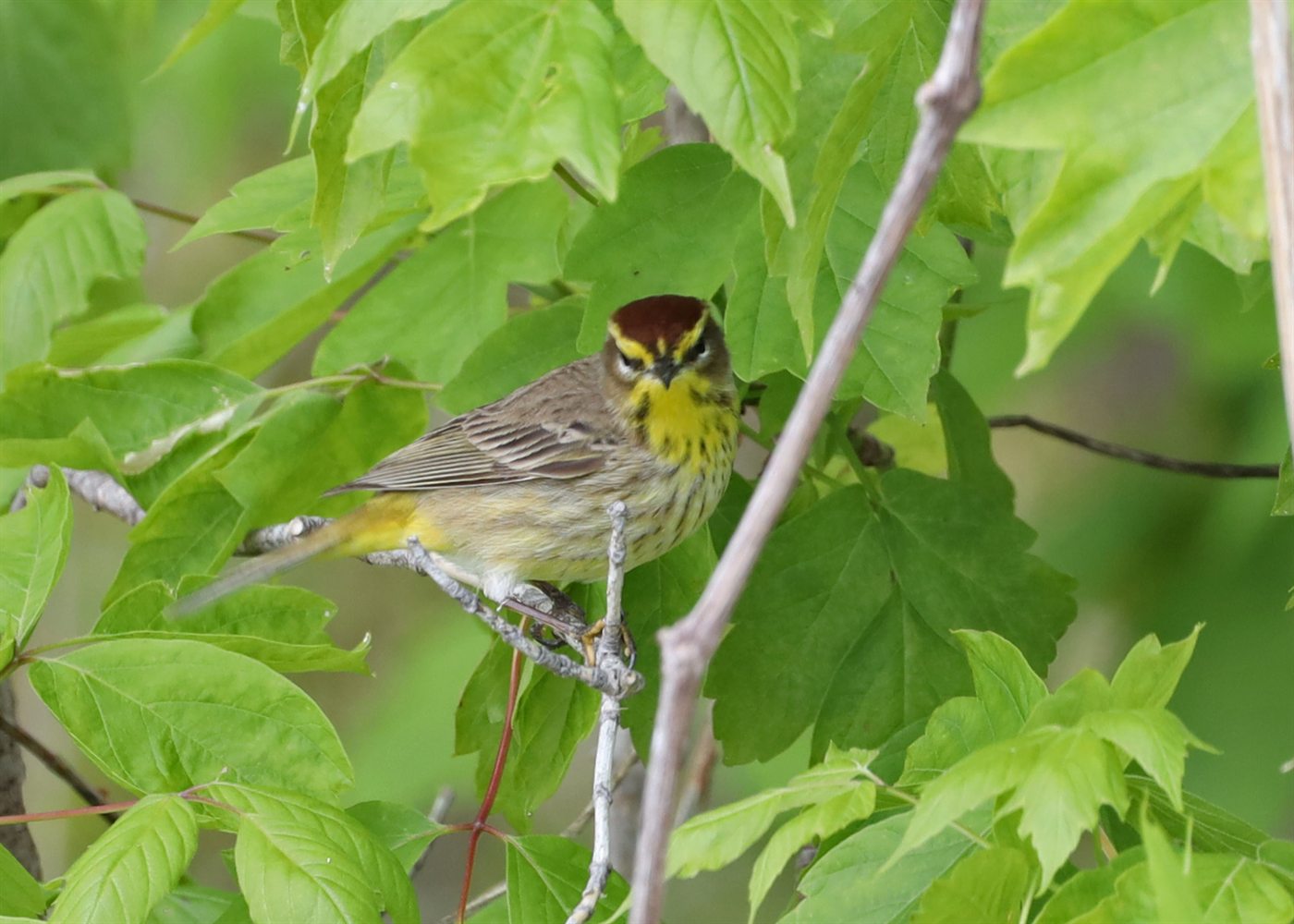
On May 2, birding felt relatively slow. There were birds everywhere, but only a few species dominated the landscape. Eastern Warbling Vireos, Yellow Warblers, Palm Warblers, and Ruby-crowned Kinglets accounted for much of the activity. Myrtle Warblers were also common throughout the week.
By May 3 and 4, the woods began to change. The understory filled first. More migrants appeared in shrubs and lower branches. Every morning seemed slightly different from the day before.
Then came the surge.
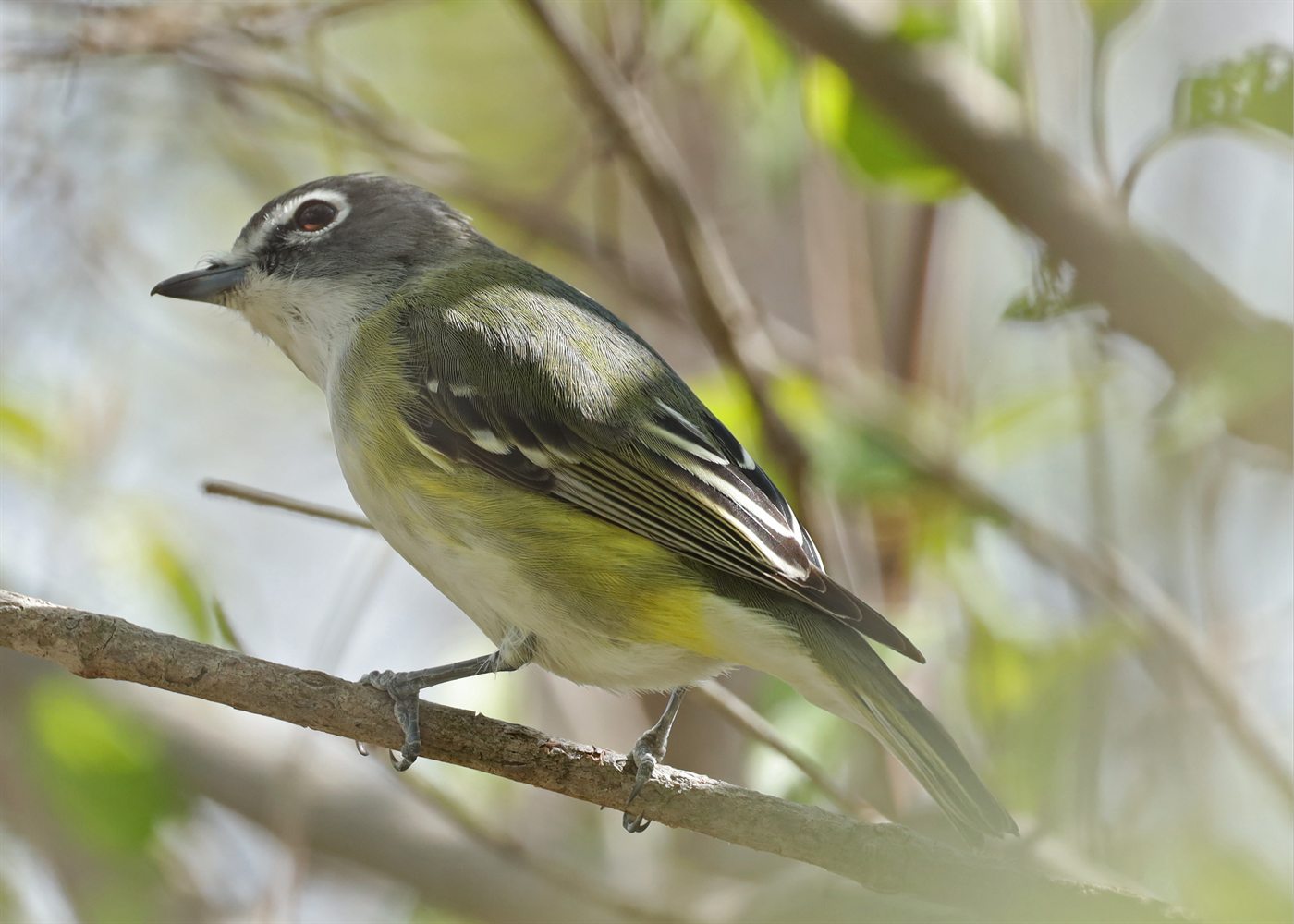
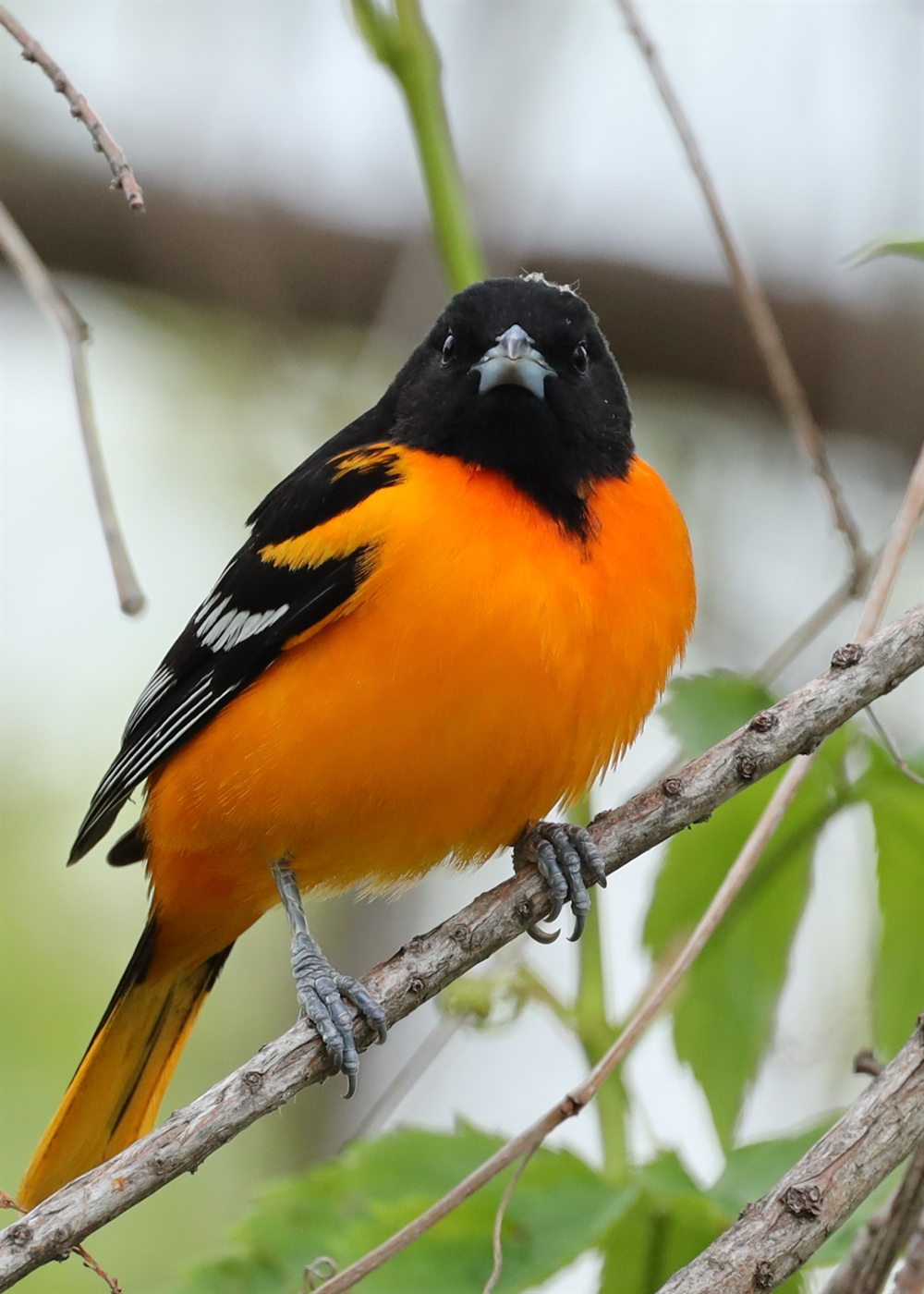
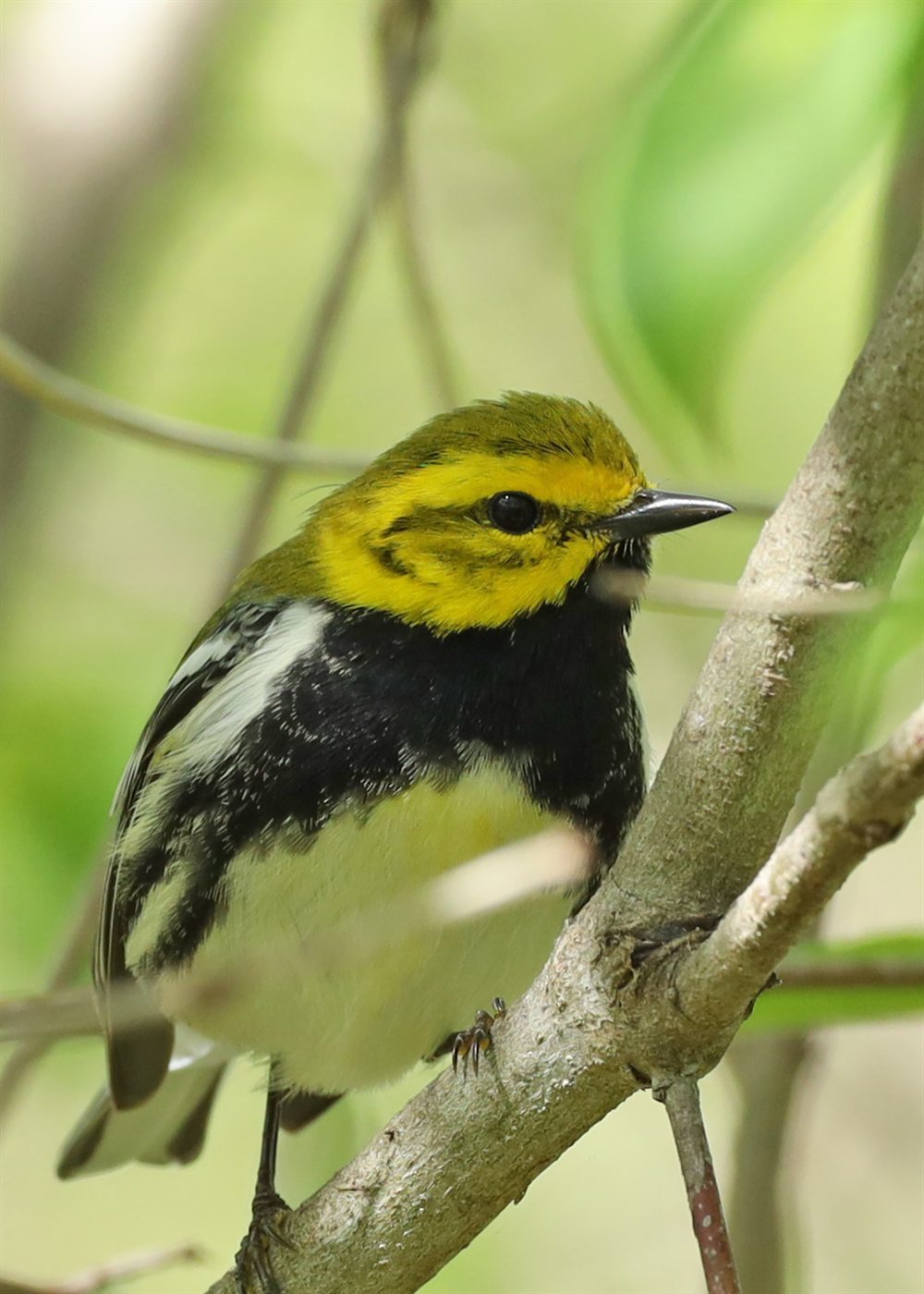
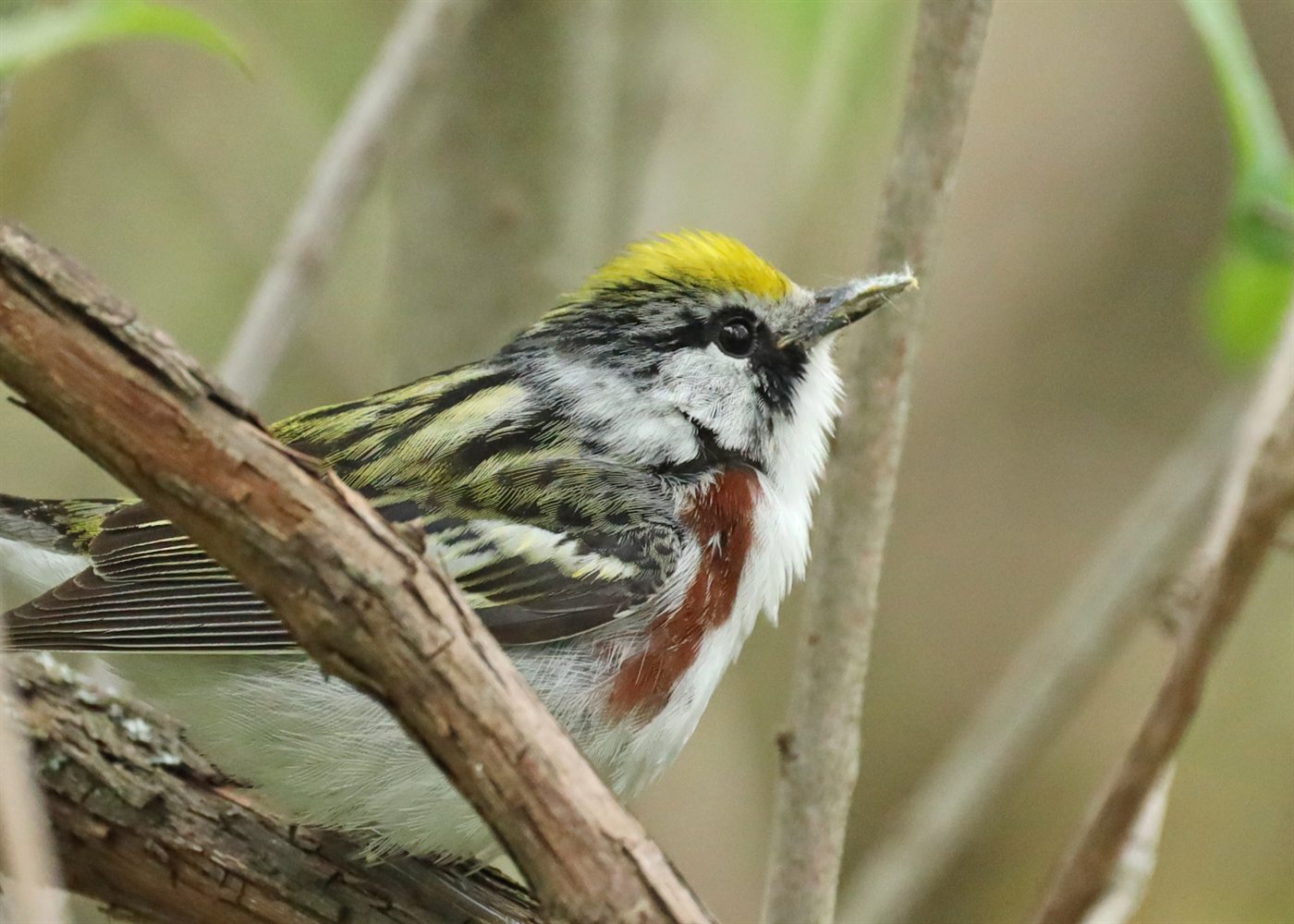
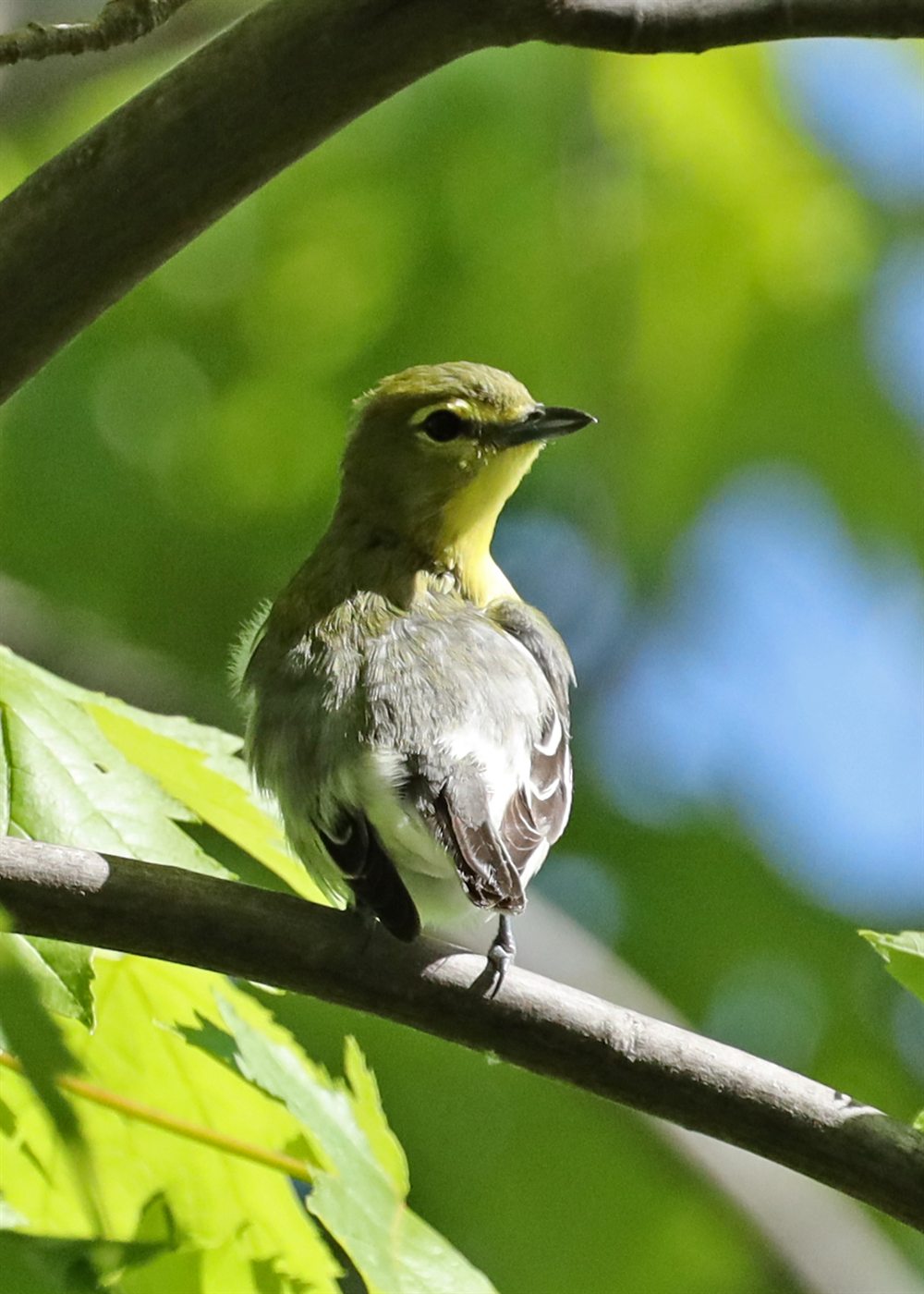
By May 5, 6, and 7, the forest seemed transformed. Blackburnian Warblers glowed like embers among the fresh spring leaves. Cape May Warblers appeared in increasing numbers. Black-throated Green Warblers, Chestnut-sided Warblers, American Redstarts, Baltimore Orioles, Blue-headed Vireos, Yellow-throated Vireos, Rose-breasted Grosbeaks, Indigo Buntings, and many others joined the growing chorus of migrants.
The progression was remarkable. Rather than experiencing migration as a single event, we watched it unfold day by day.
Jewels of the Canopy
The warblers were undoubtedly the stars of the show.
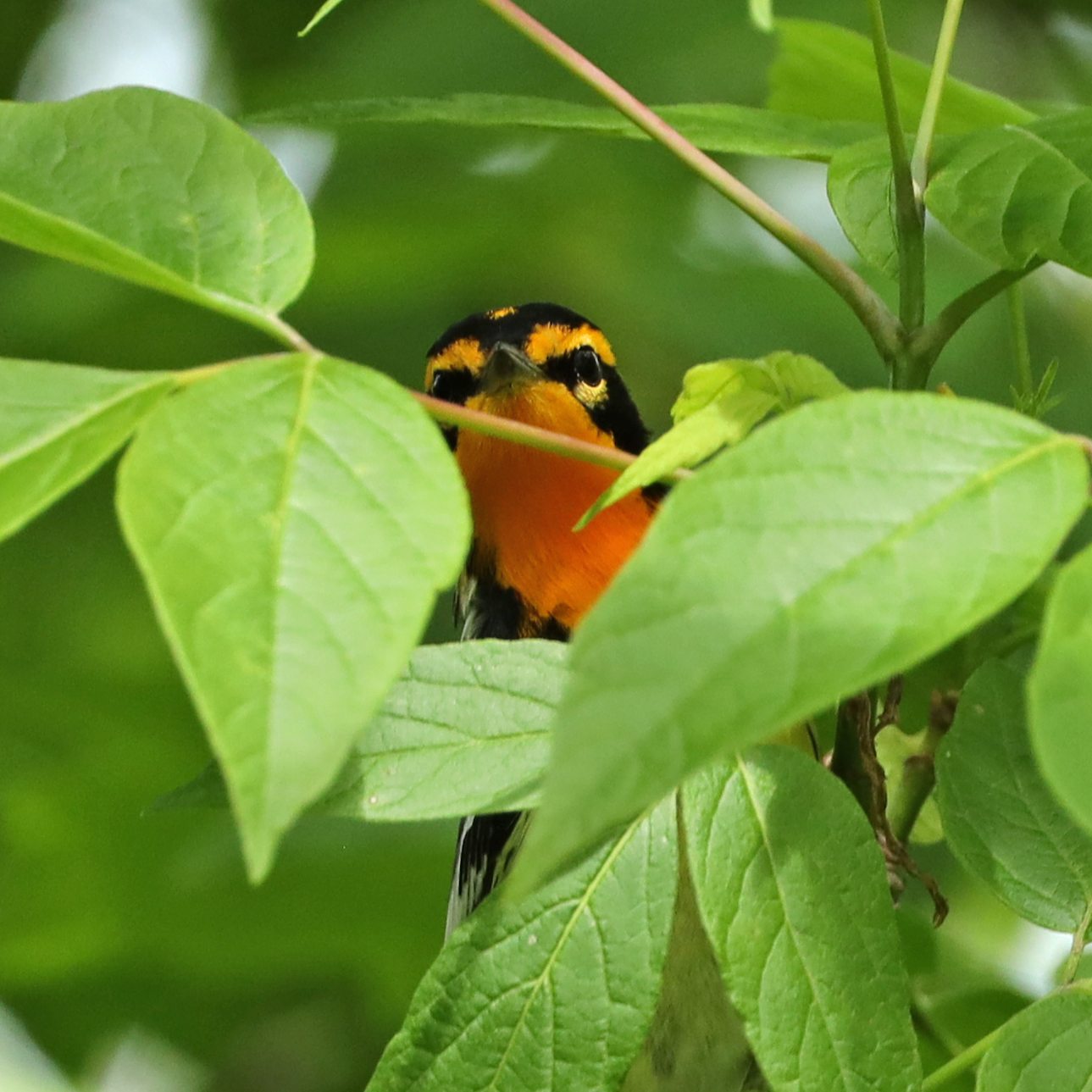
The Blackburnian Warbler became a favorite. With its blazing orange throat and face, it seemed almost too colorful to be real. One particular bird, peering through fresh green leaves, became the defining image of the trip.
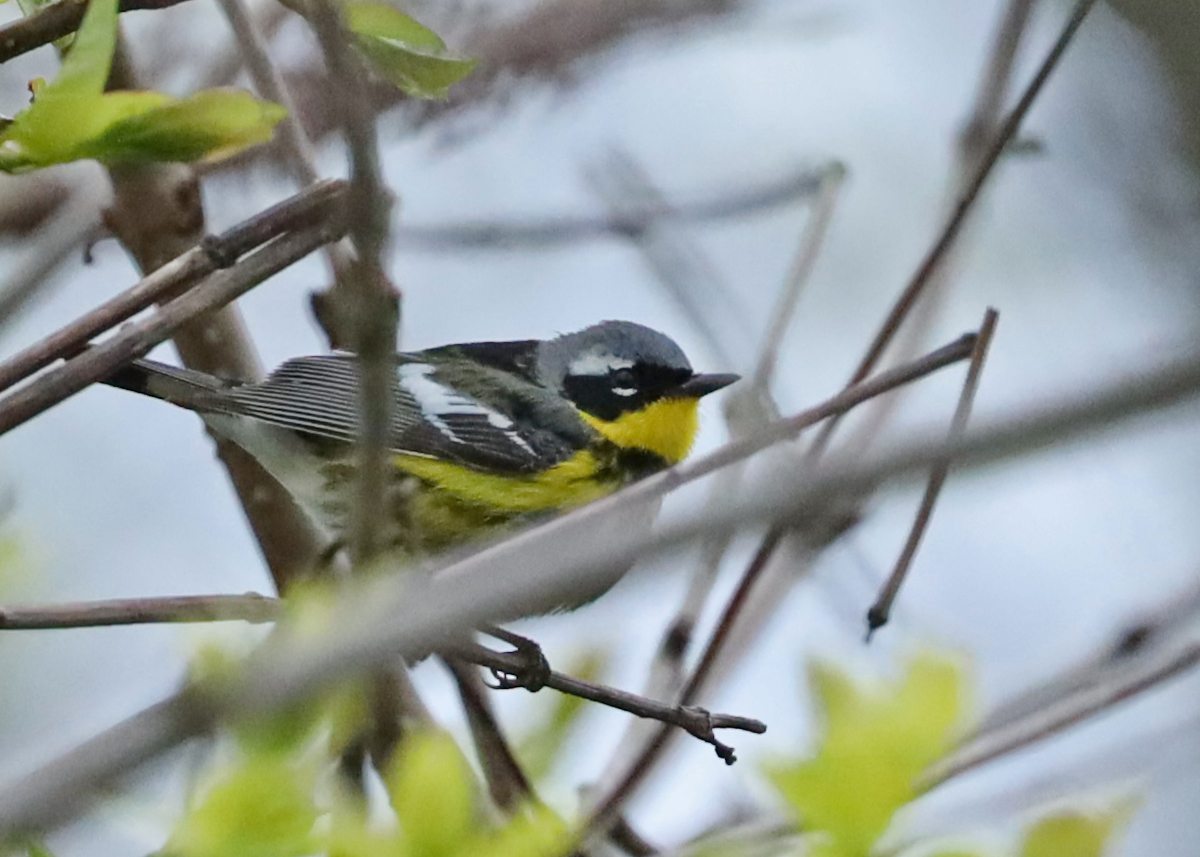
Cape May Warblers provided another highlight. Their intricate plumage and bold facial patterns rewarded careful observation and photography.
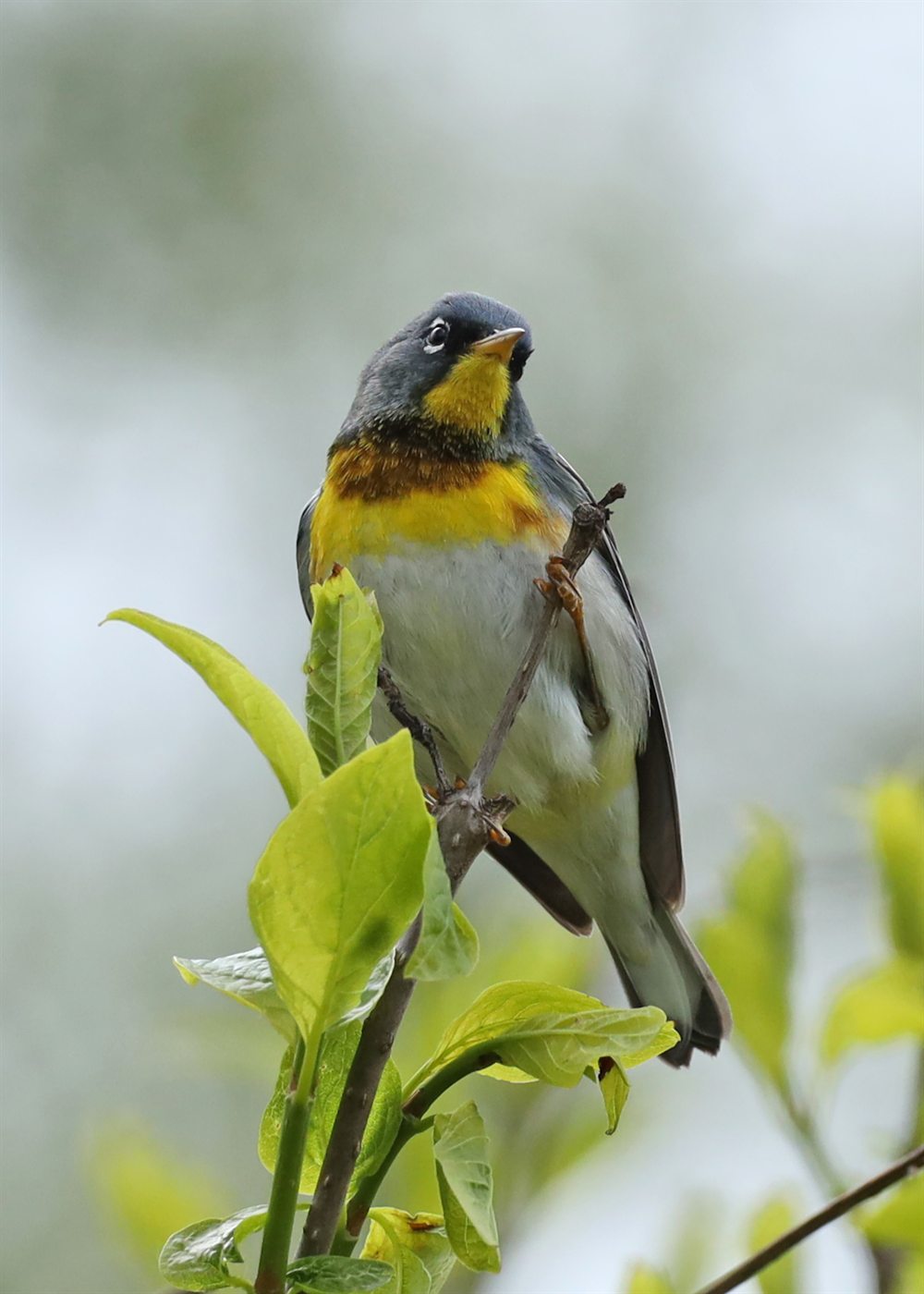
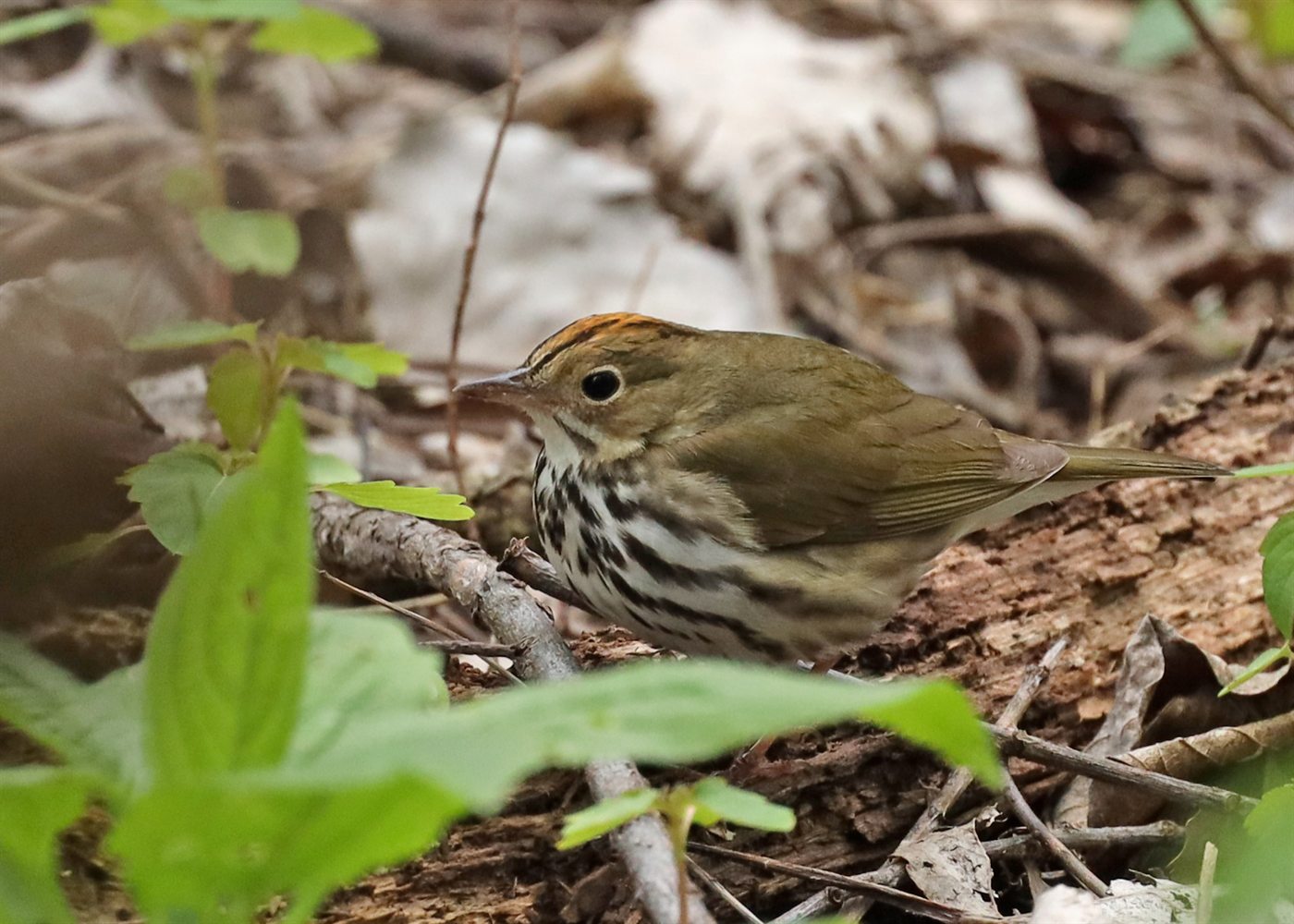
Northern Parulas, Chestnut-sided Warblers, Black-and-white Warblers, Black-throated Green Warblers, Ovenbirds, and Yellow Warblers all contributed to a dazzling display of spring migration.
Many of these birds were observed at distances measured in feet rather than yards, allowing prolonged study and photography rarely possible elsewhere.
More Than Warblers
While warblers received most of the attention, many other species contributed to the experience.
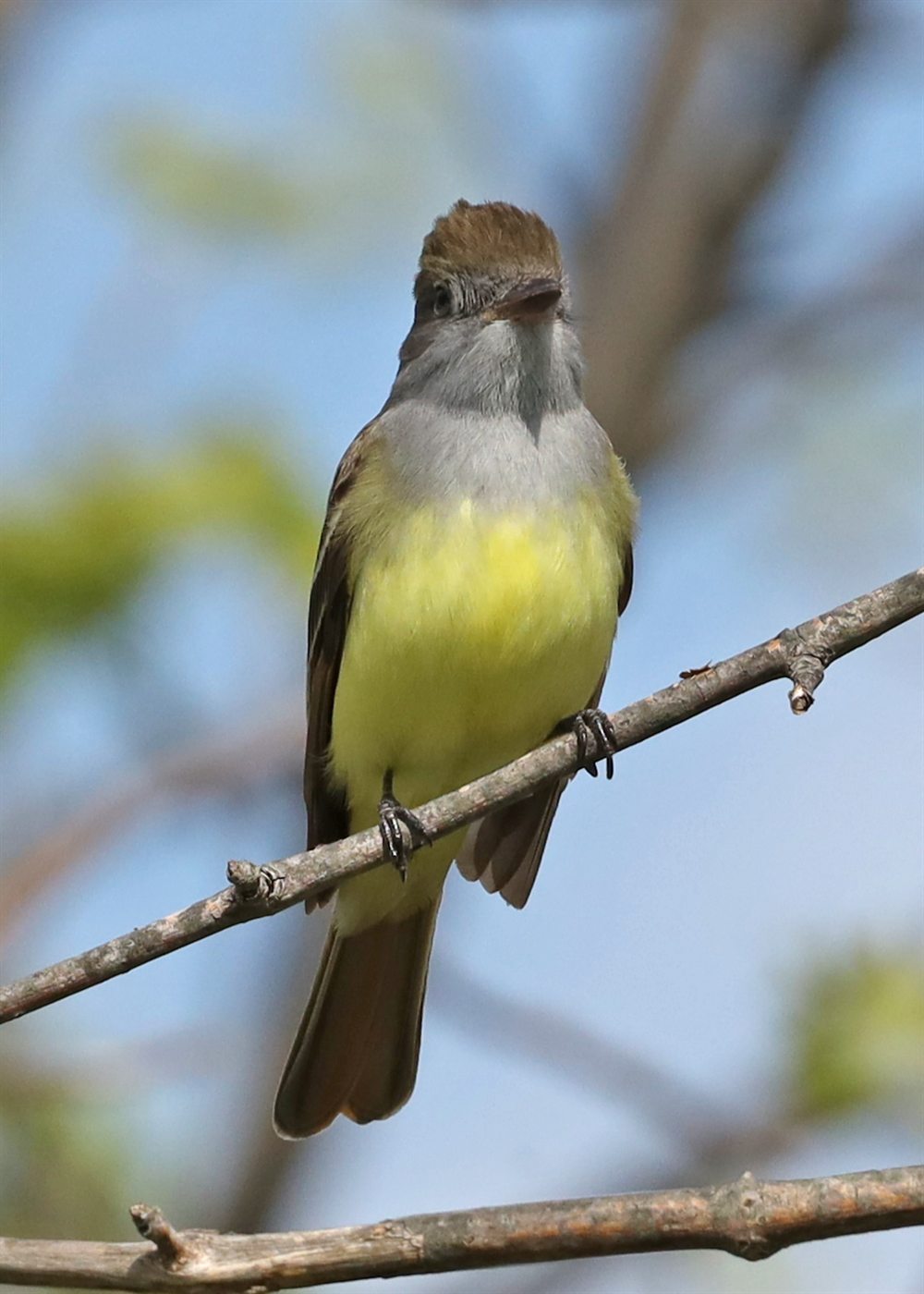
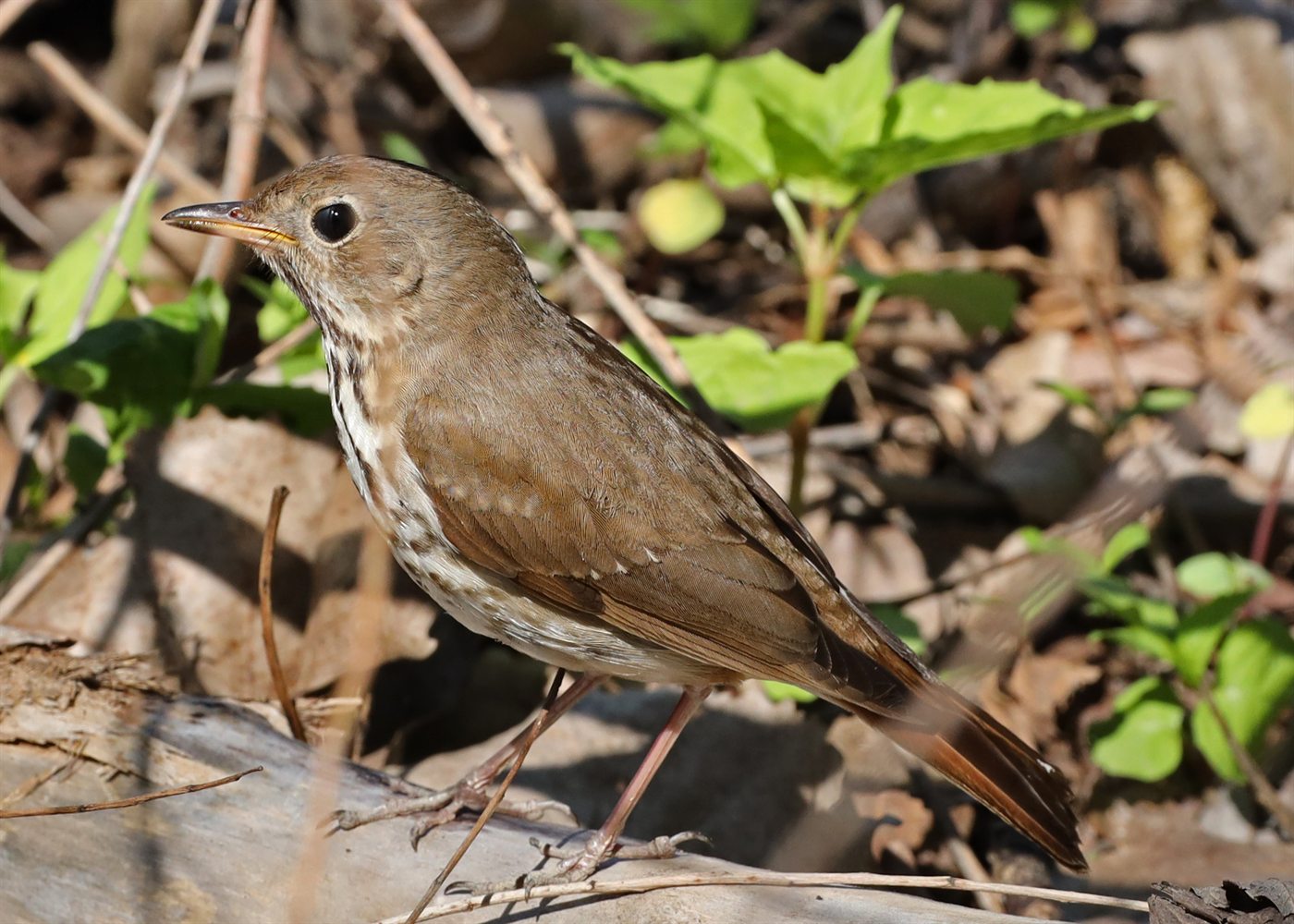
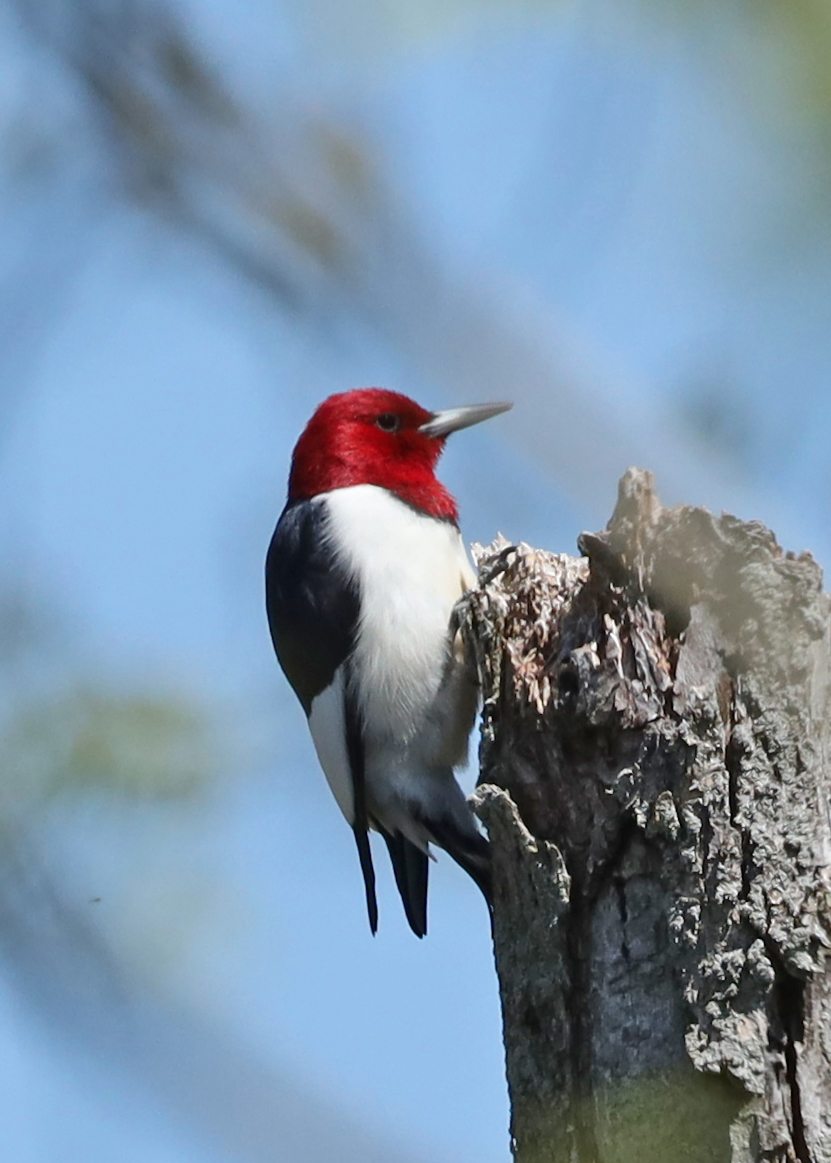
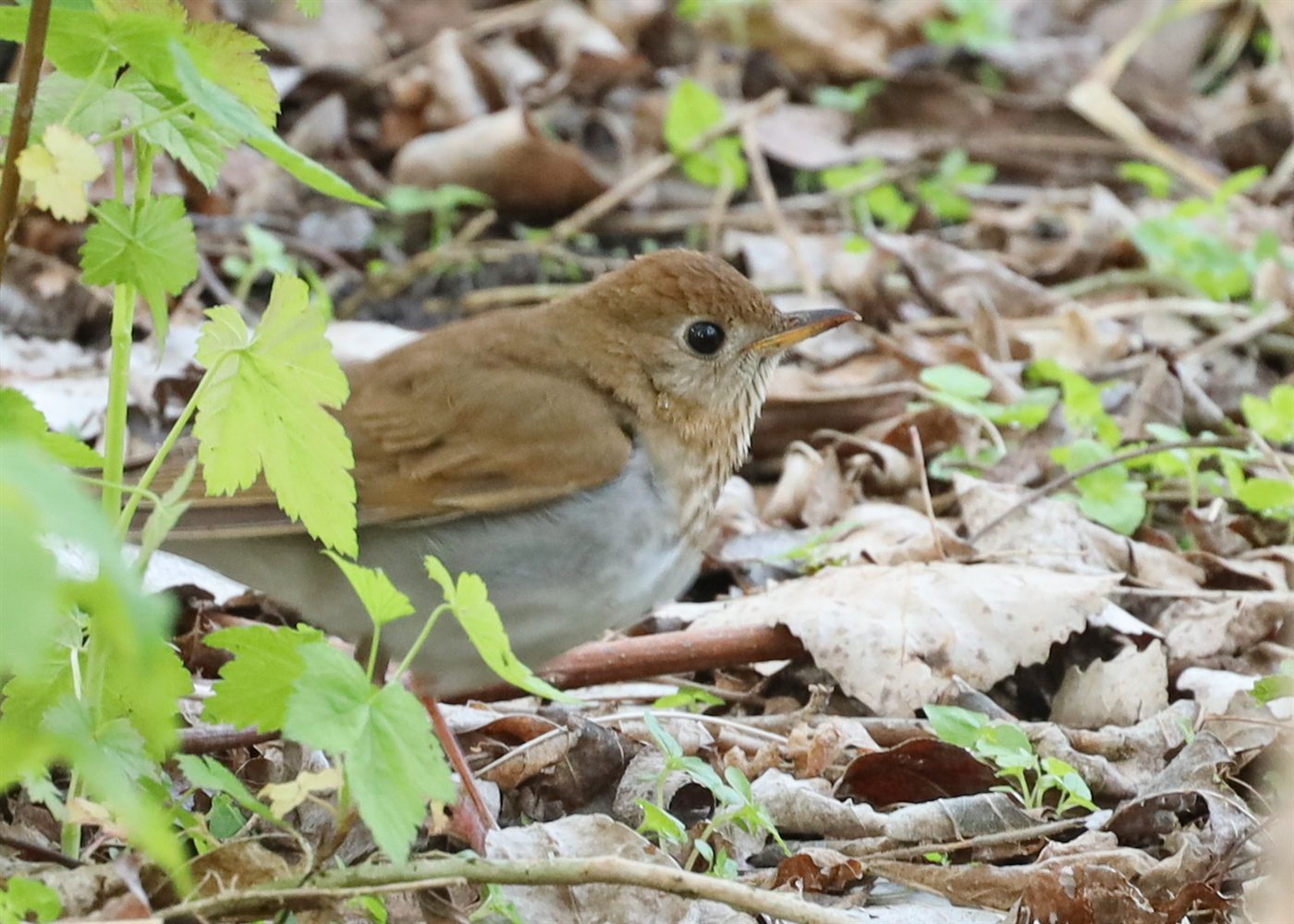
Baltimore Orioles flashed brilliant orange among the emerging leaves. Great Crested Flycatchers announced their presence with loud calls before revealing themselves. Hermit Thrushes moved quietly through the understory. Red-headed Woodpeckers provided some of the week's most striking color combinations.
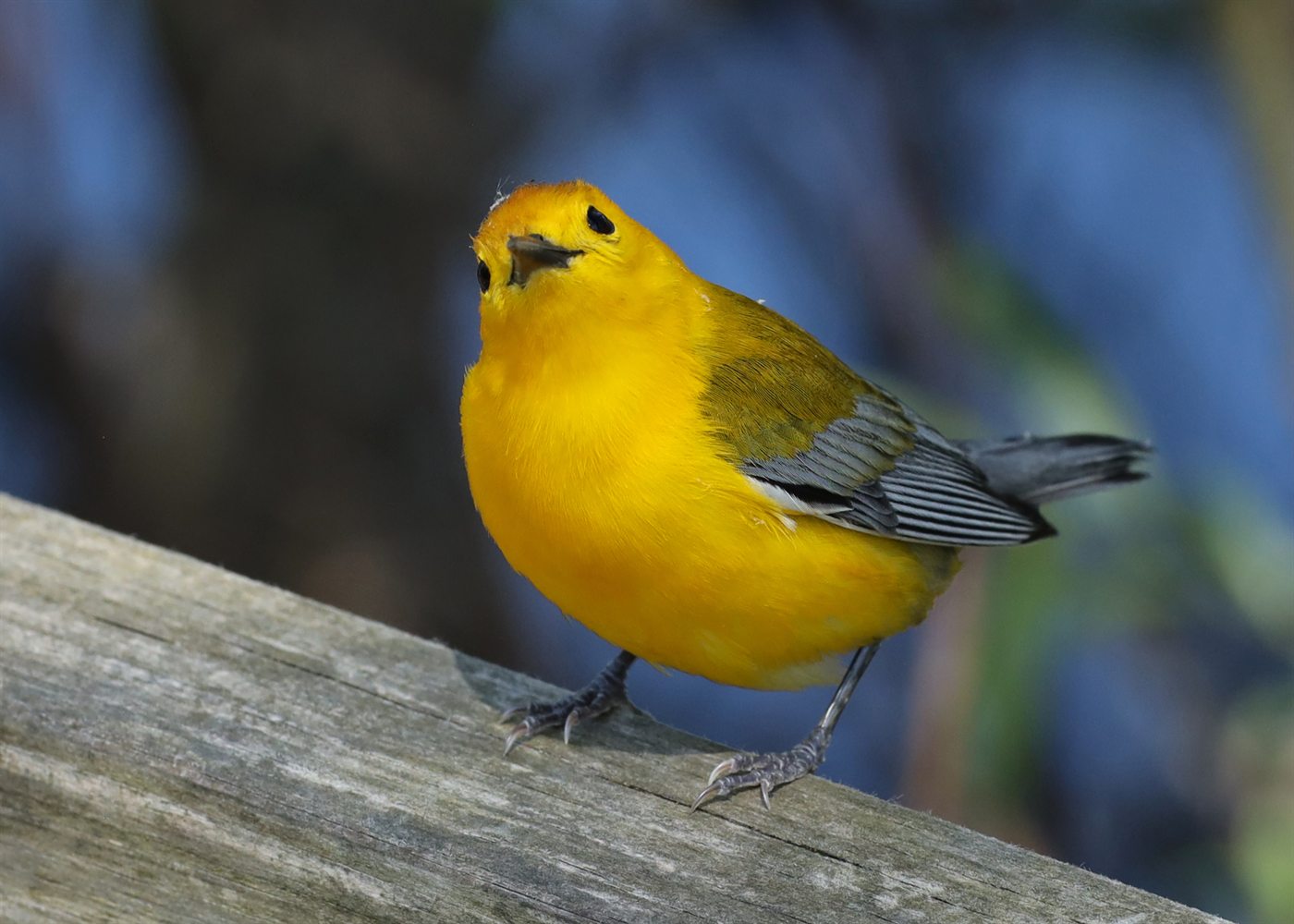
A Prothonotary Warbler delivered one of the most memorable encounters when it landed directly on the boardwalk at our feet, offering an unforgettable view.
Howard Marsh Metropark
Beyond Magee Marsh, the Lake Erie shoreline offered a variety of habitats and birding experiences.
Howard Marsh Metropark presented a very different landscape. Here, water dominated the scenery. Open marshes, mudflats, and shallow wetlands attracted shorebirds and waterfowl.
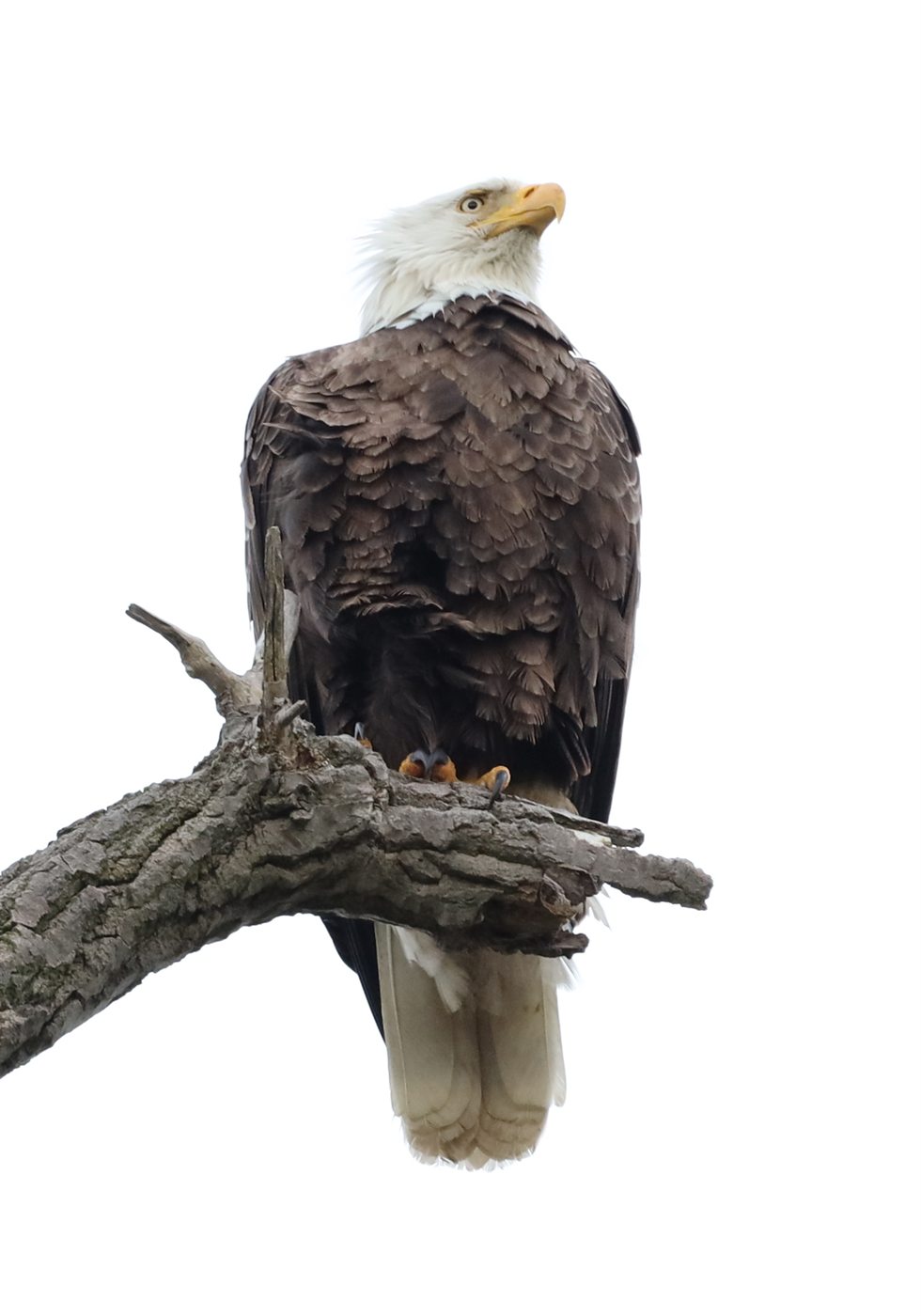
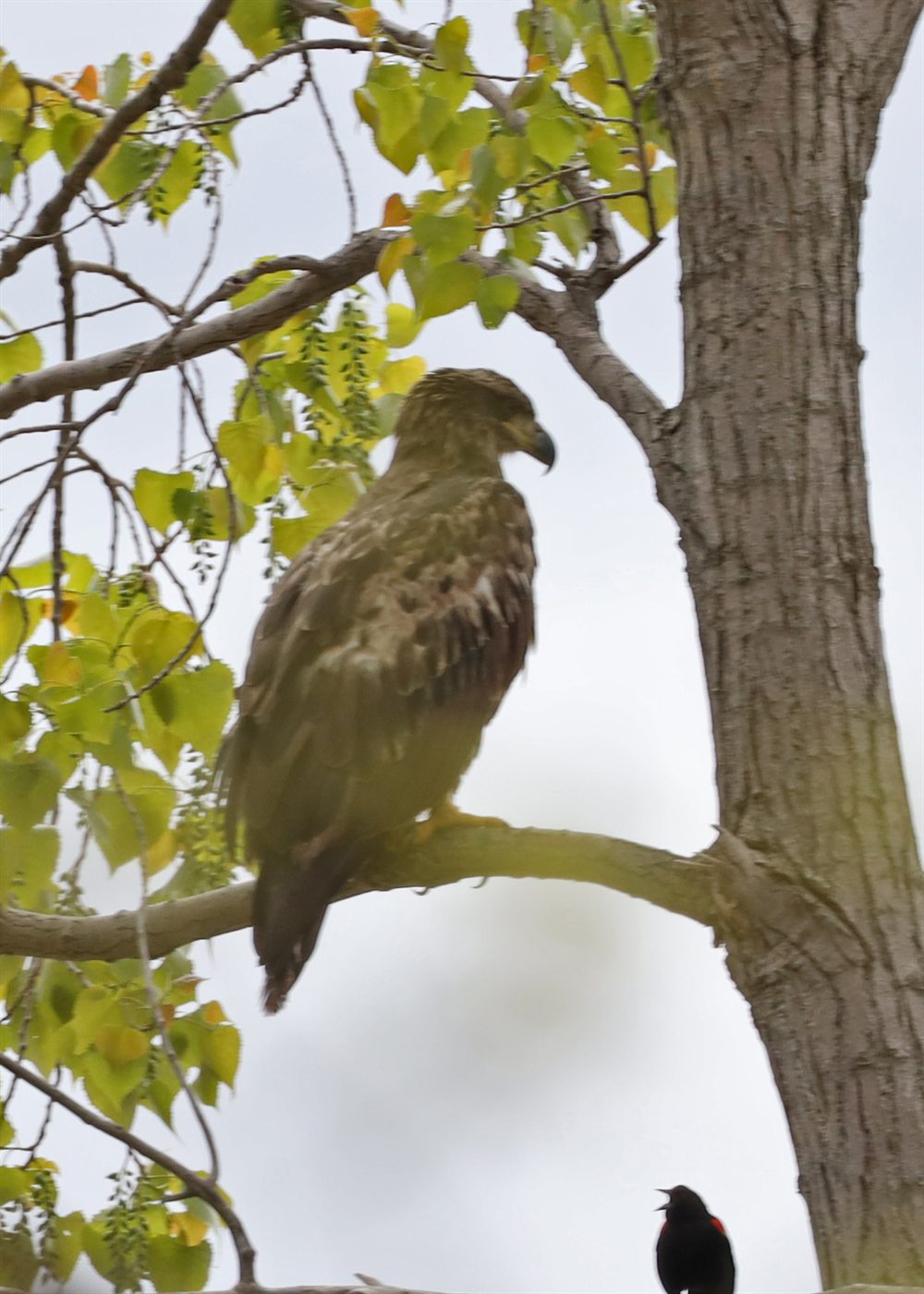
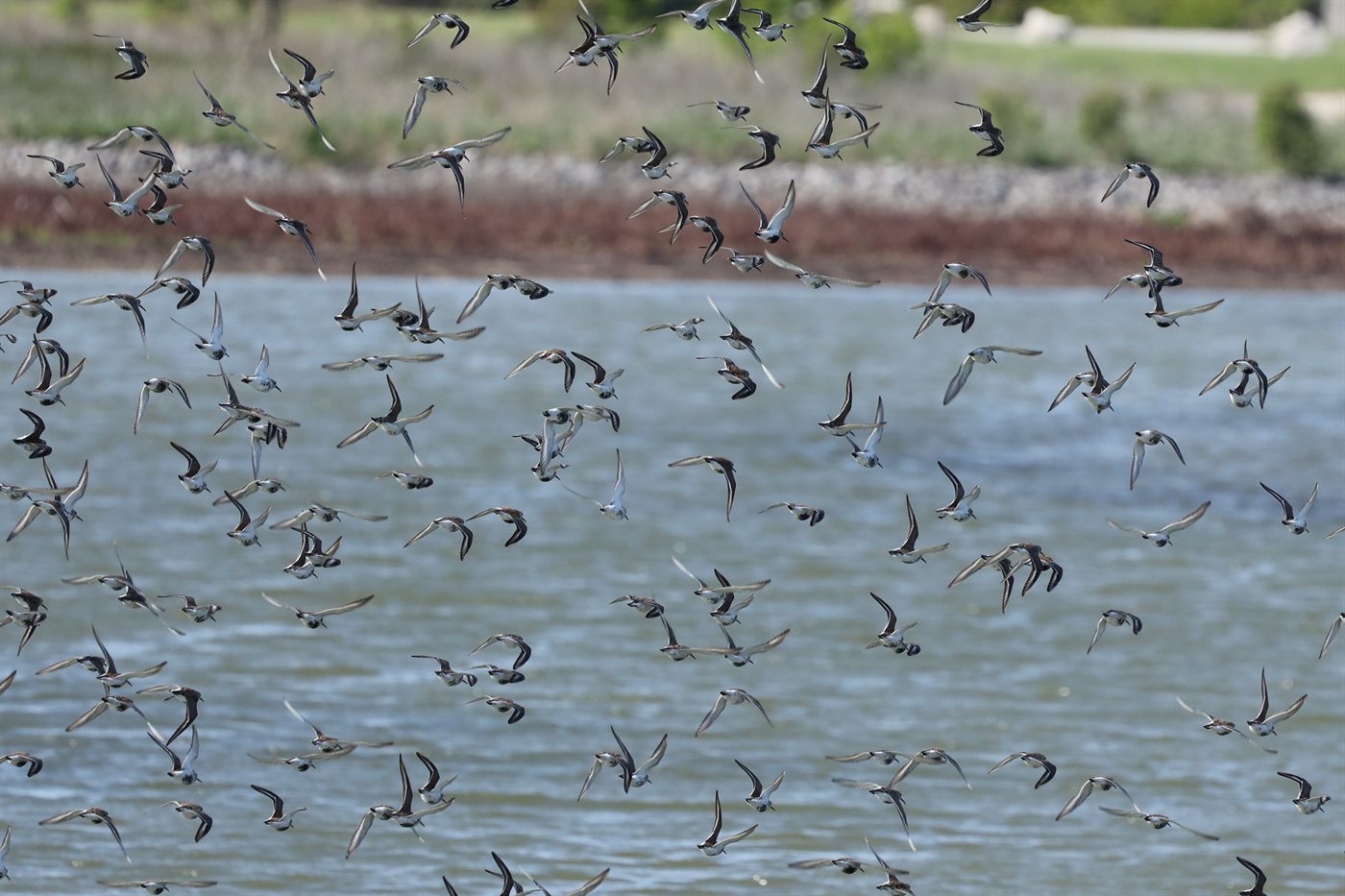
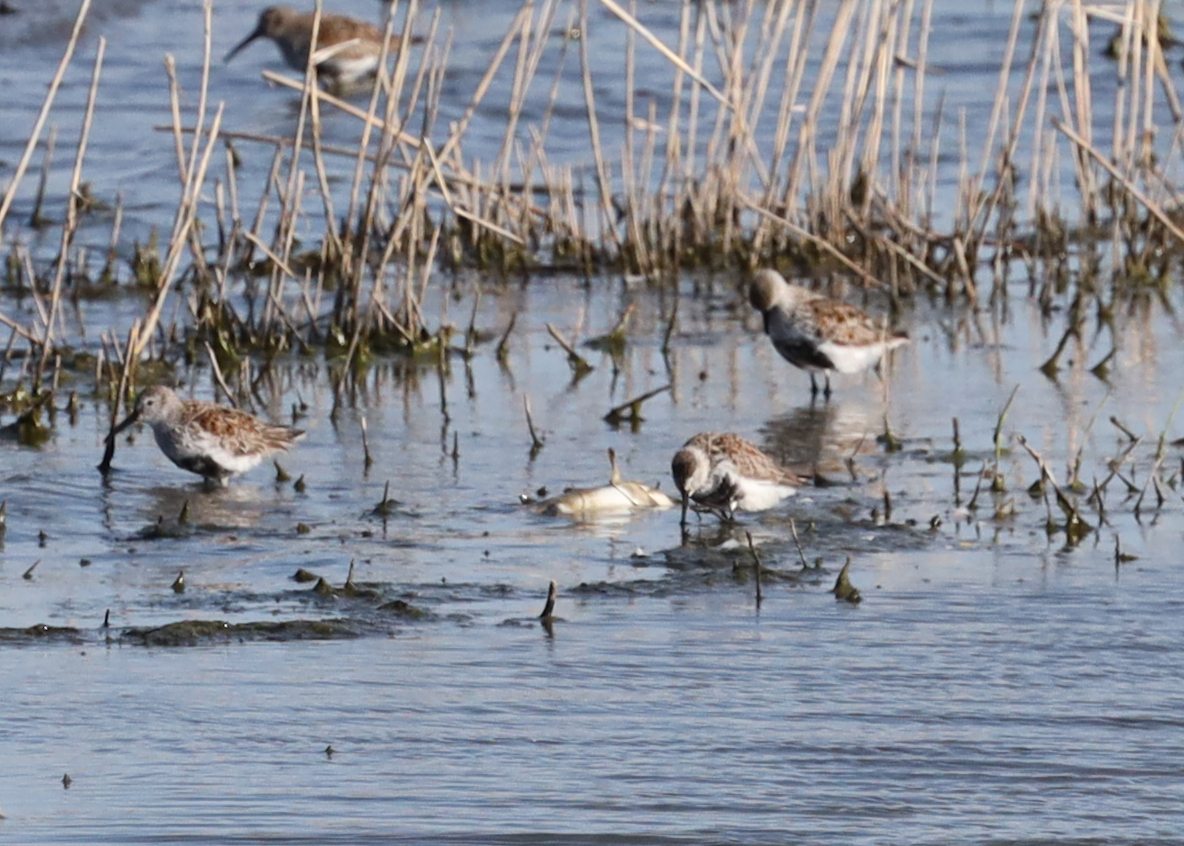
The weather was often windy. Dunlin spent much of their time feeding with bills buried in the mud, largely ignoring observers. Only when Bald Eagles passed overhead did the flocks erupt into flight, swirling over the marsh before eventually settling again.
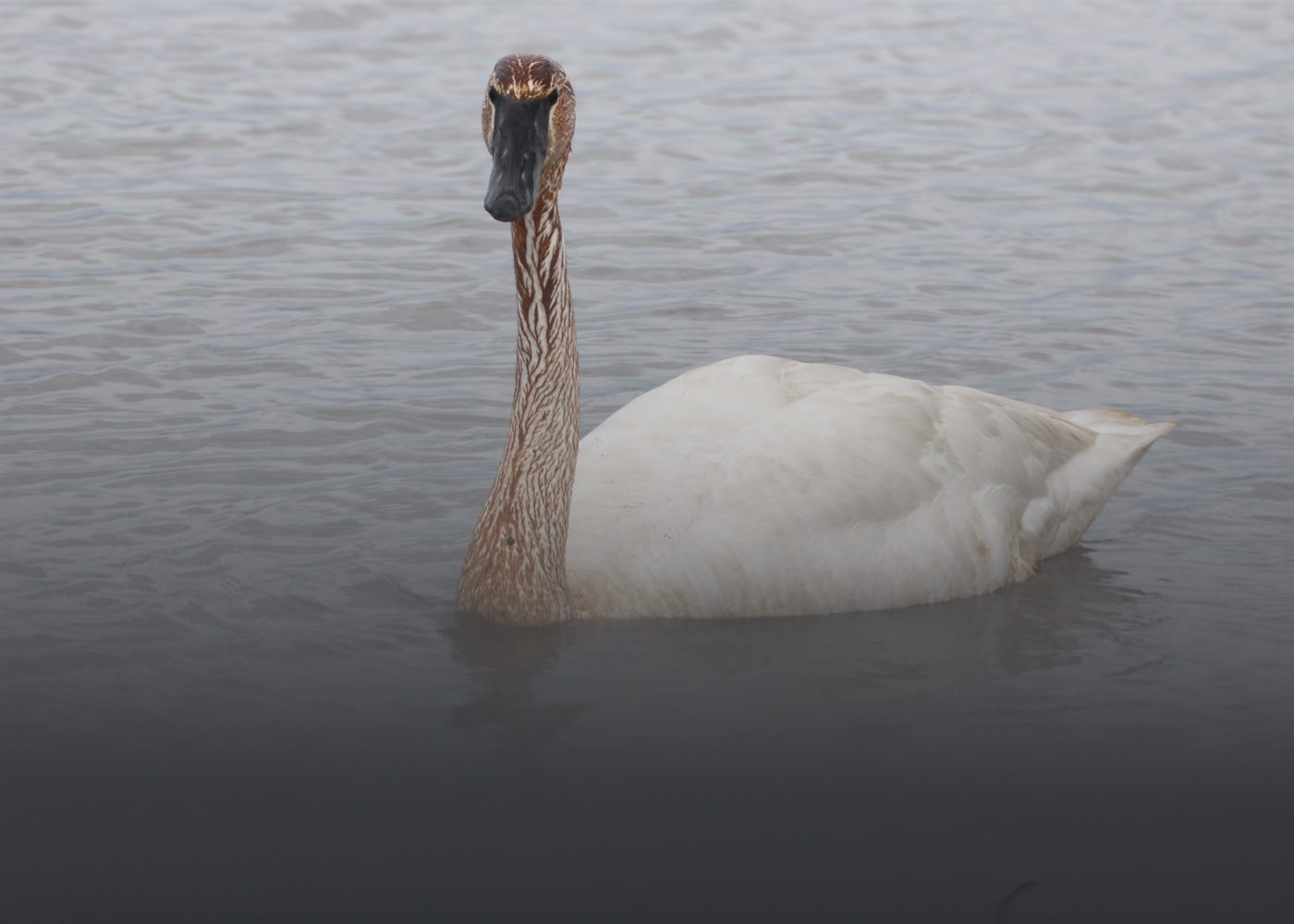
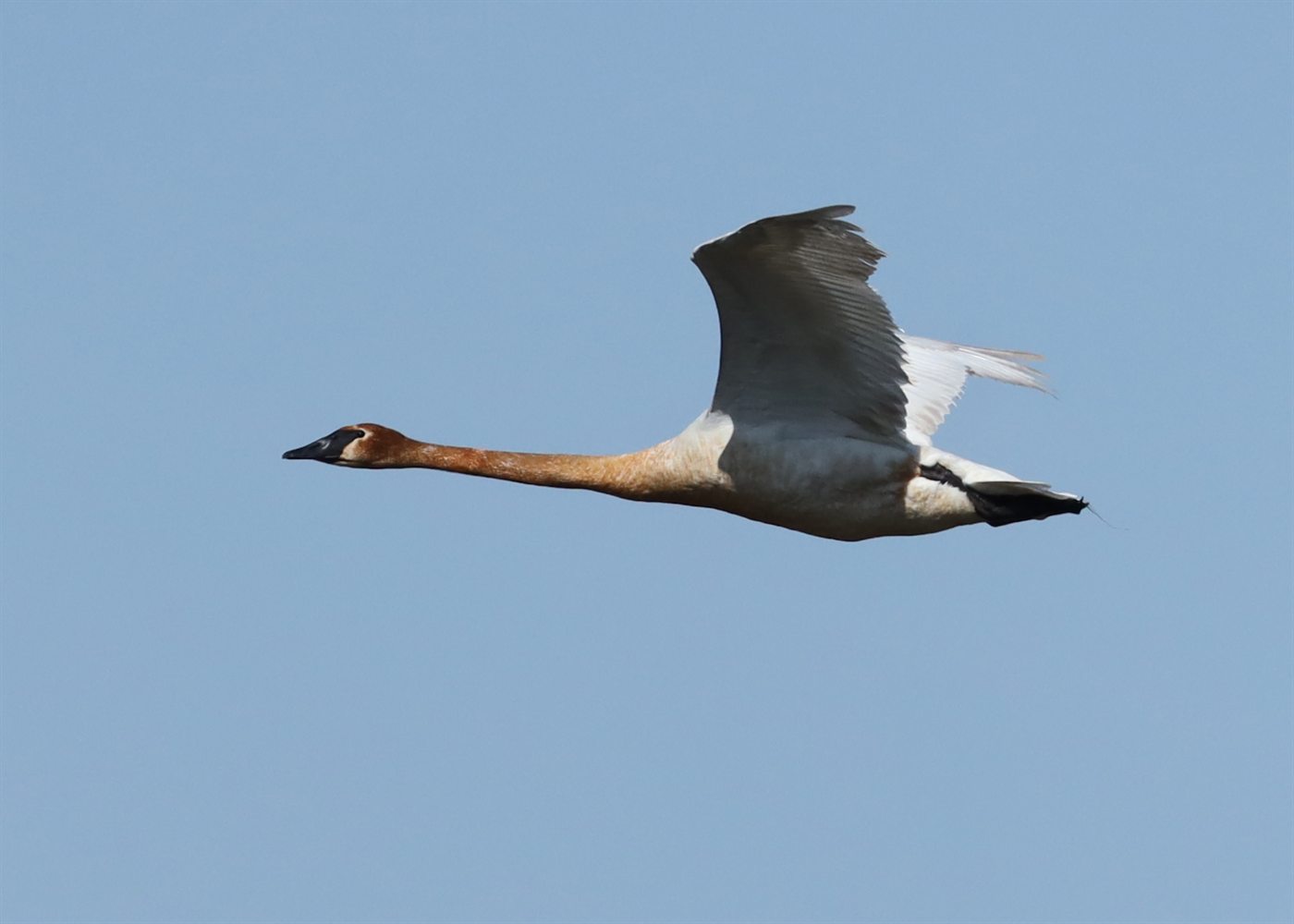
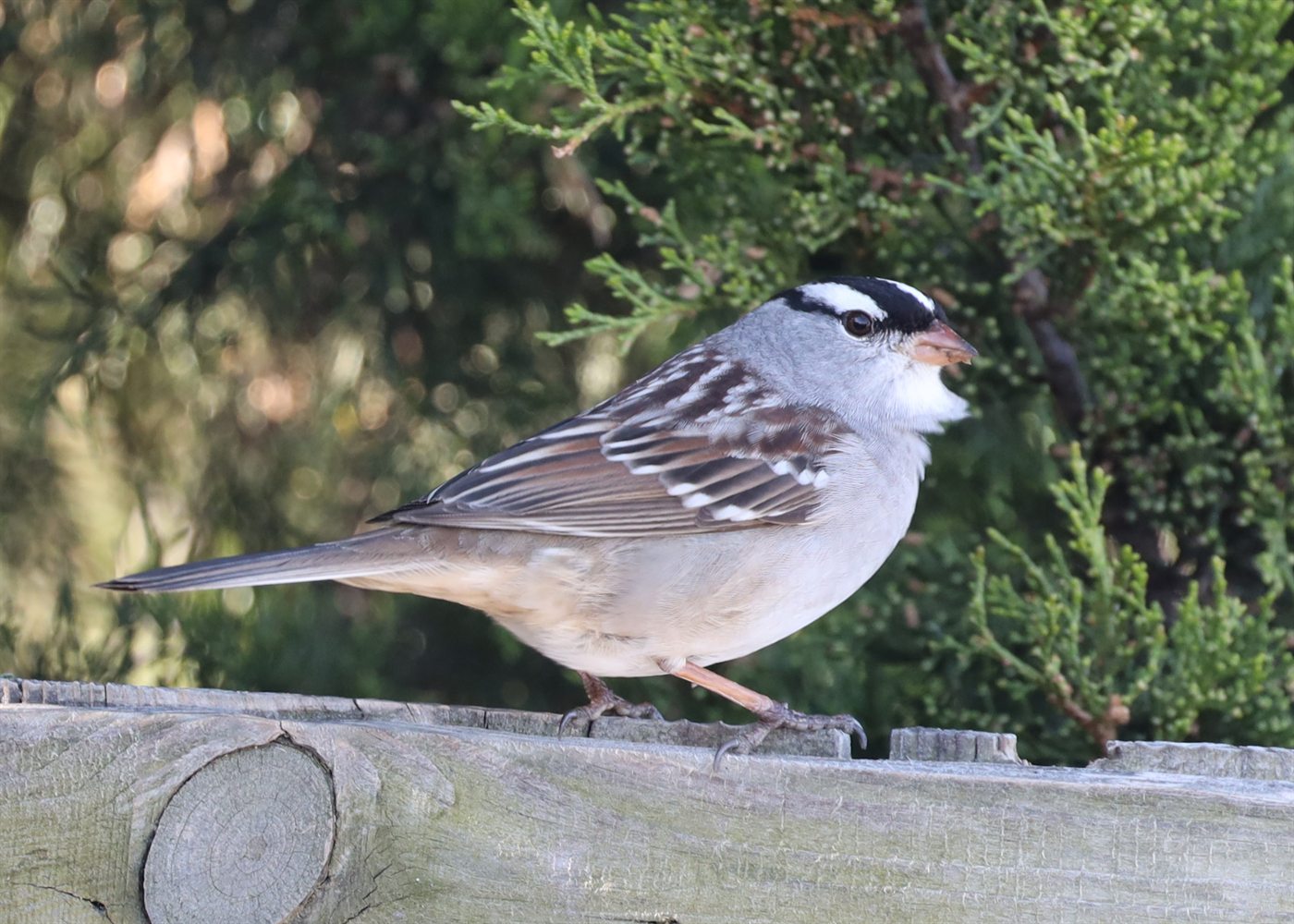
Long-billed Dowitchers probed the mud in search of food, while White-crowned Sparrows paused during migration. Trumpeter Swans added elegance to the landscape, their size and grace impossible to overlook.
Metzger Marsh
Metzger Marsh provided yet another perspective on Lake Erie's coastal wetlands.
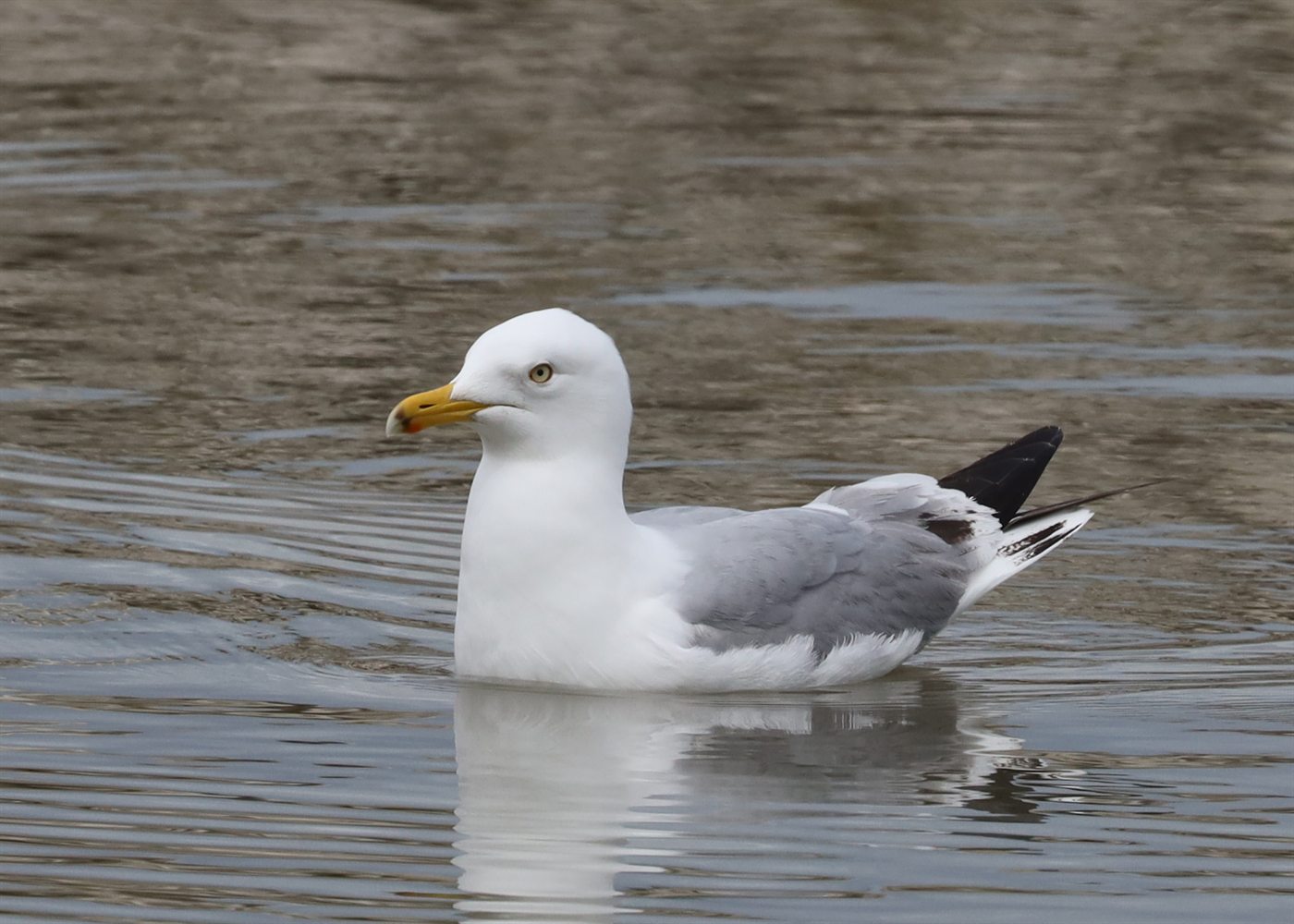
Palm Warblers moved among shoreline vegetation while gulls and waterfowl occupied the open water. Bald Eagles served as reminders that these marshes support an entire food web, from tiny insects to top predators.
The expansive views contrasted sharply with Magee's intimate woodland setting.
Maumee Bay State Park
At Maumee Bay State Park, the weather played an important role in shaping our observations.
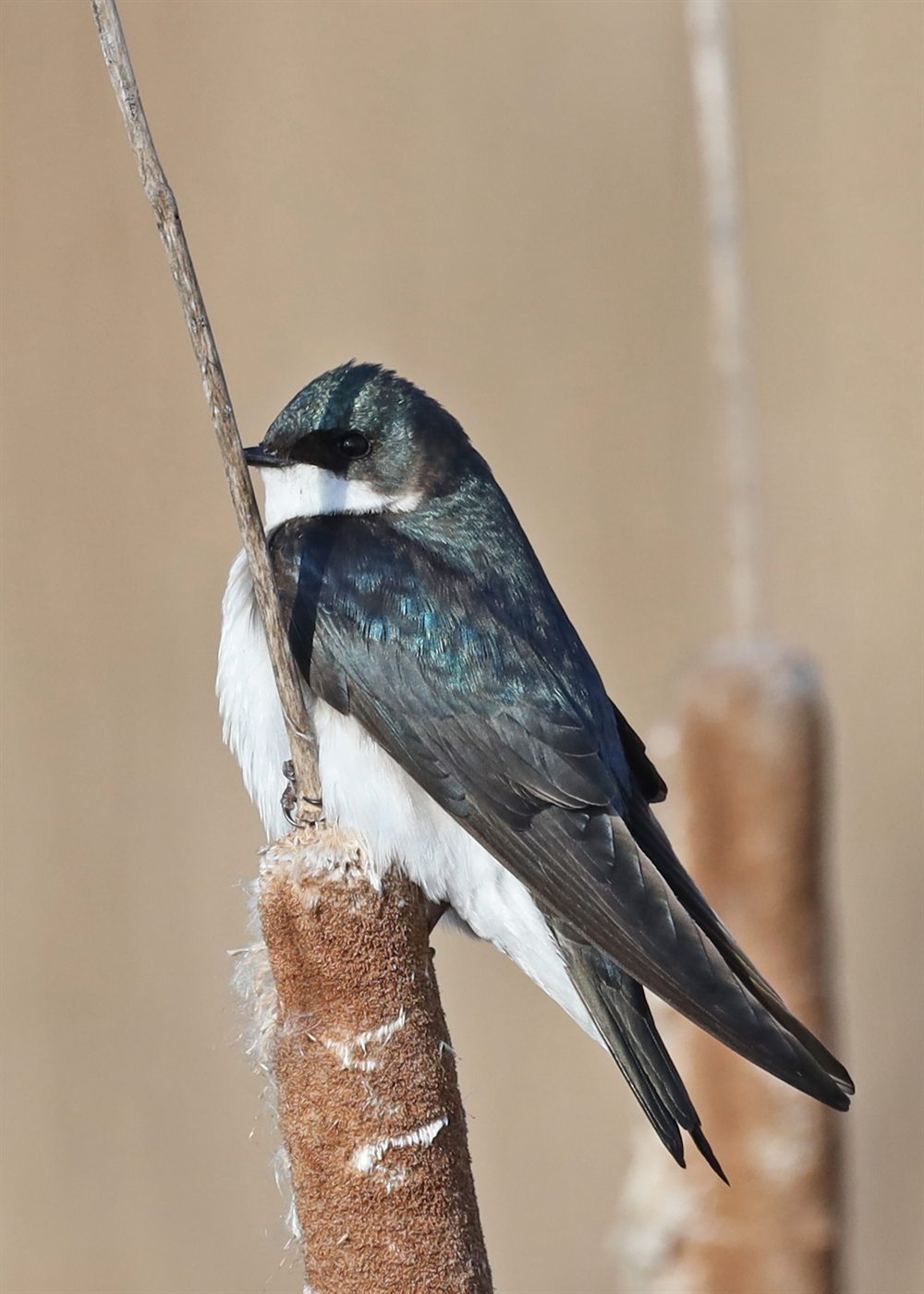
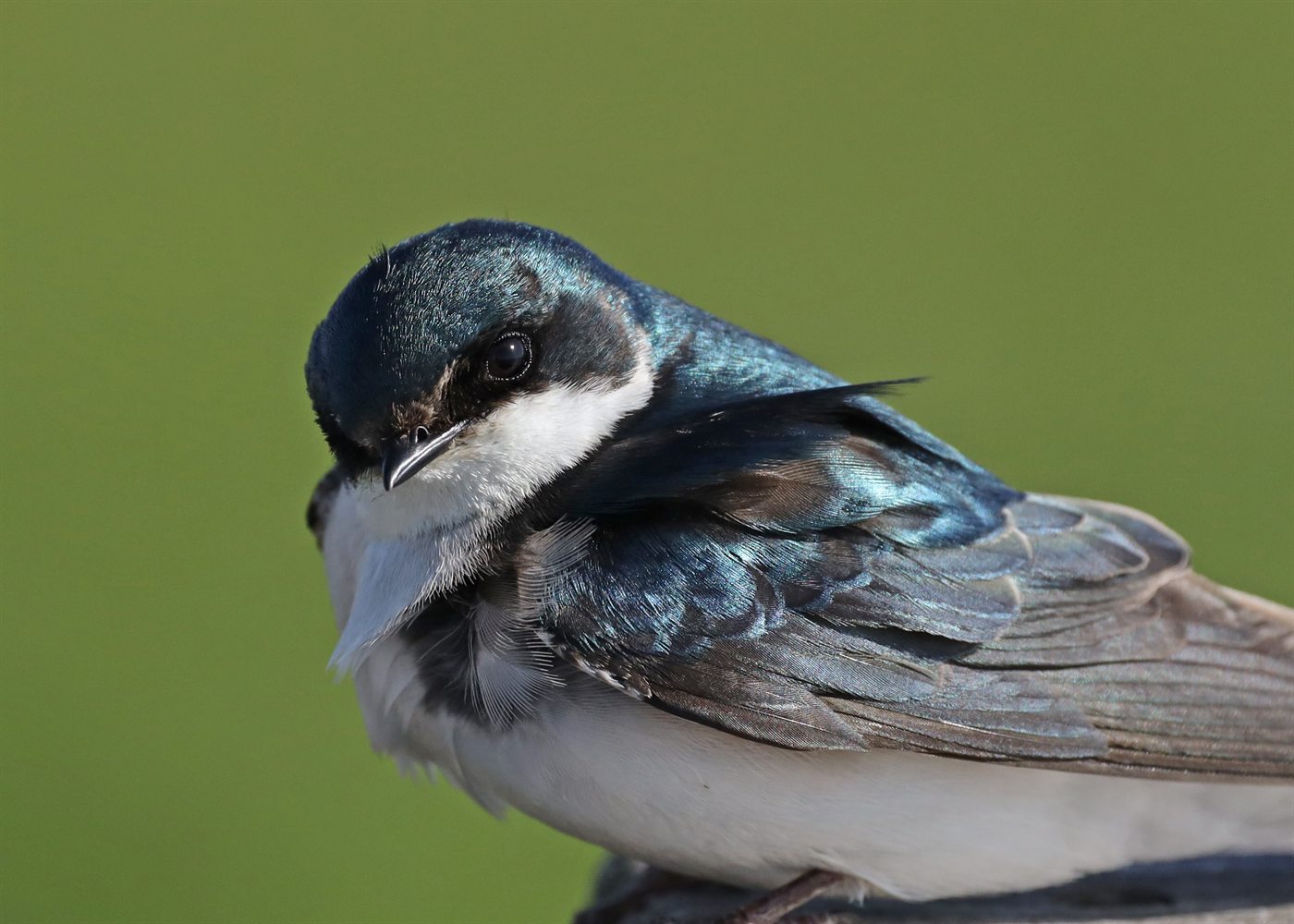
Cold mornings concentrated Tree Swallows over the marsh. At times they flew directly between us, so close that the rush of their wings could be heard as they hunted insects just above the water.
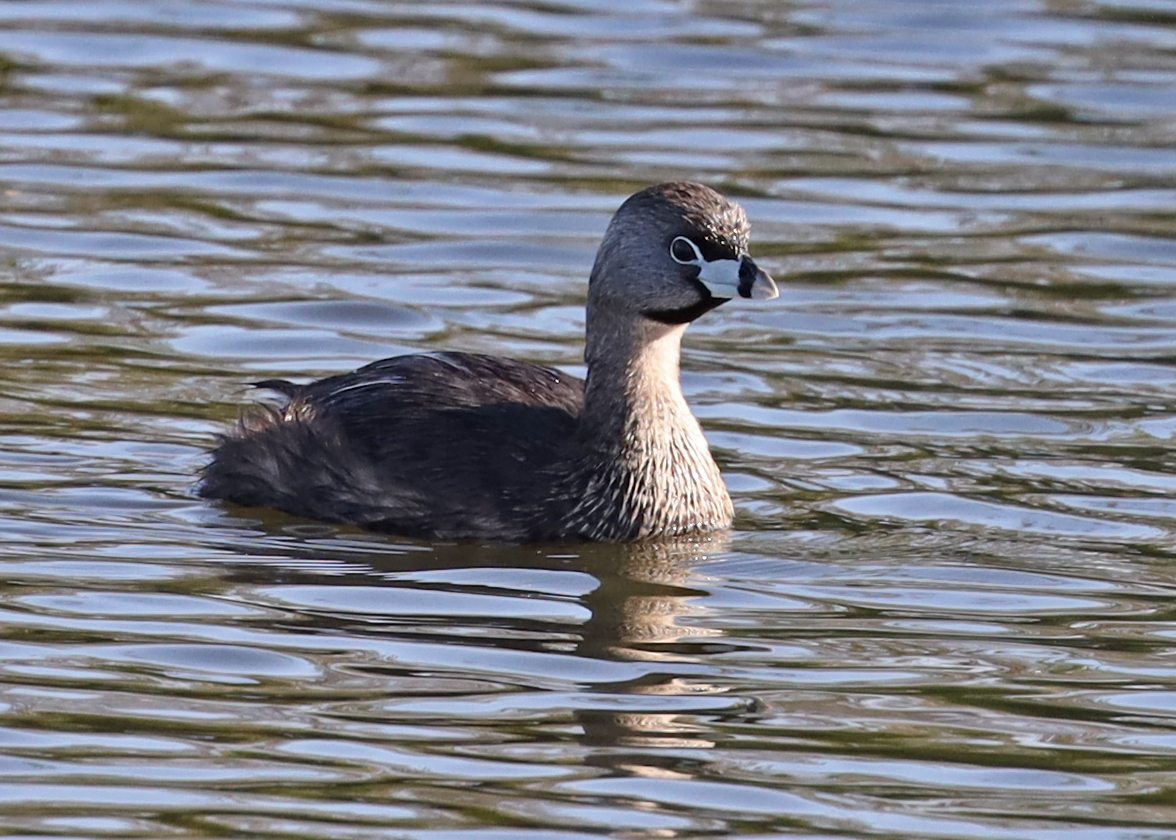
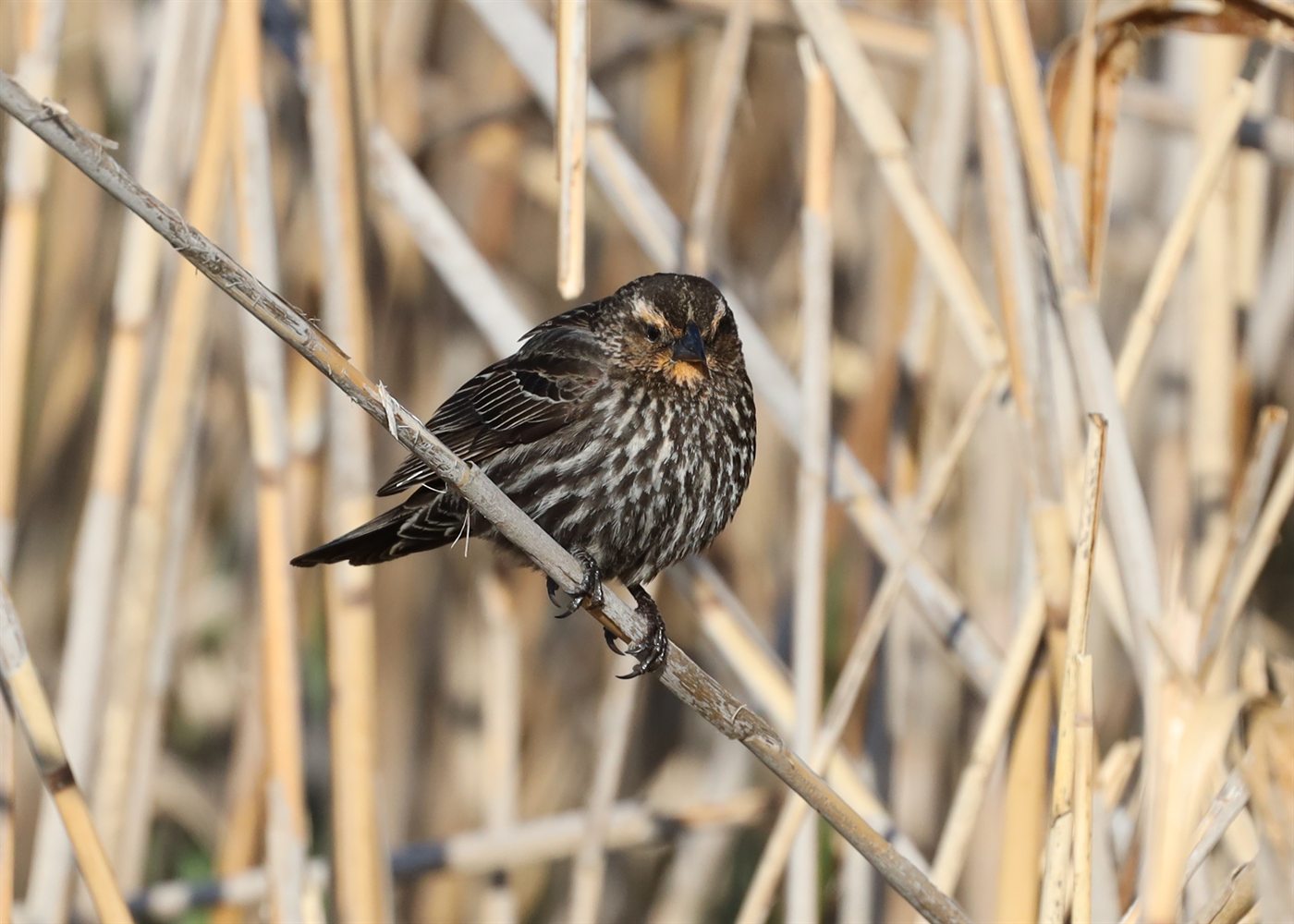
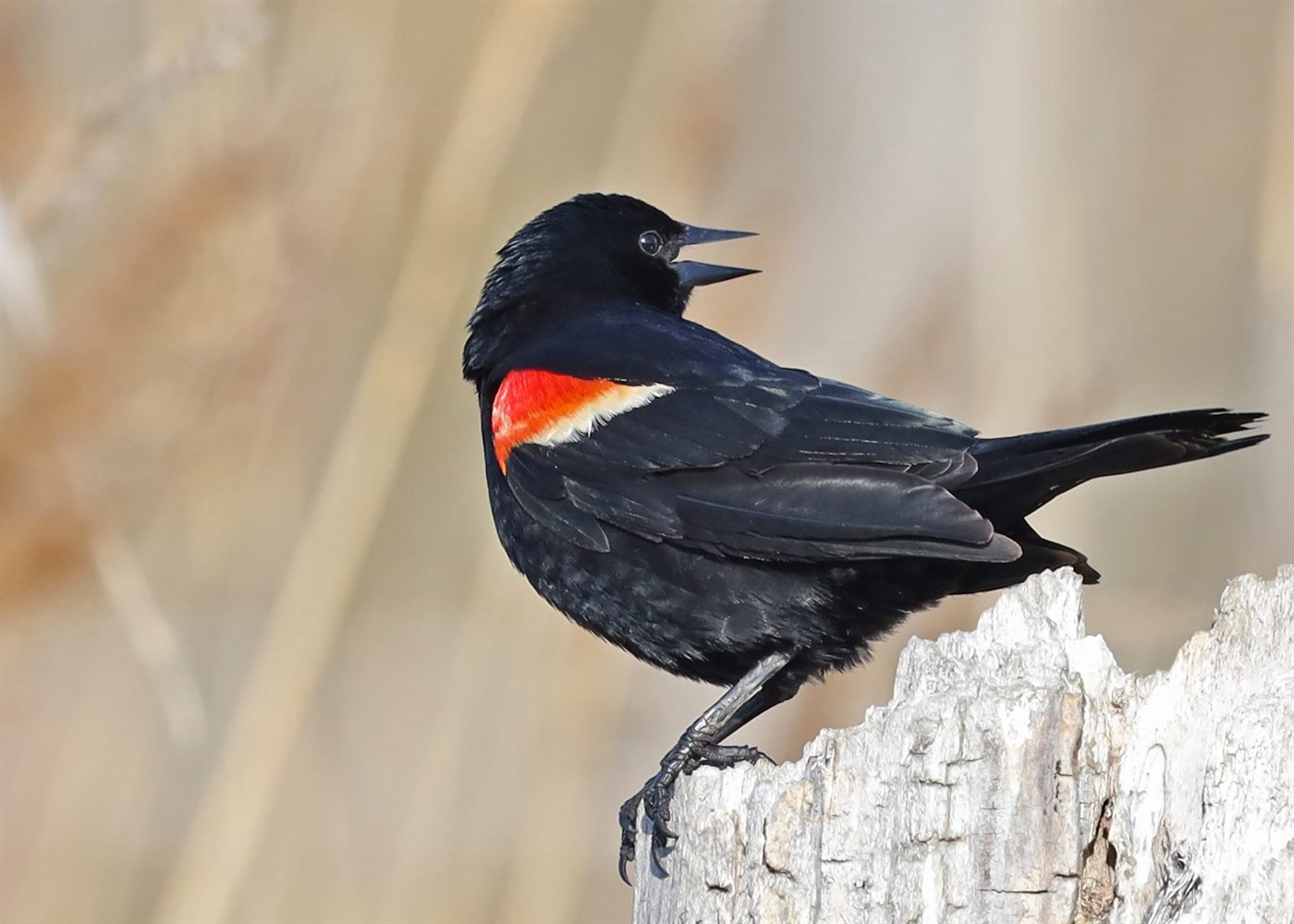
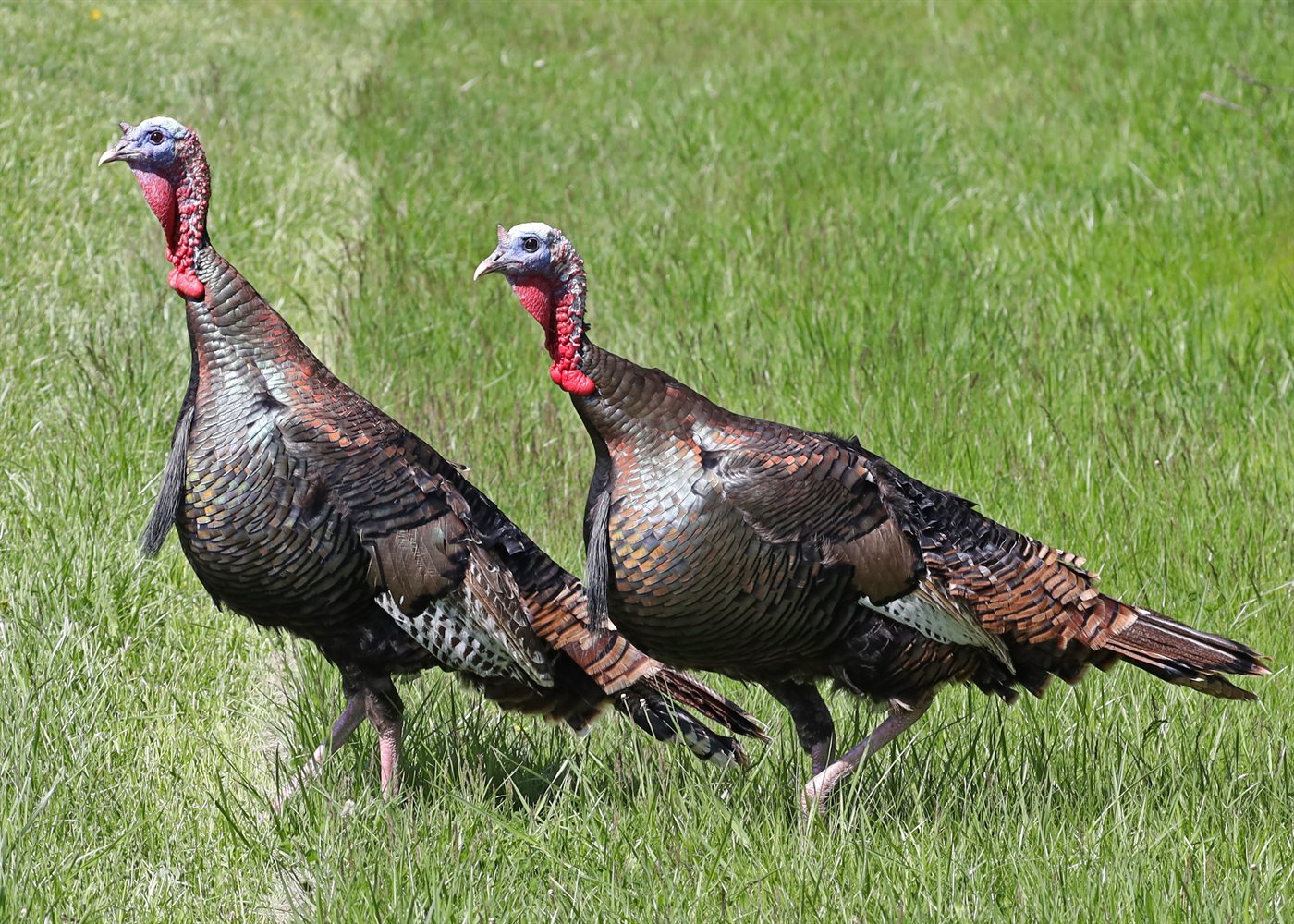
Wild Turkeys added a touch of unexpected drama, while Pied-billed Grebes and Red-winged Blackbirds represented the rich diversity of marsh life.
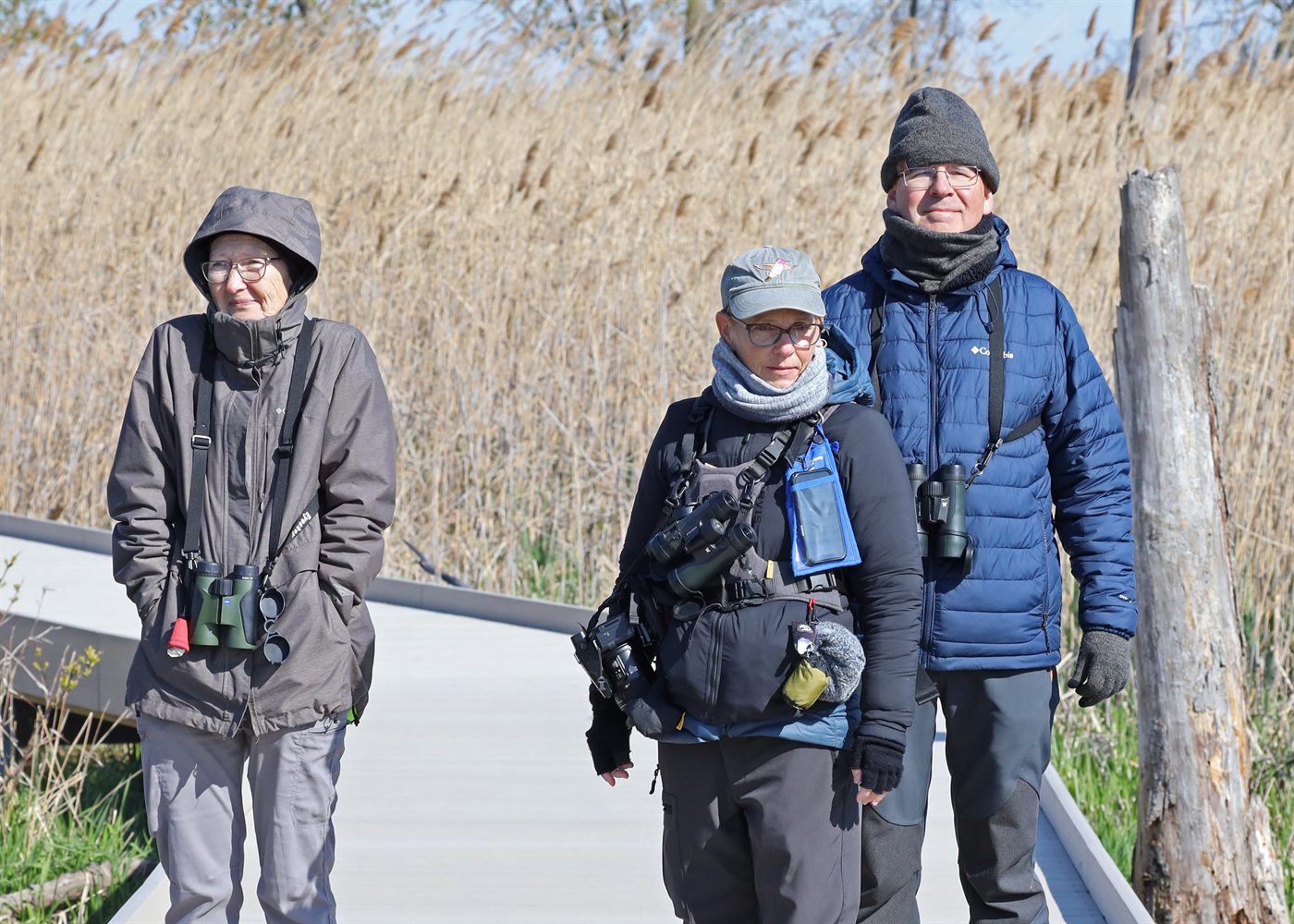
One photograph from Maumee Bay shows Laurie, Kelly, and Terry enjoying the boardwalk experience, a reminder that the trip was about more than birds alone.
Pearson Metropark
Pearson Metropark offered a quieter woodland experience.
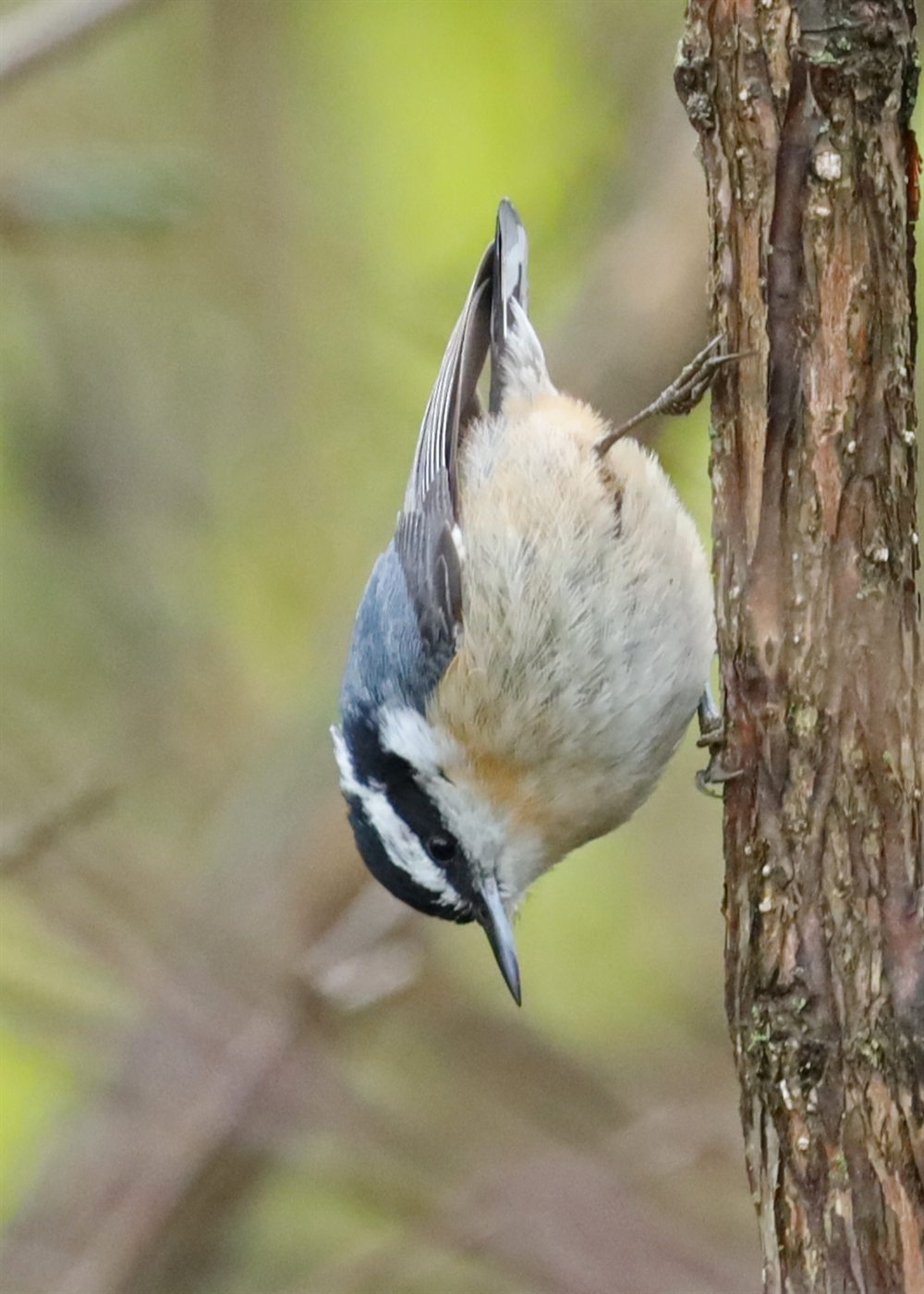
White-breasted Nuthatches, White-throated Sparrows, and Red-bellied Woodpeckers provided opportunities to slow down and appreciate species that might otherwise be overlooked amid the excitement of migration.
The park served as a pleasant contrast to the crowds and intensity of Magee Marsh.
Blackberry Corner
Every birding destination has its gathering place.
For us, that place was Blackberry Corner in Oregon, Ohio. Even before the Biggest Week in American Birding Festival officially began, the restaurant was filled with birders. Lunch conversations frequently centered on sightings, migration forecasts, and reports from various hotspots along the shoreline.
It became a place to compare notes, celebrate discoveries, and plan the next day's adventures.
Reflections Along the Flyway
Looking back, the trip was about much more than a species list.
It was about sharing experiences with friends. Laurie, Kelly, Terry, and I spent each day exploring new locations, helping one another locate birds, and enjoying one of North America's great migration spectacles.
Most of all, it was about witnessing migration as a living process. From the relatively quiet woods of May 2 to the vibrant diversity of May 7, we watched the forest change before our eyes.
The birds continued north after we left, bound for breeding grounds across Canada and the northern United States. Yet the memories remain: a Blackburnian Warbler glowing among spring leaves, Tree Swallows sweeping low across a marsh, Dunlin feeding on windblown mudflats, and four friends sharing a week on Ohio's migration highway.
The 1,097-mile journey was well worth the drive.