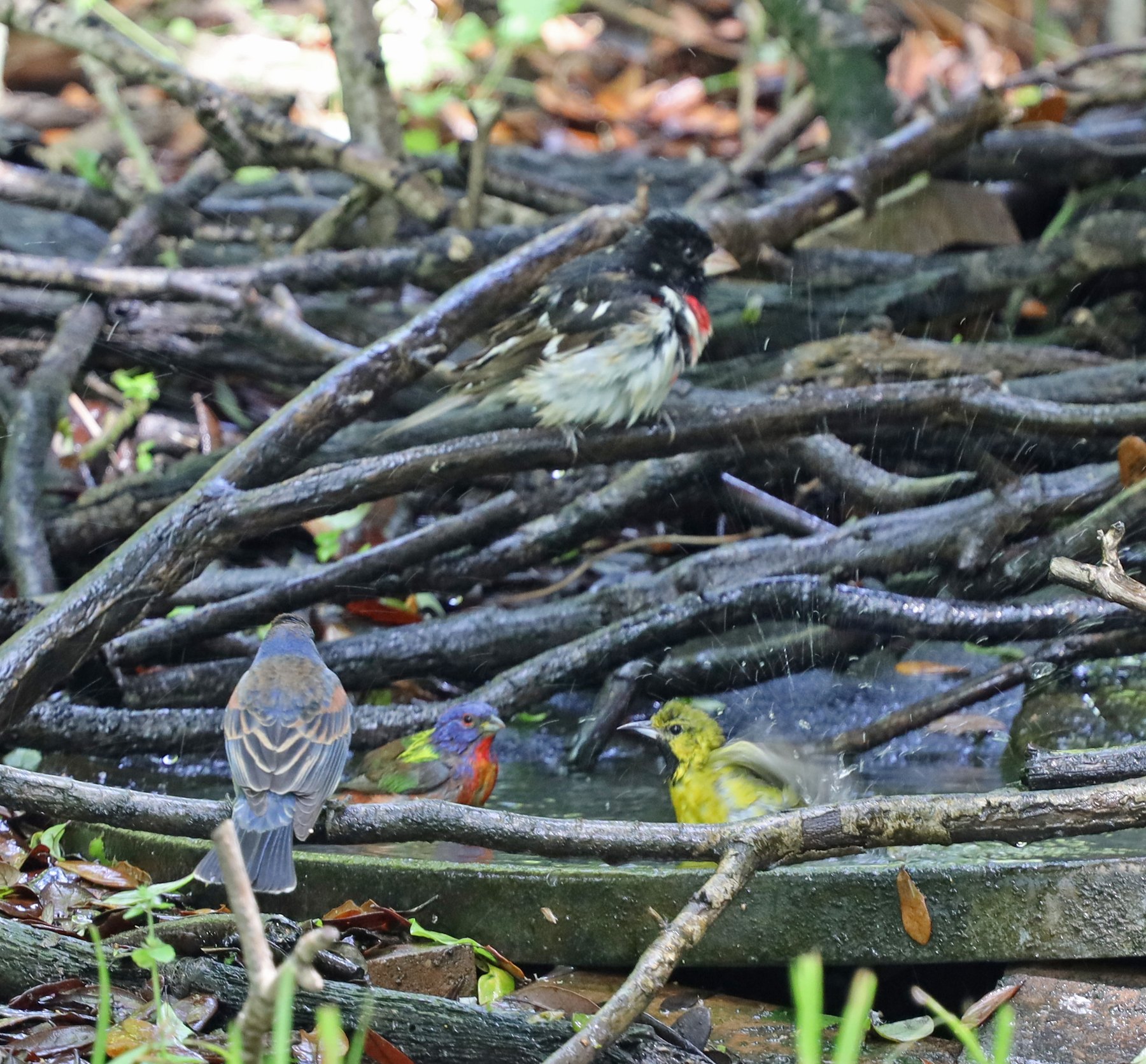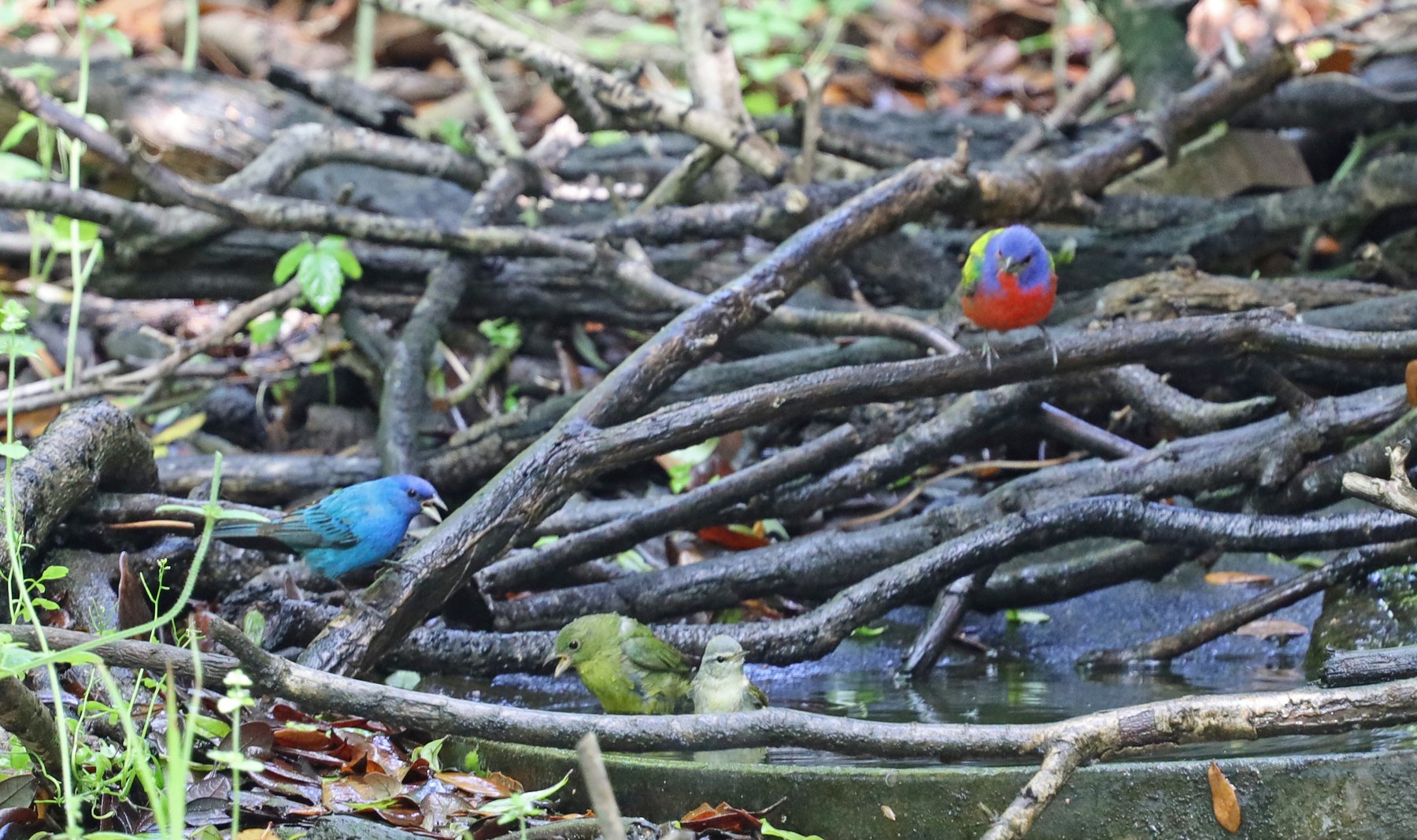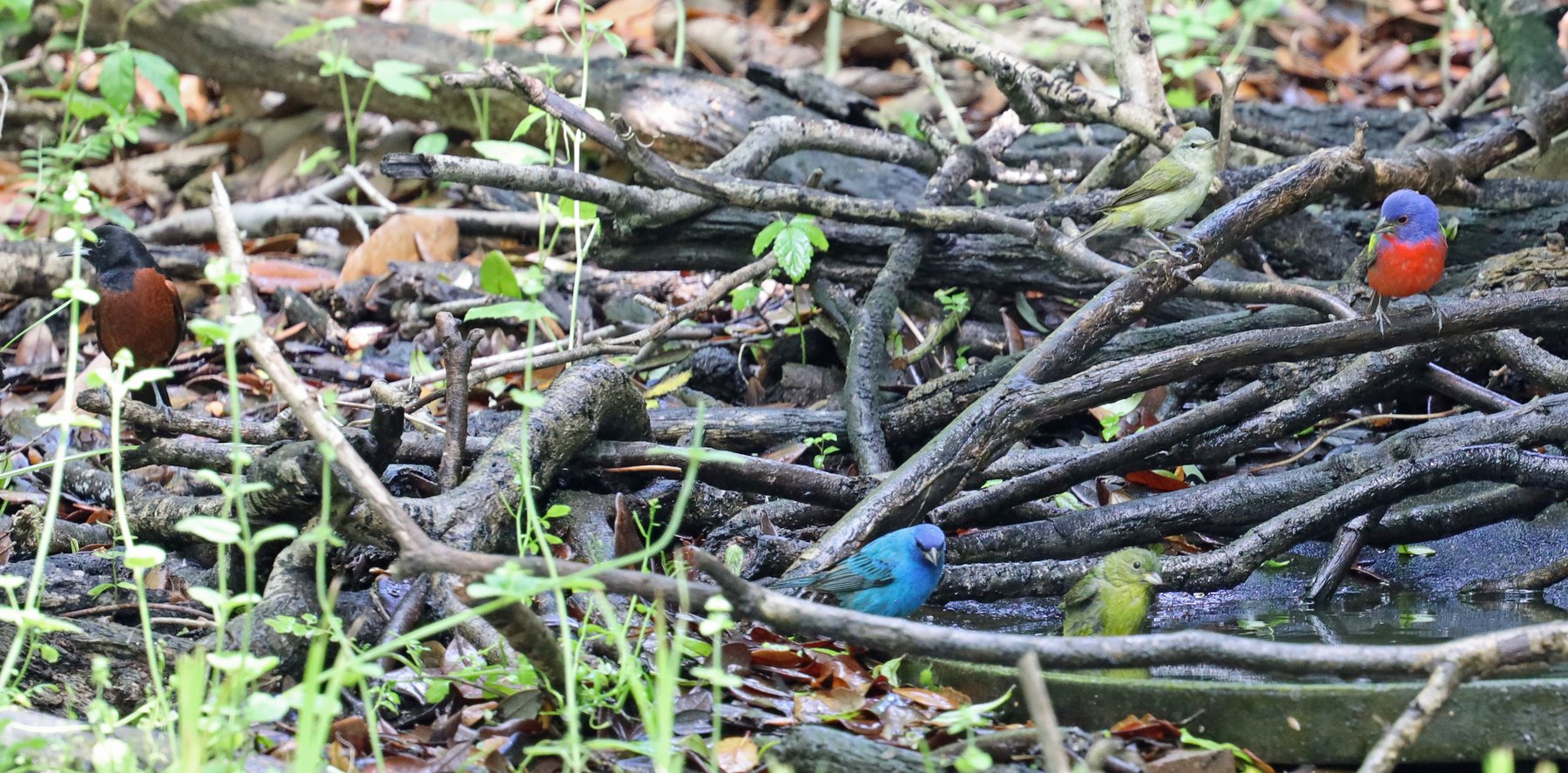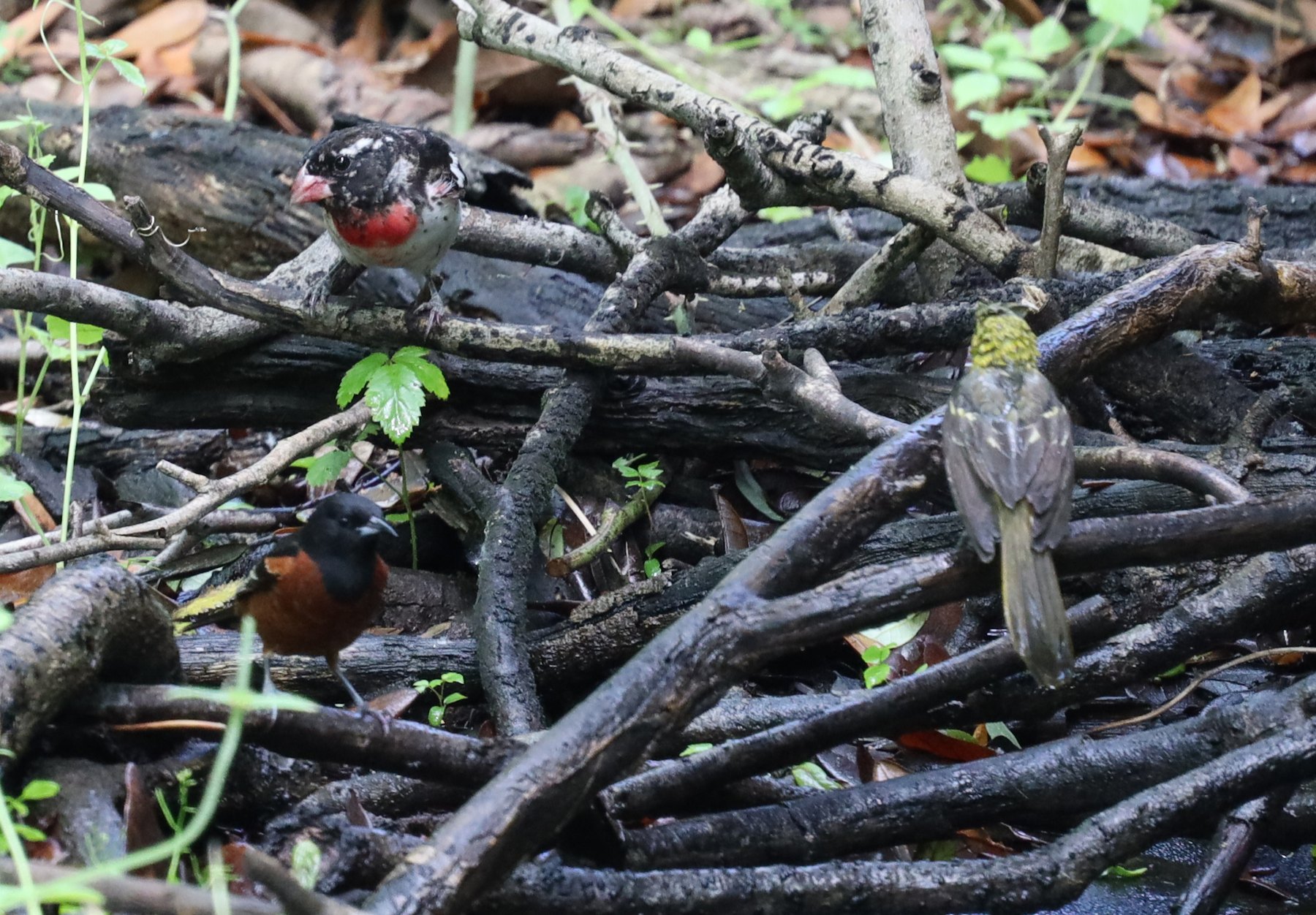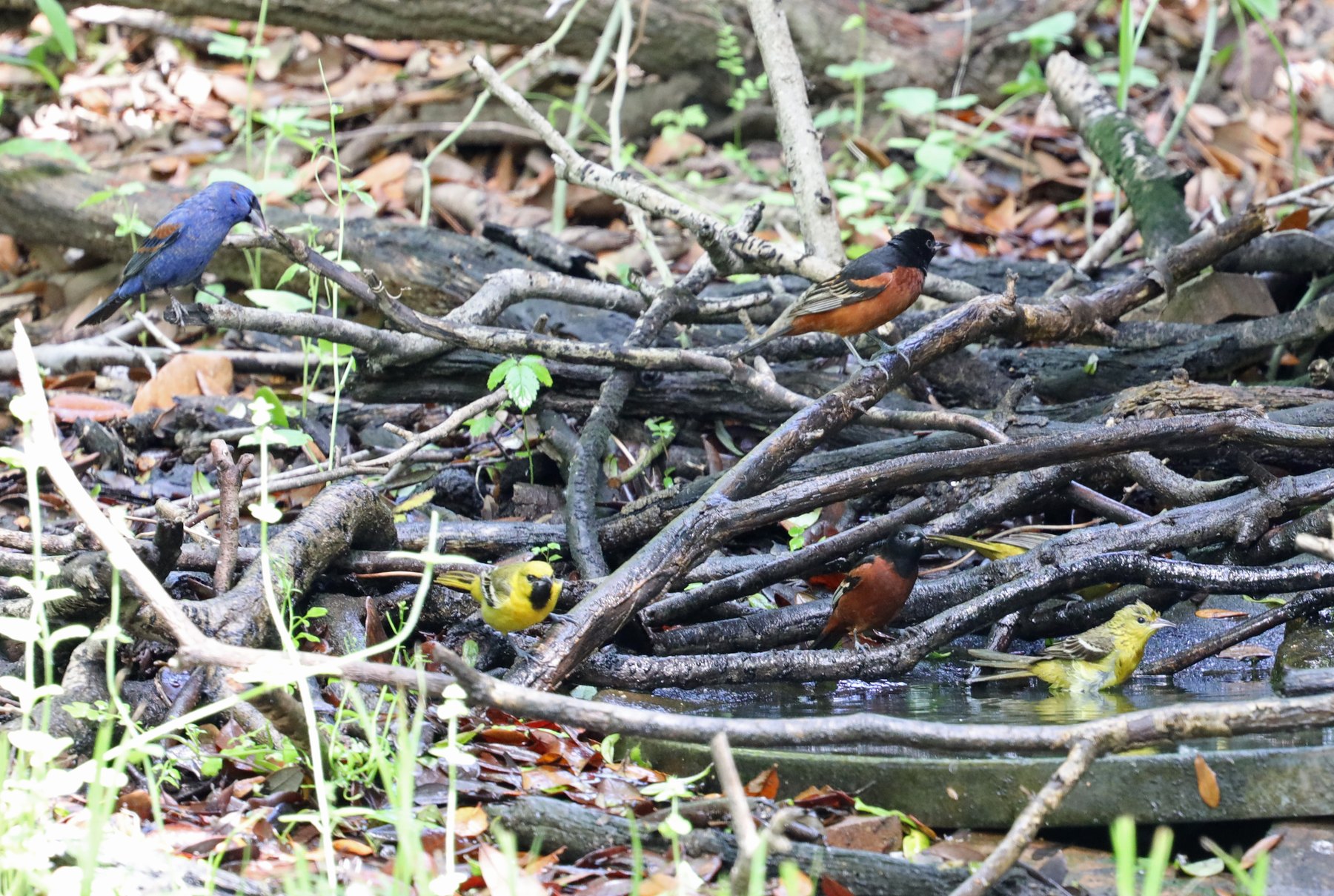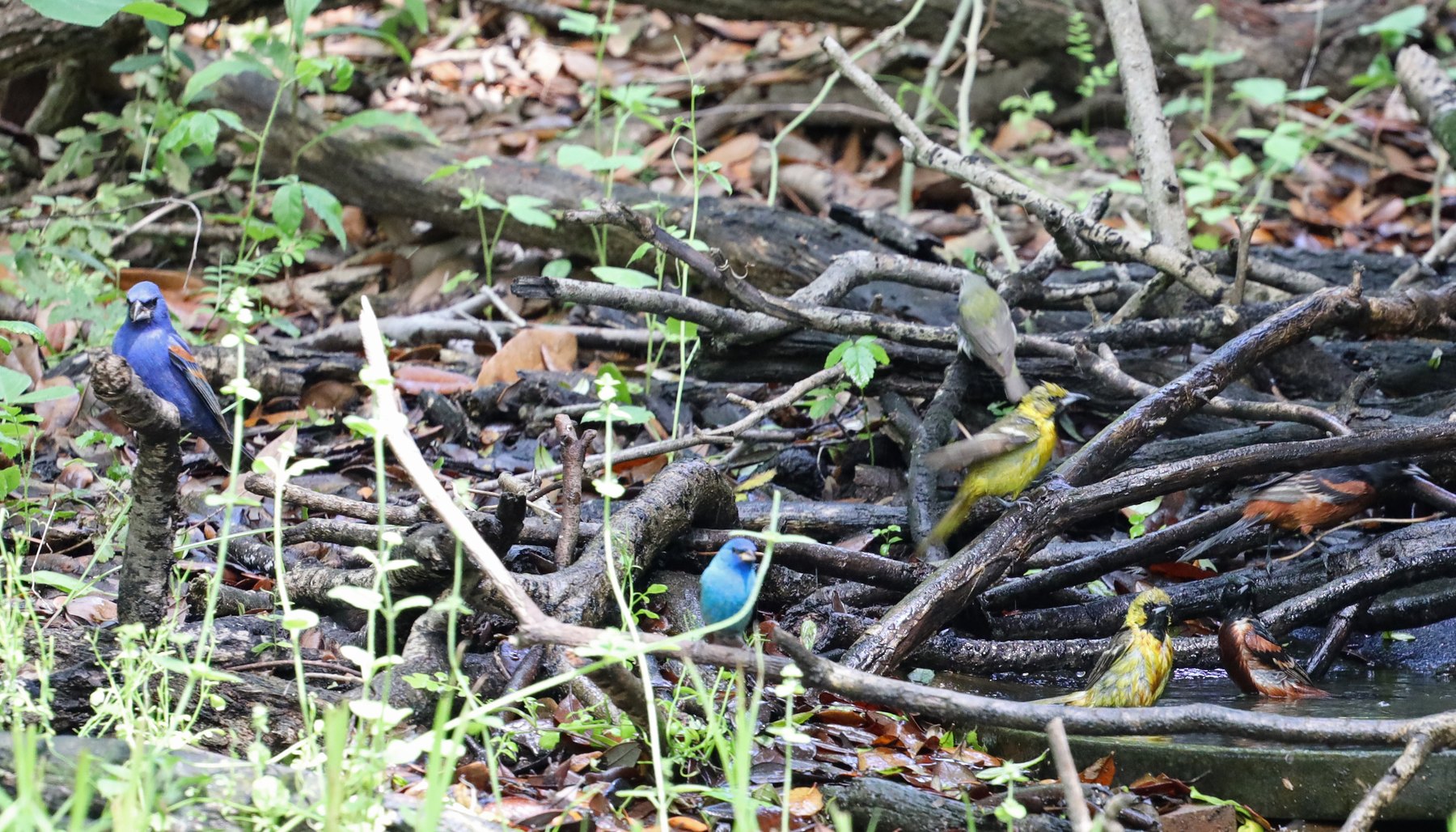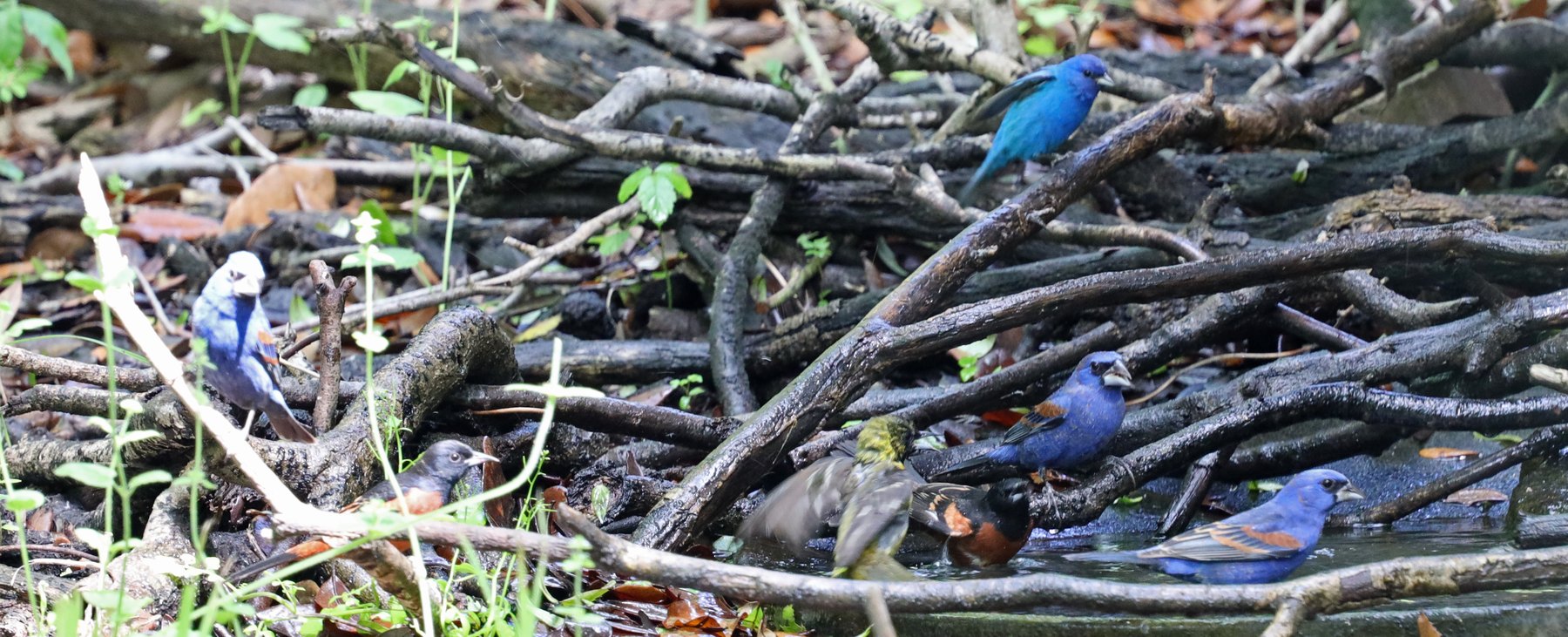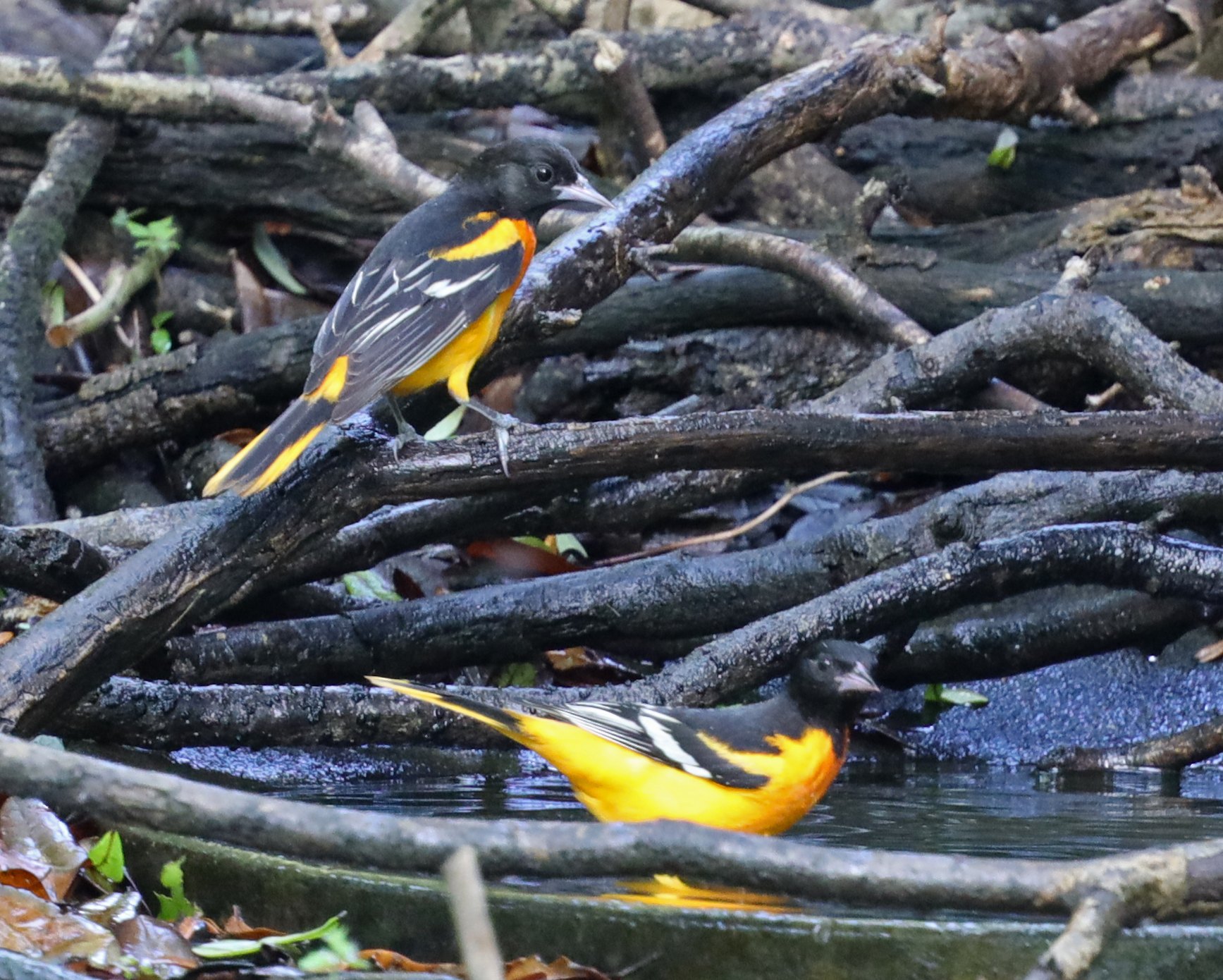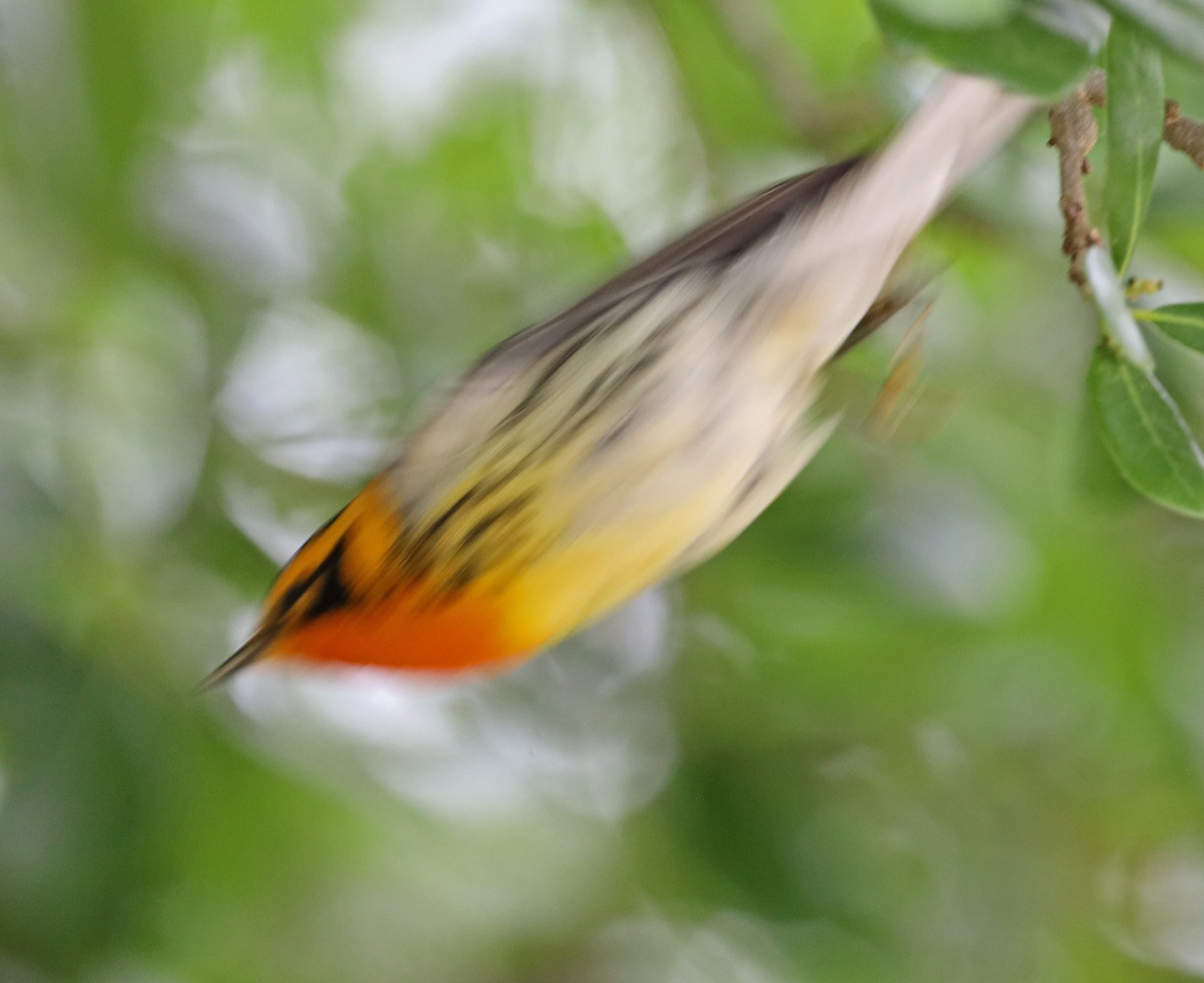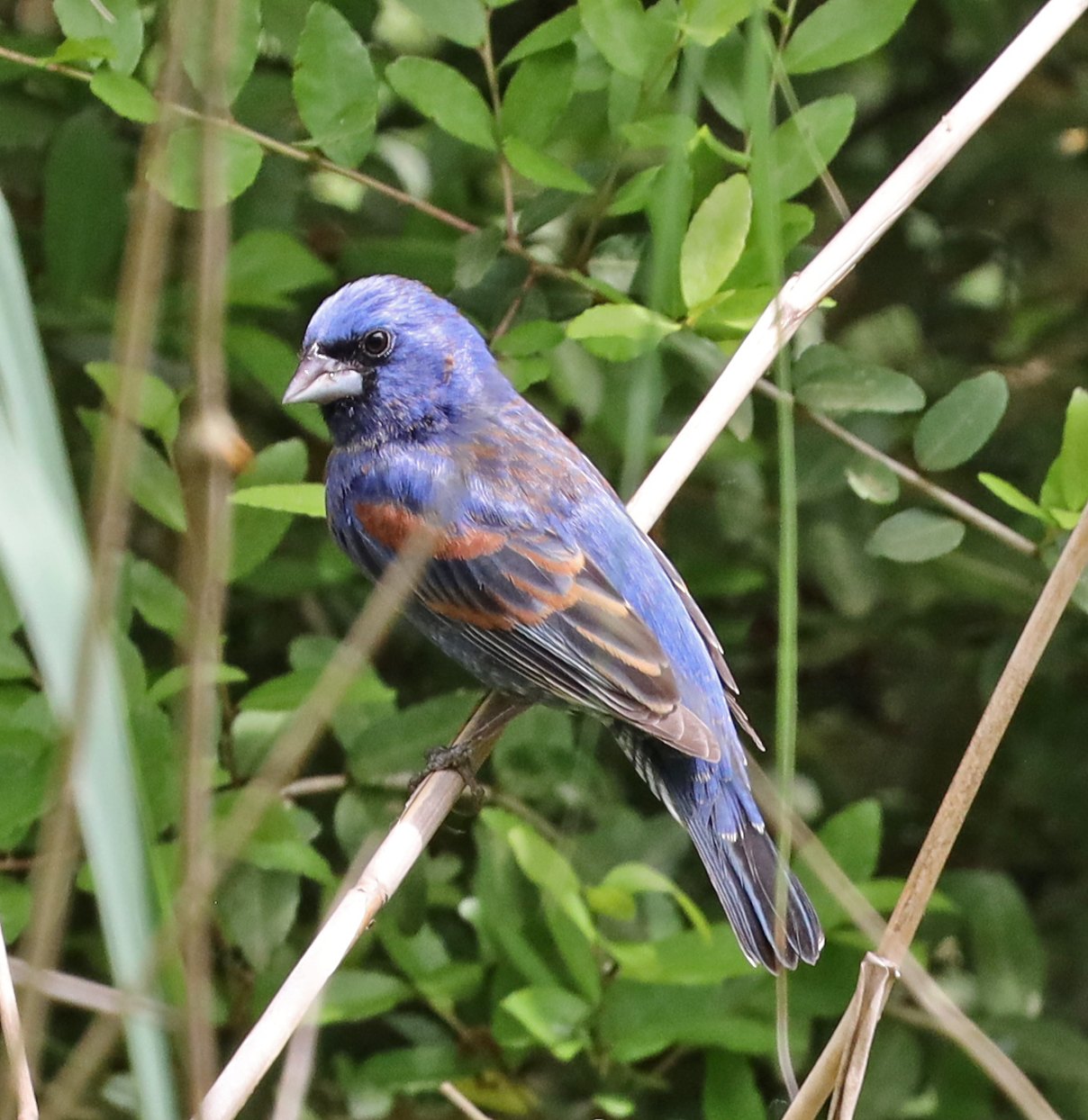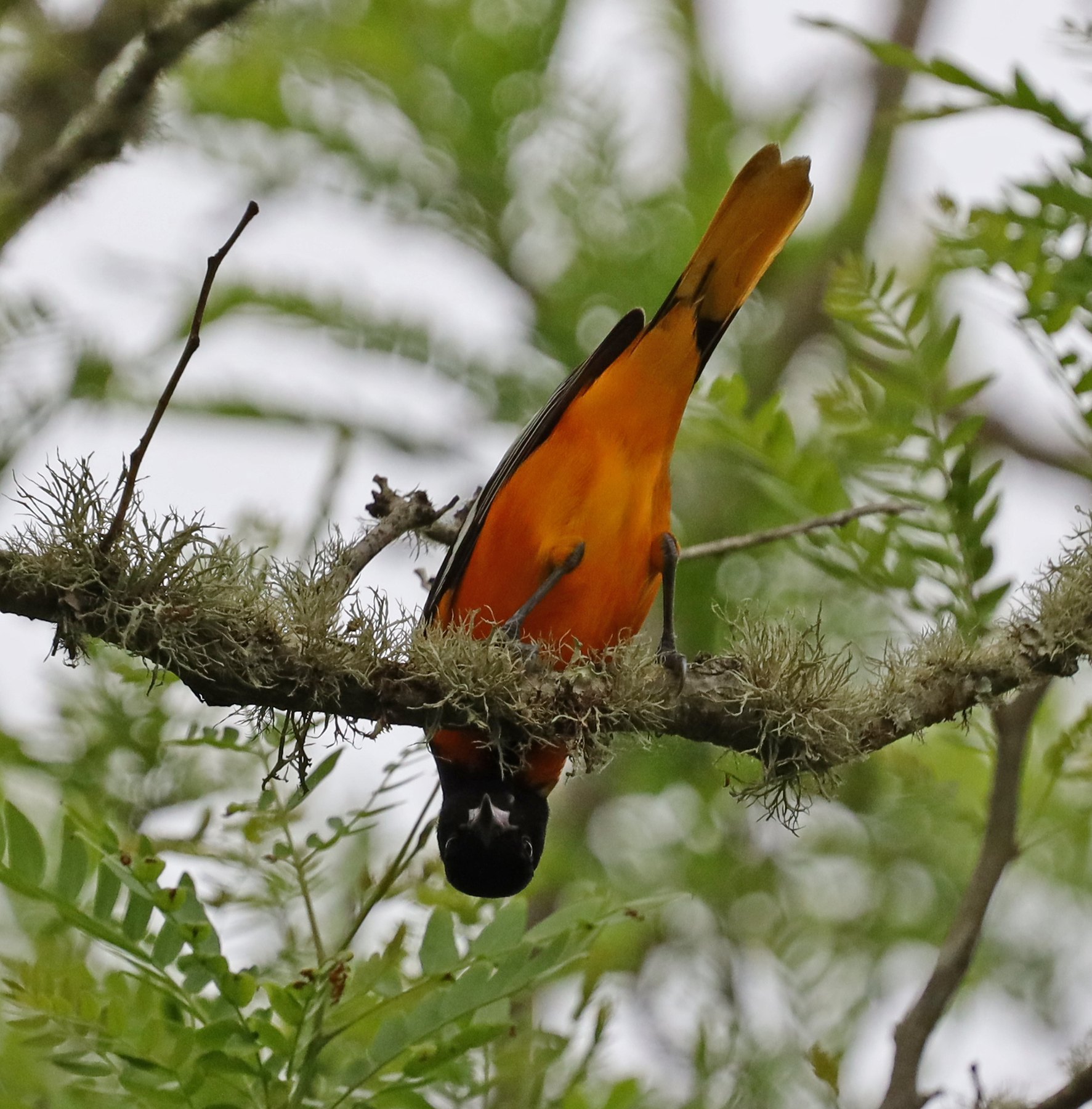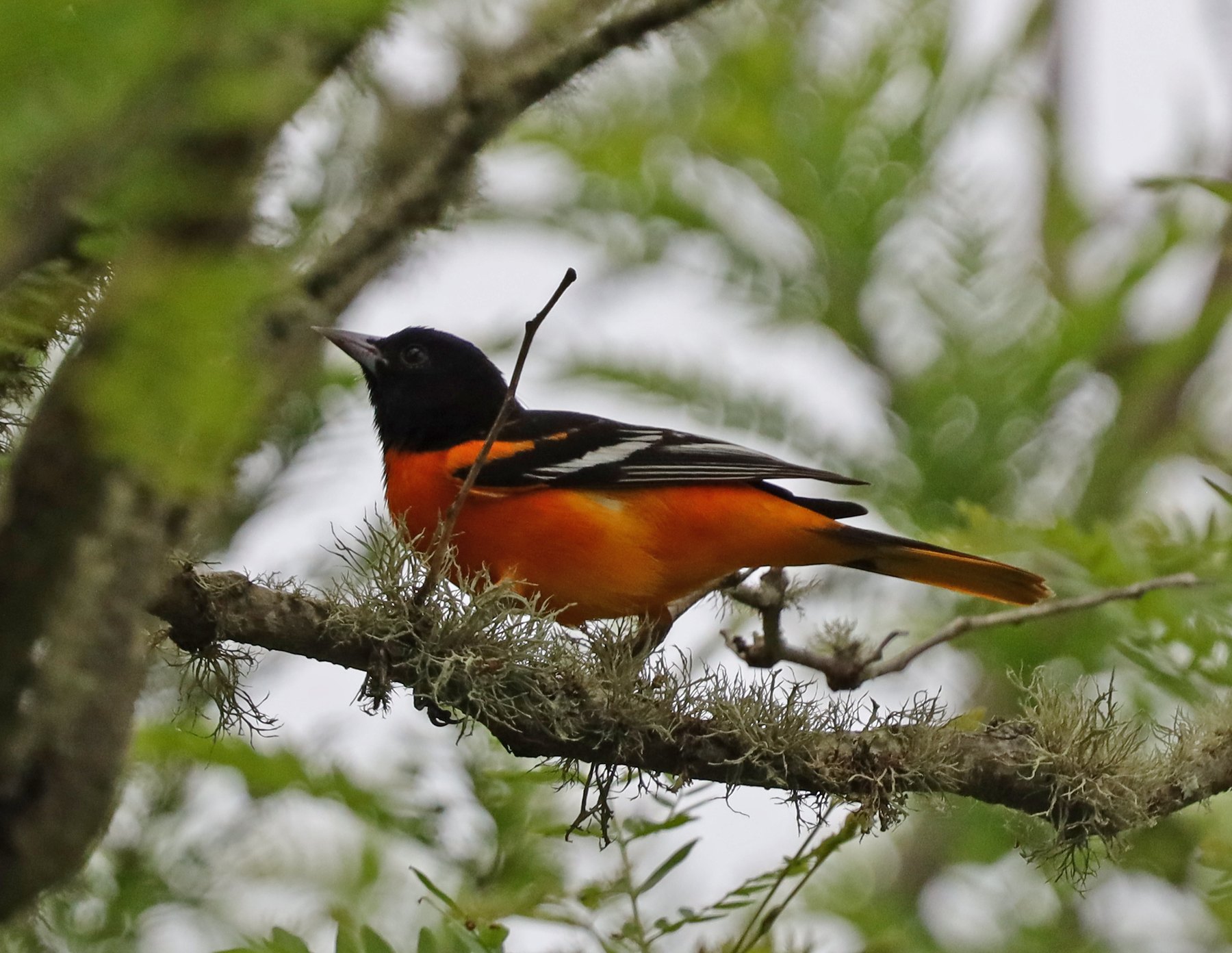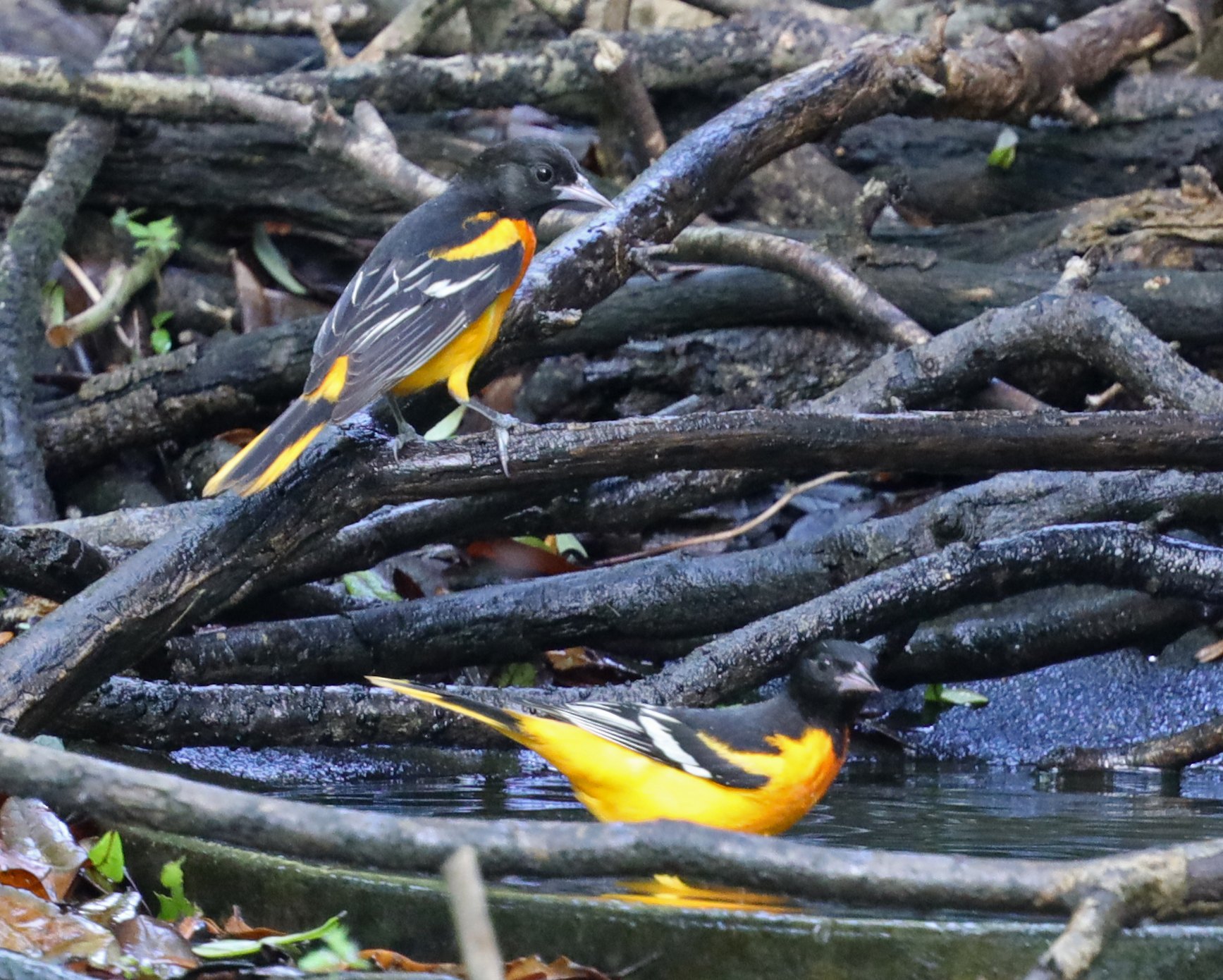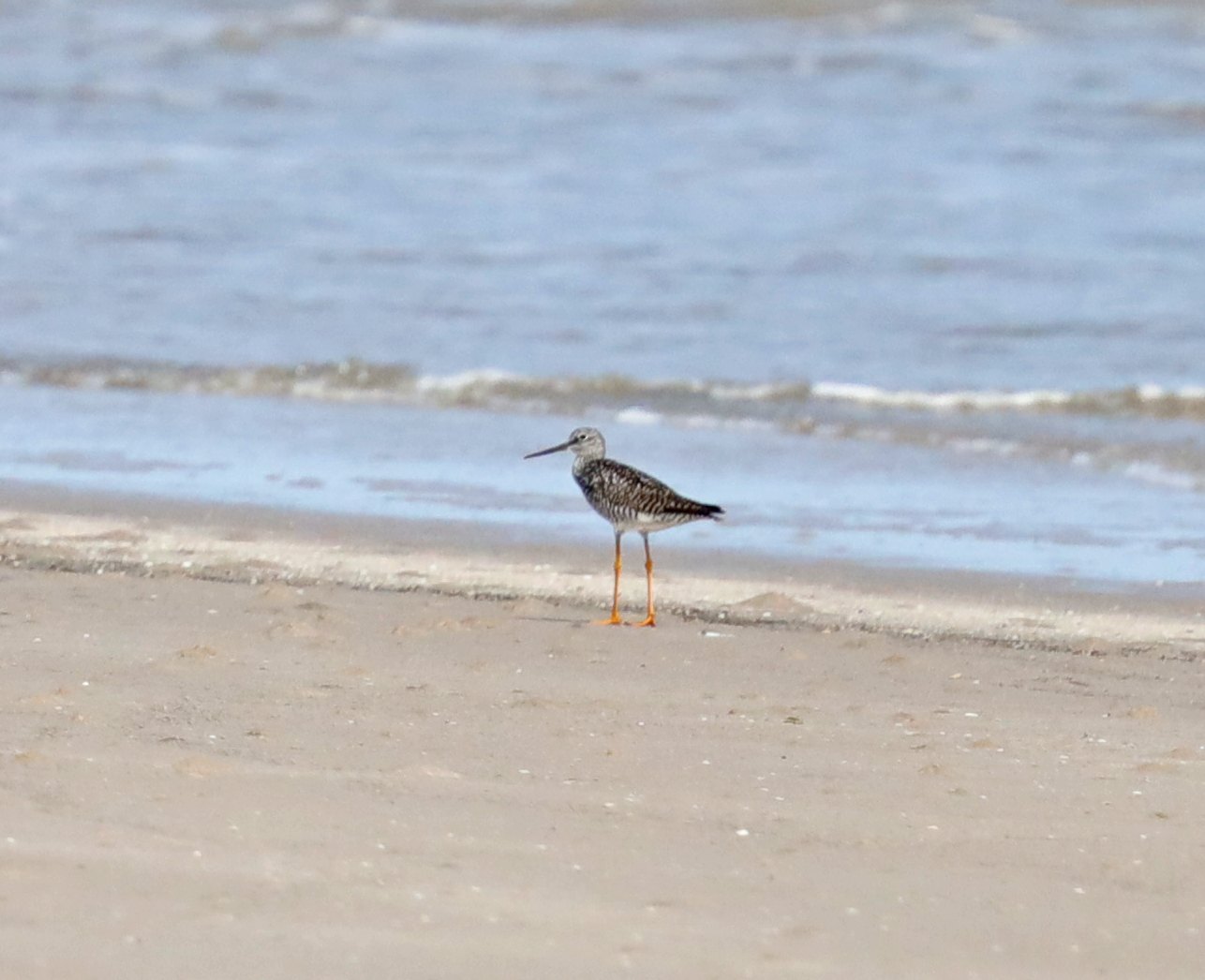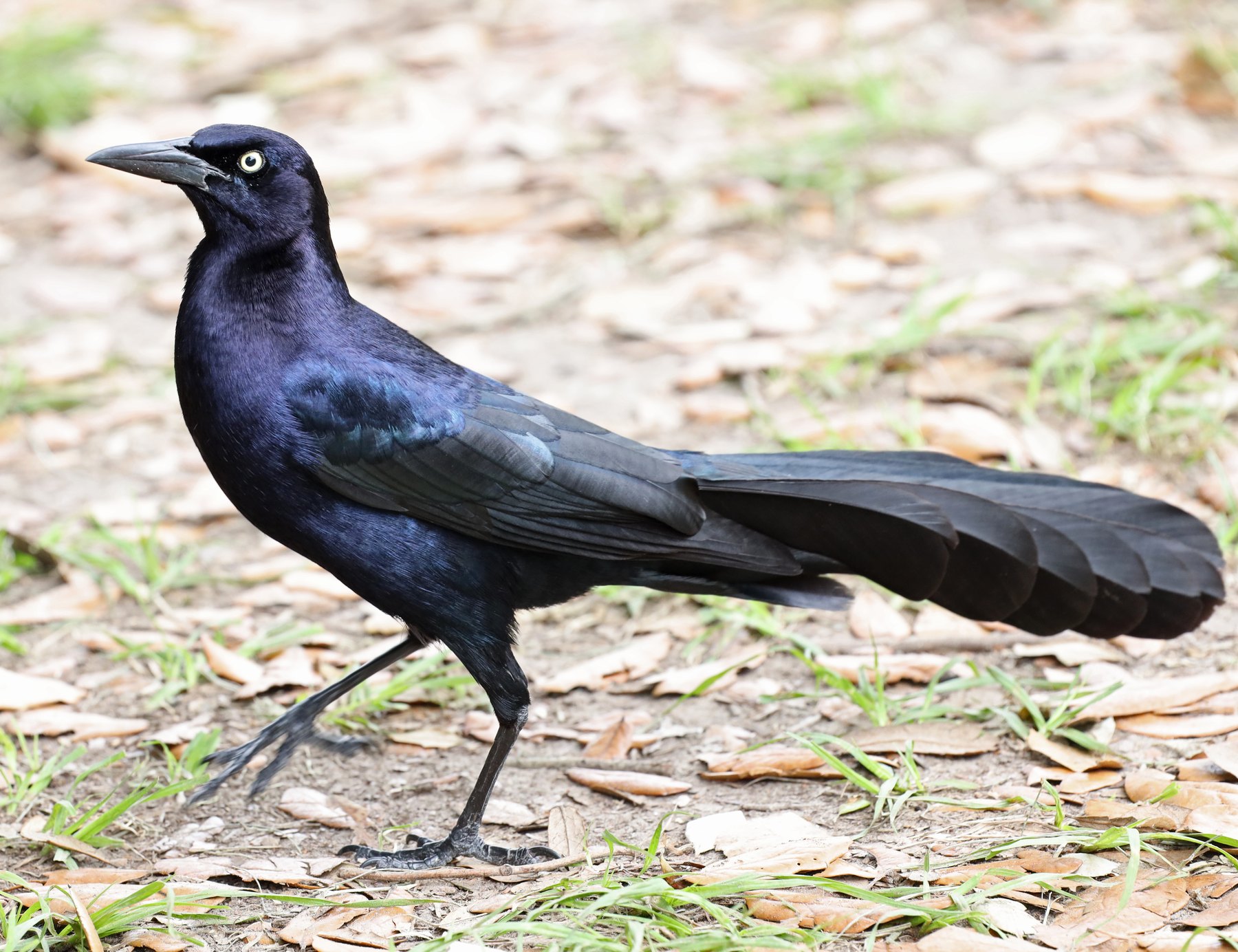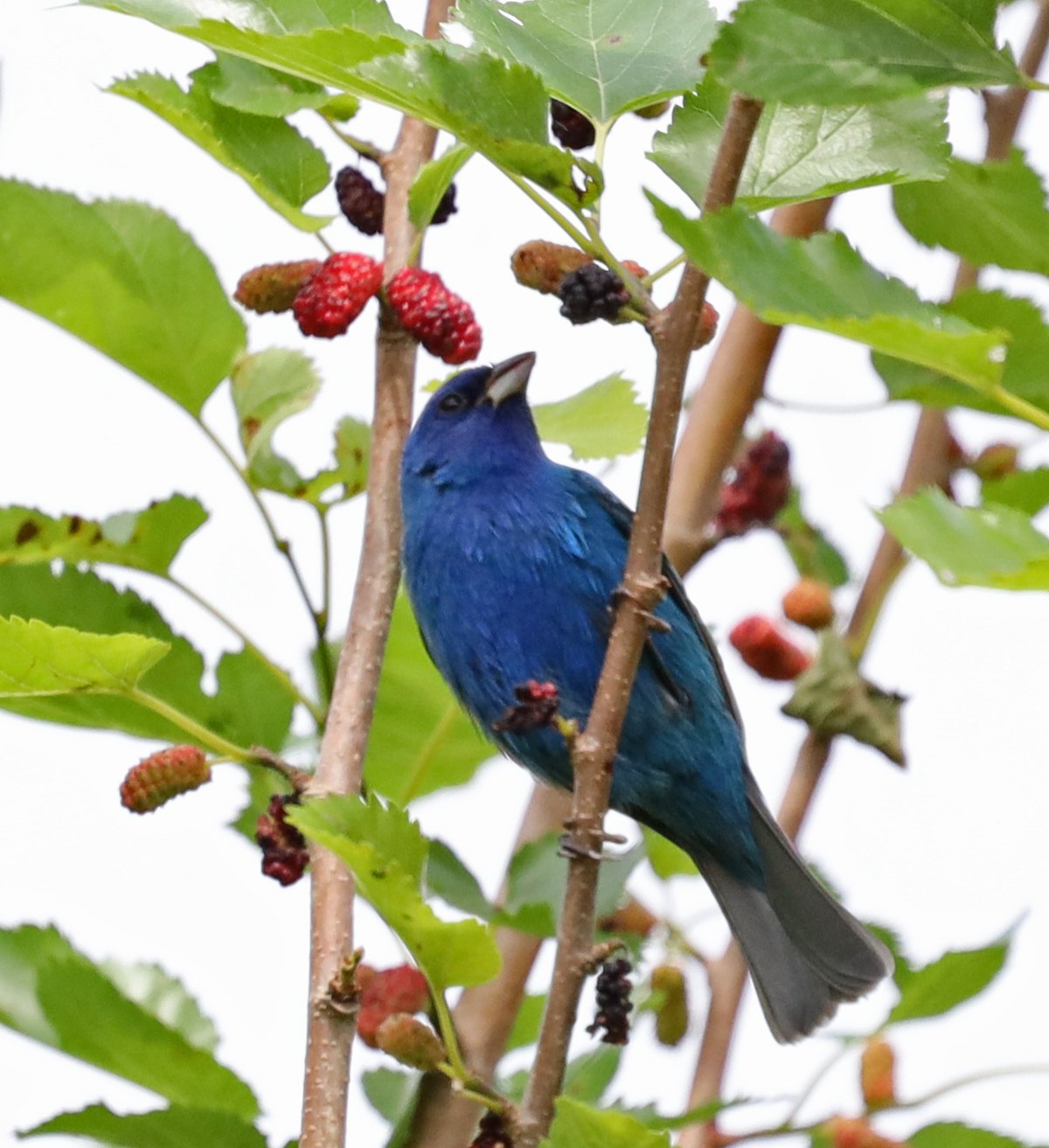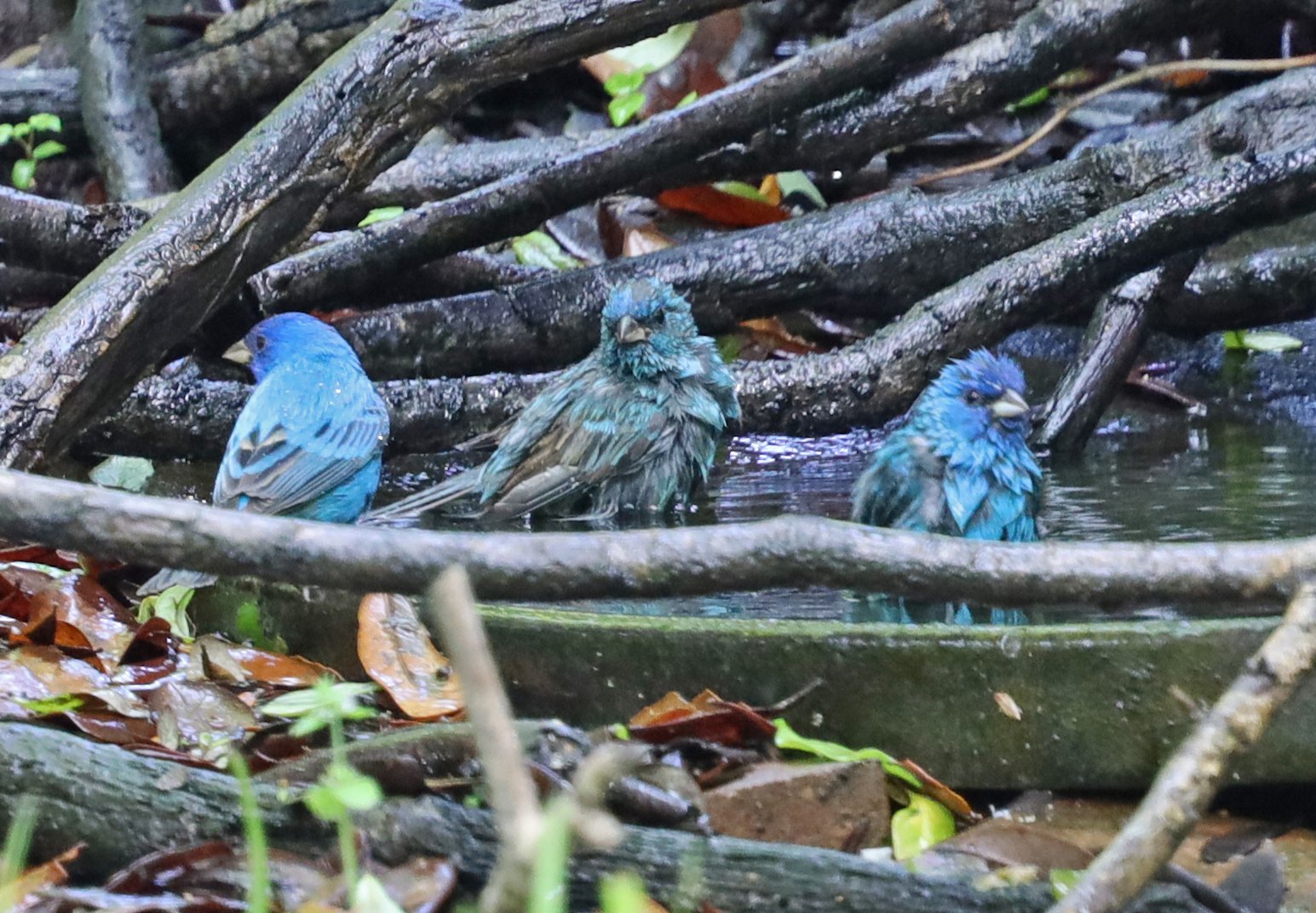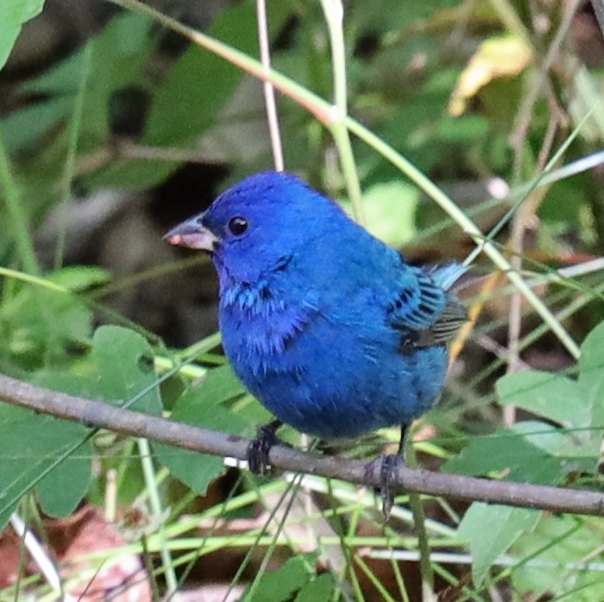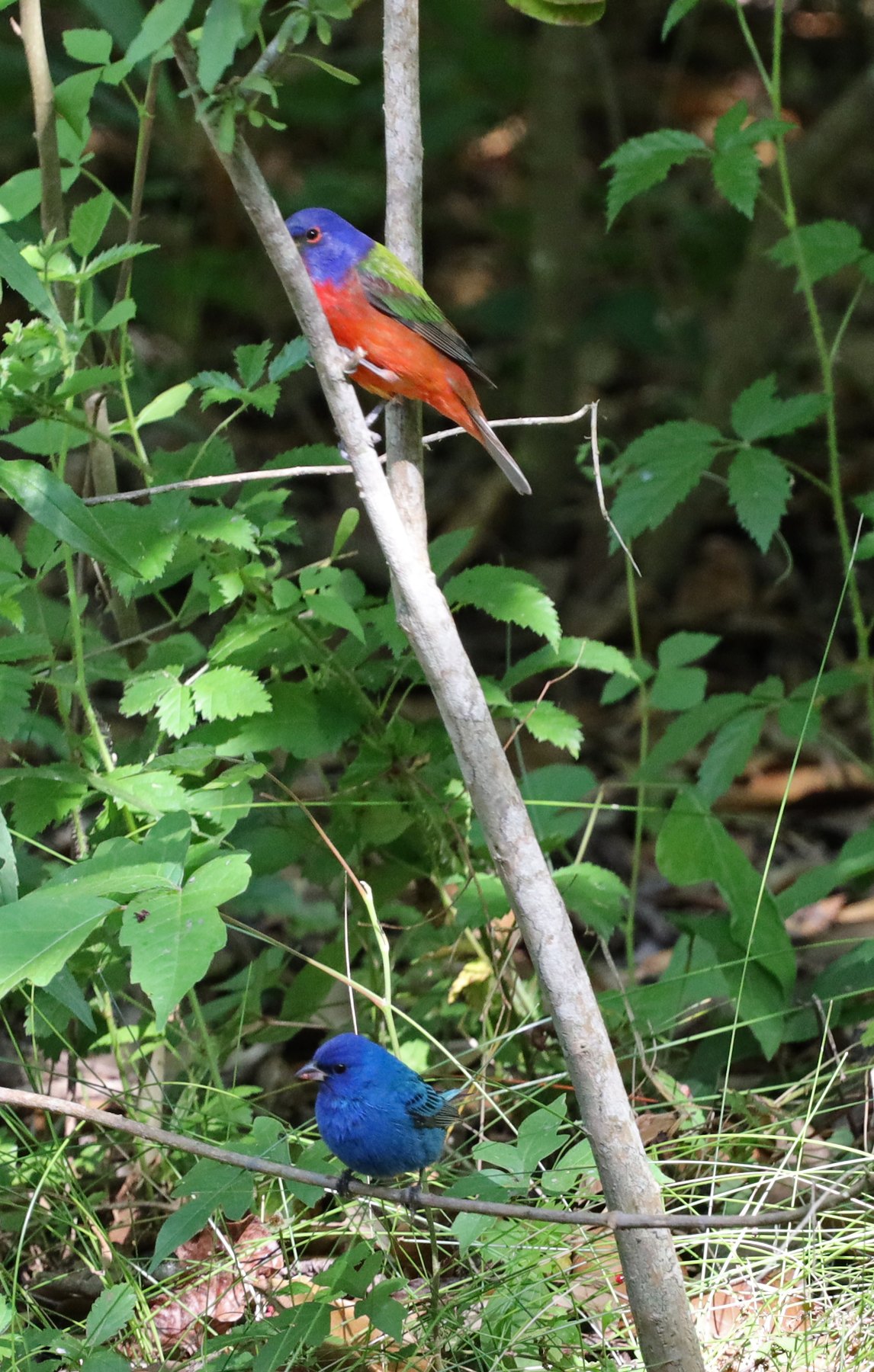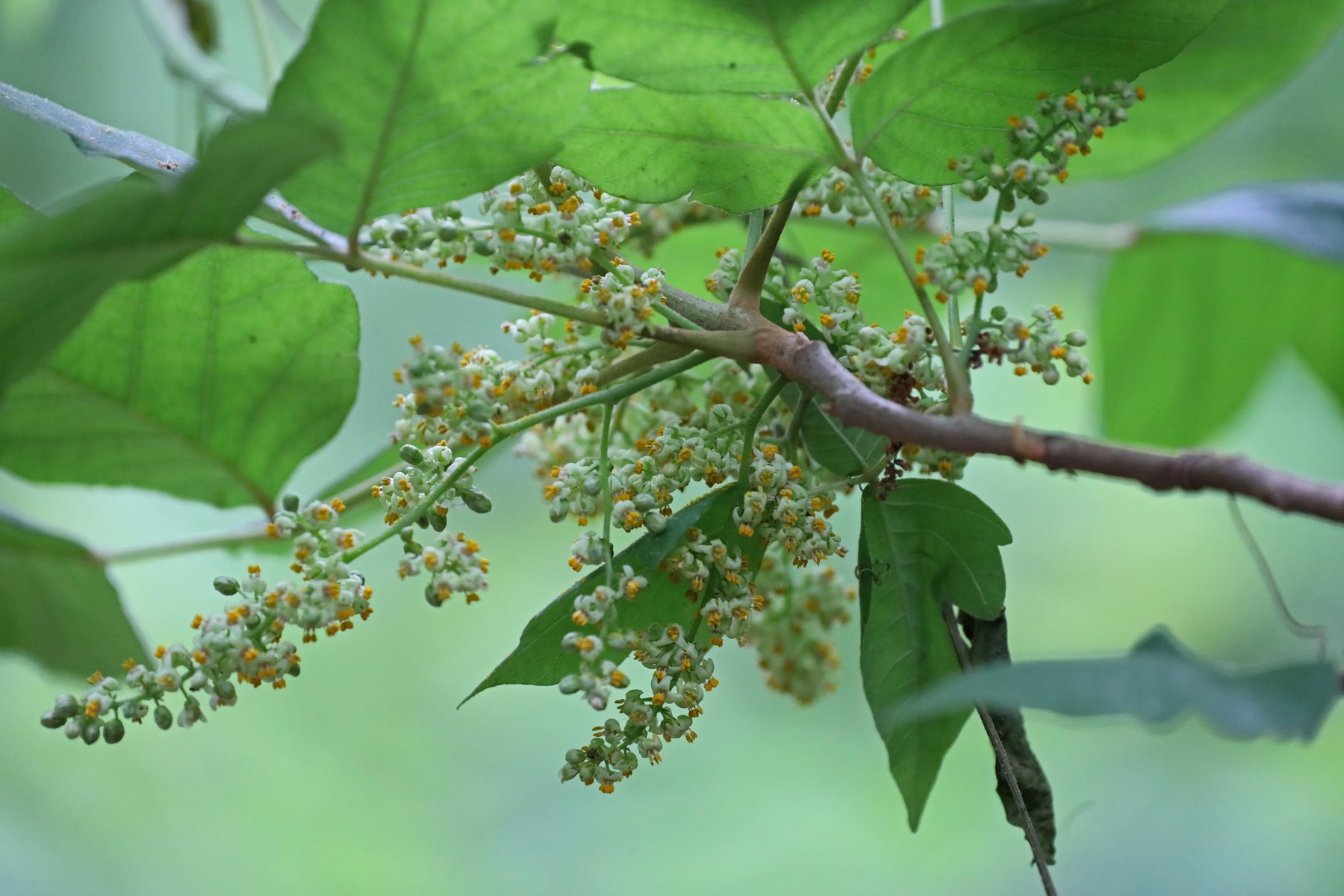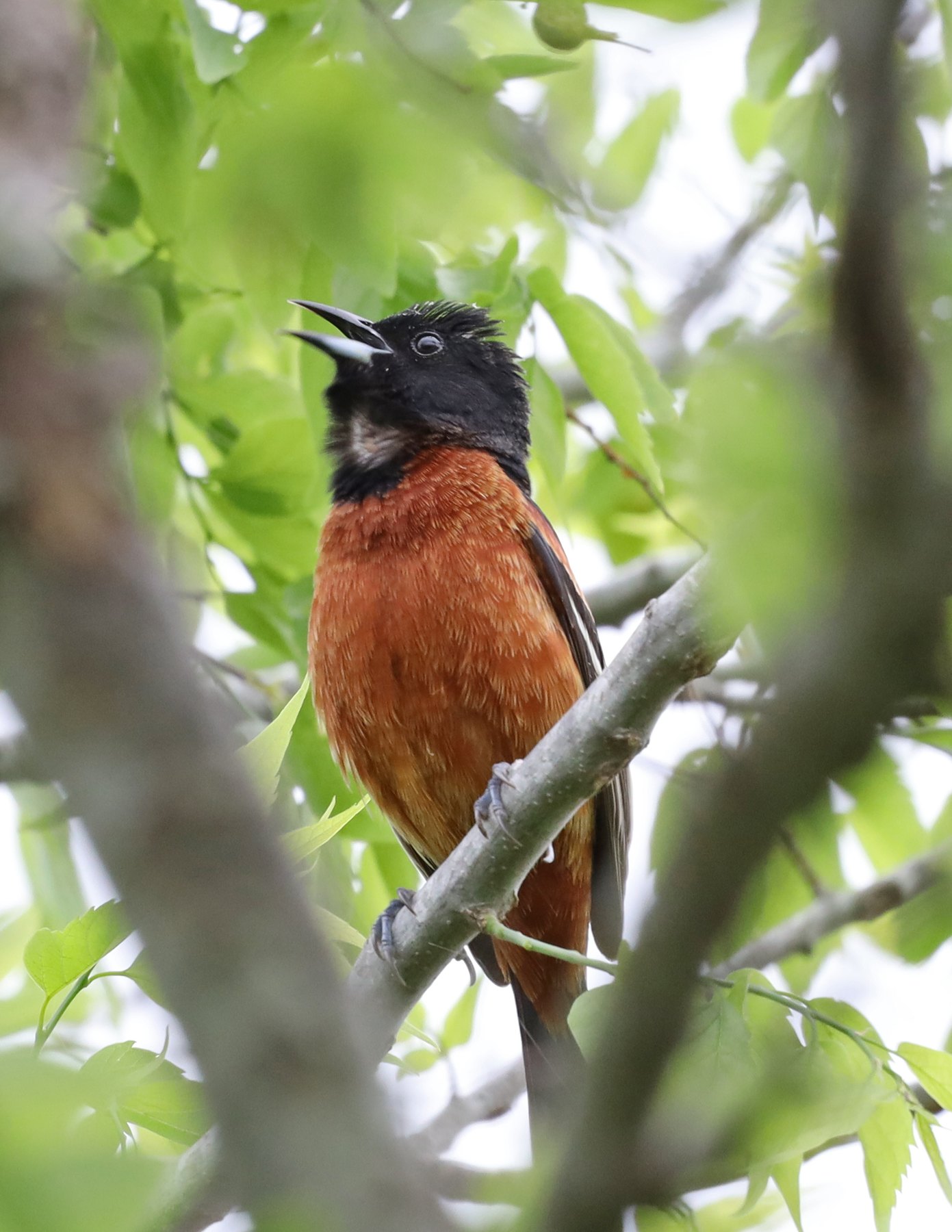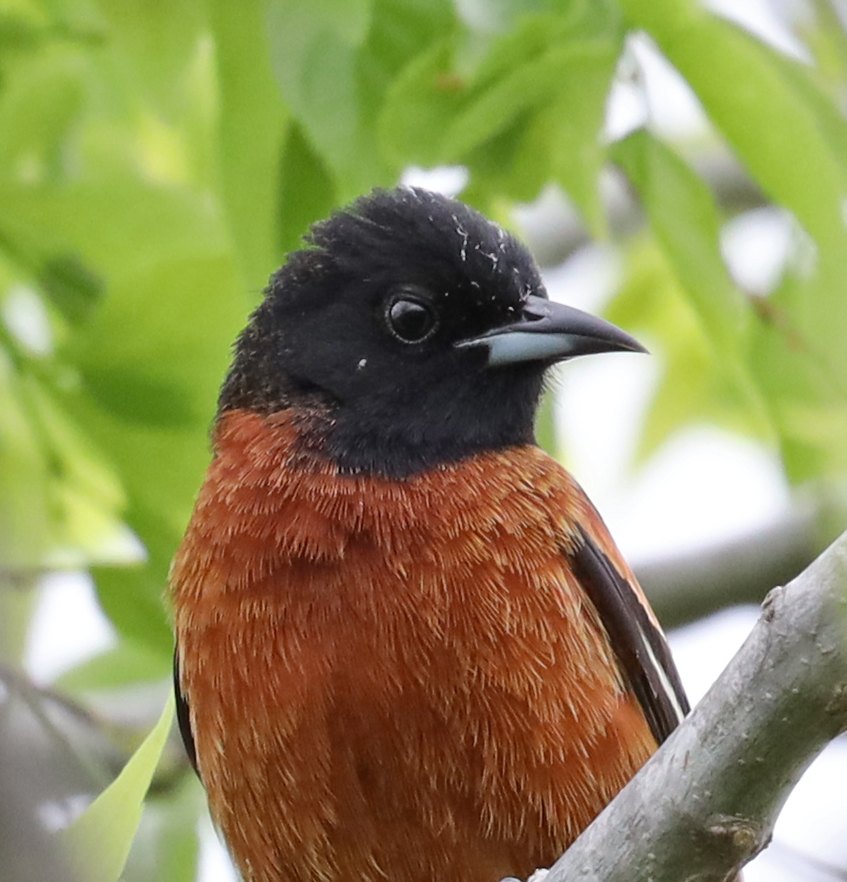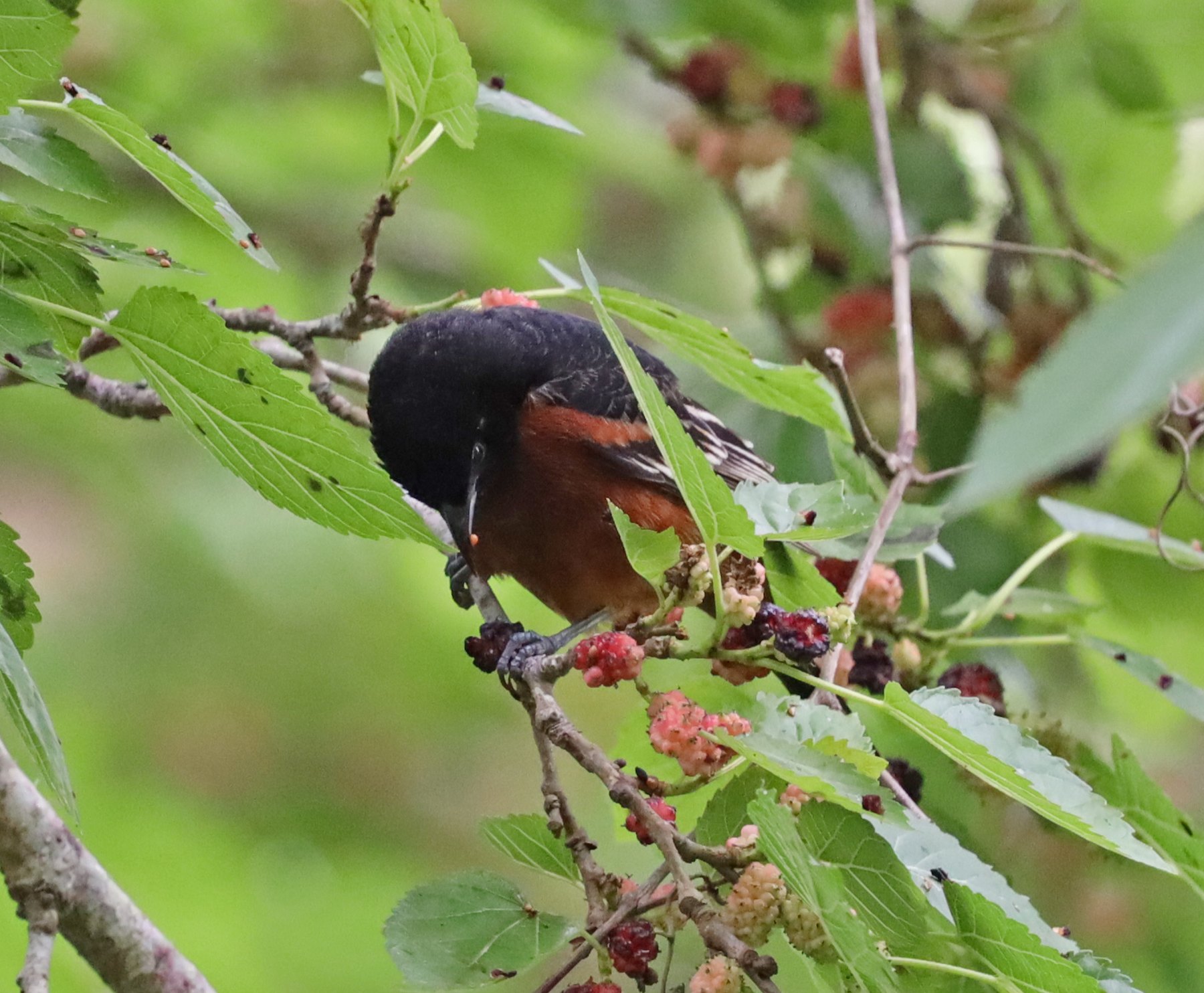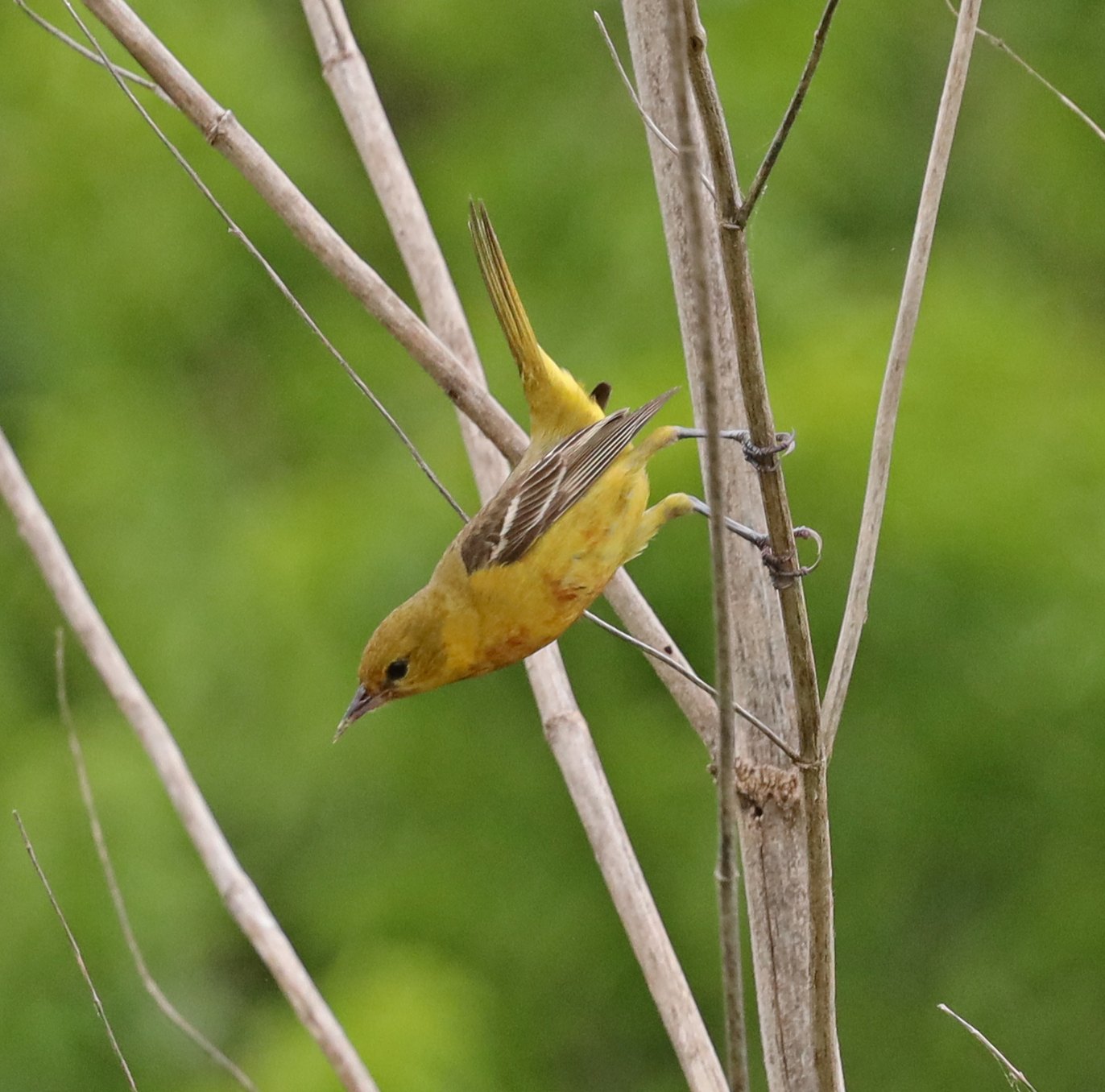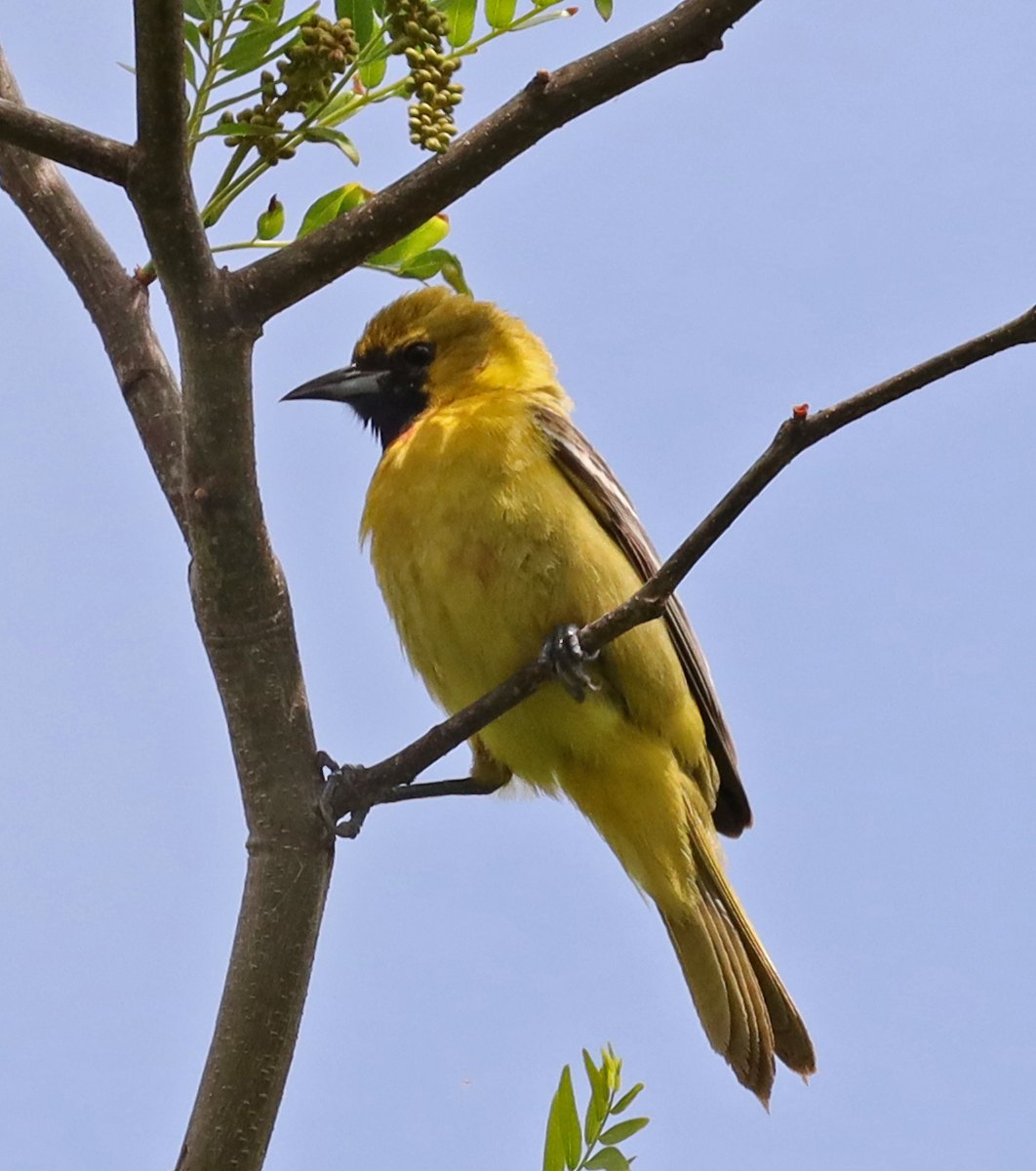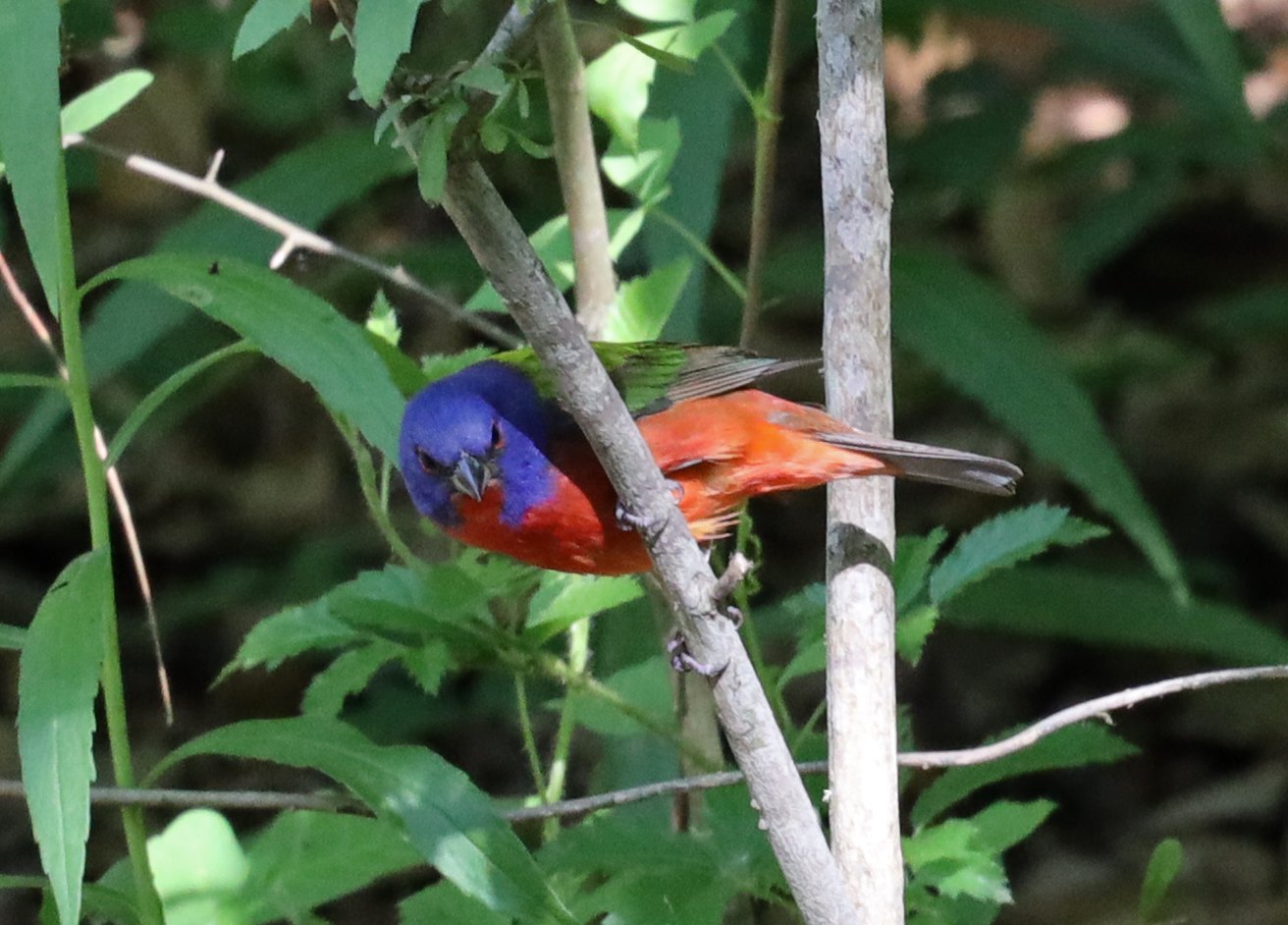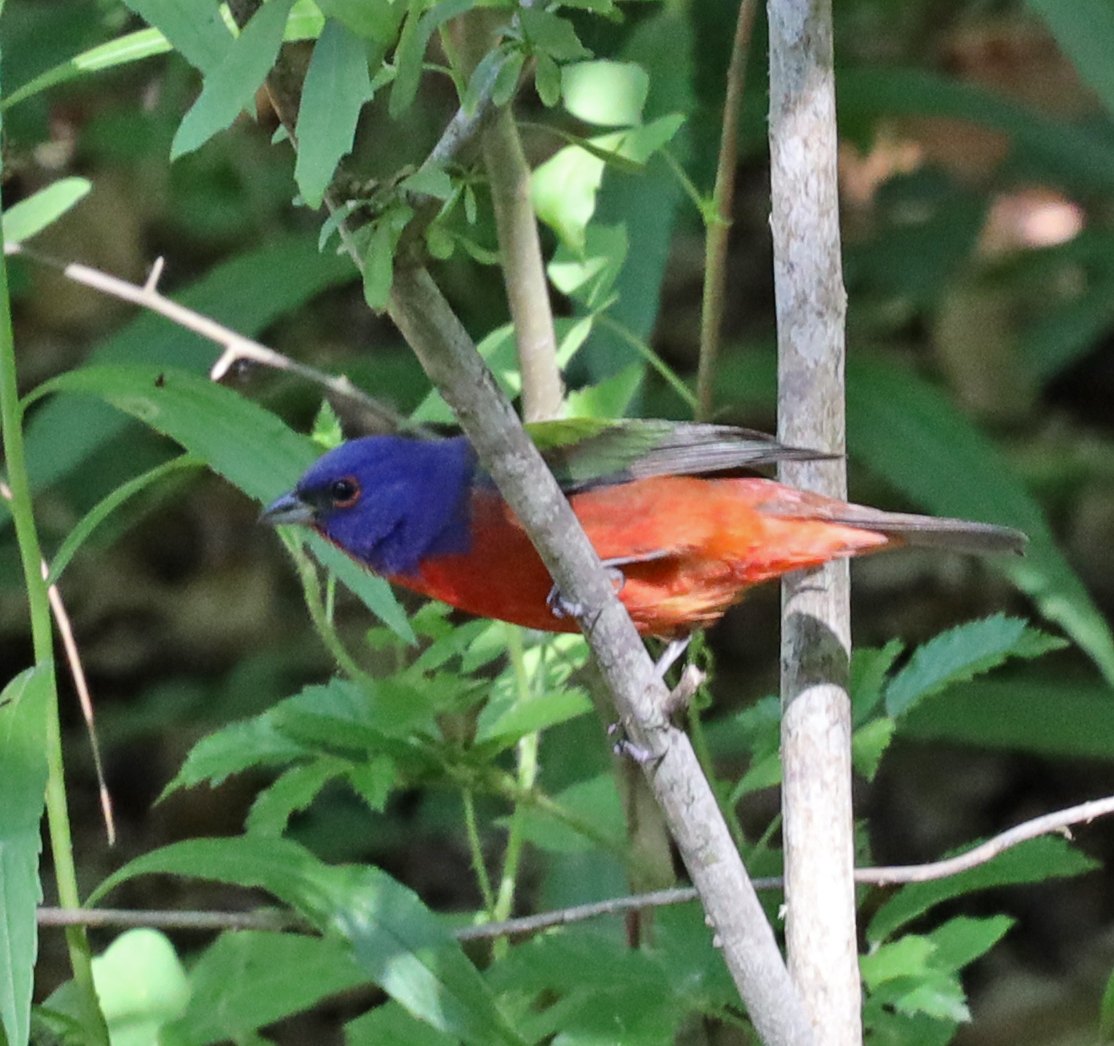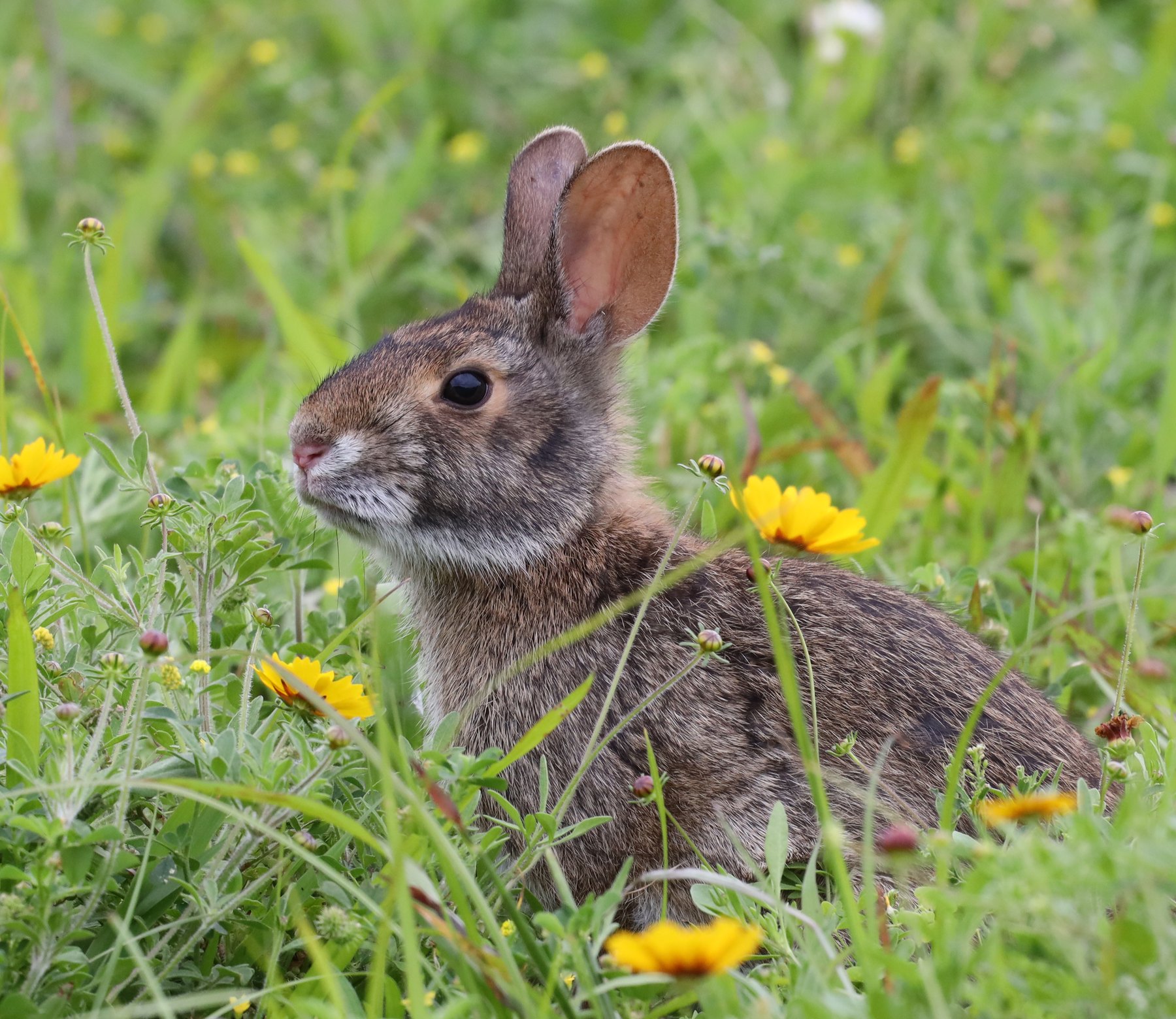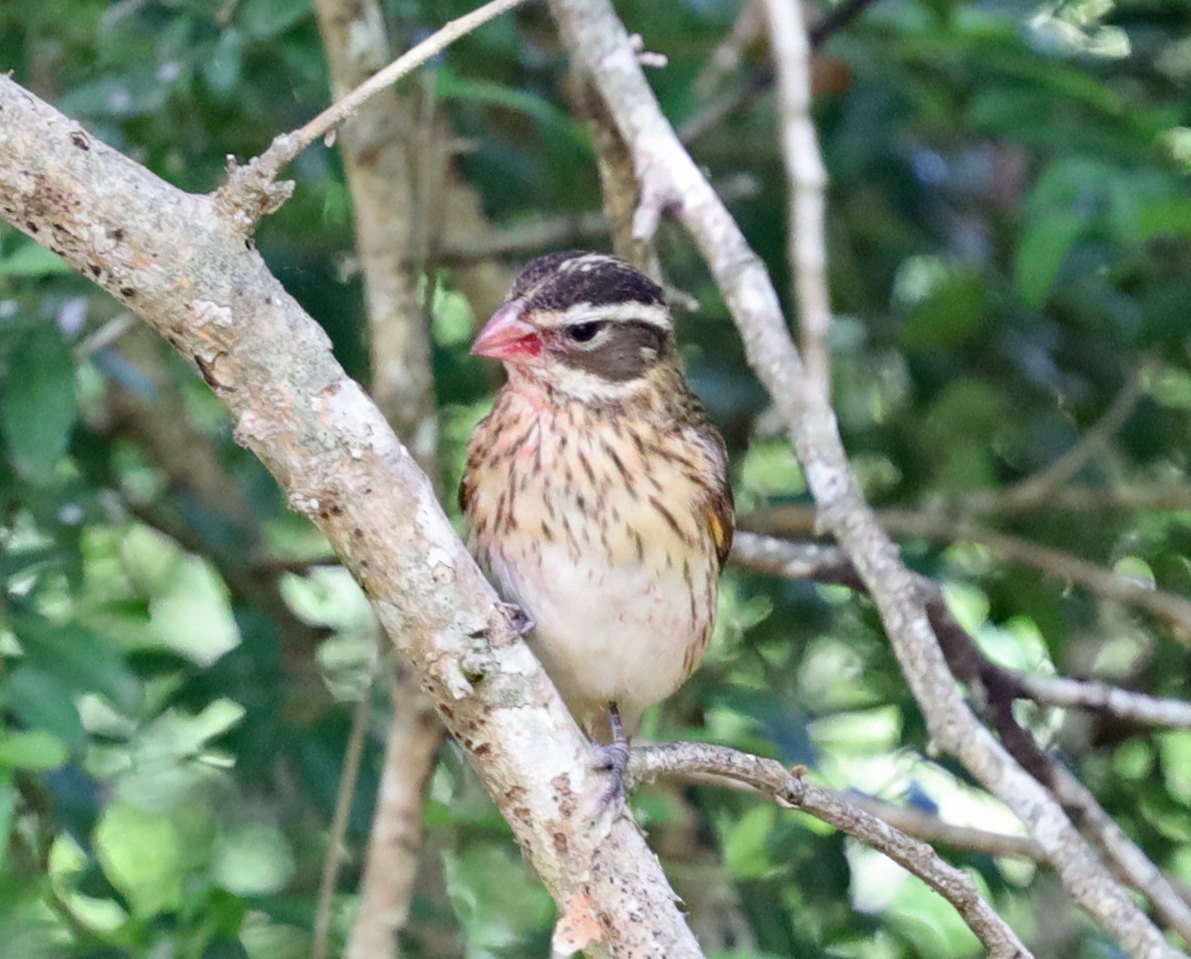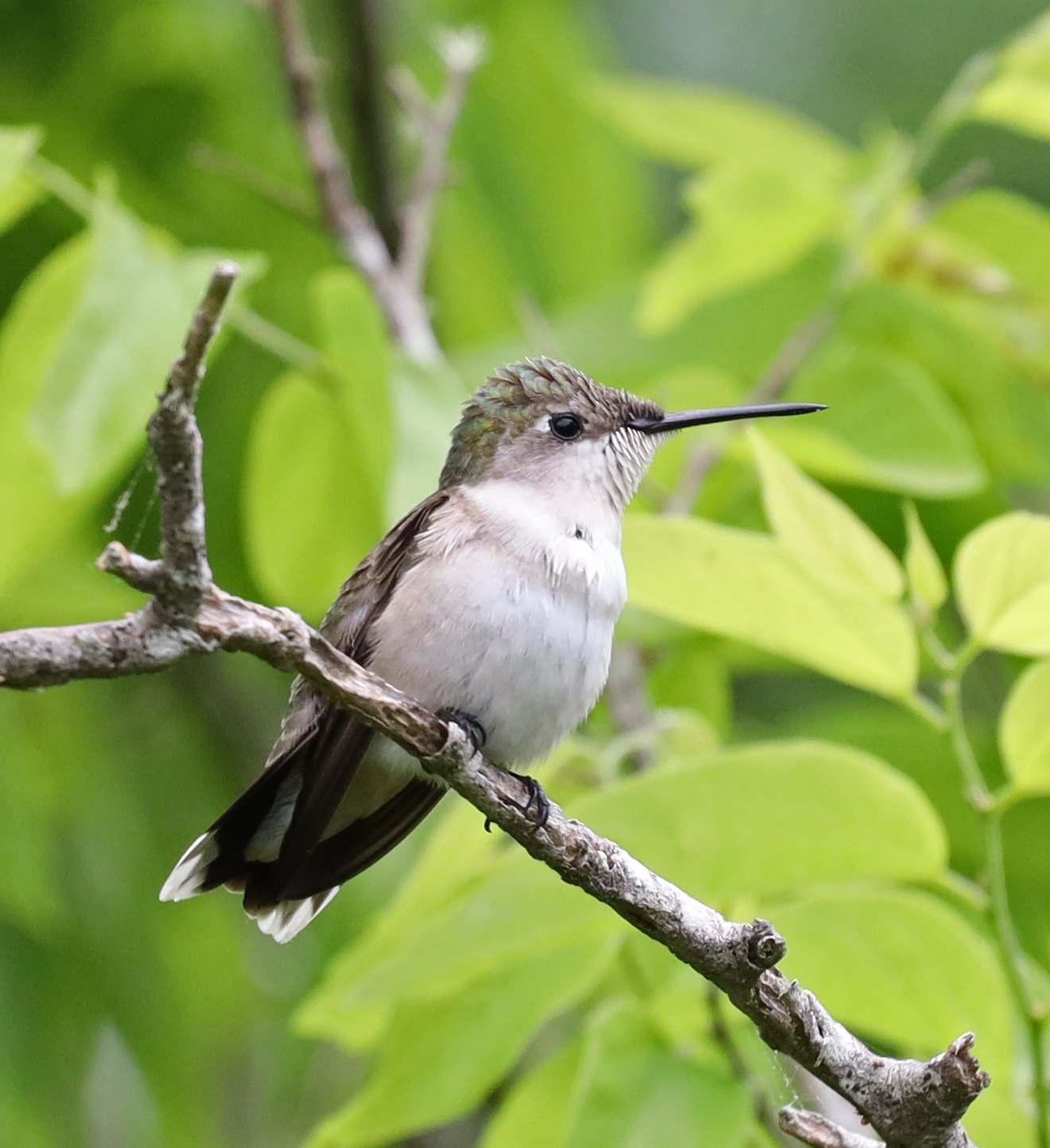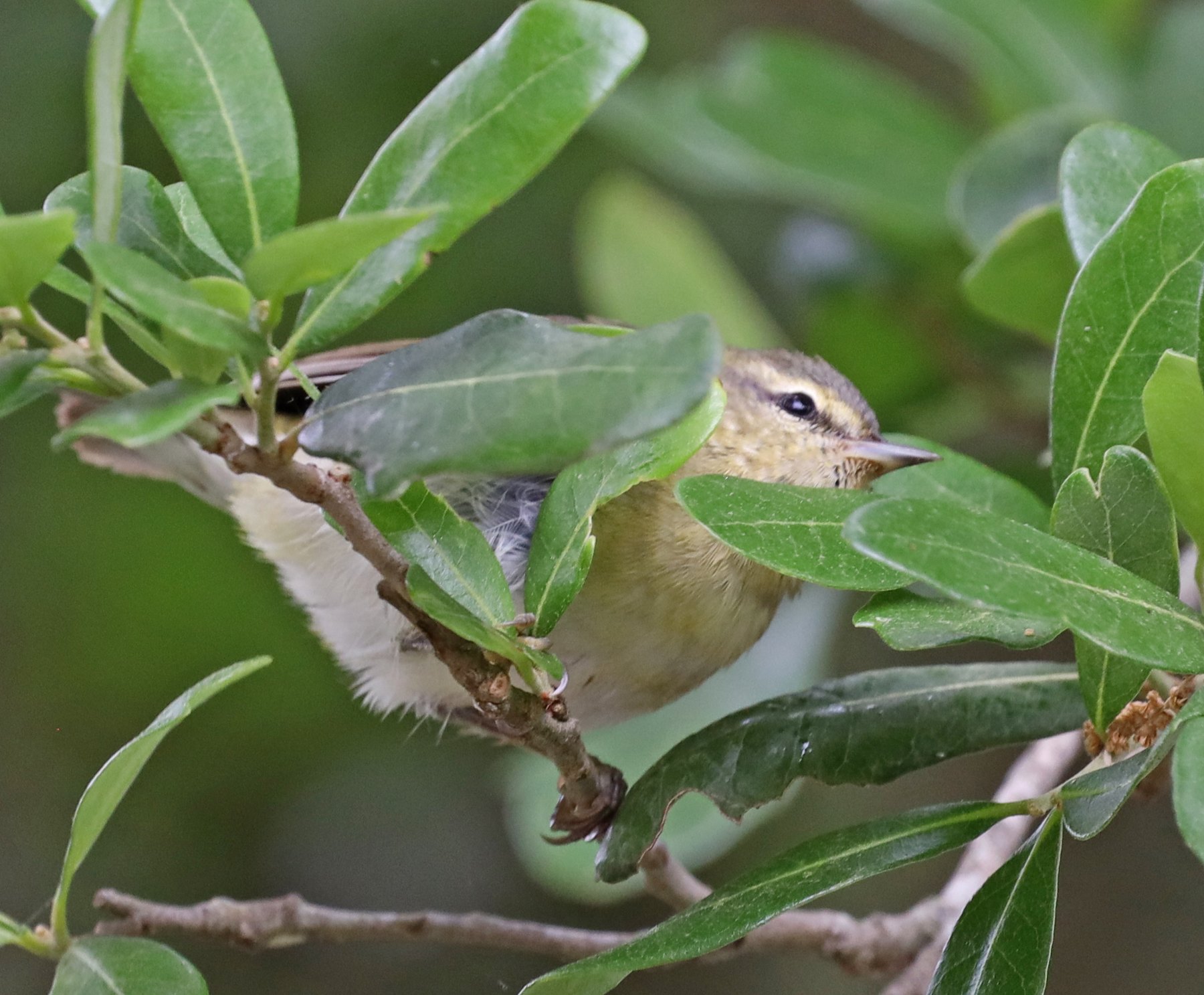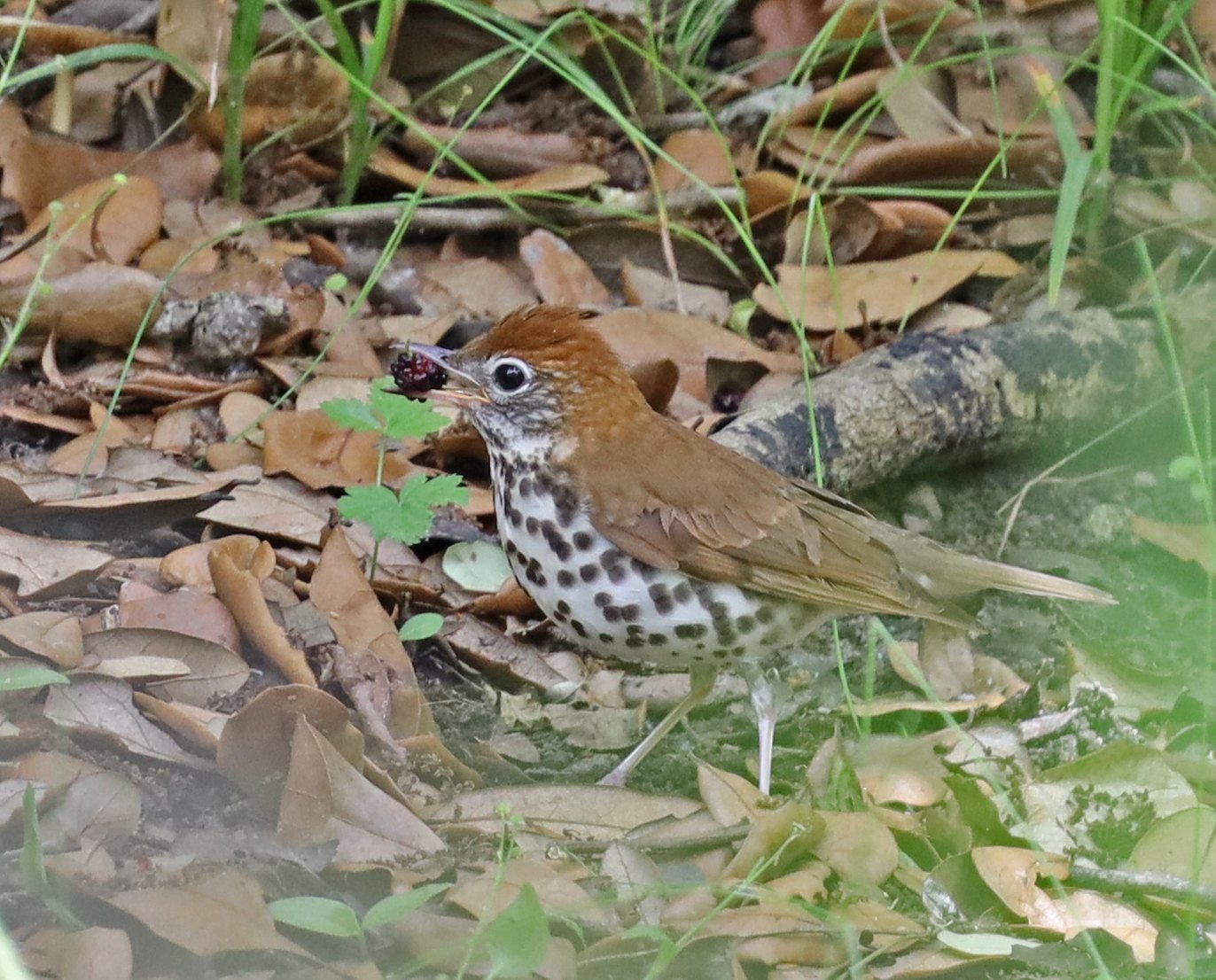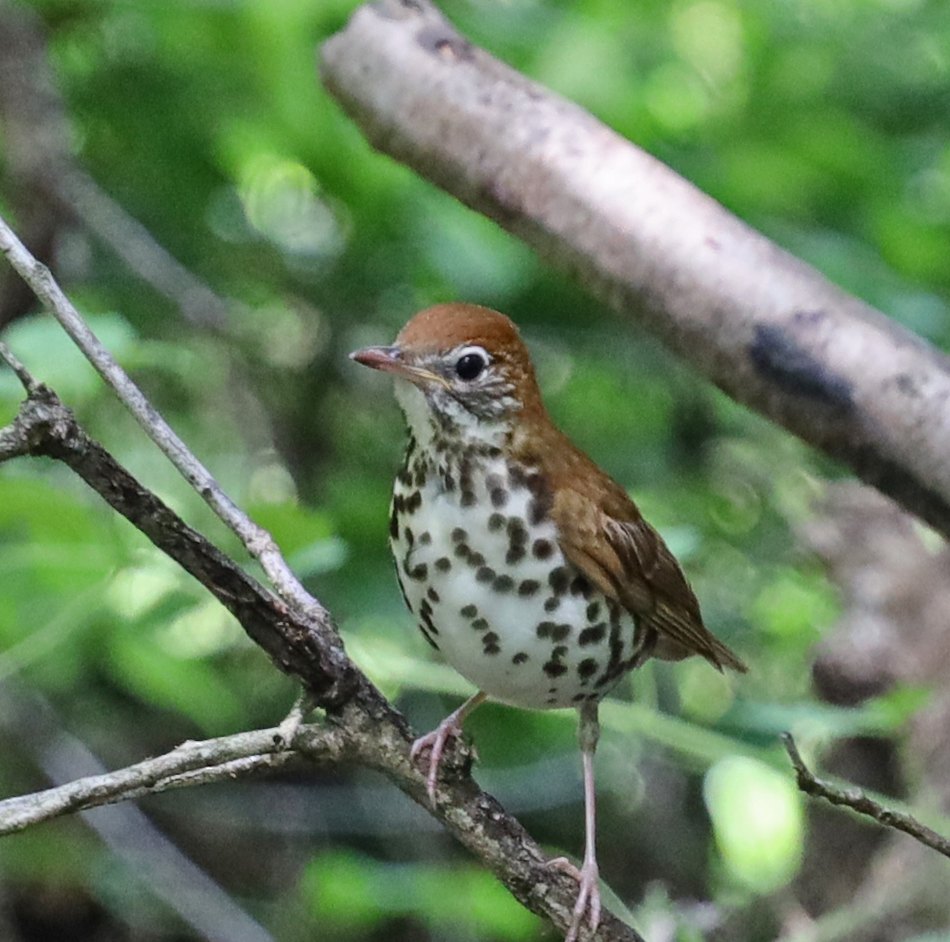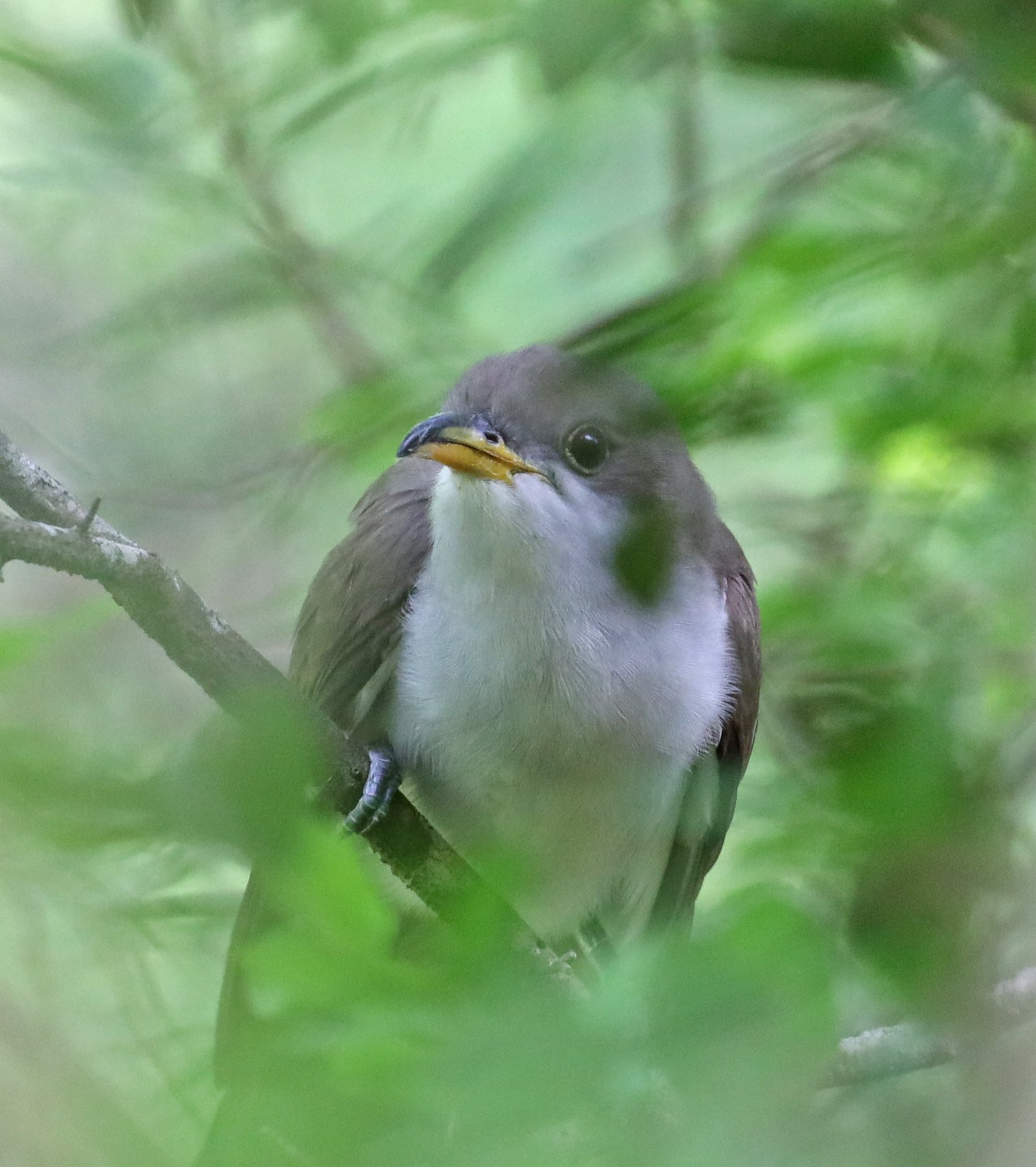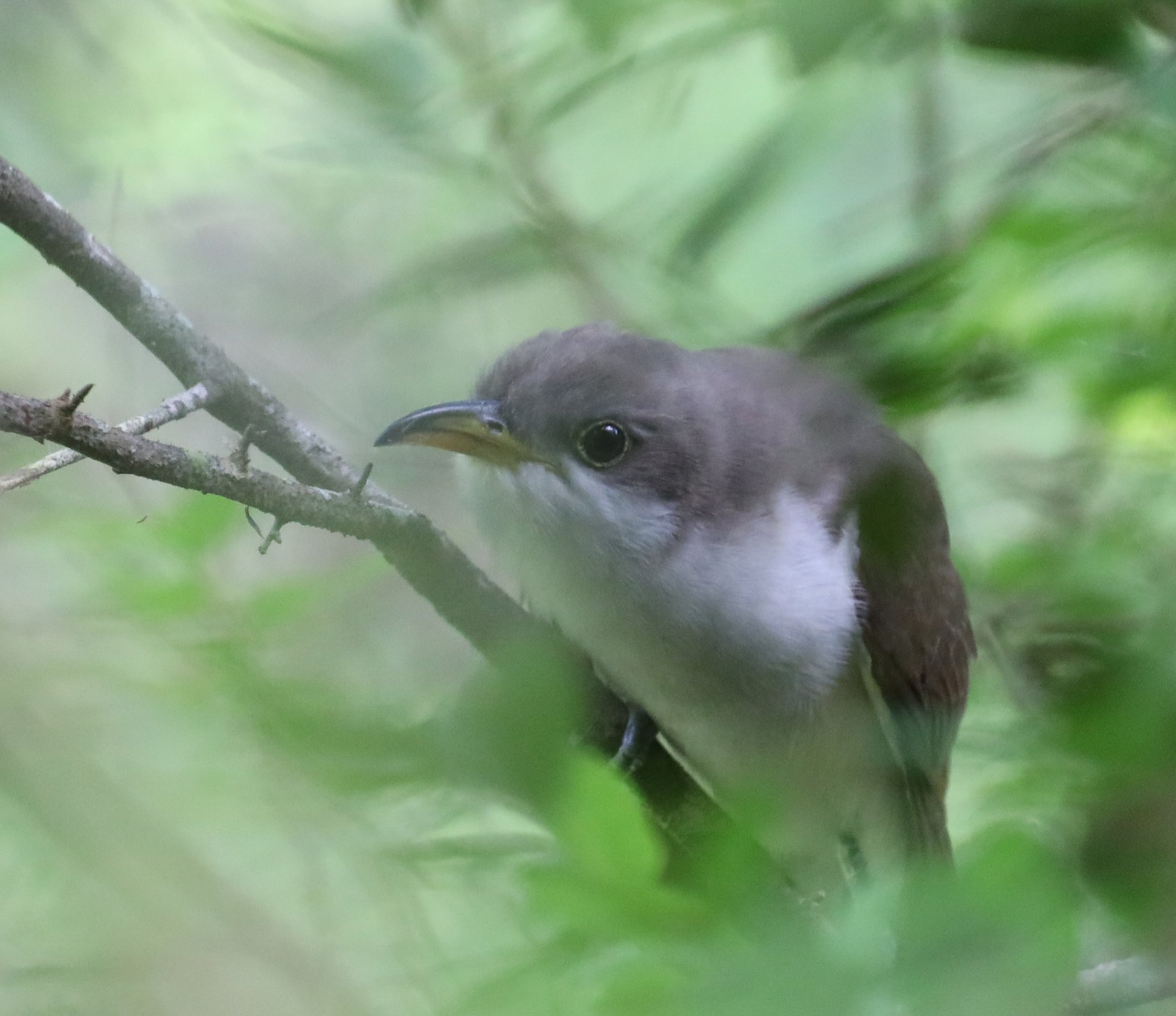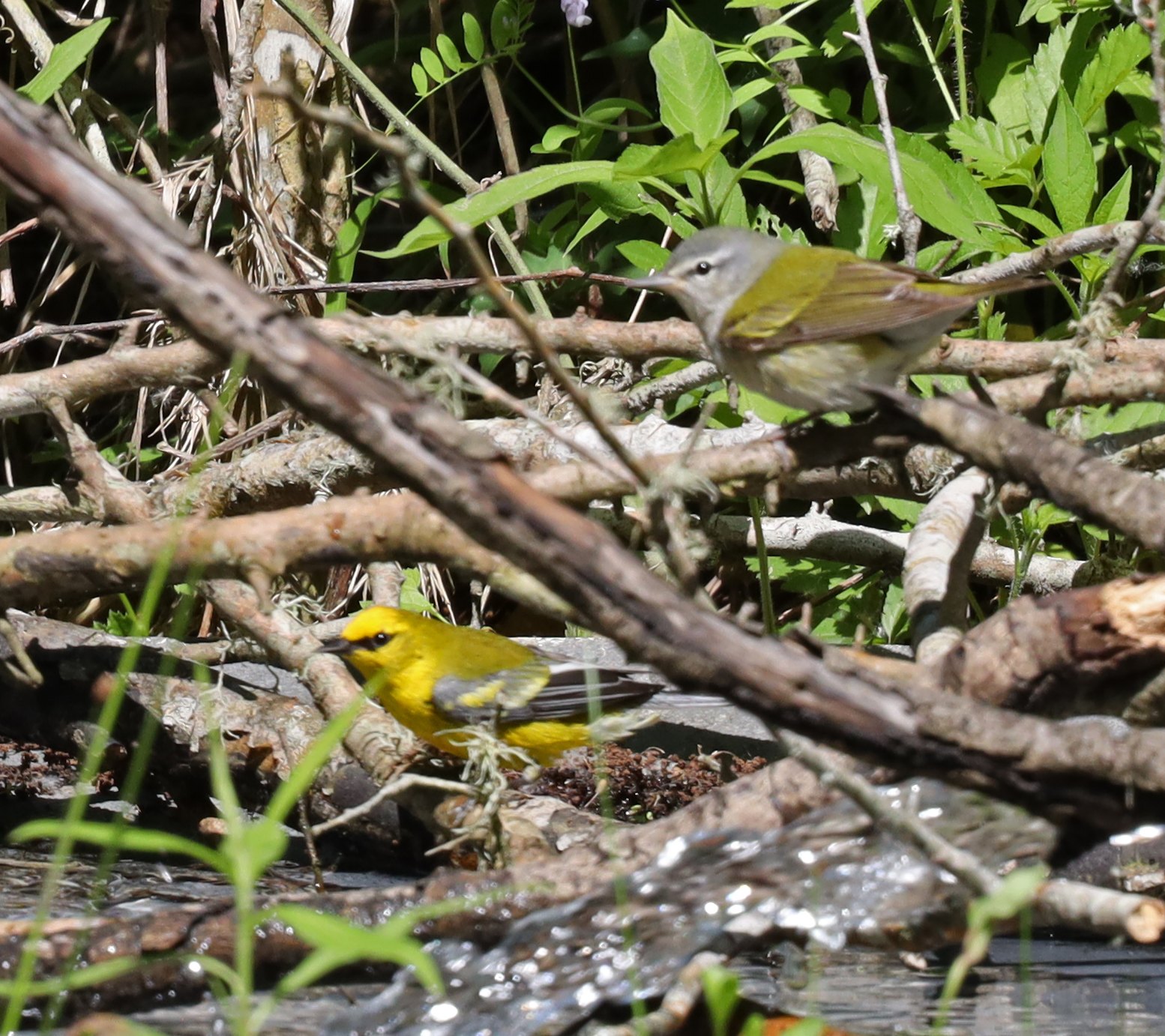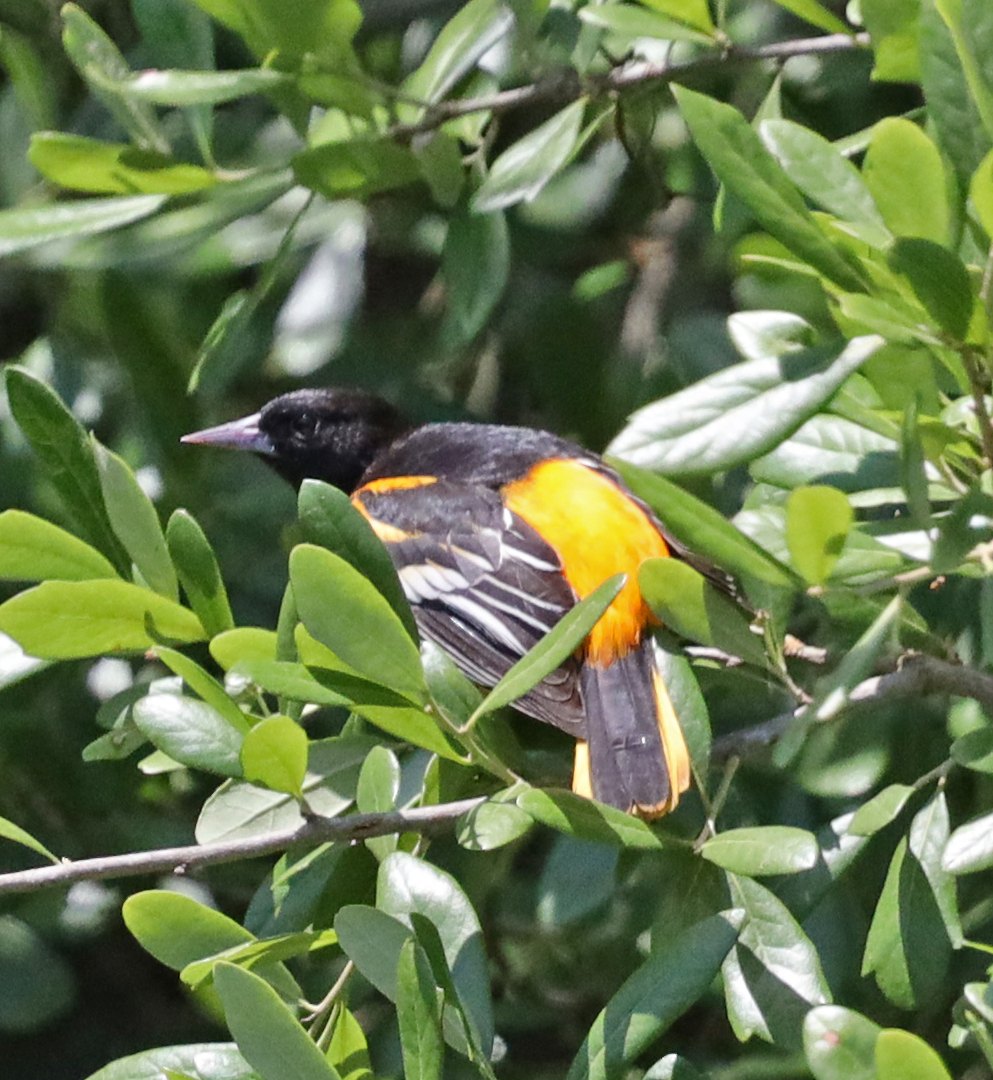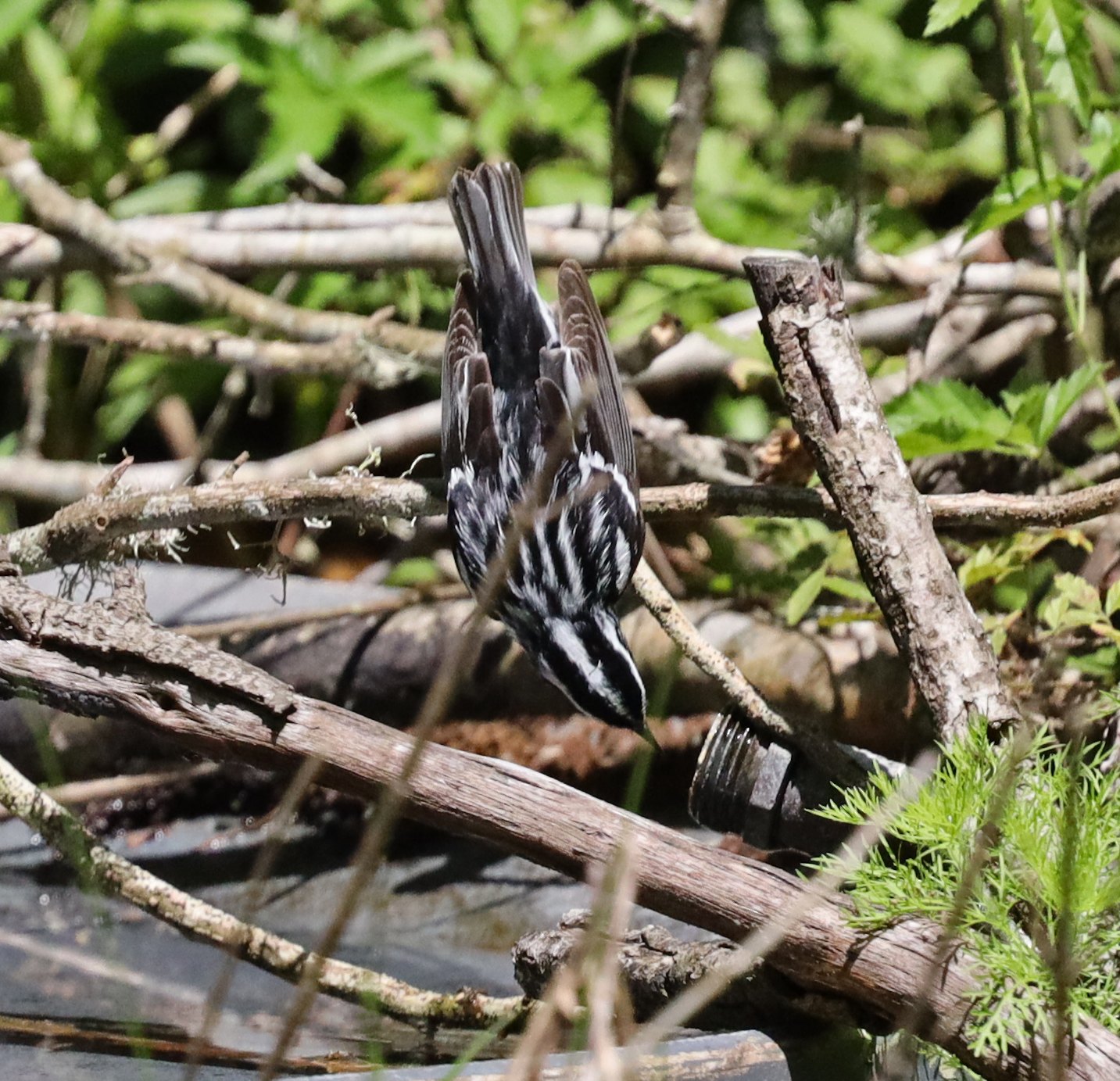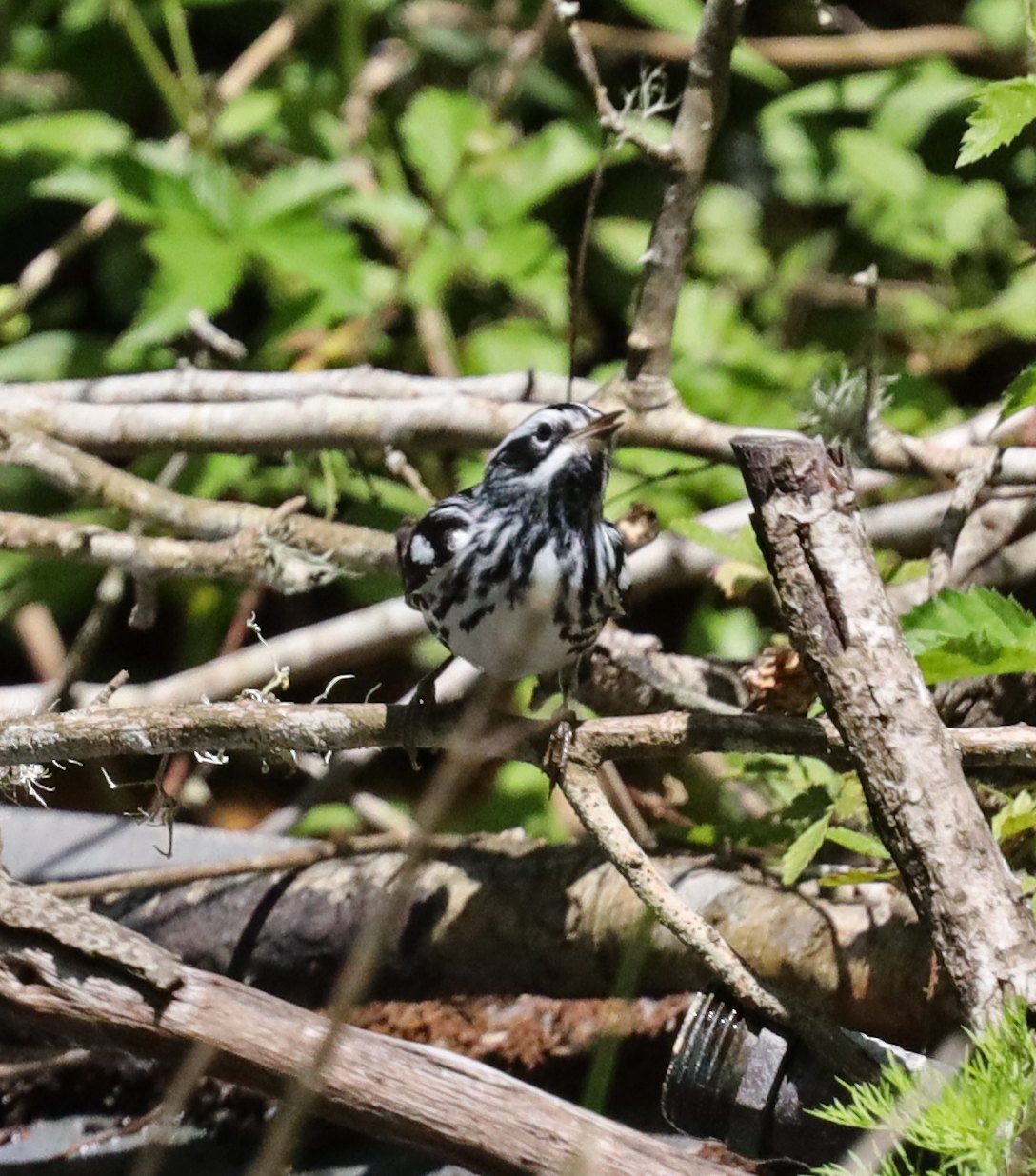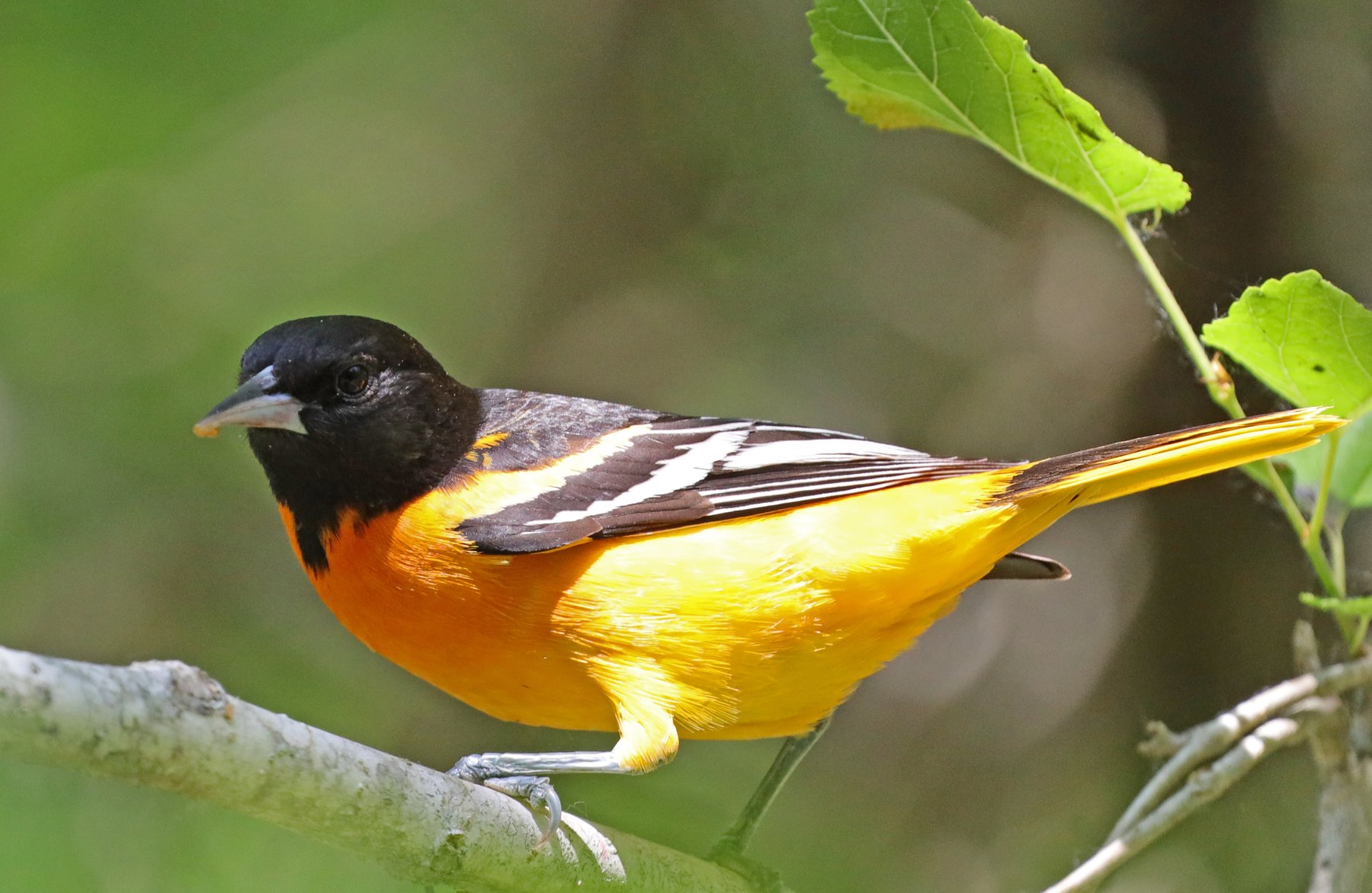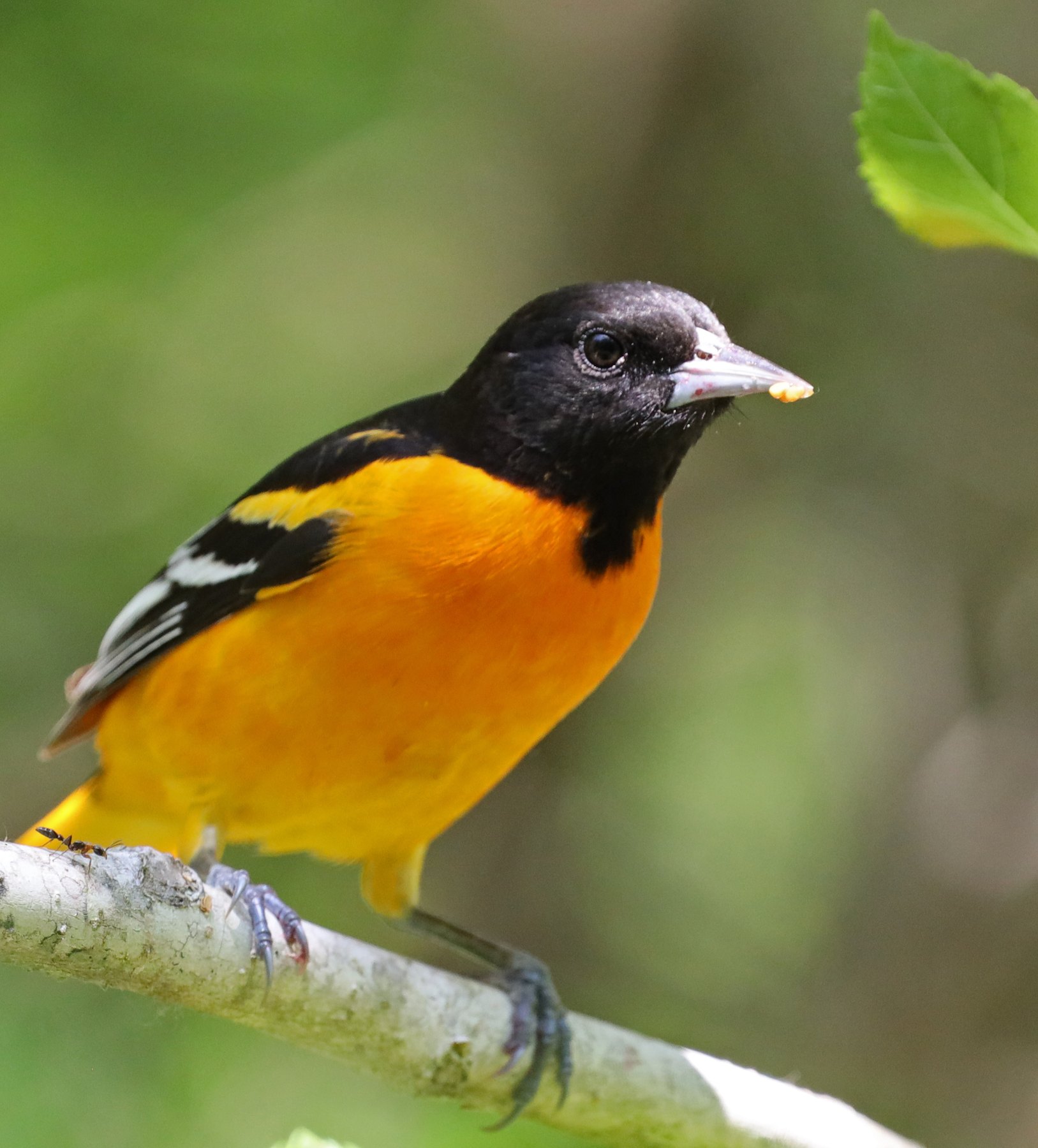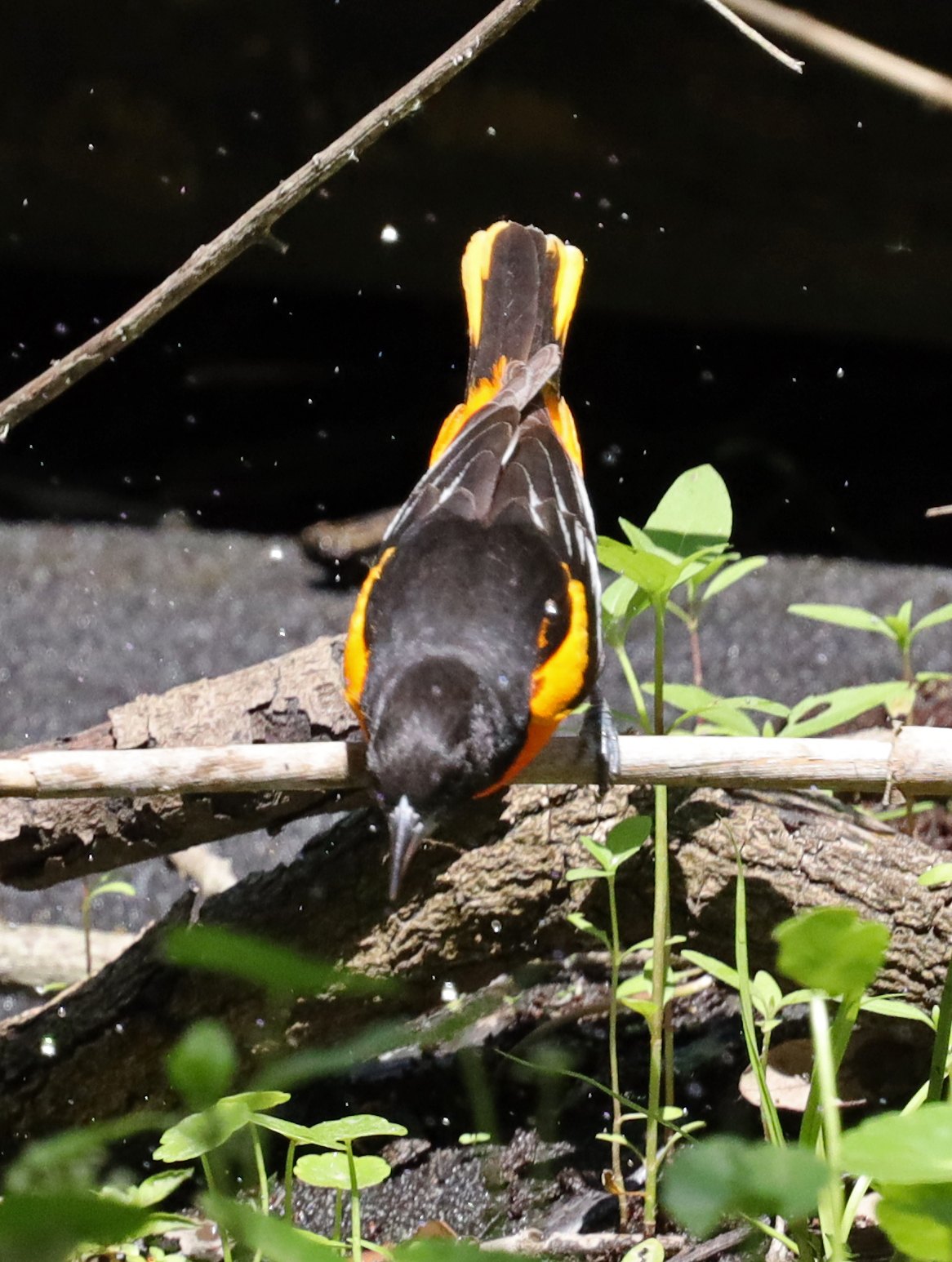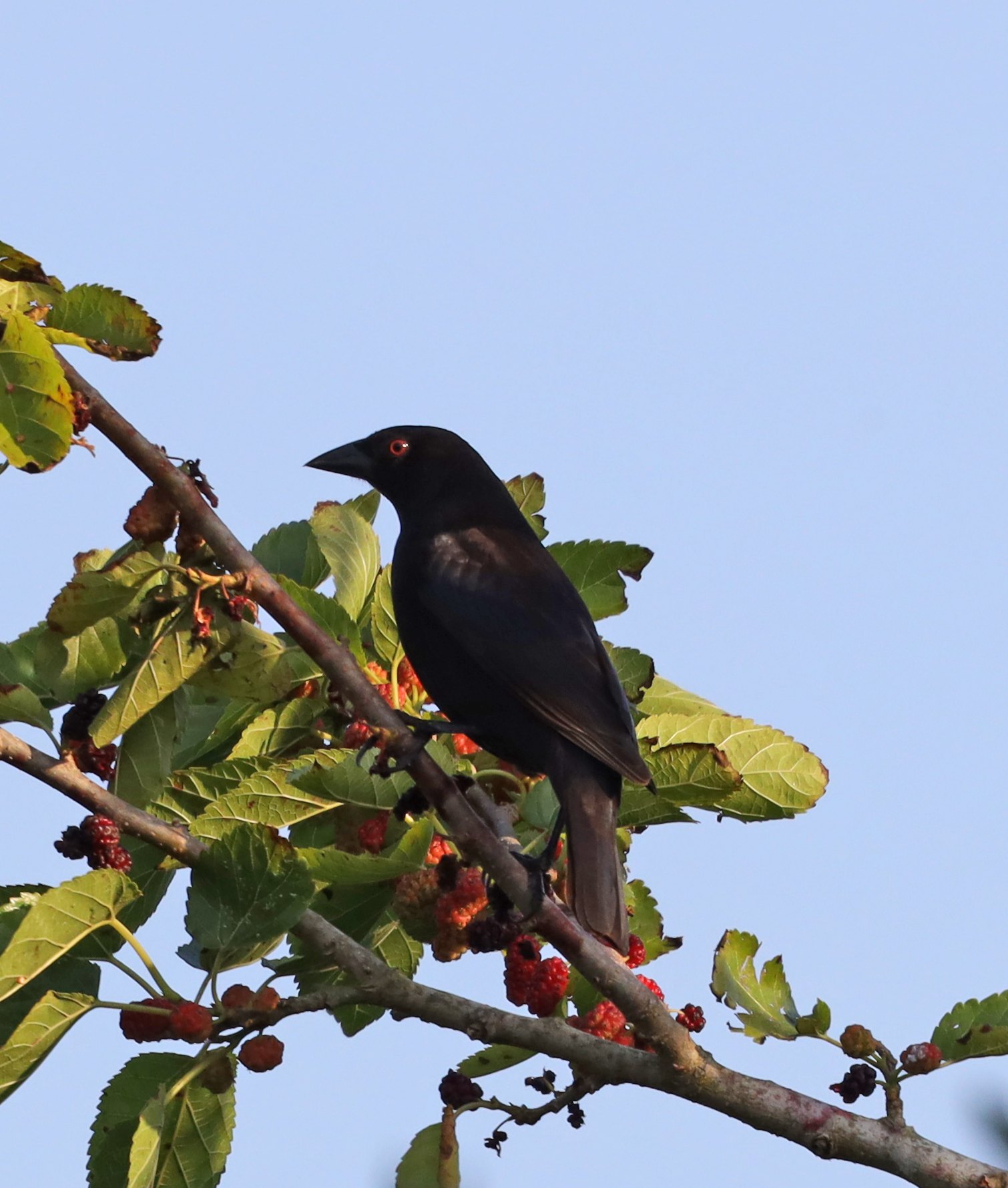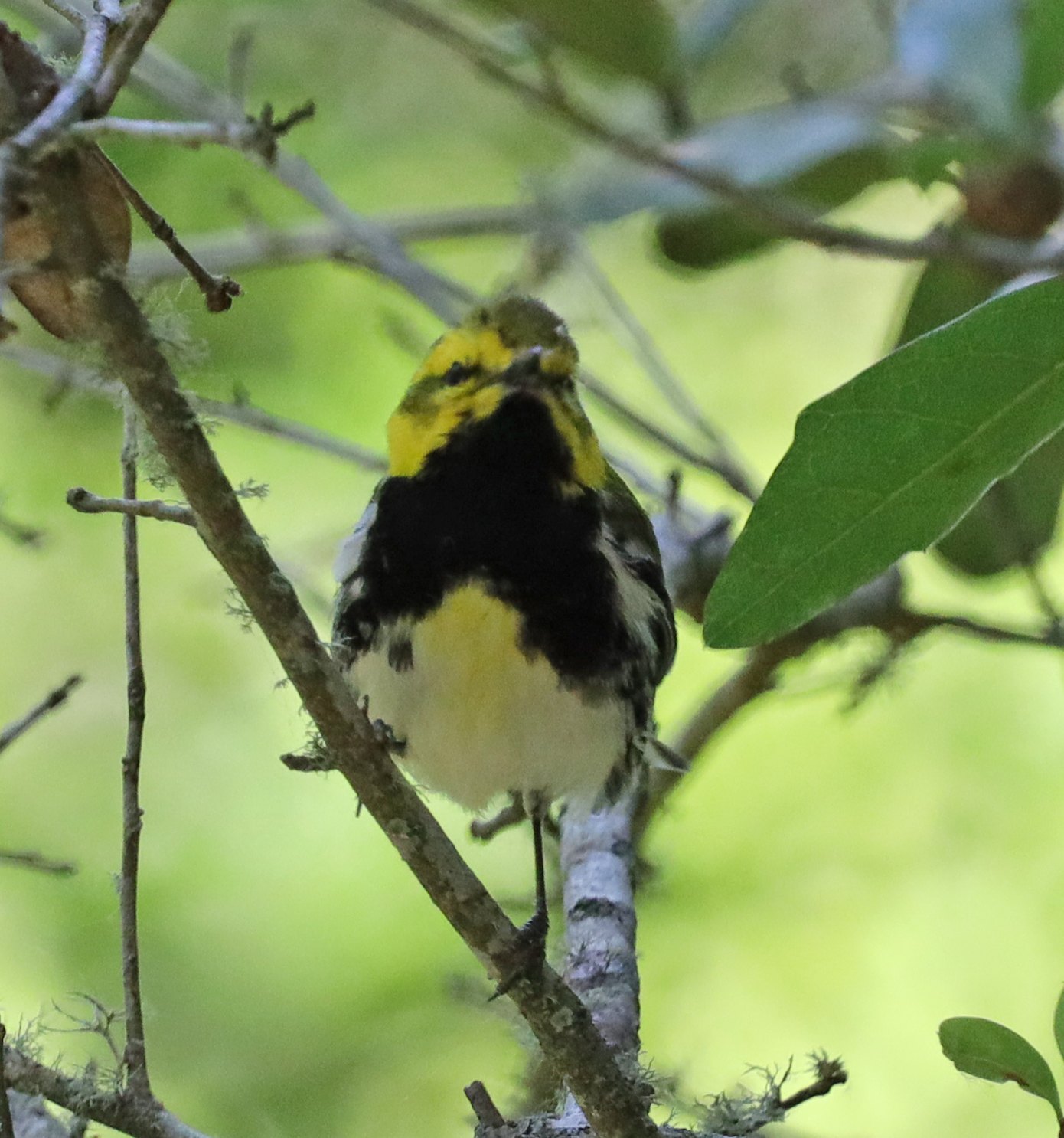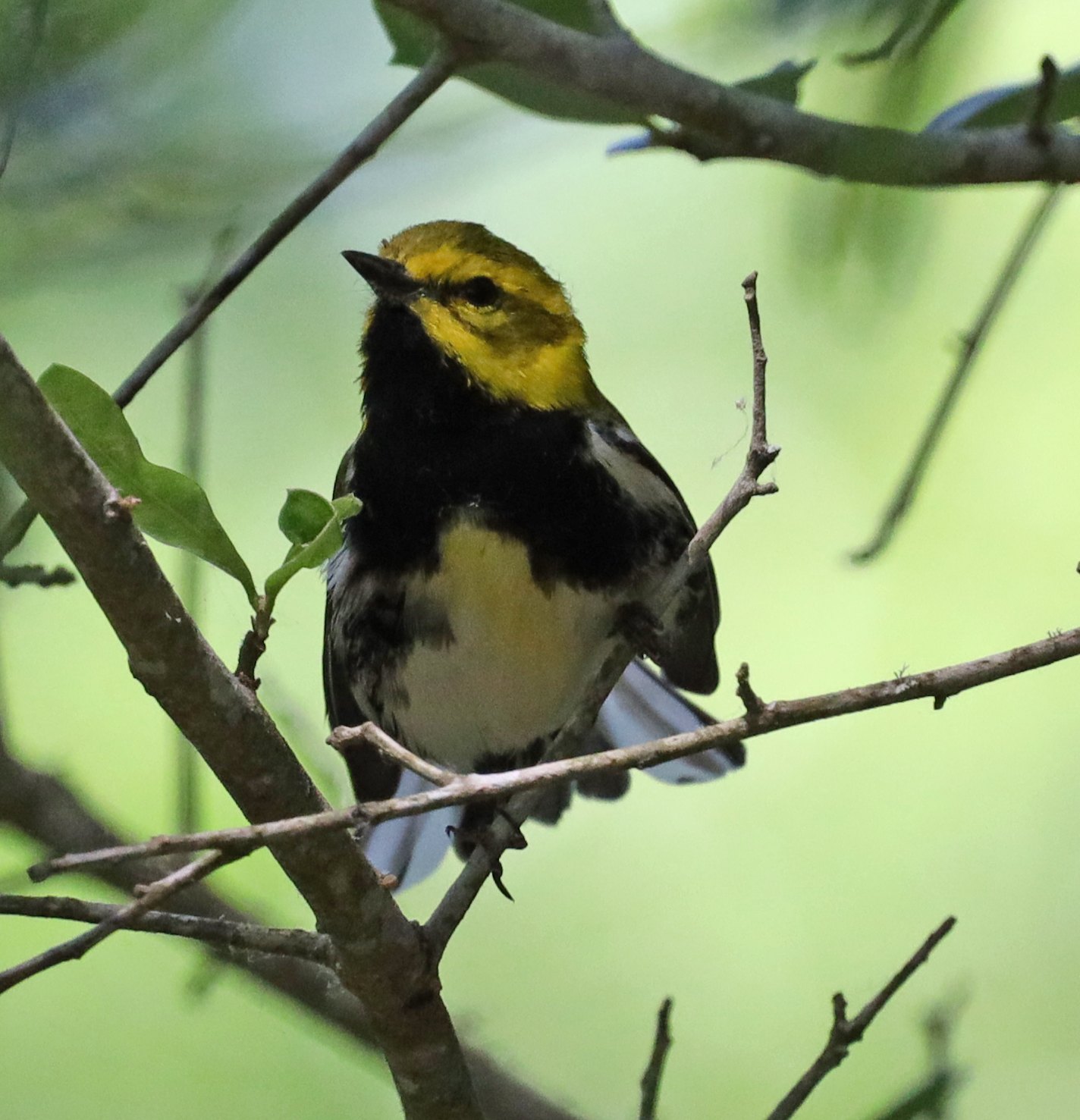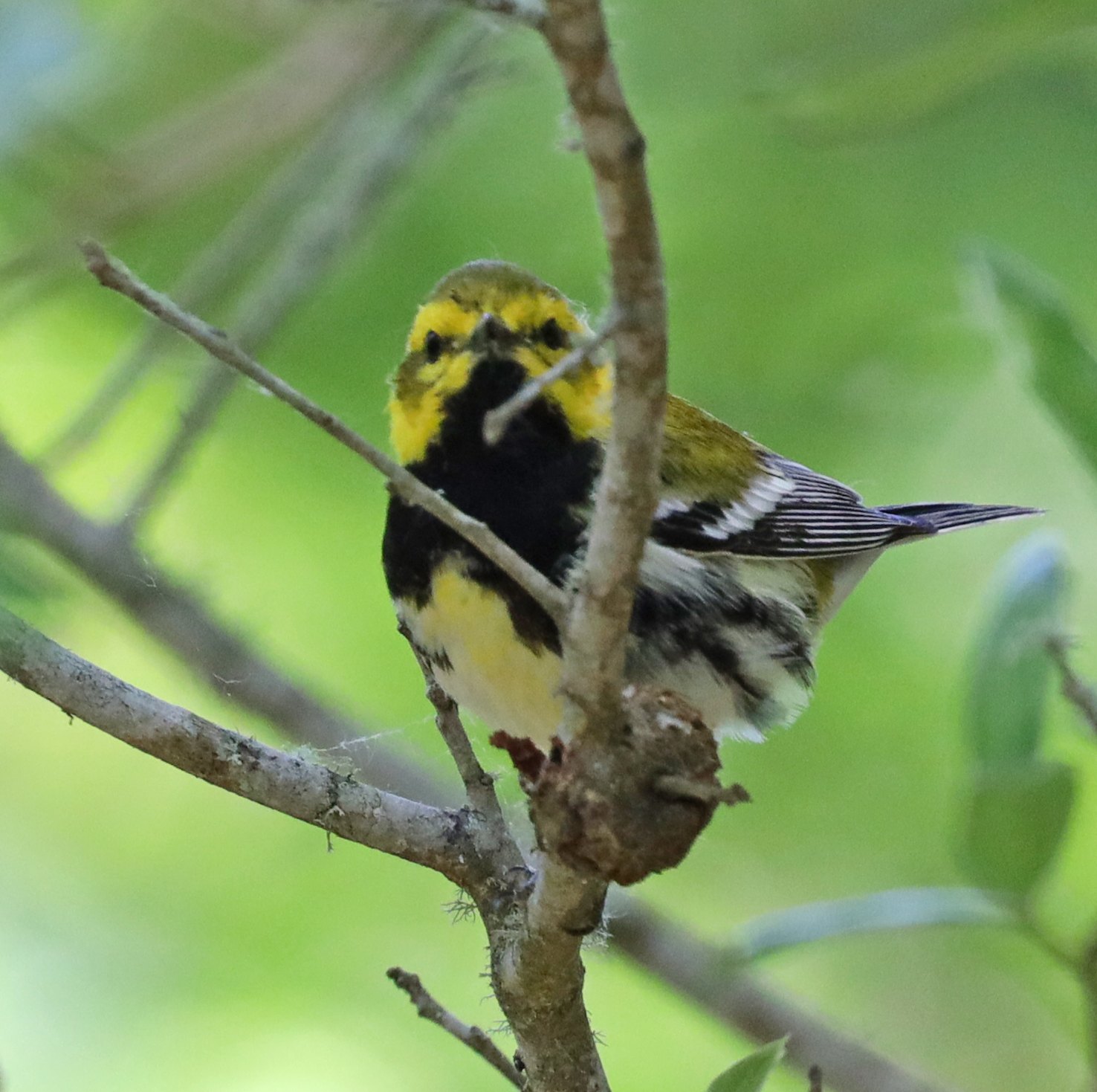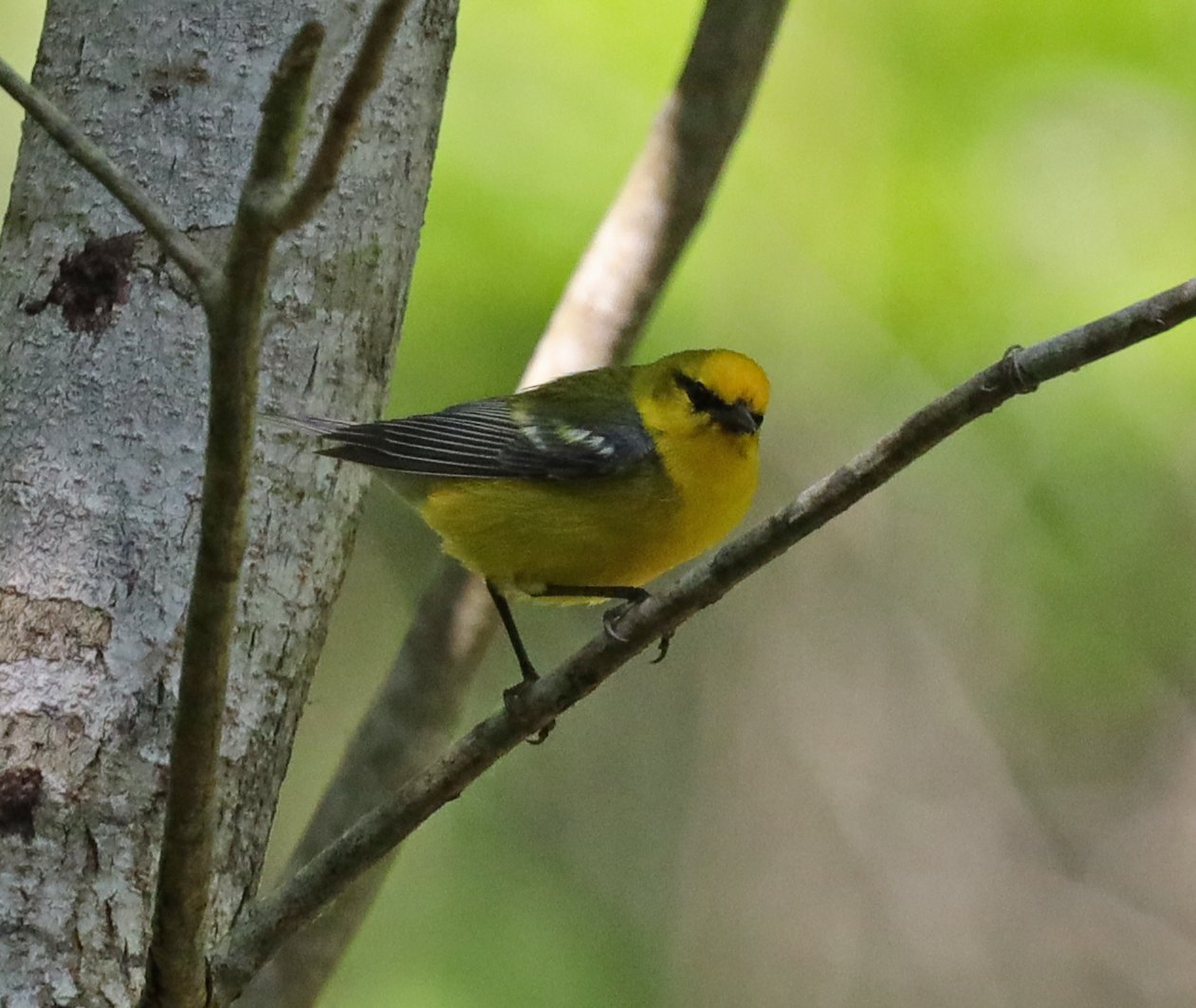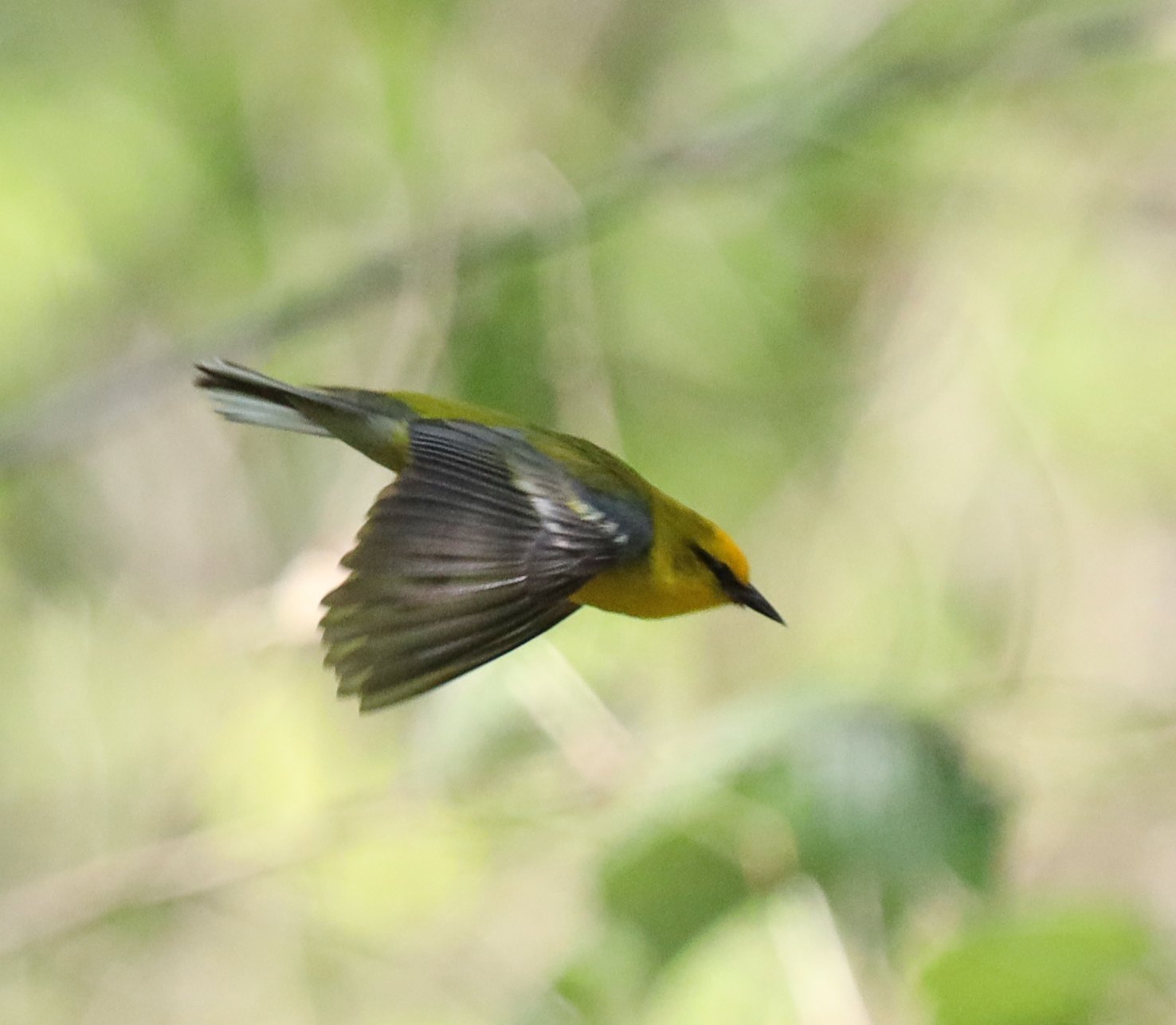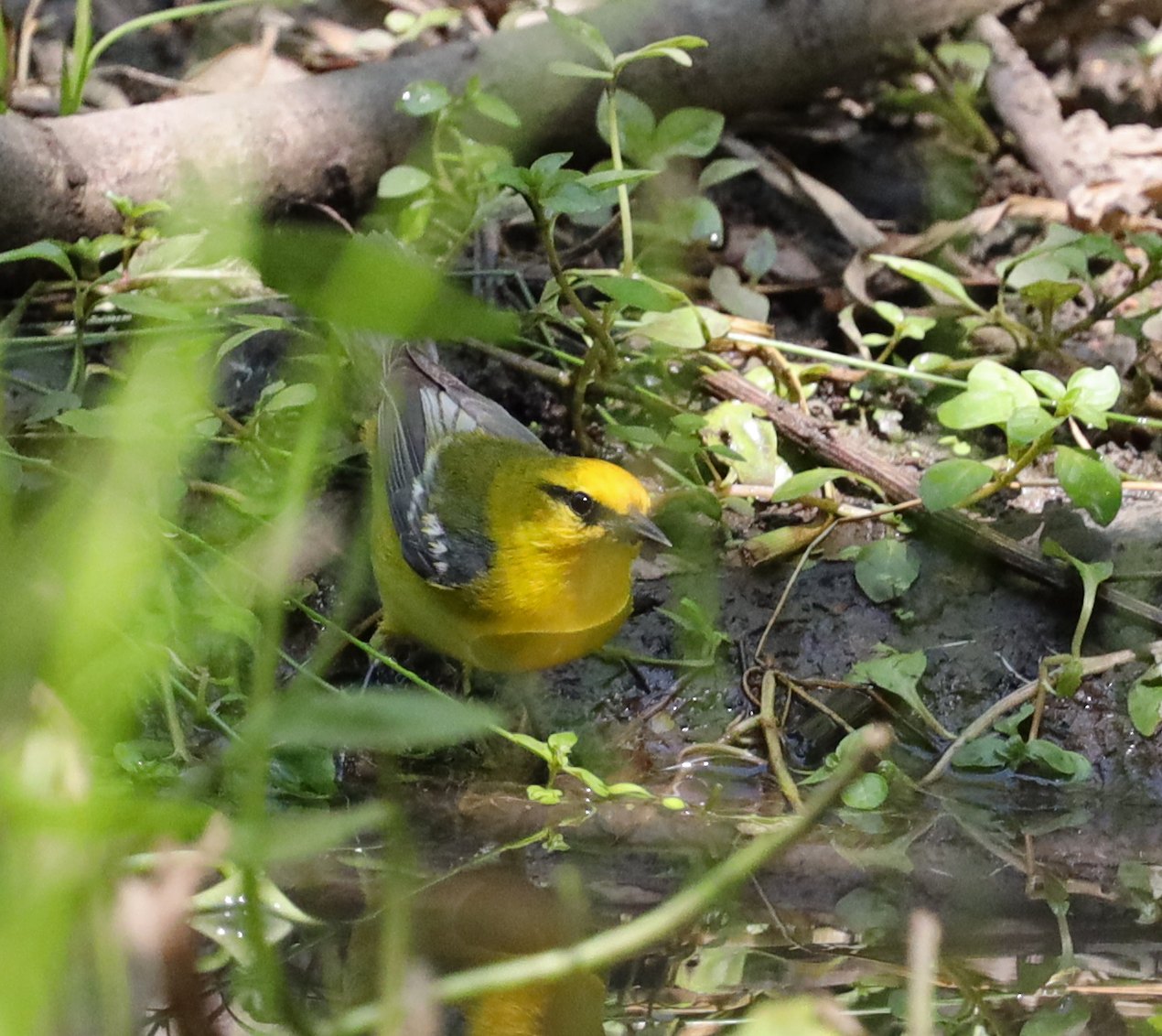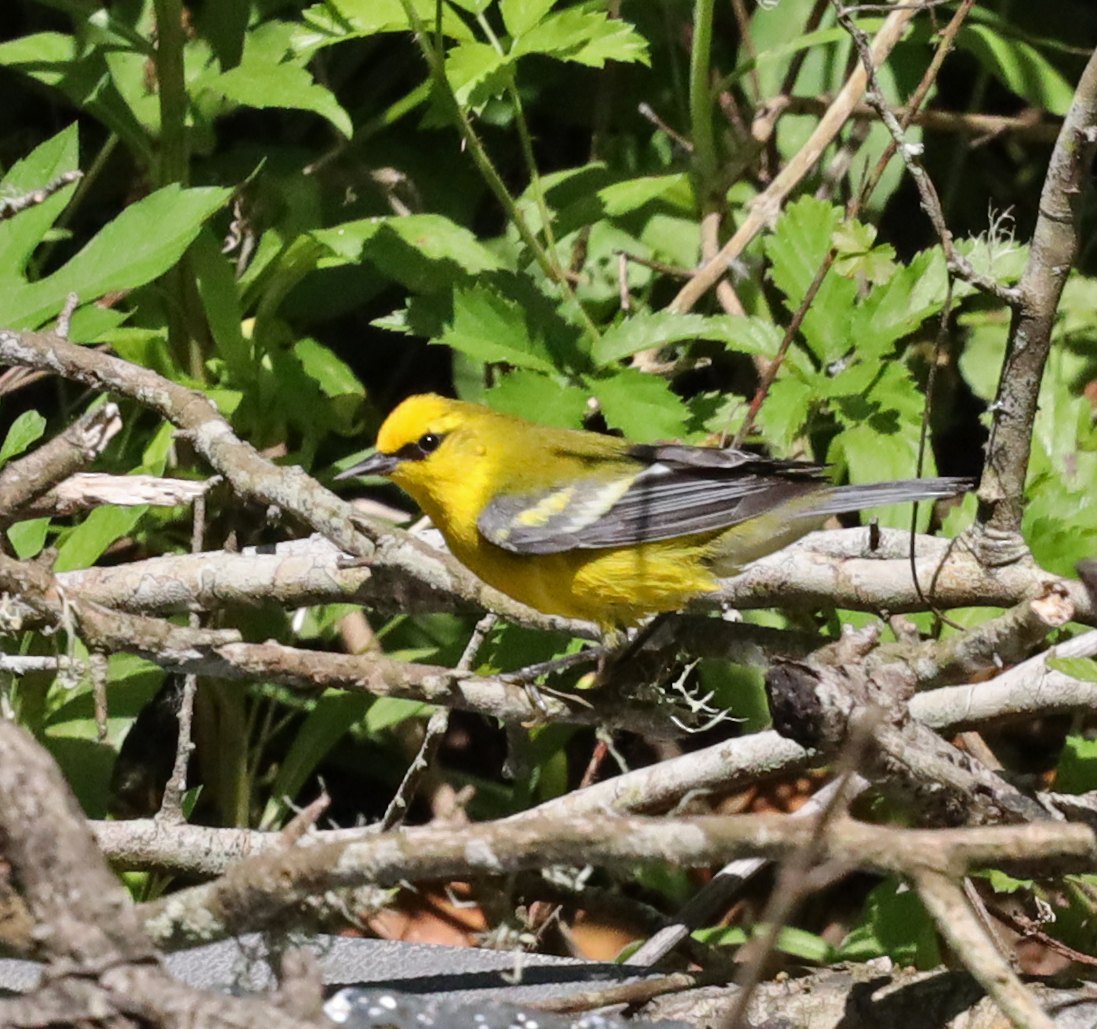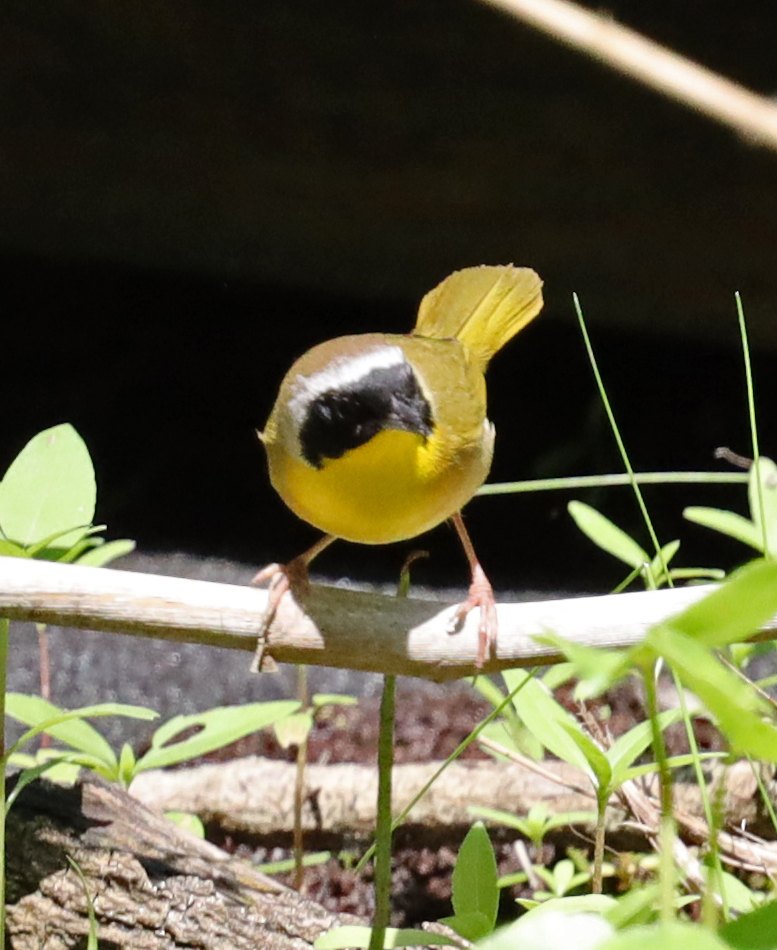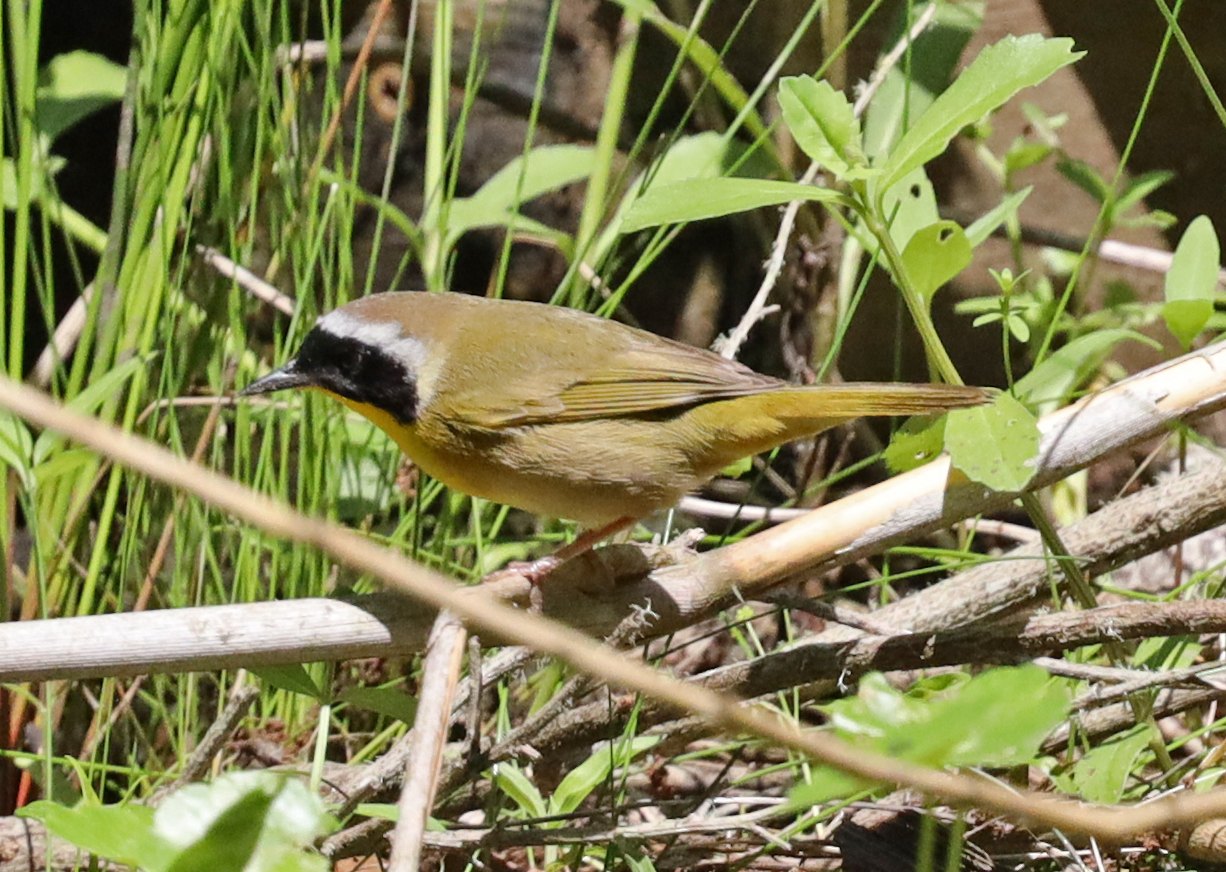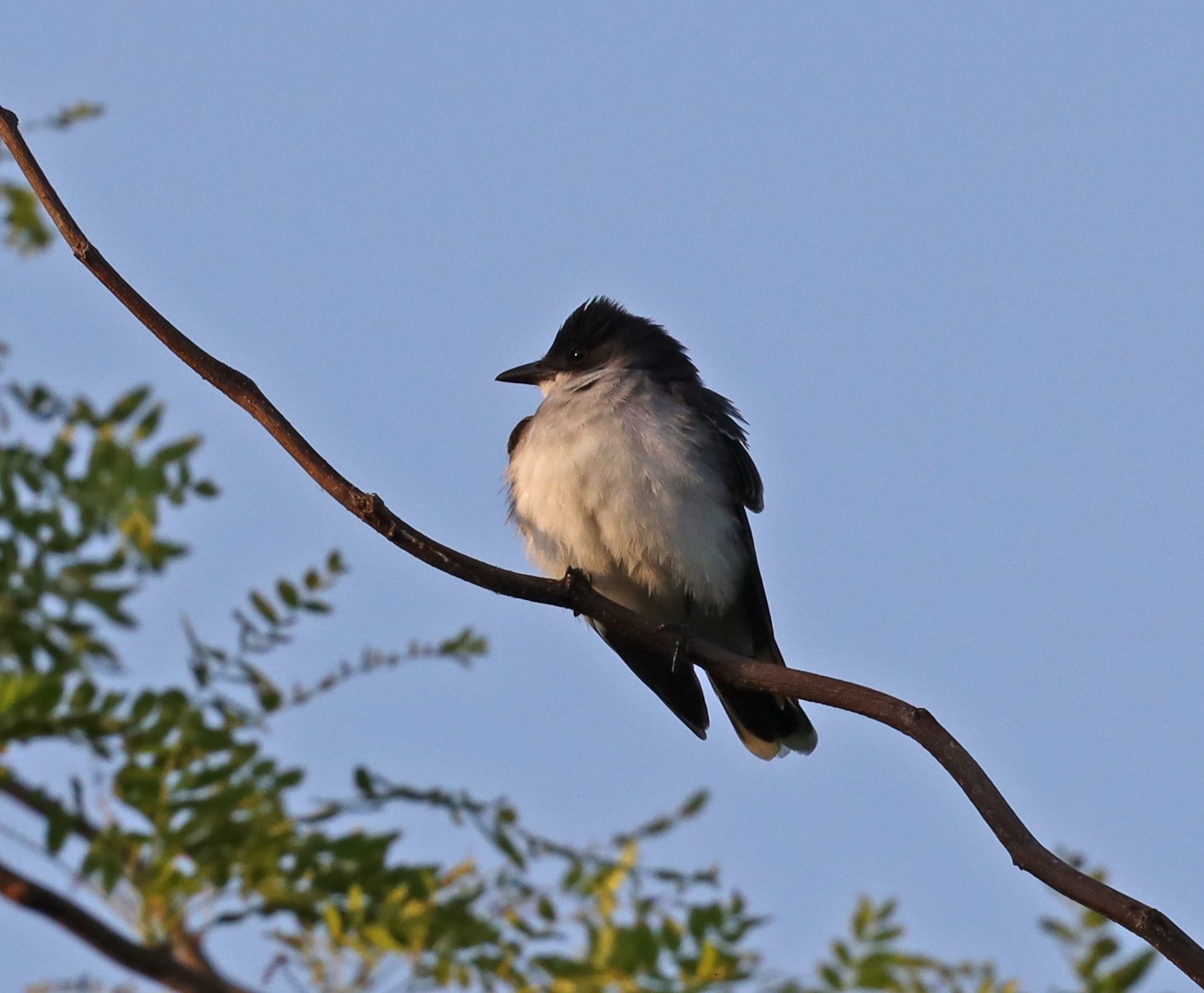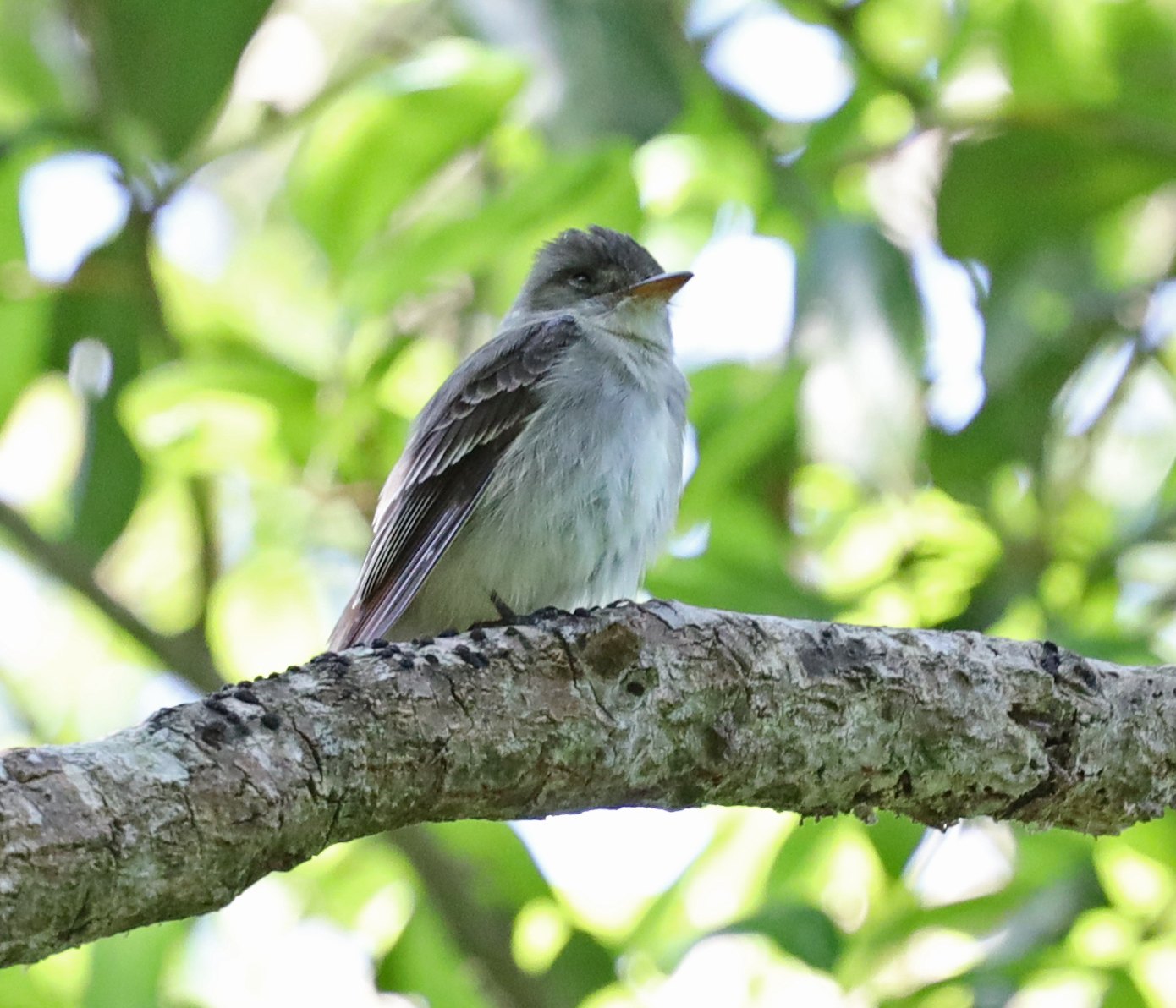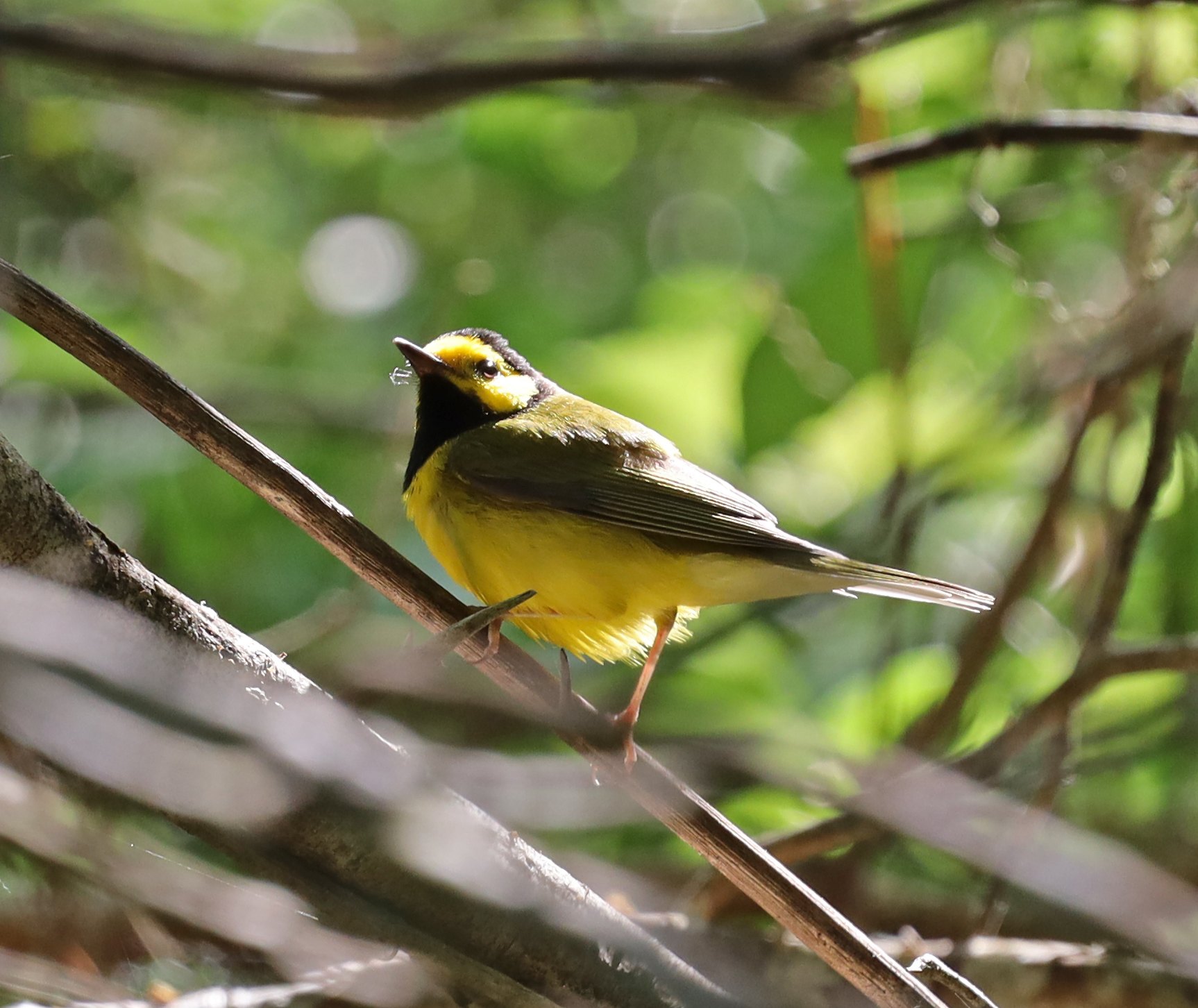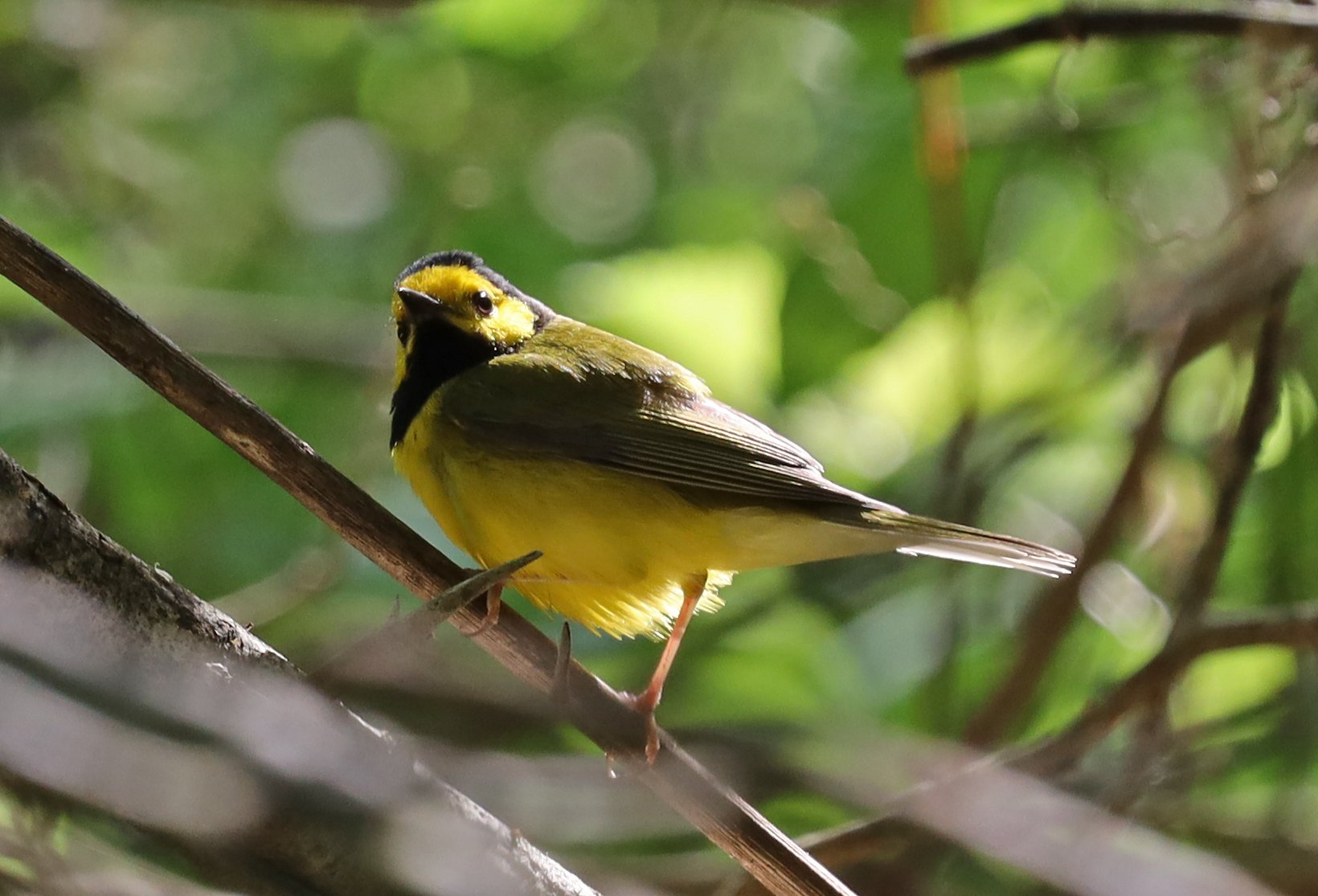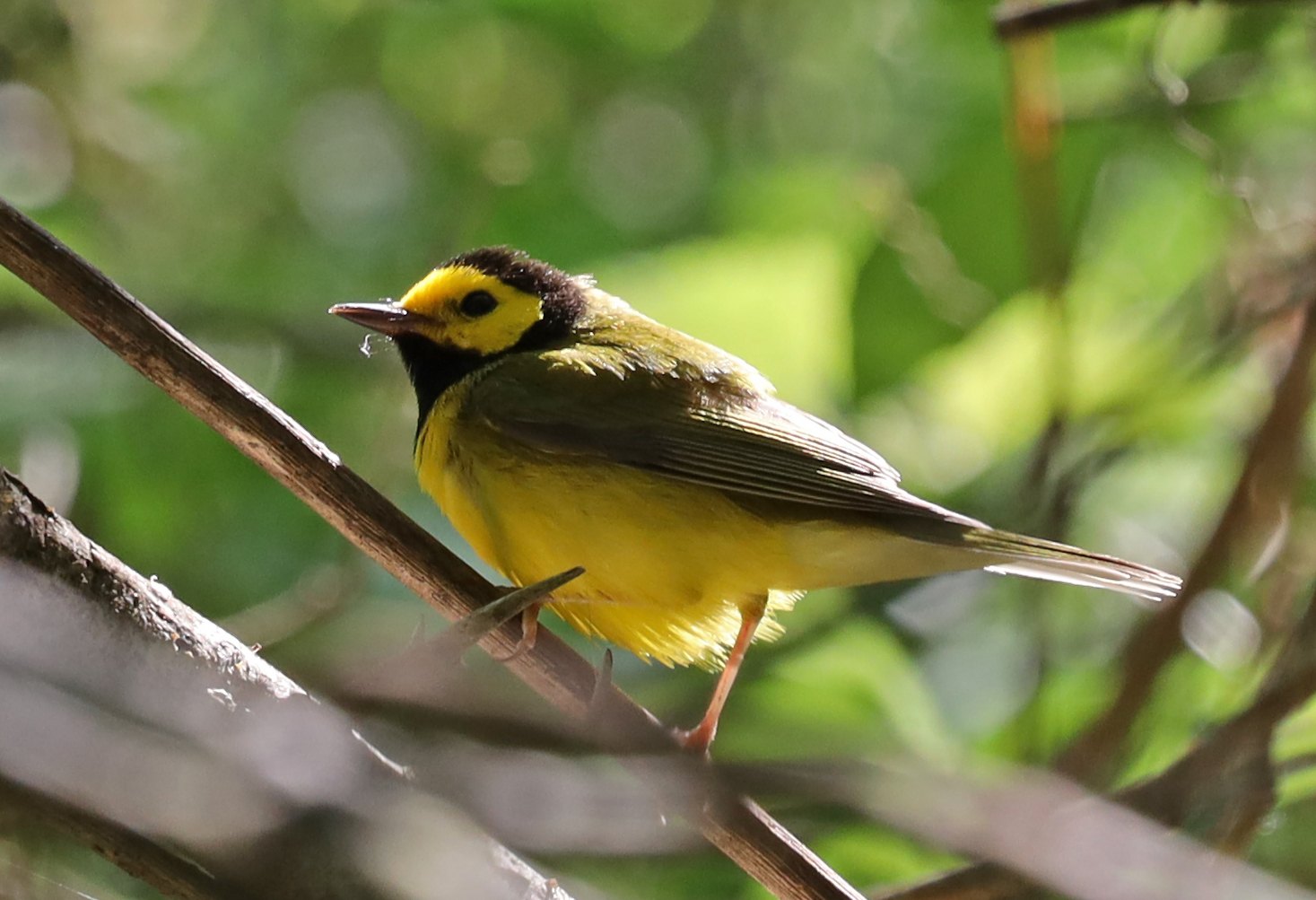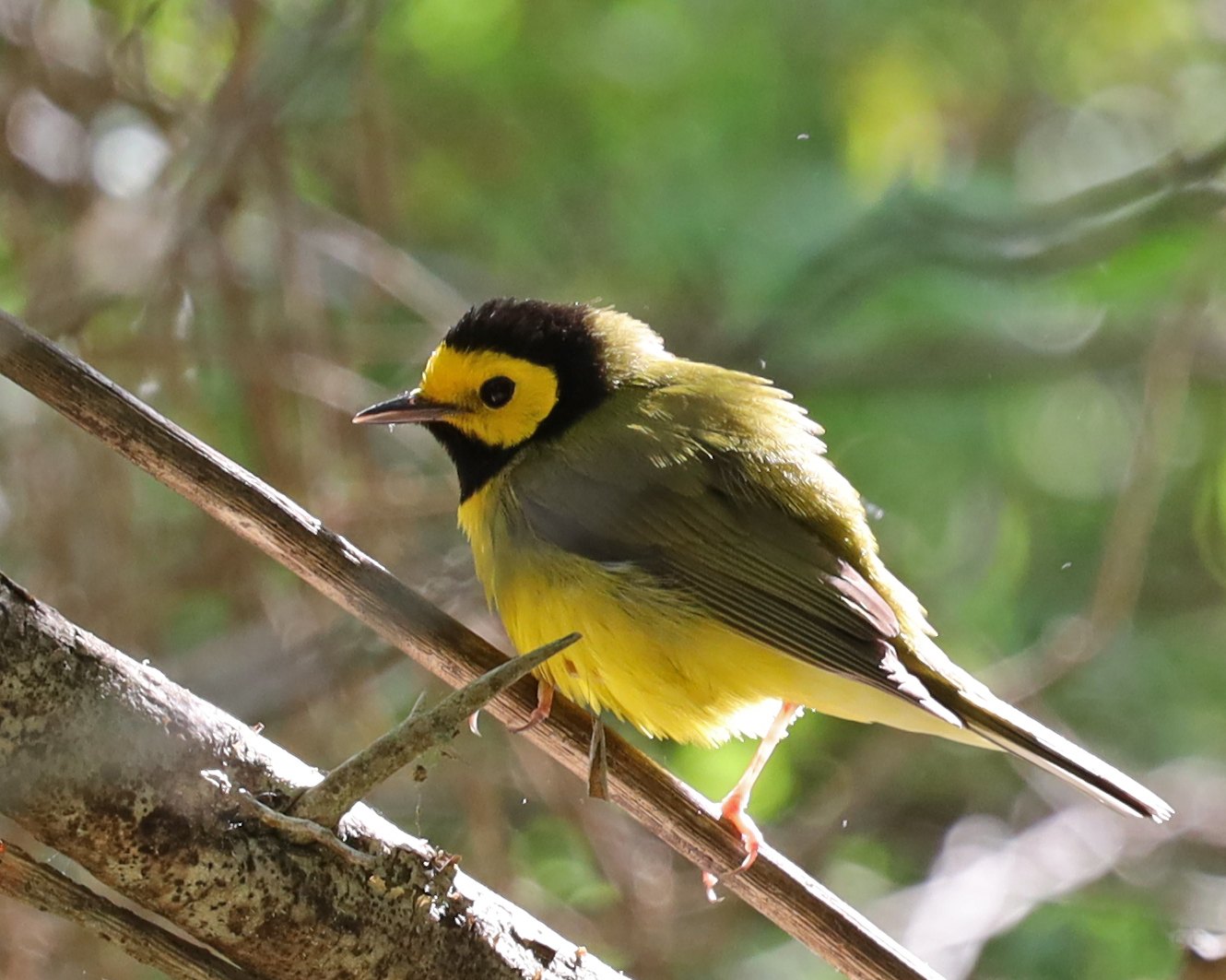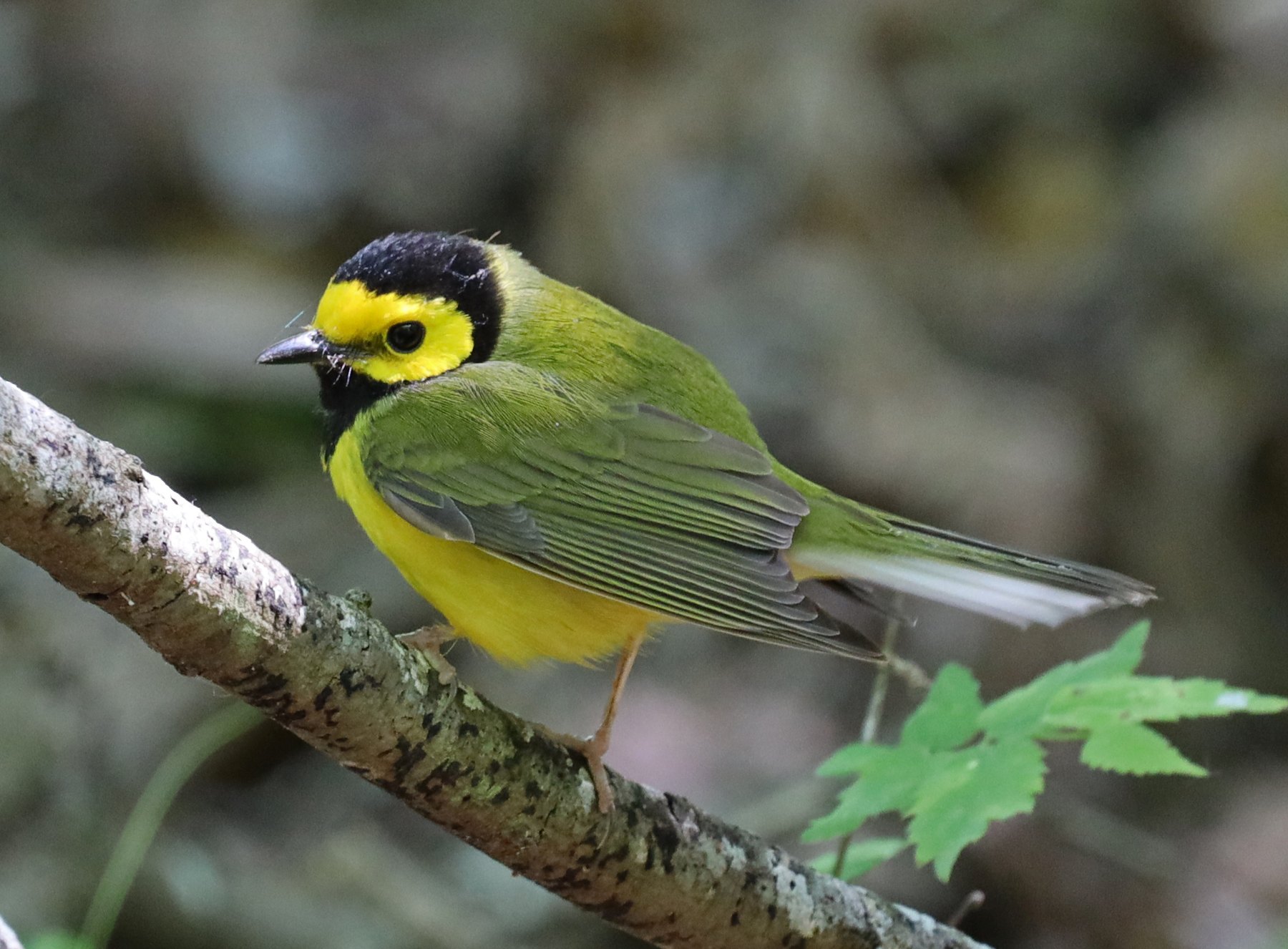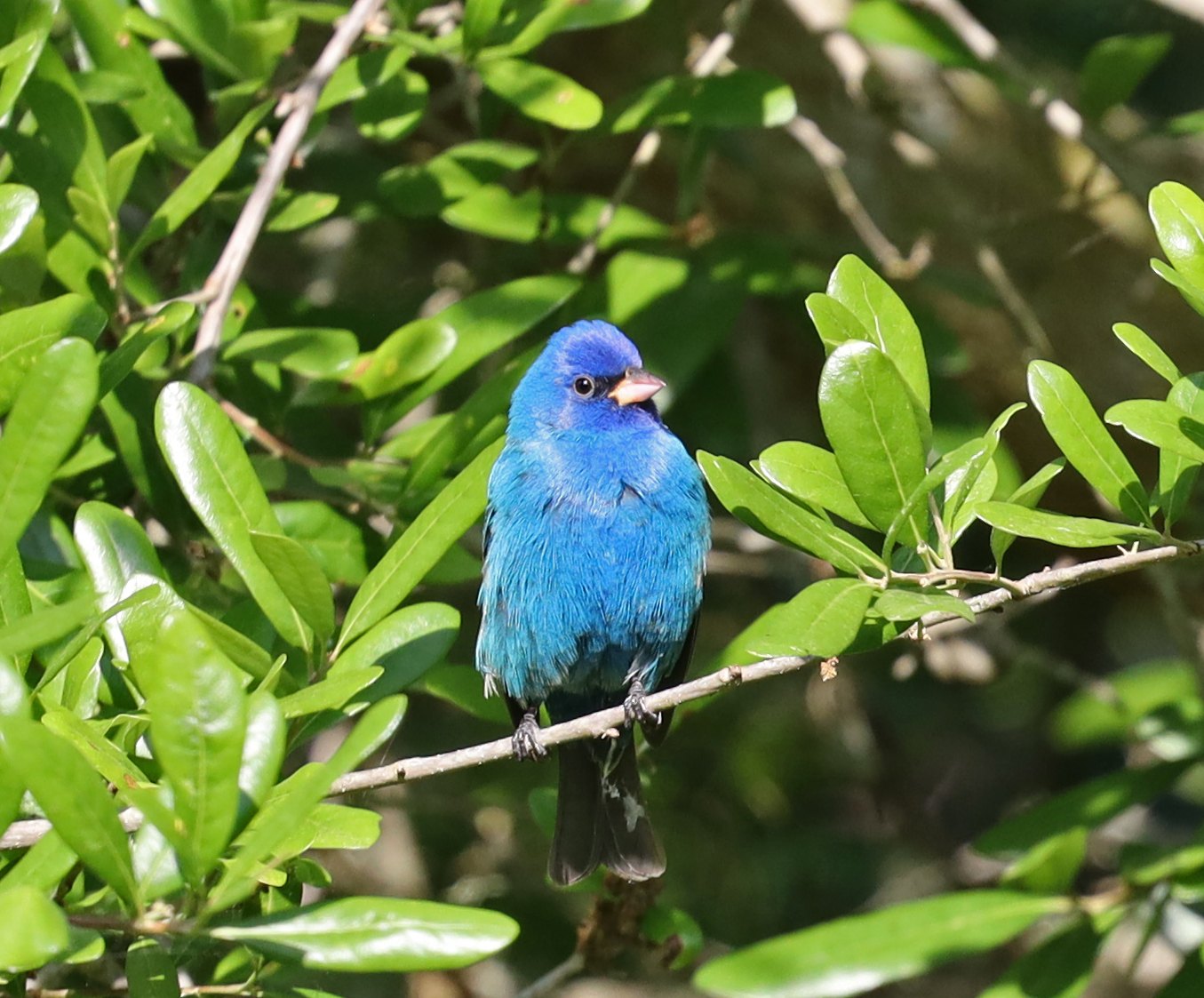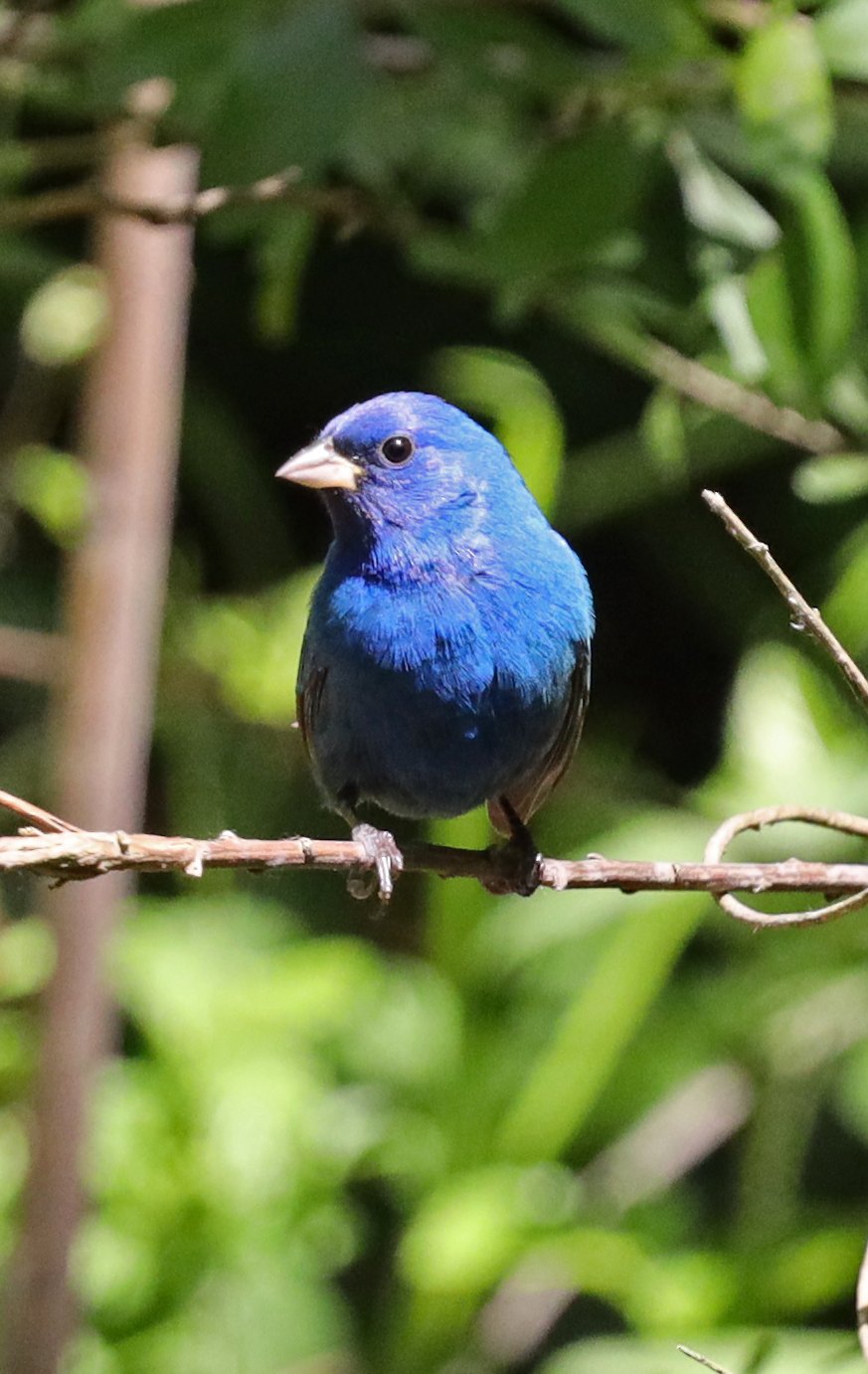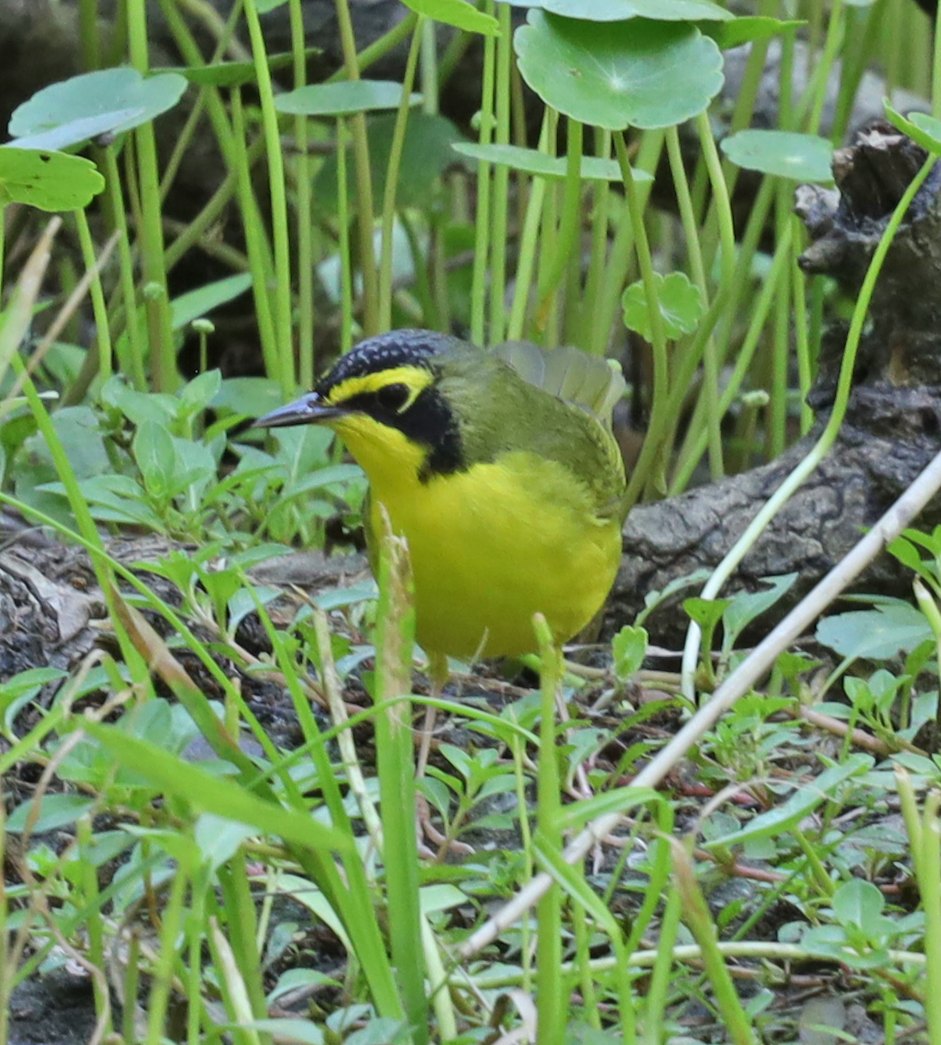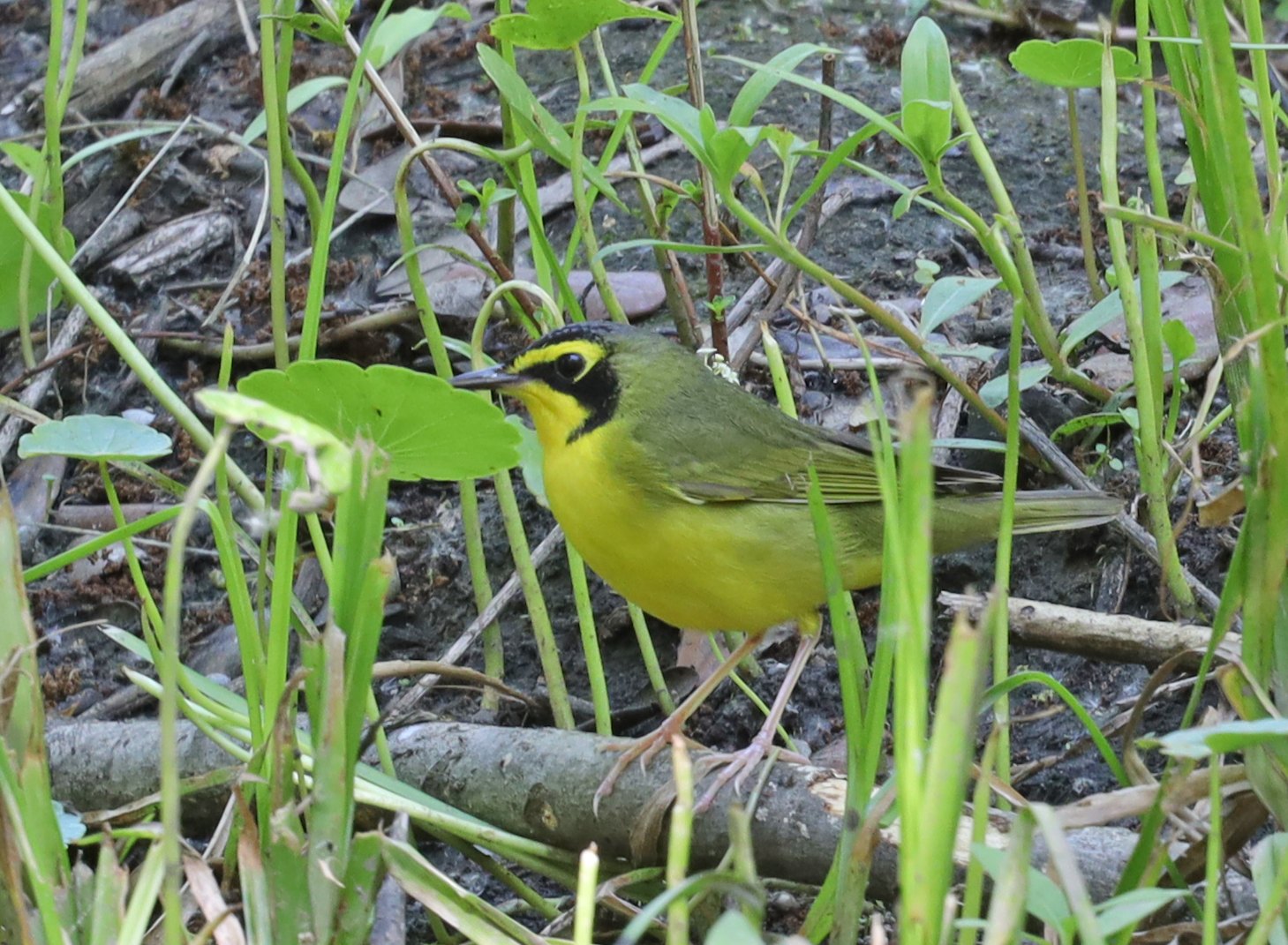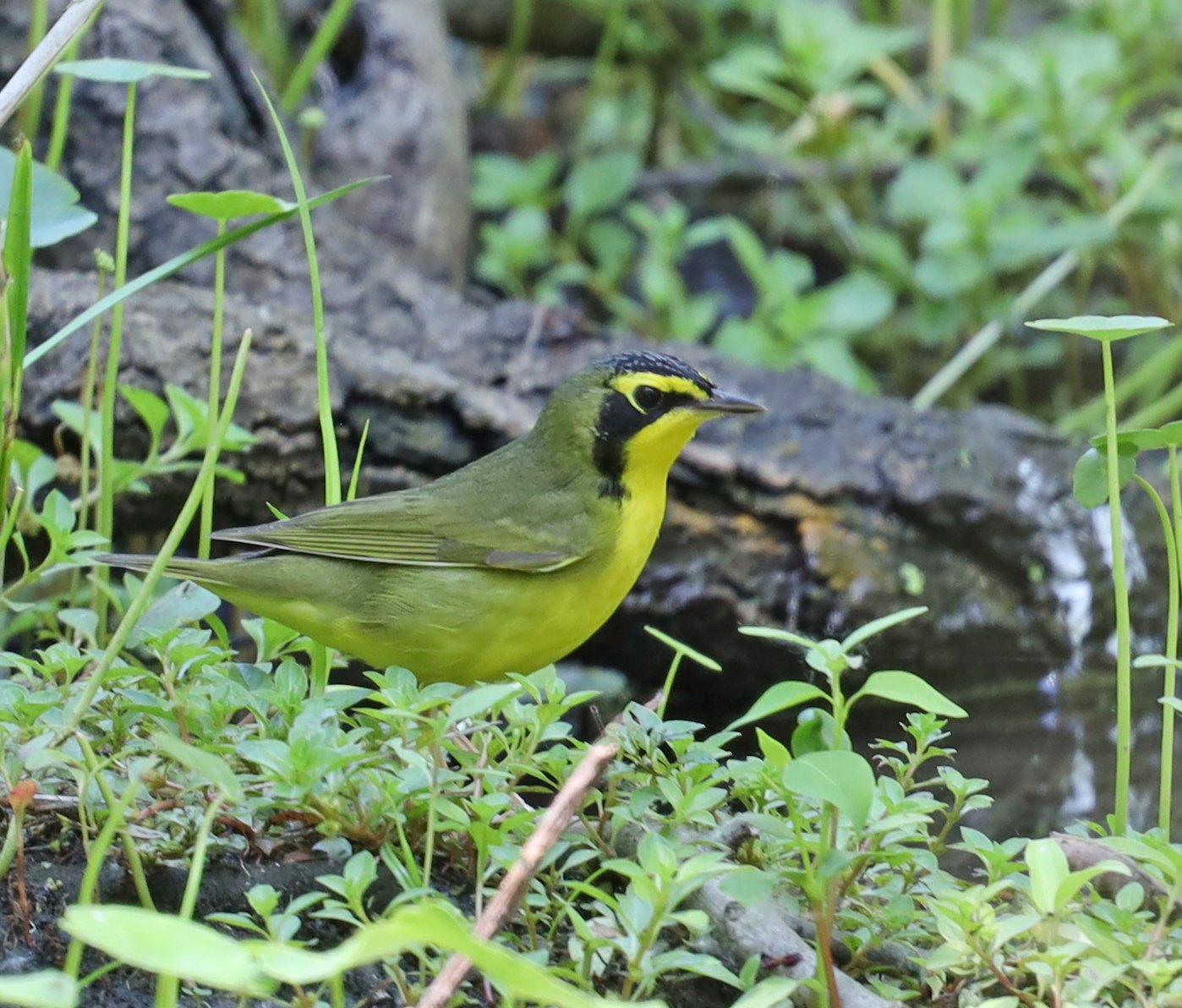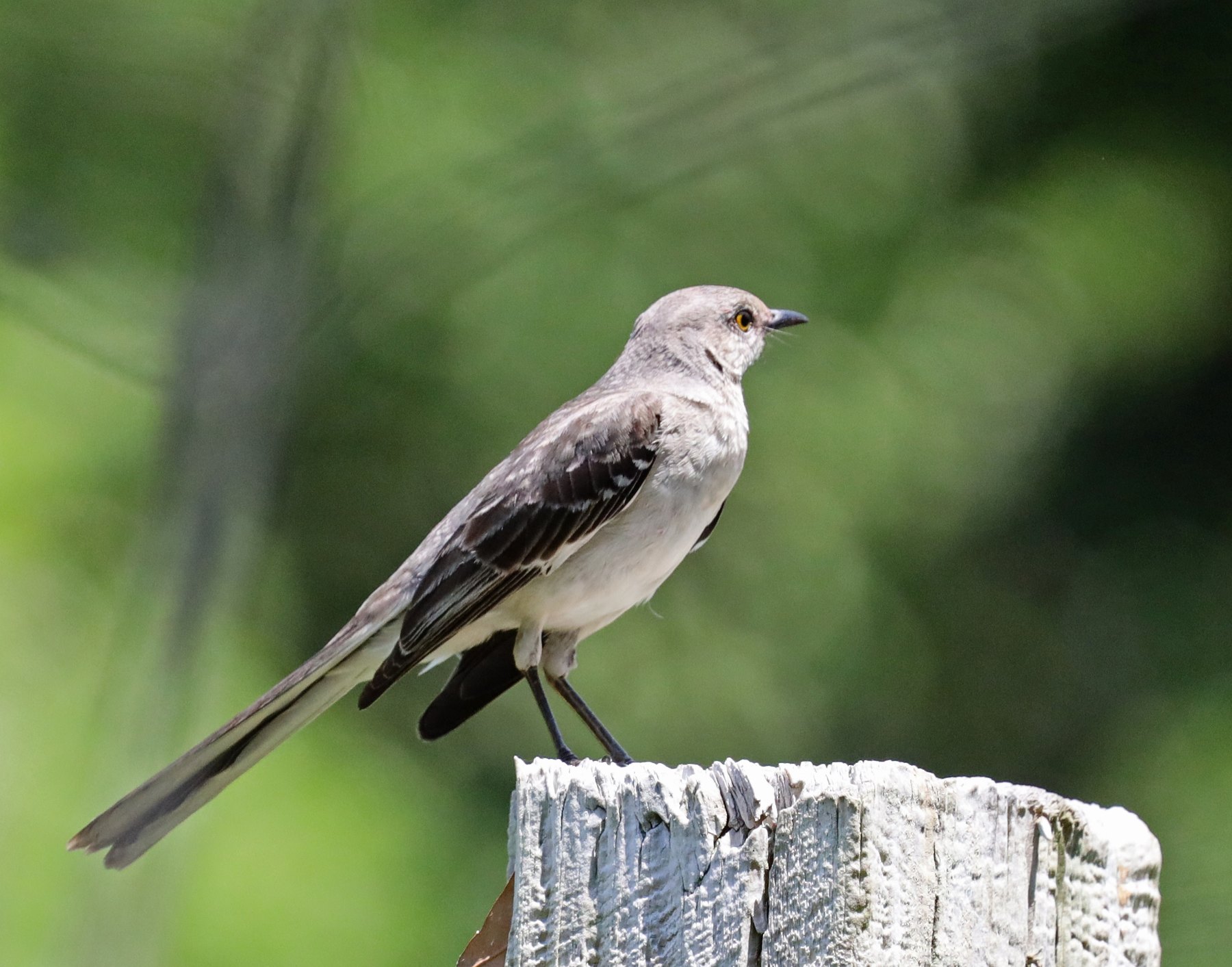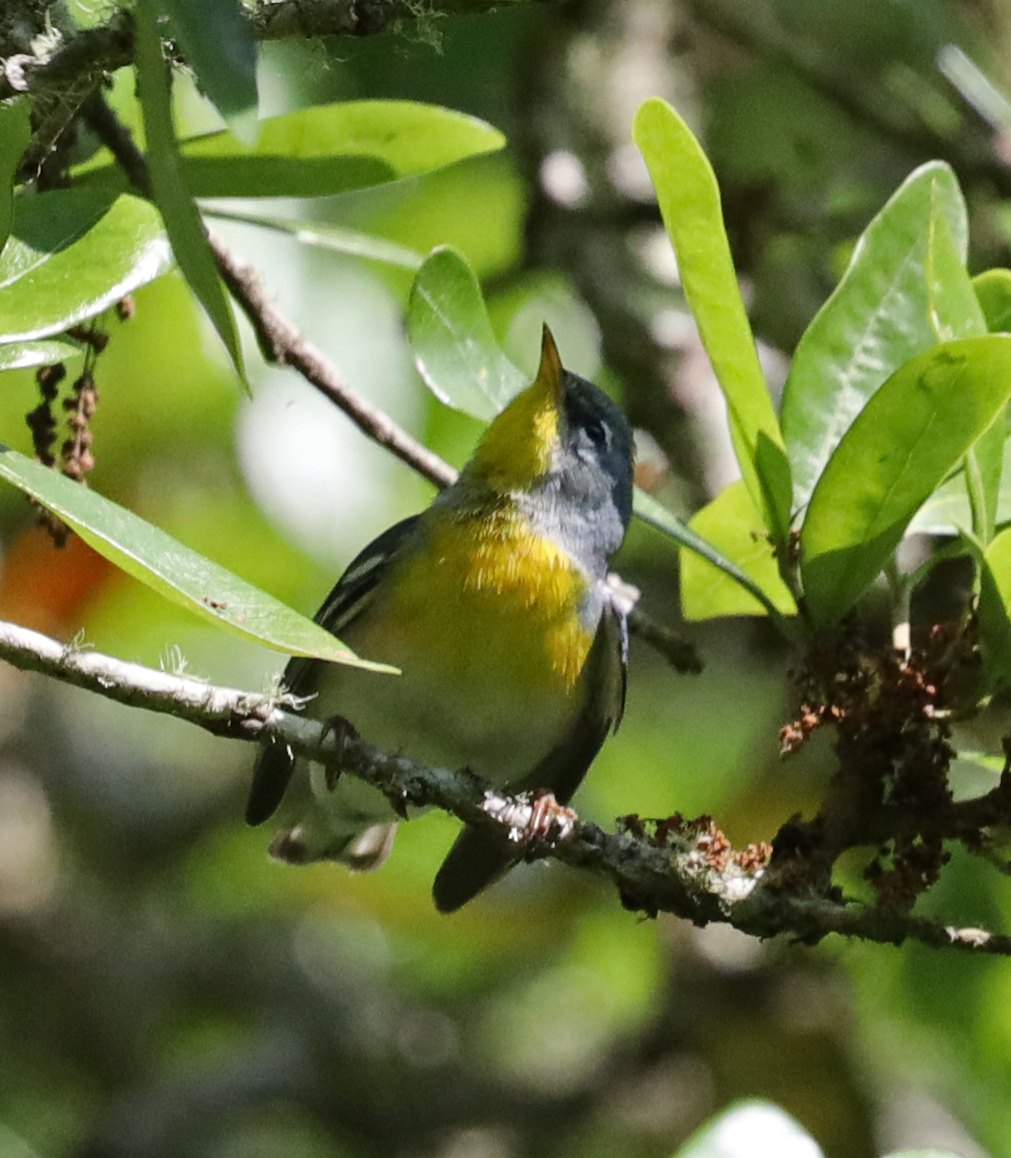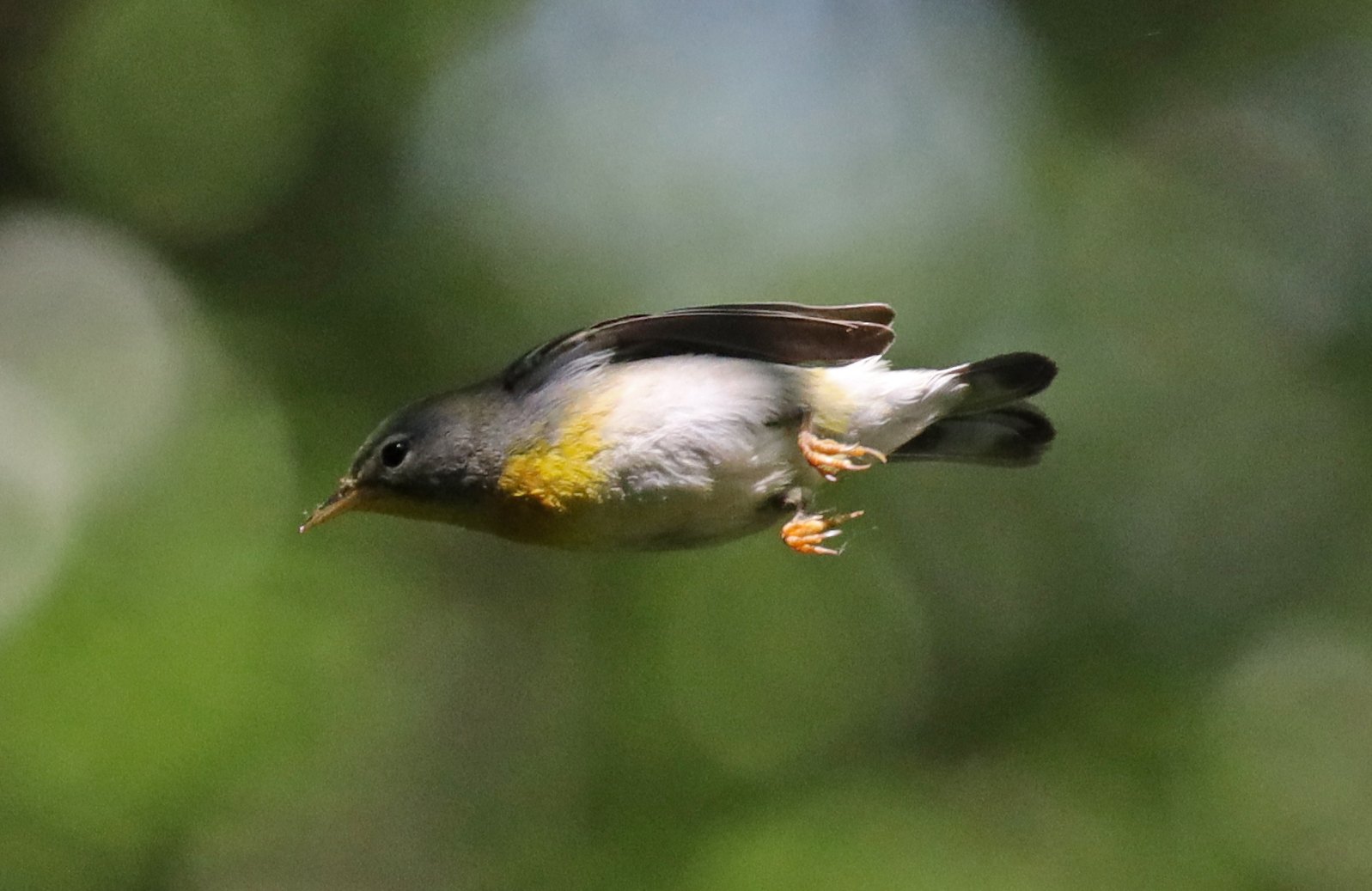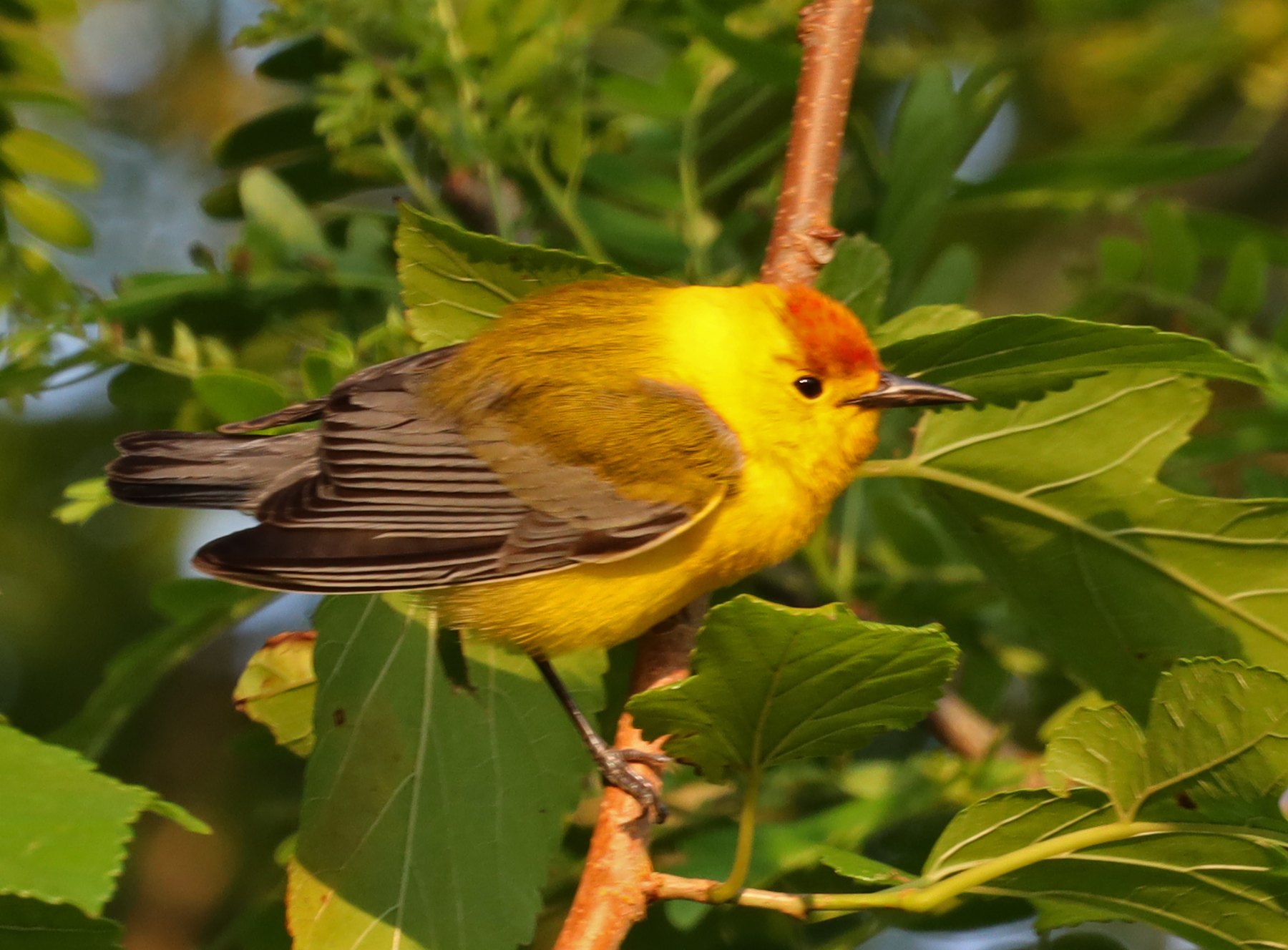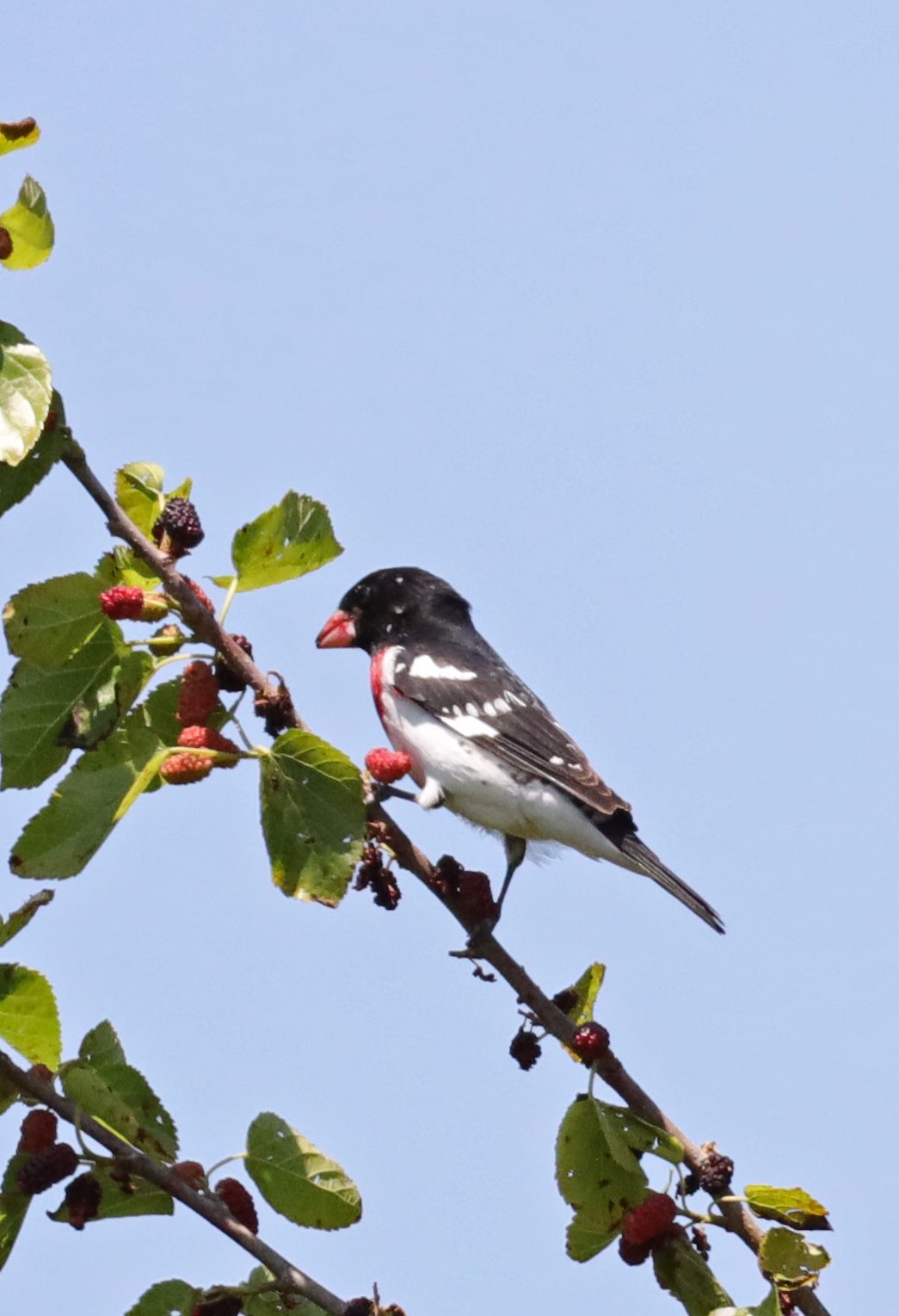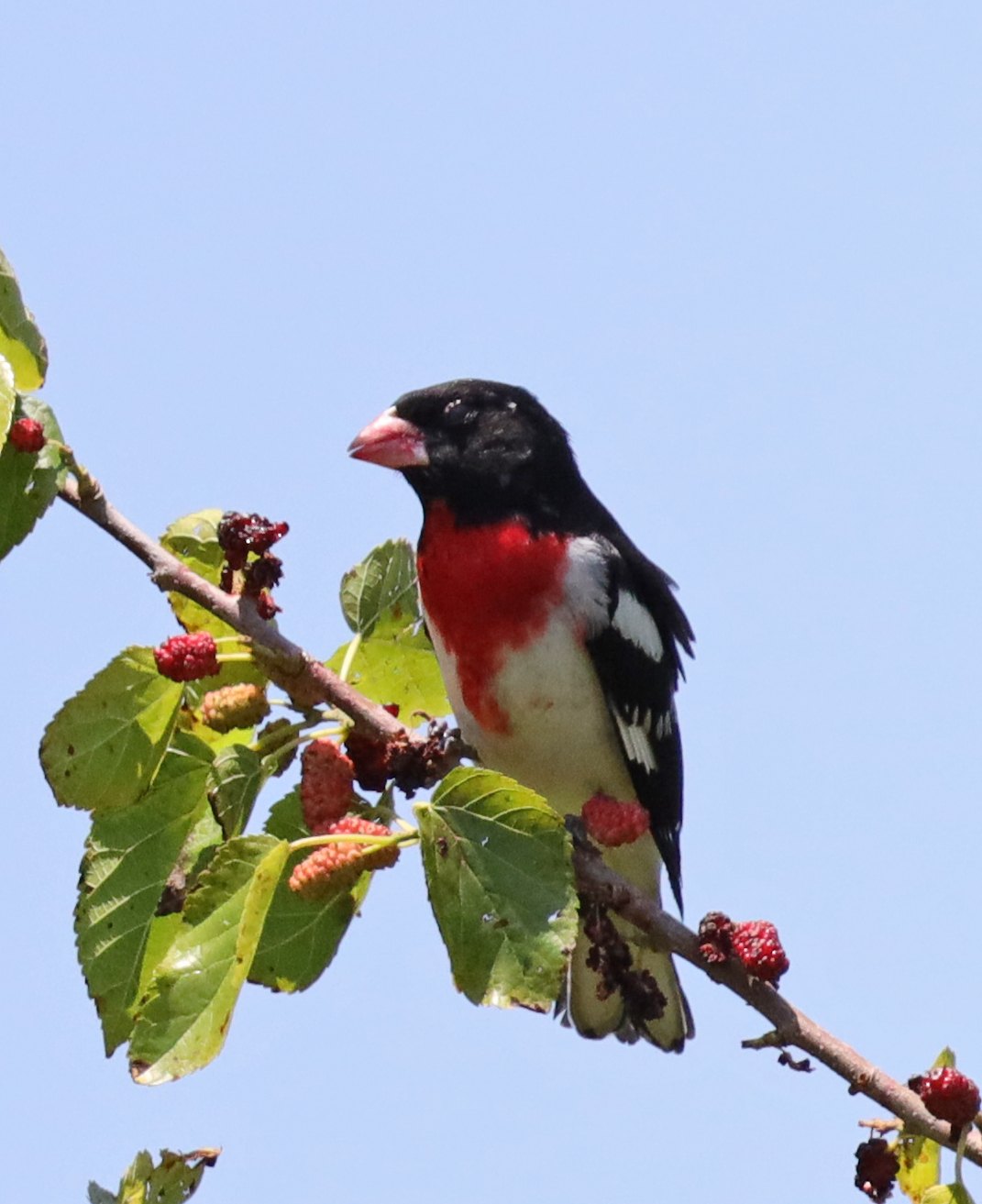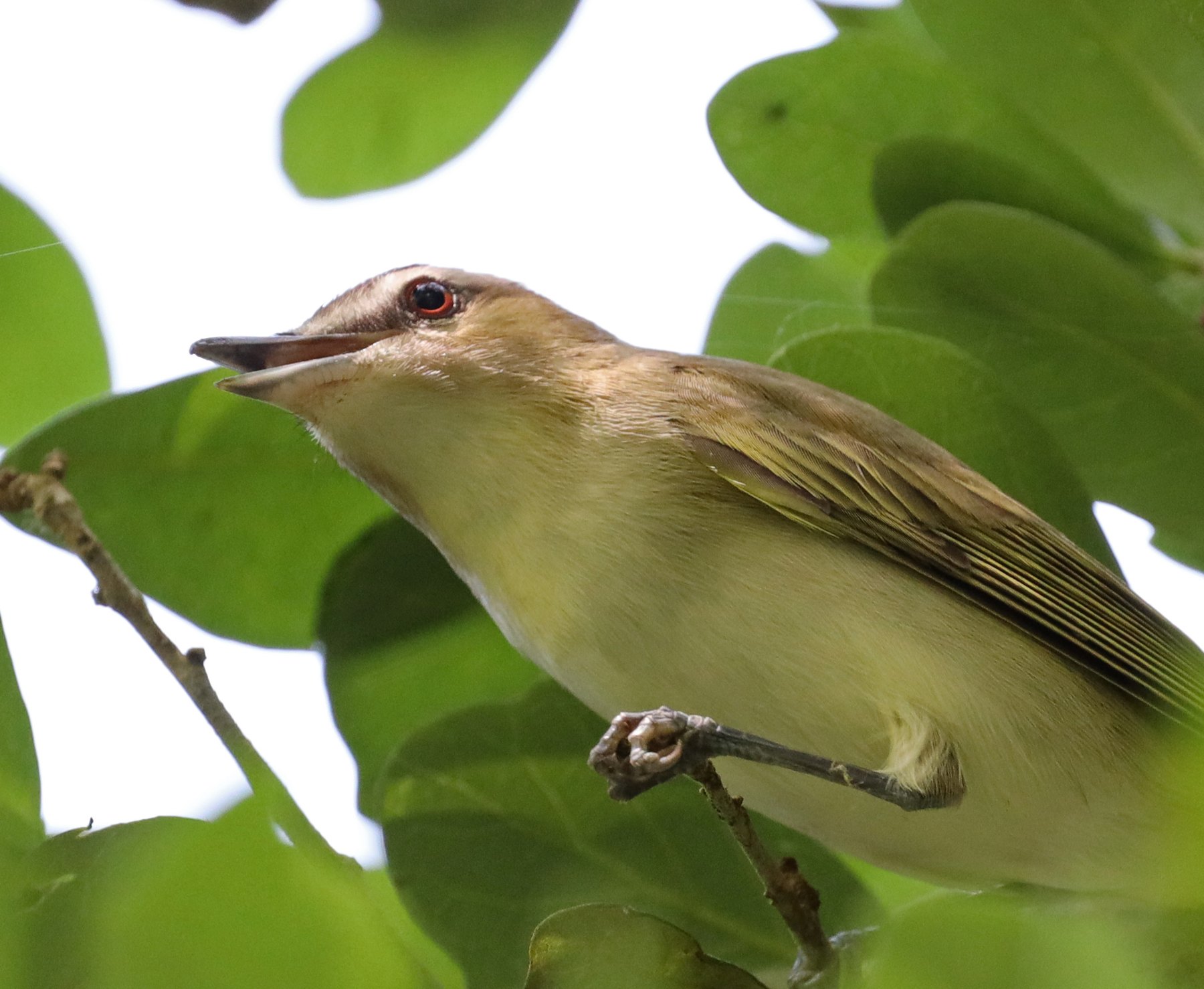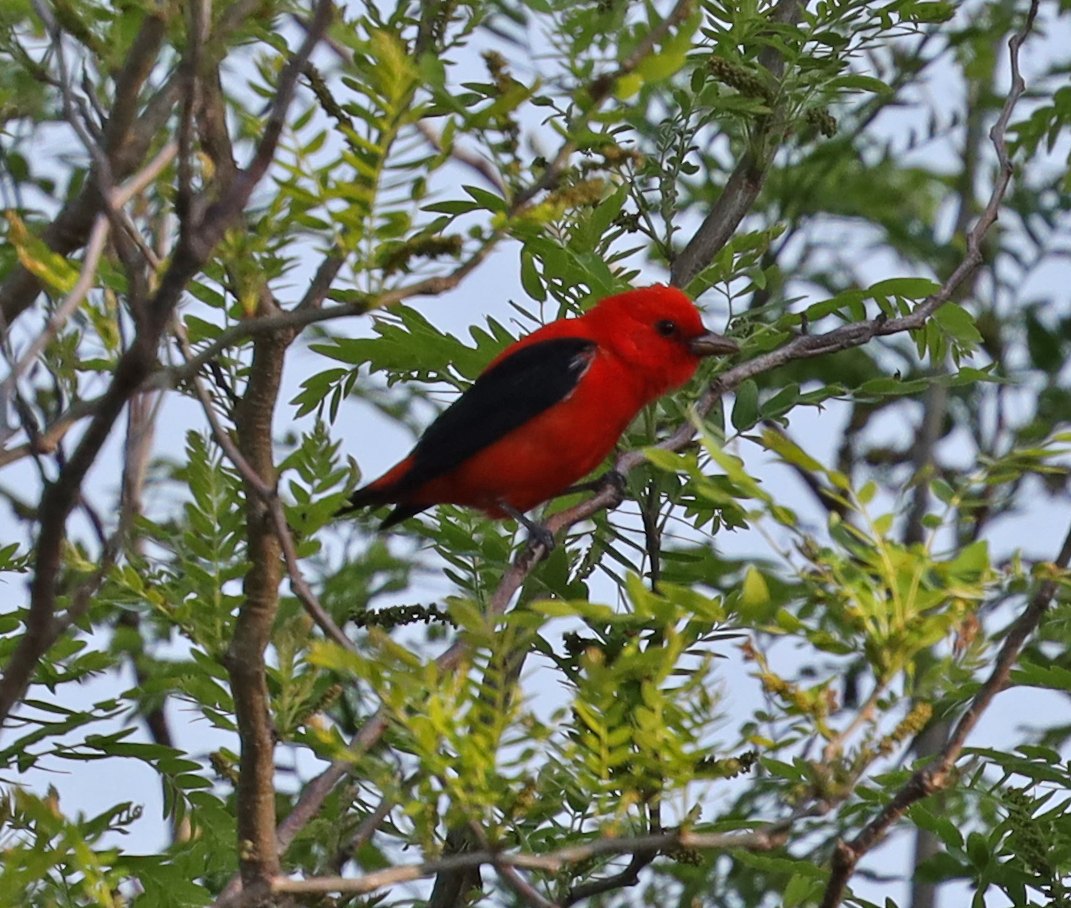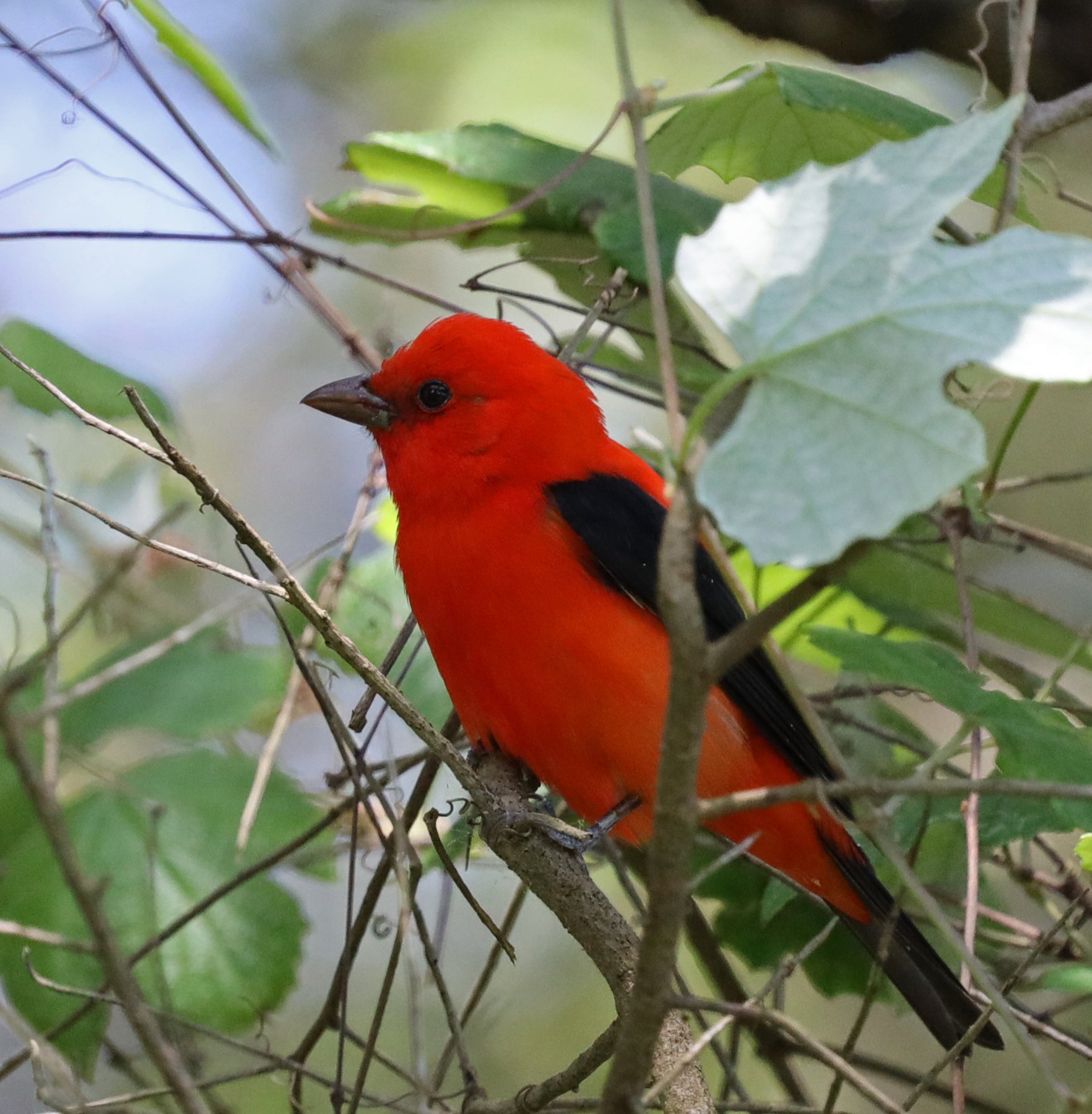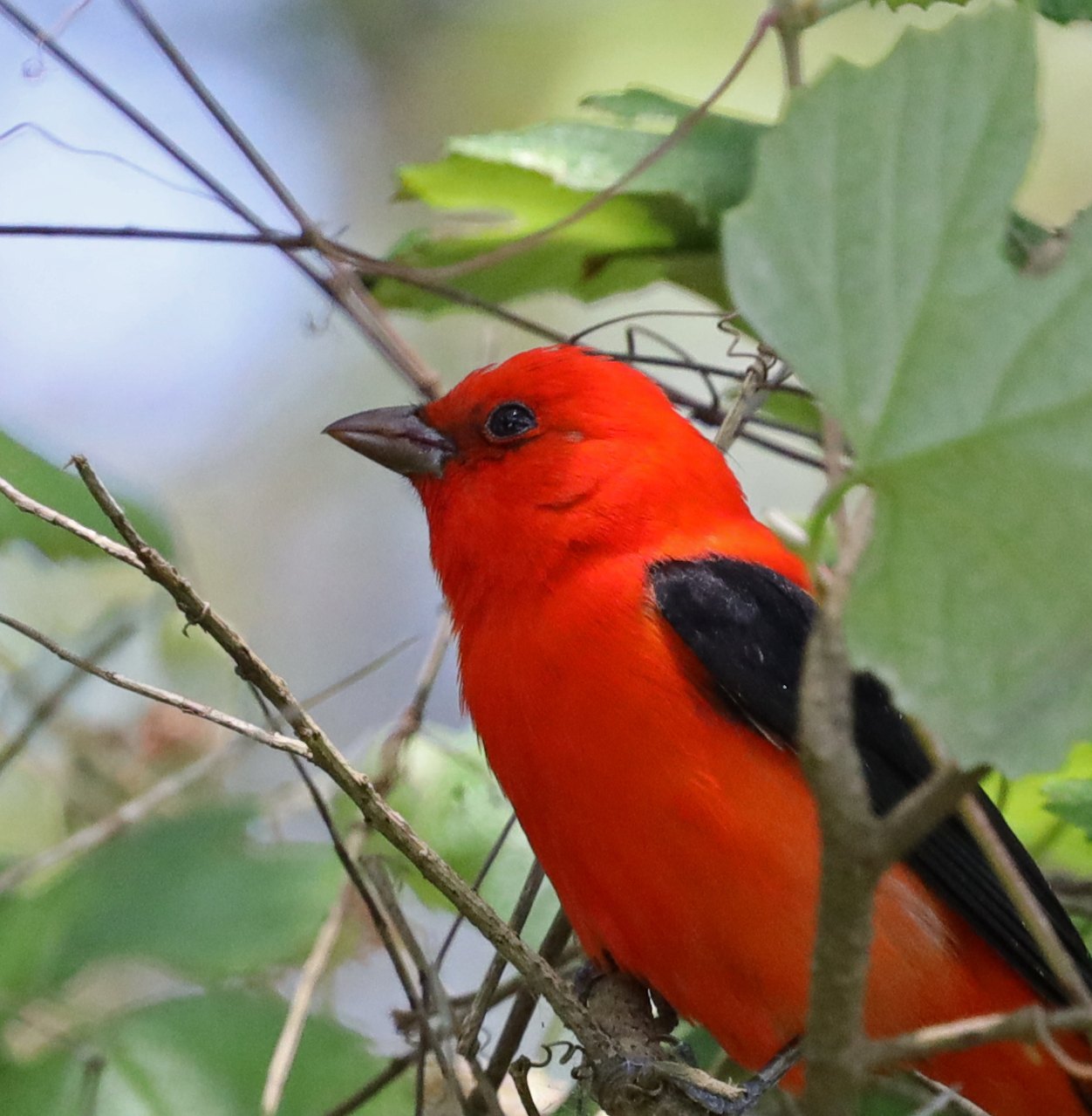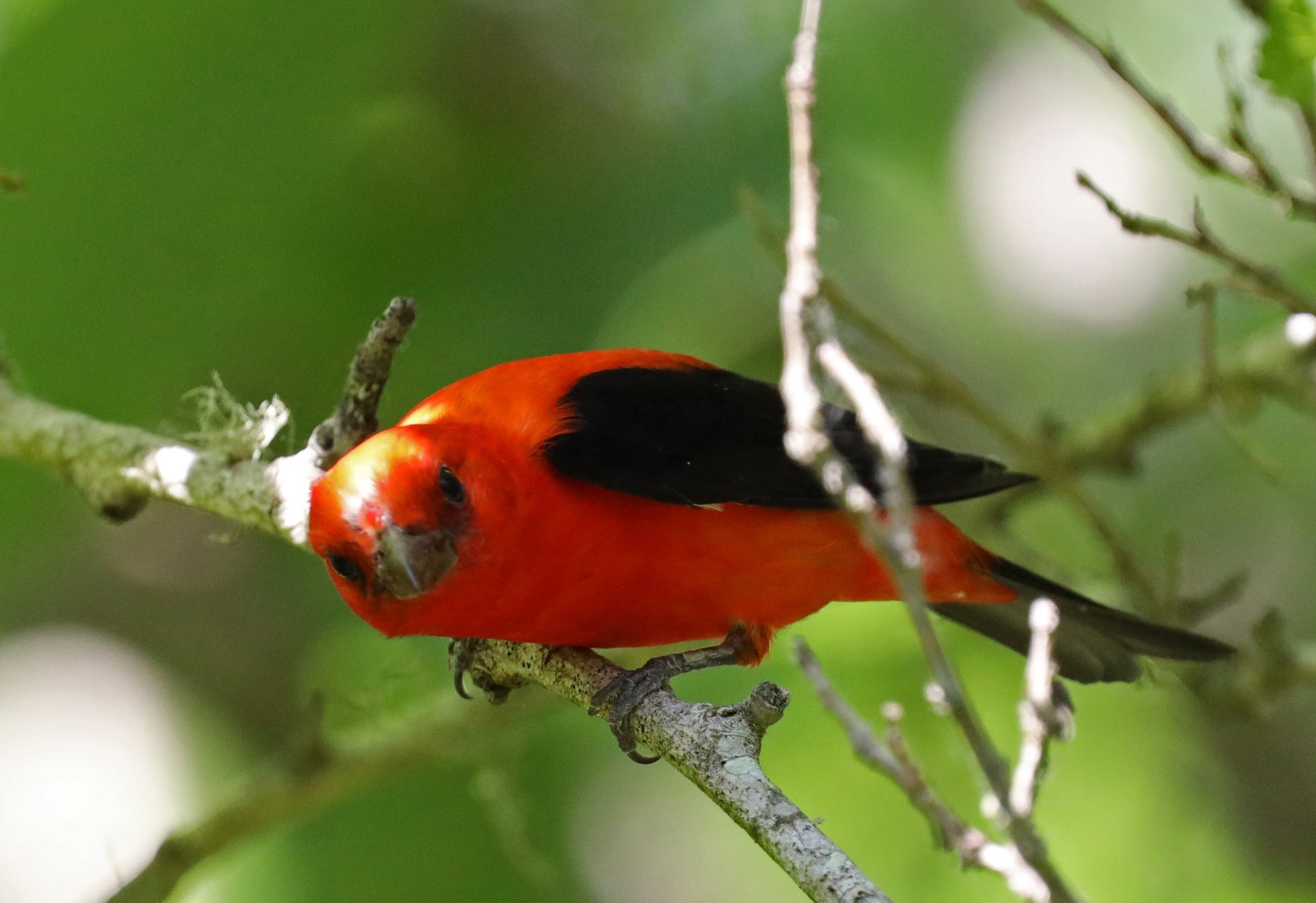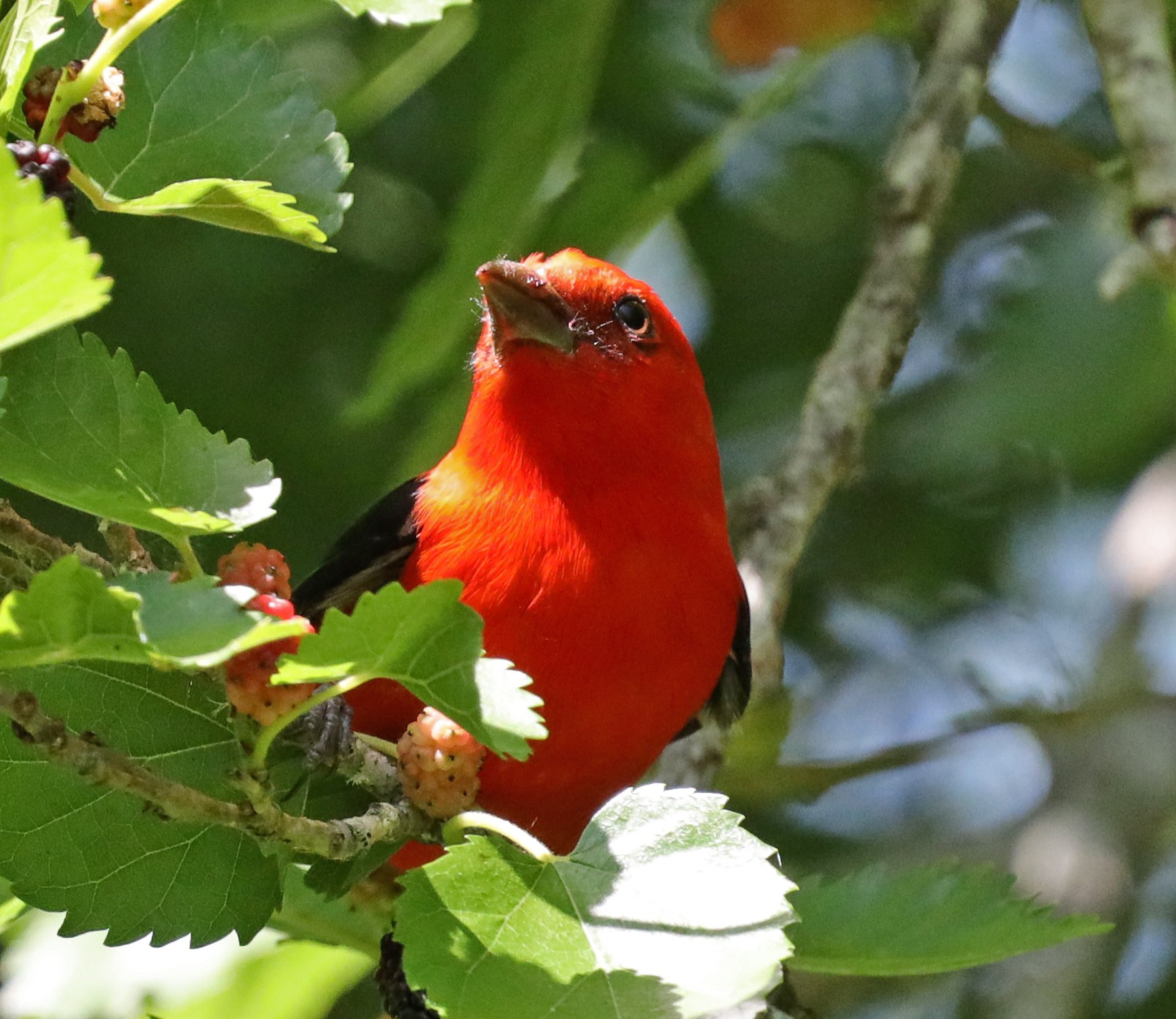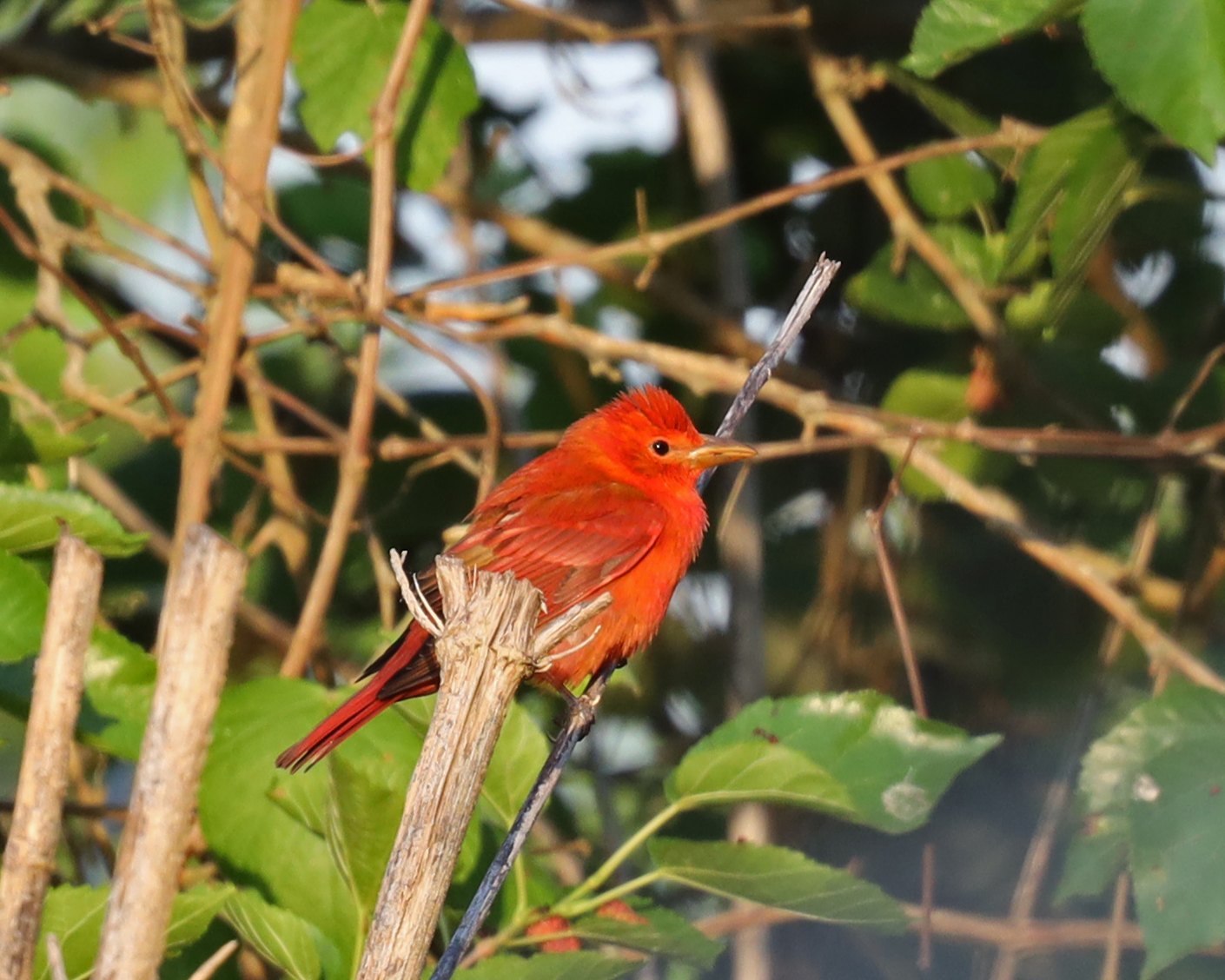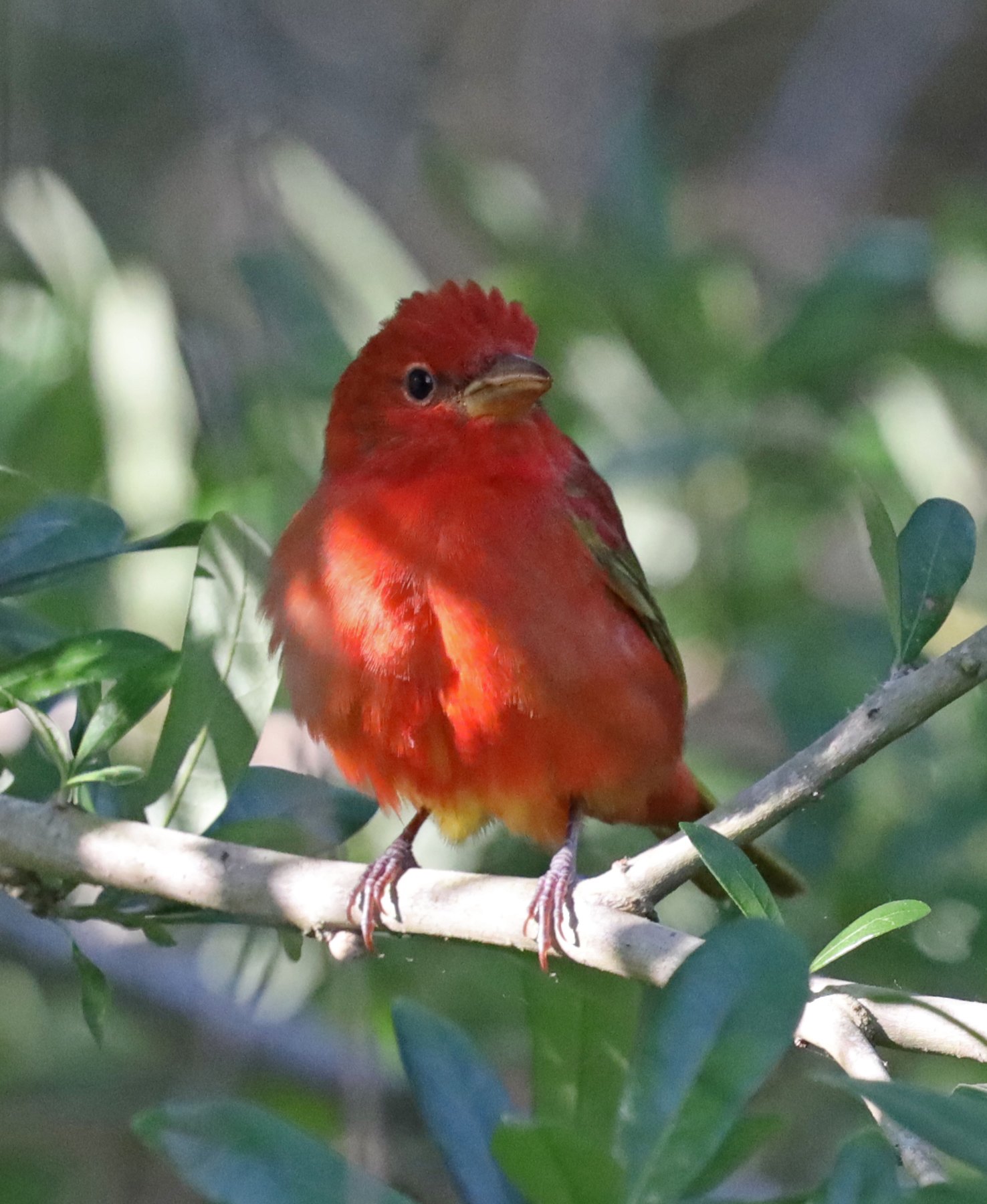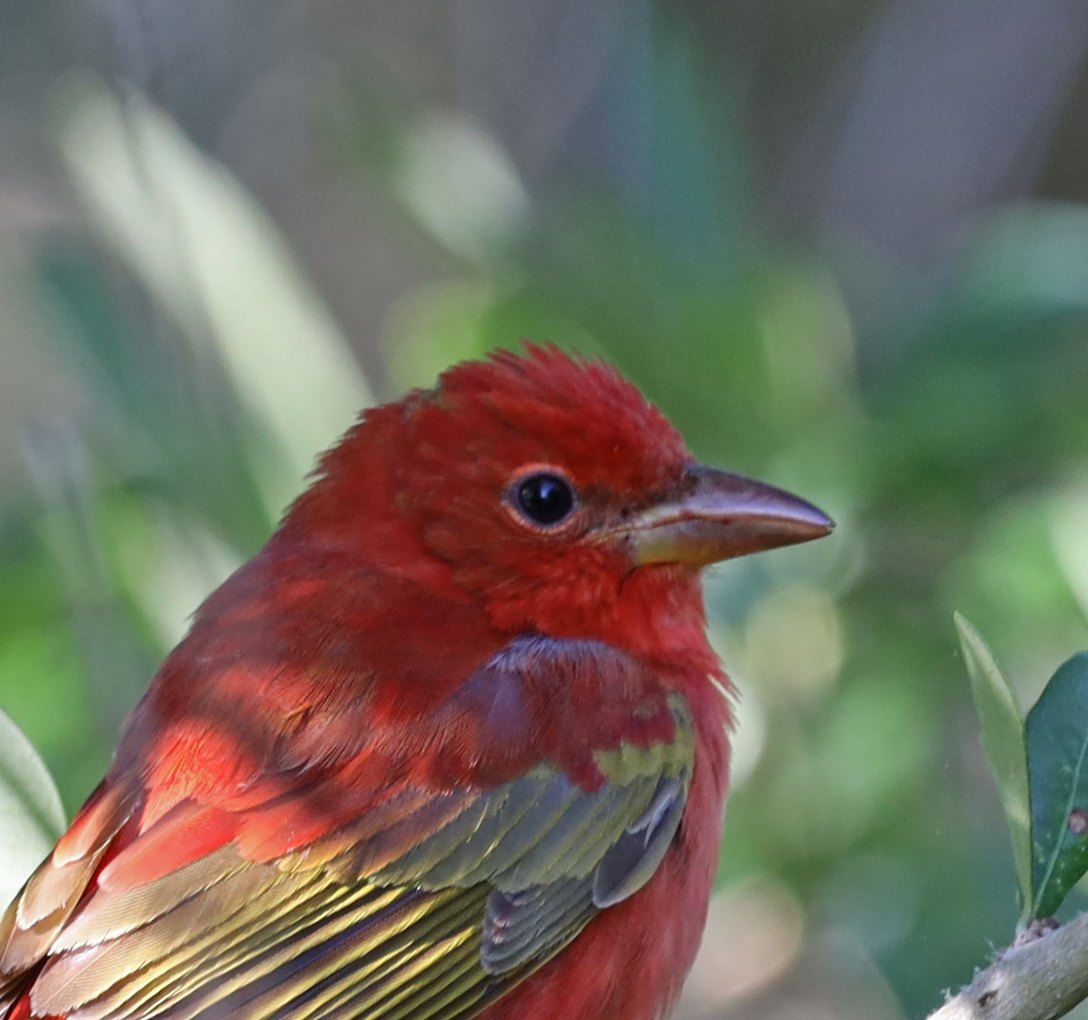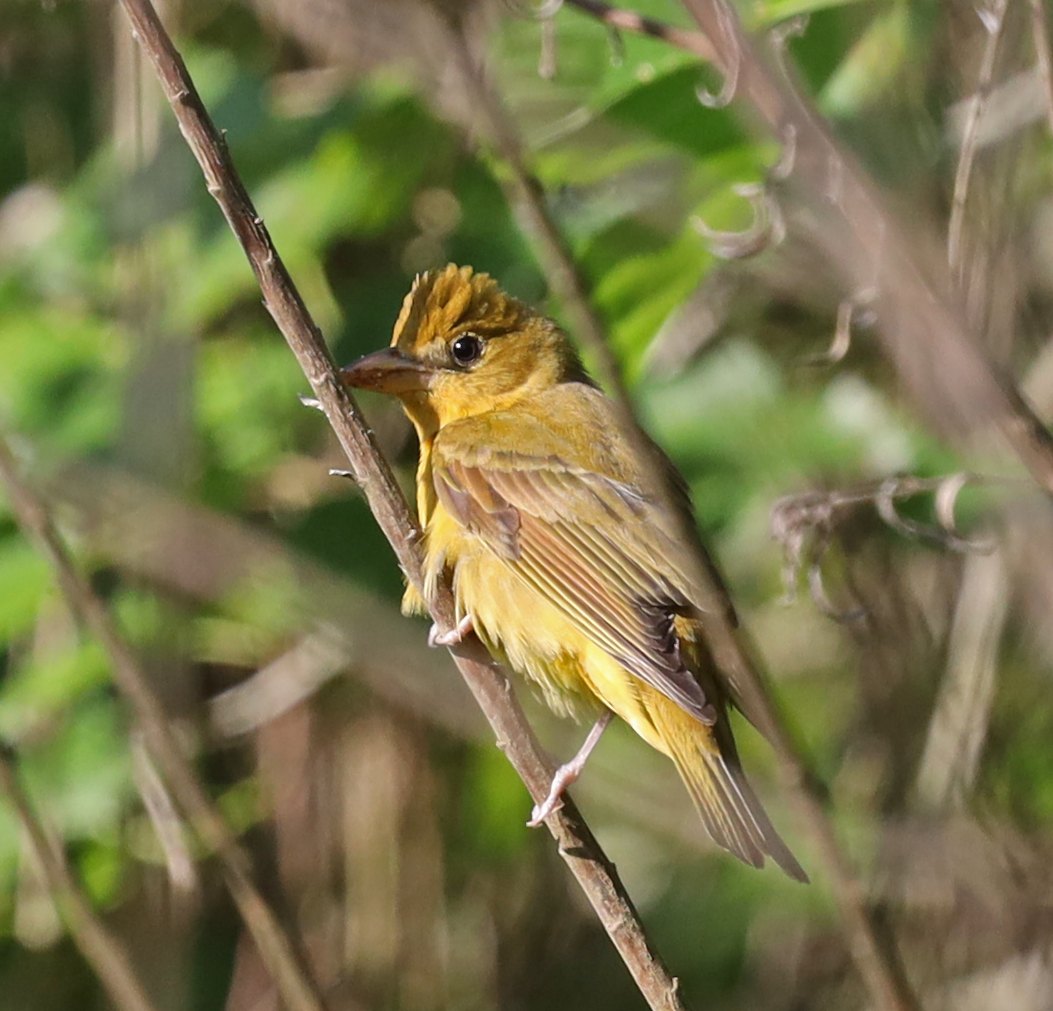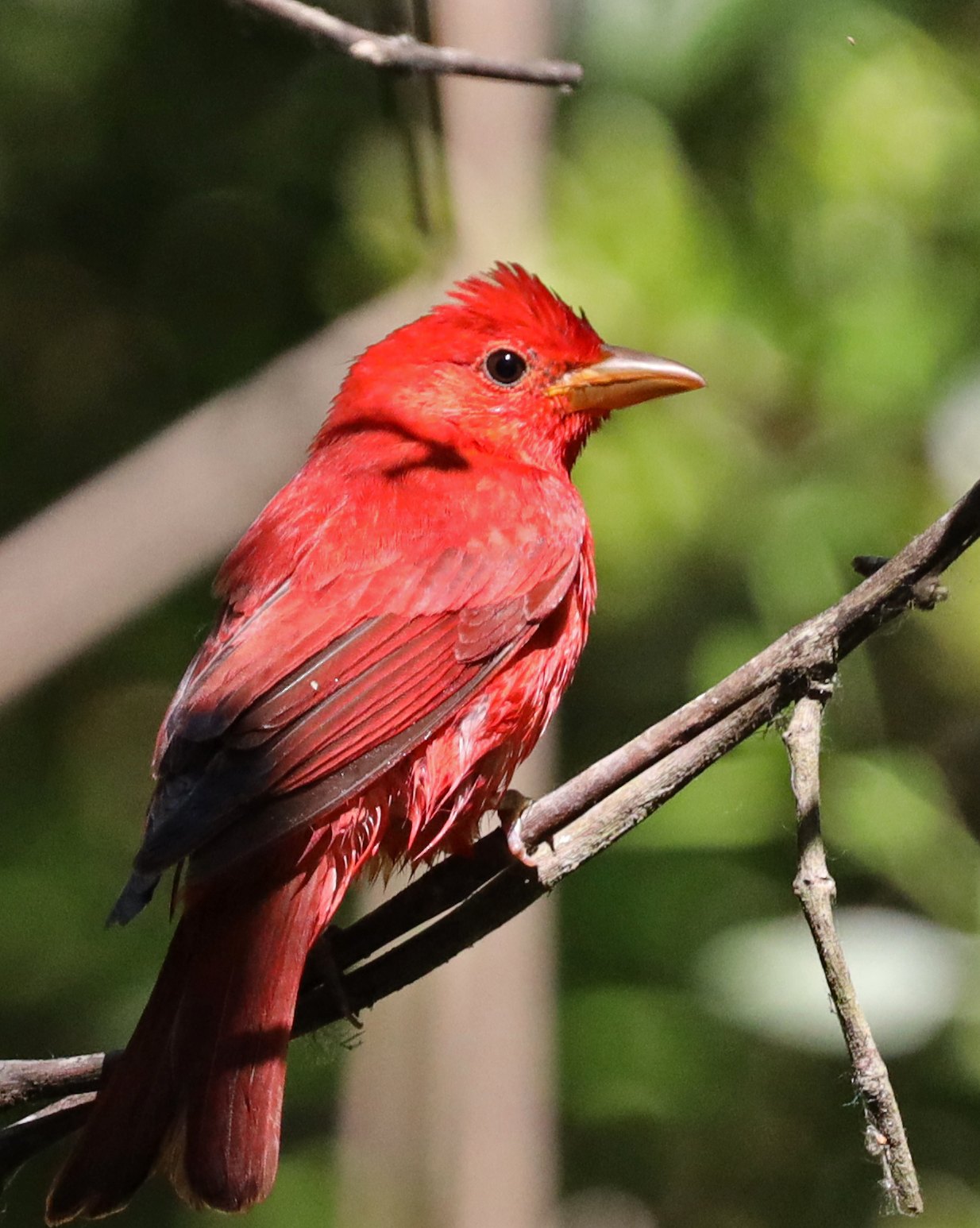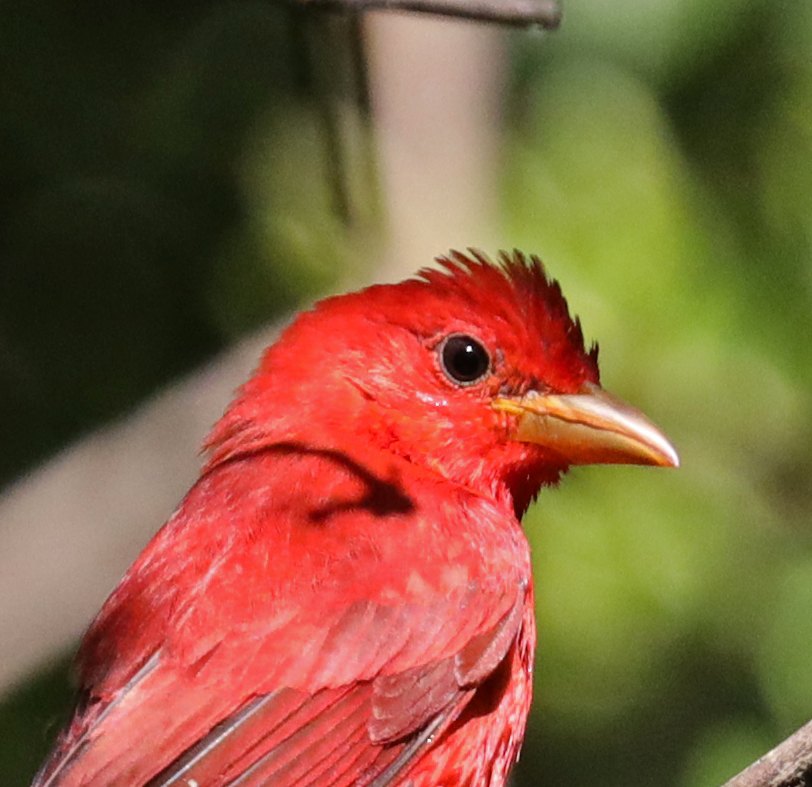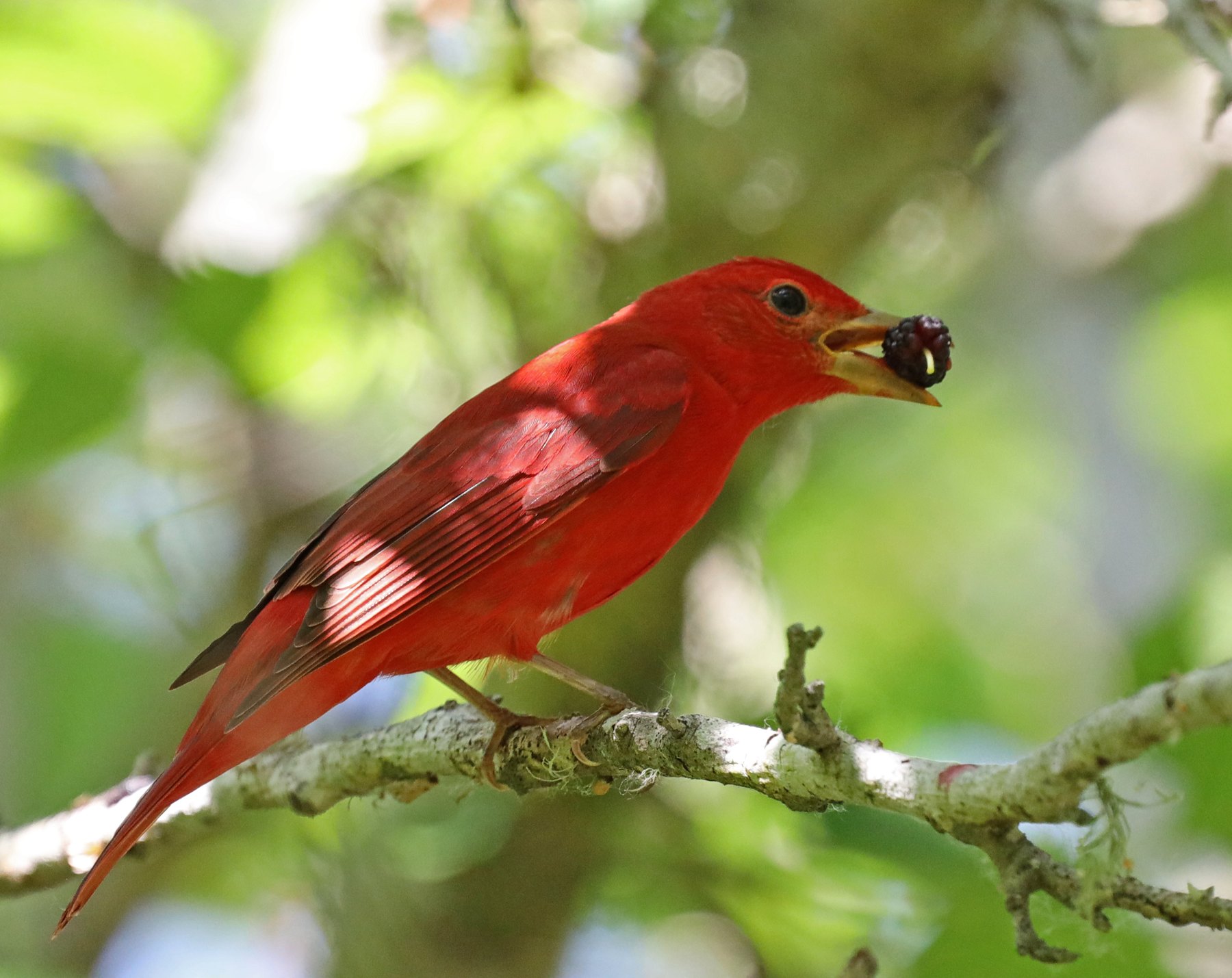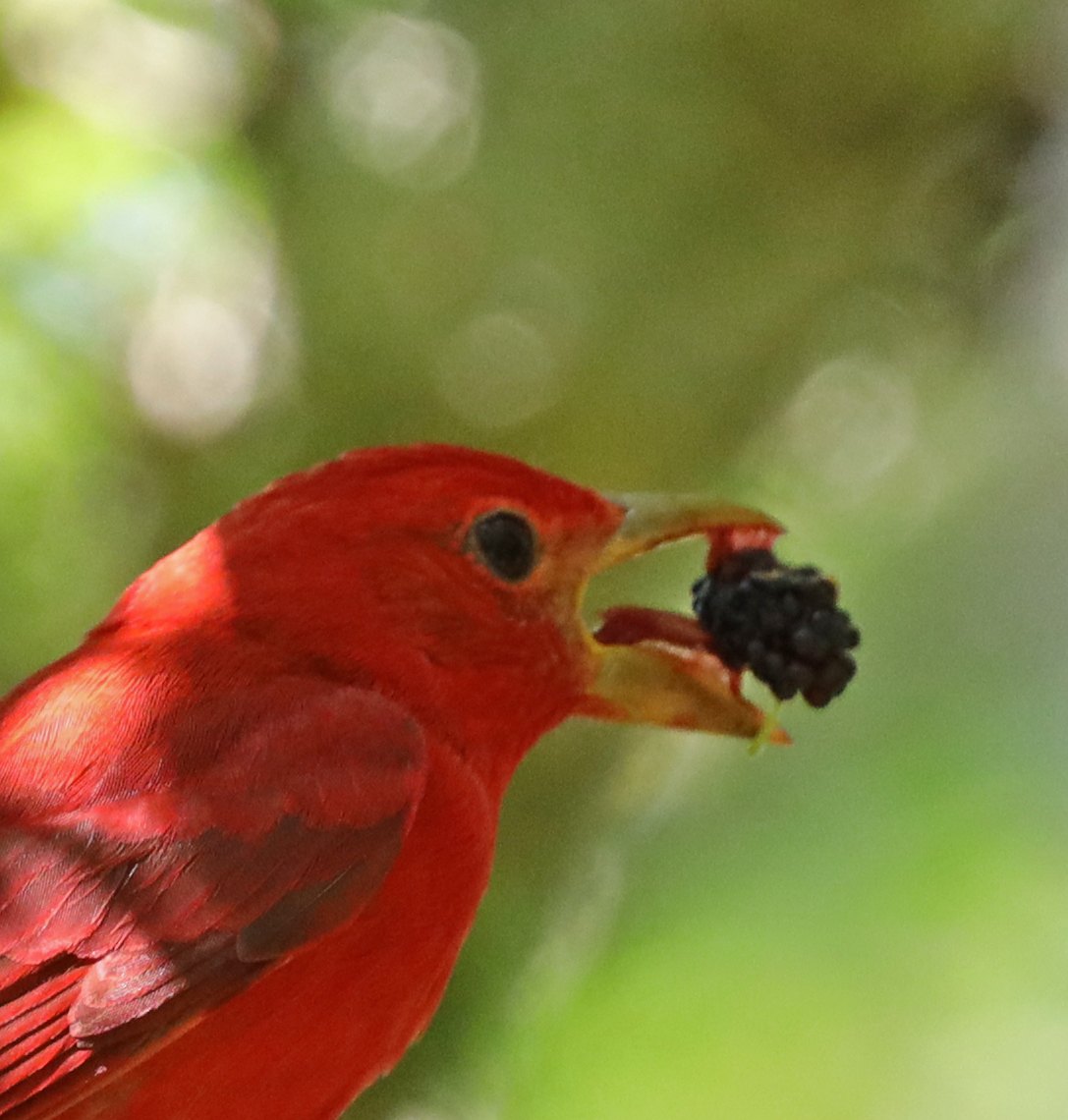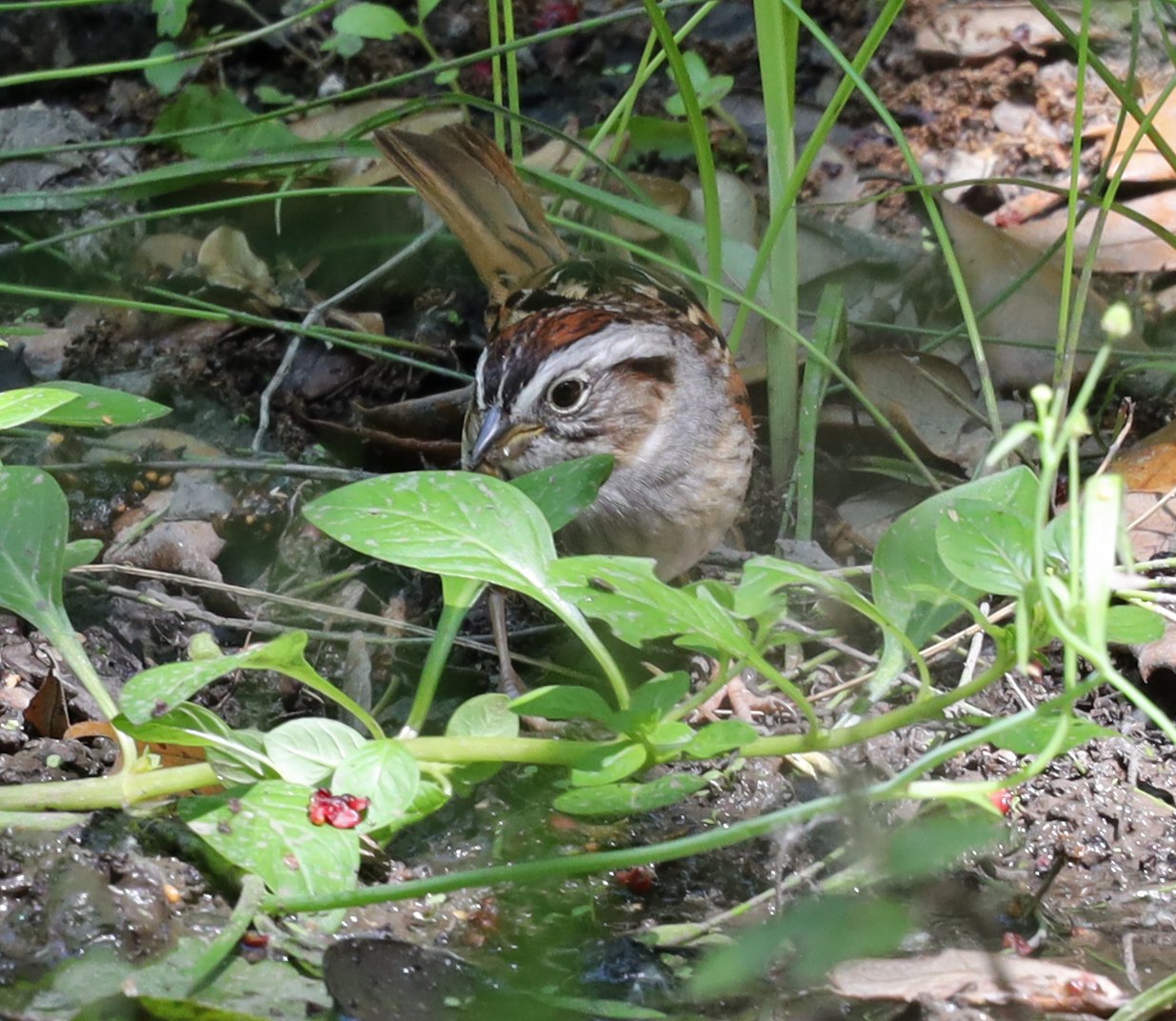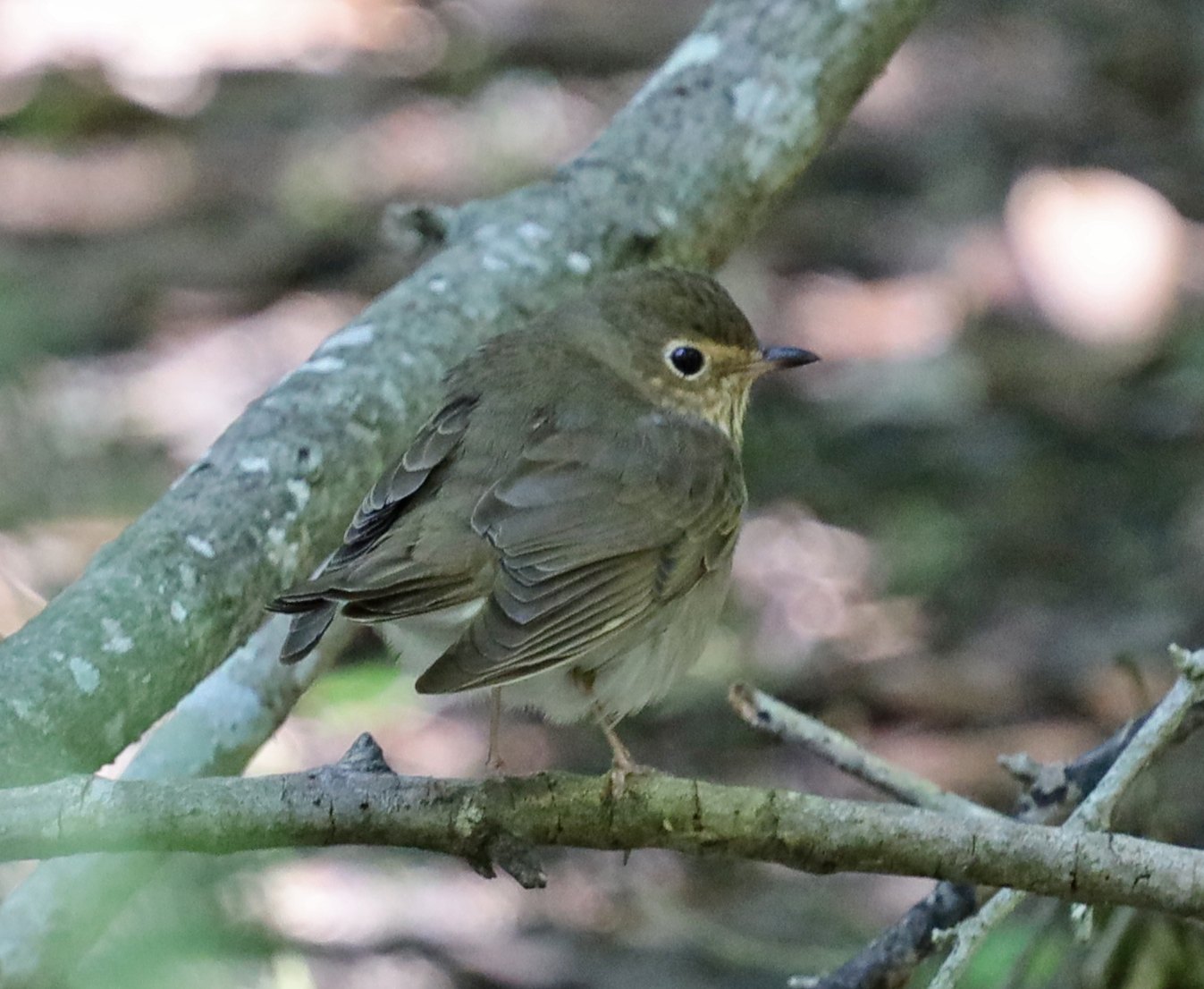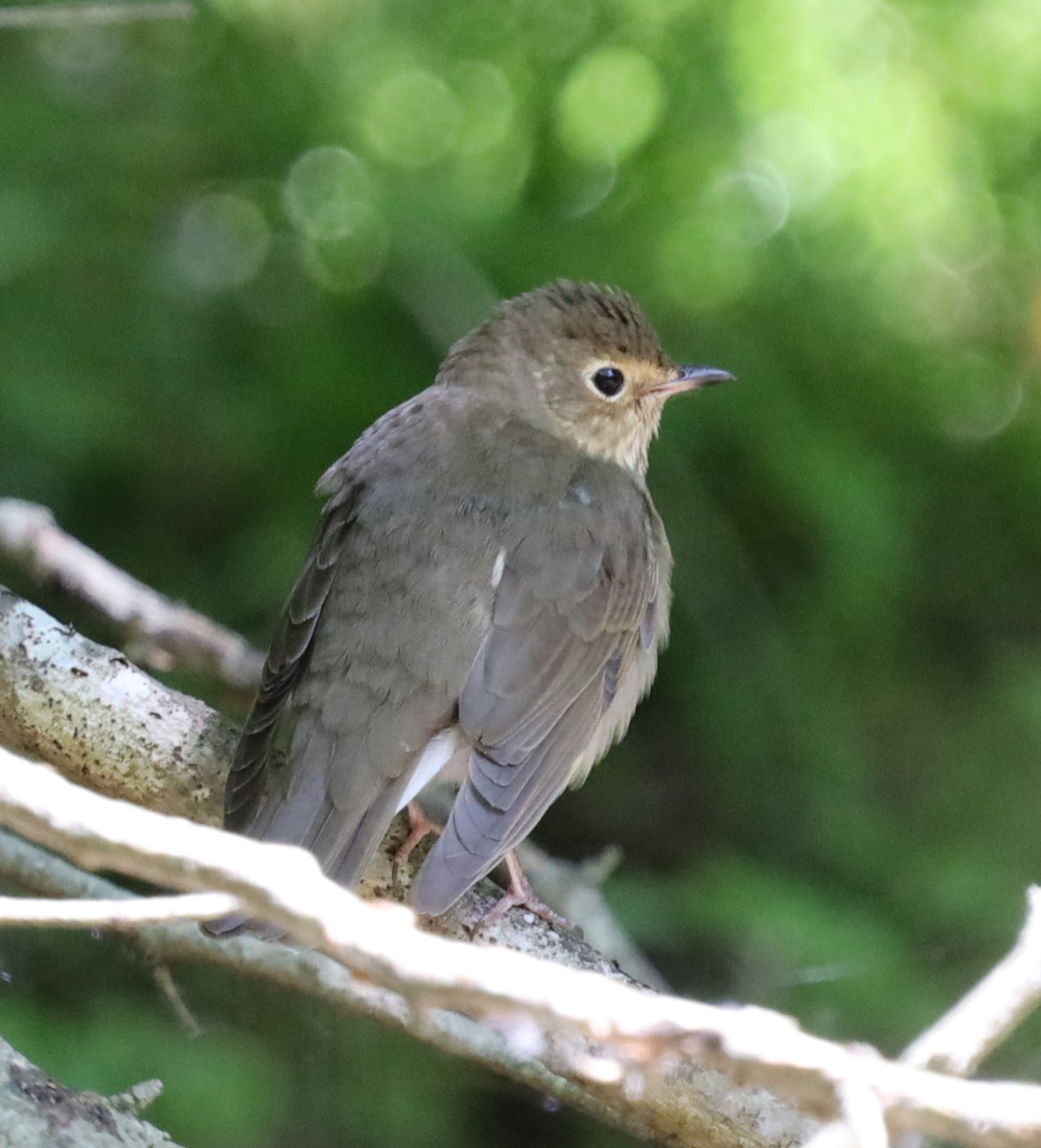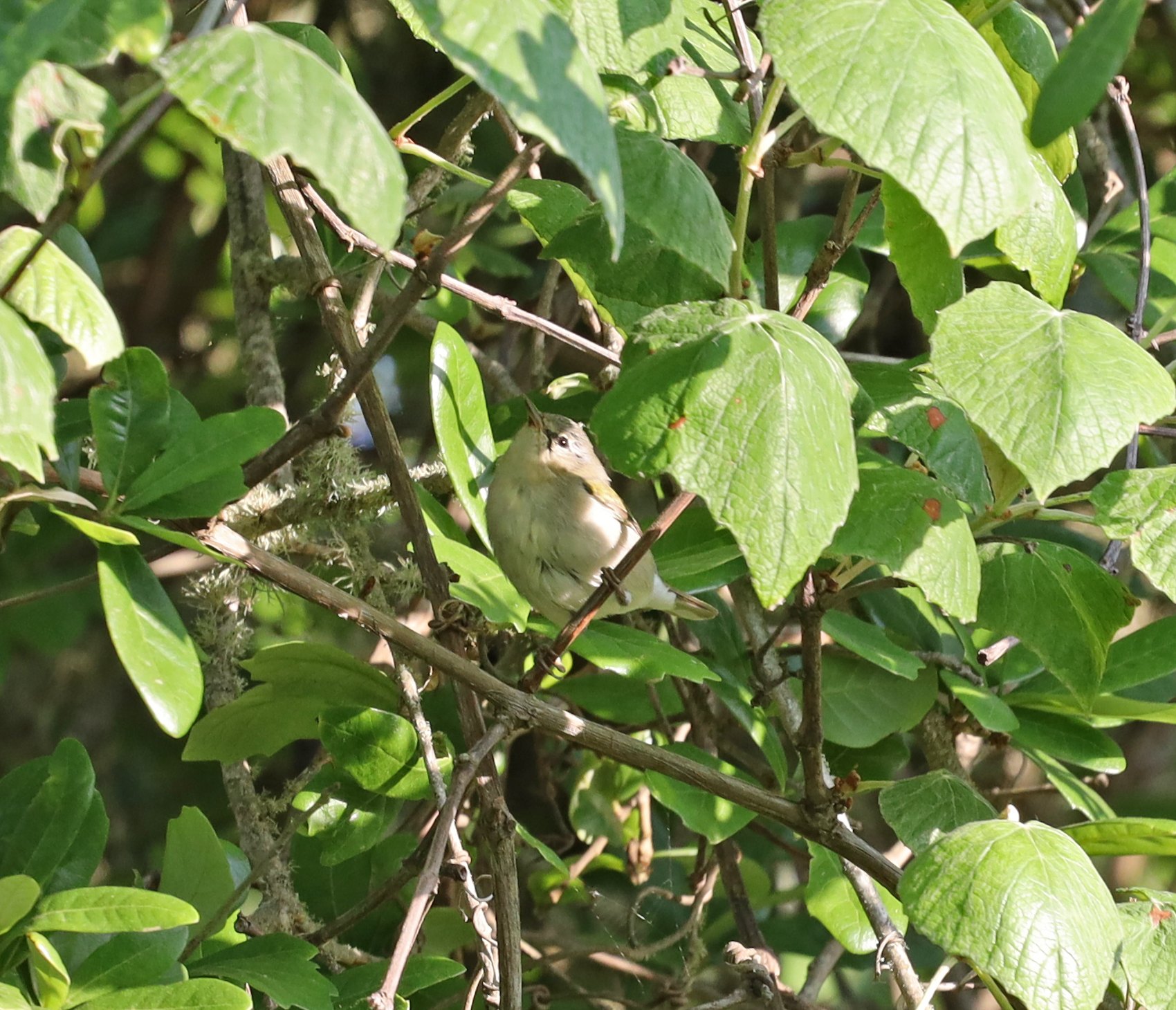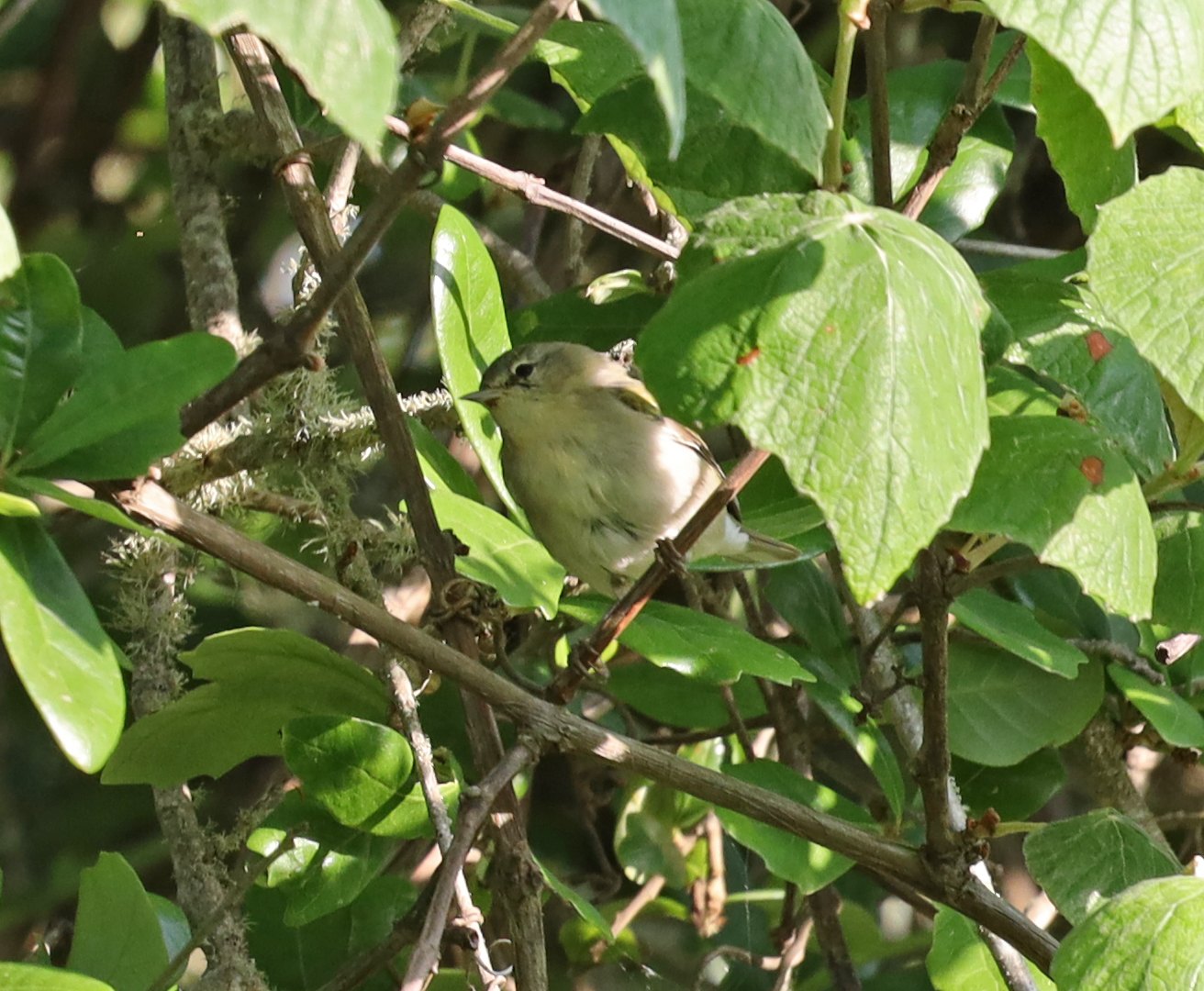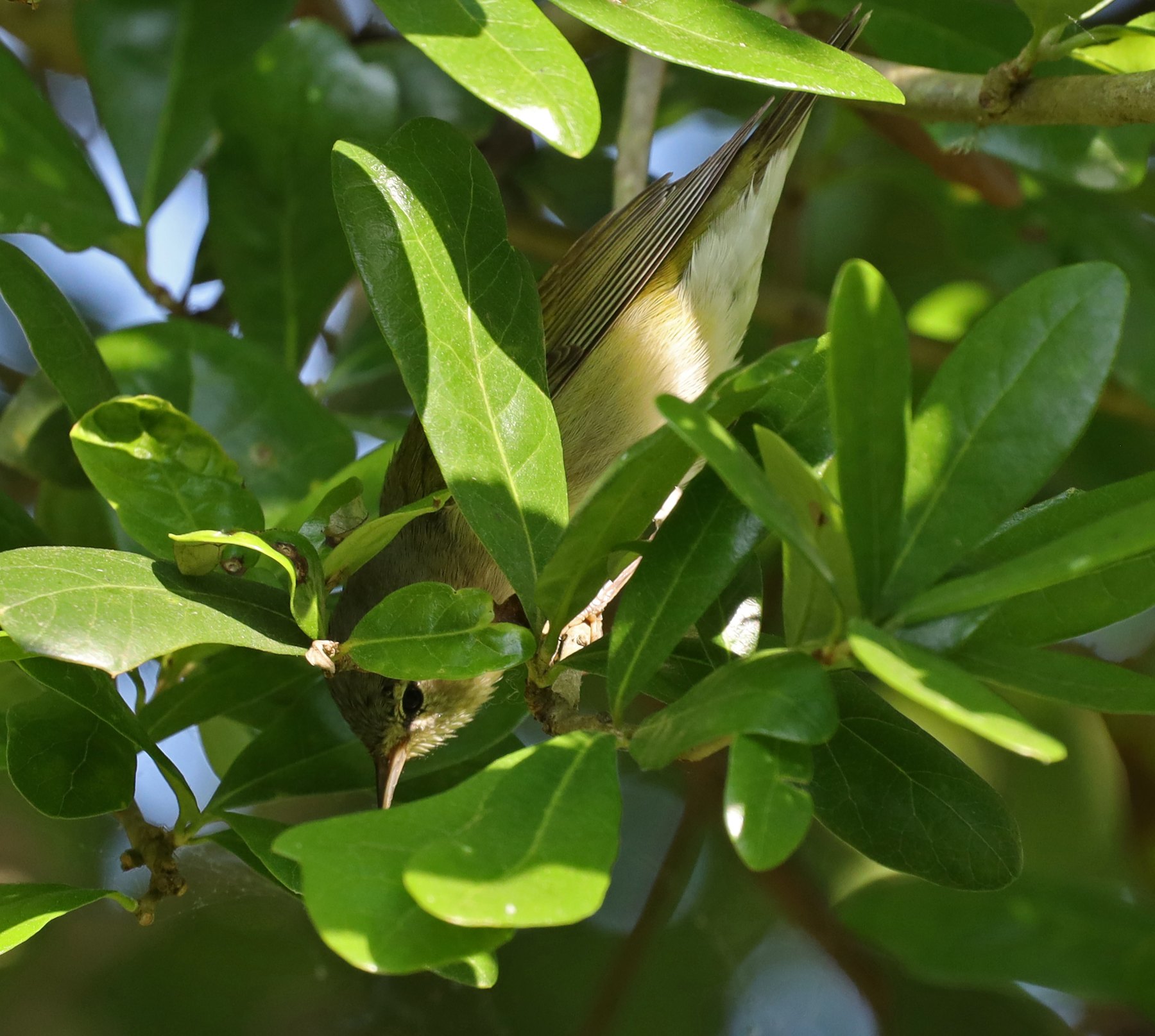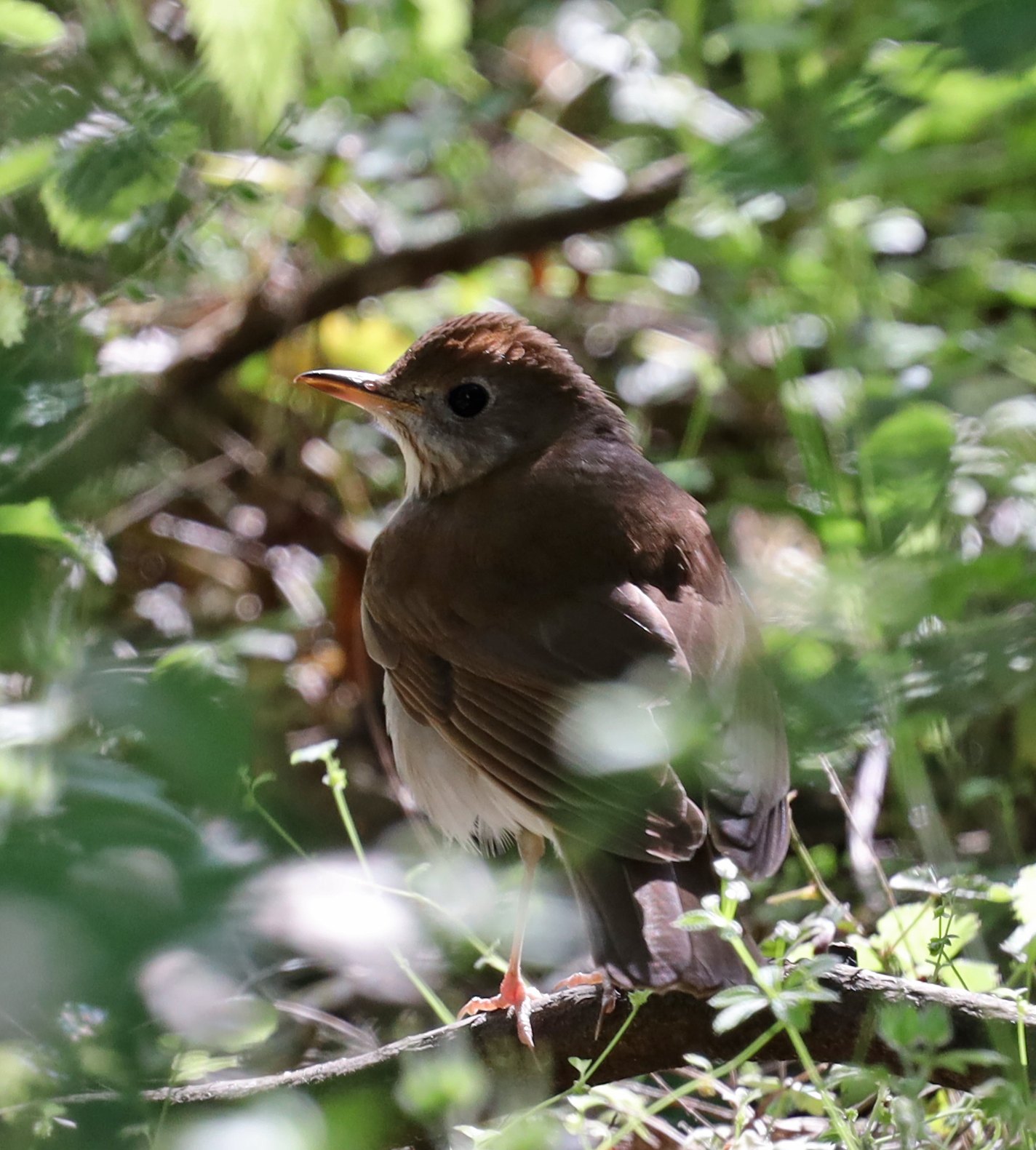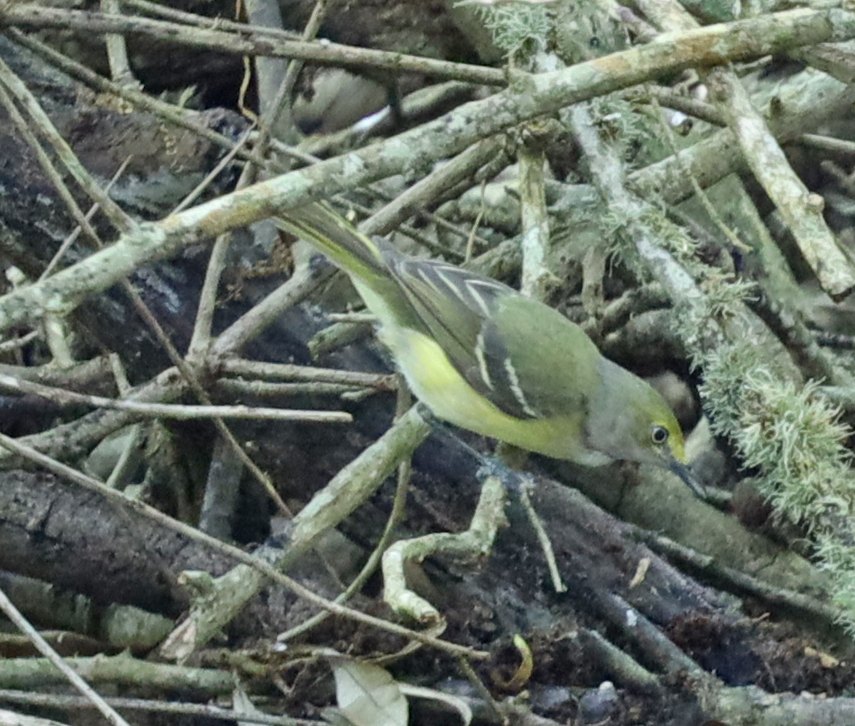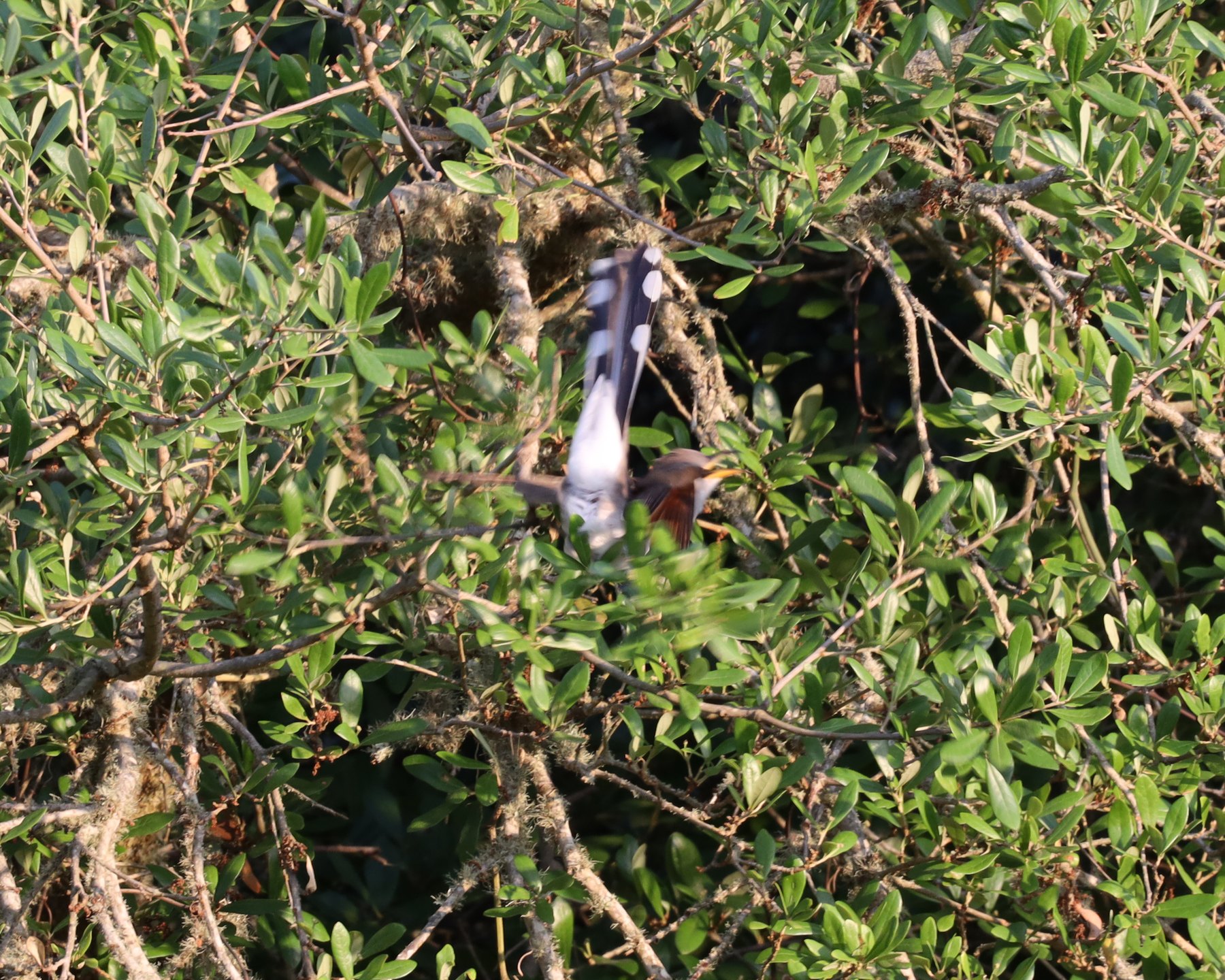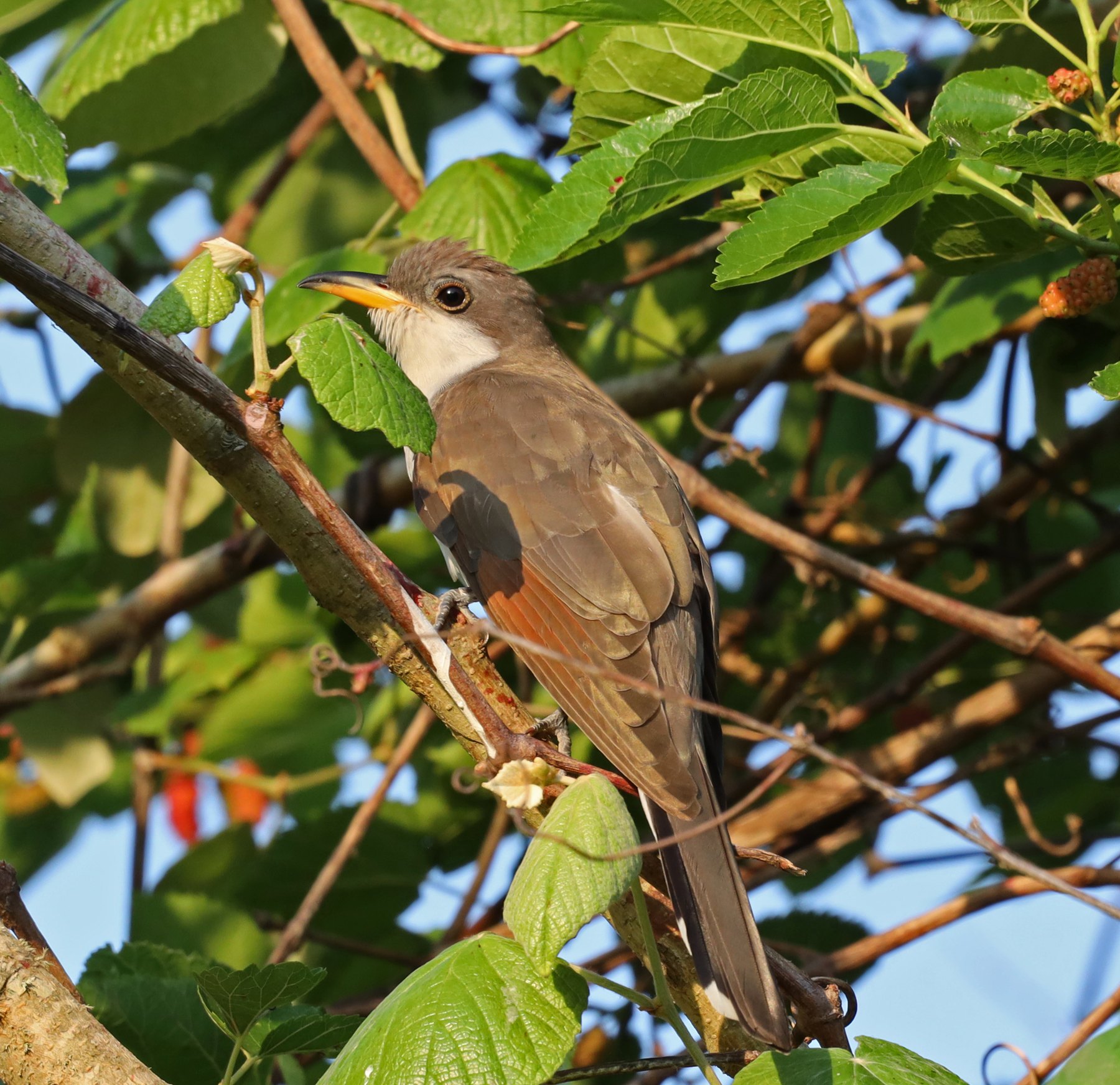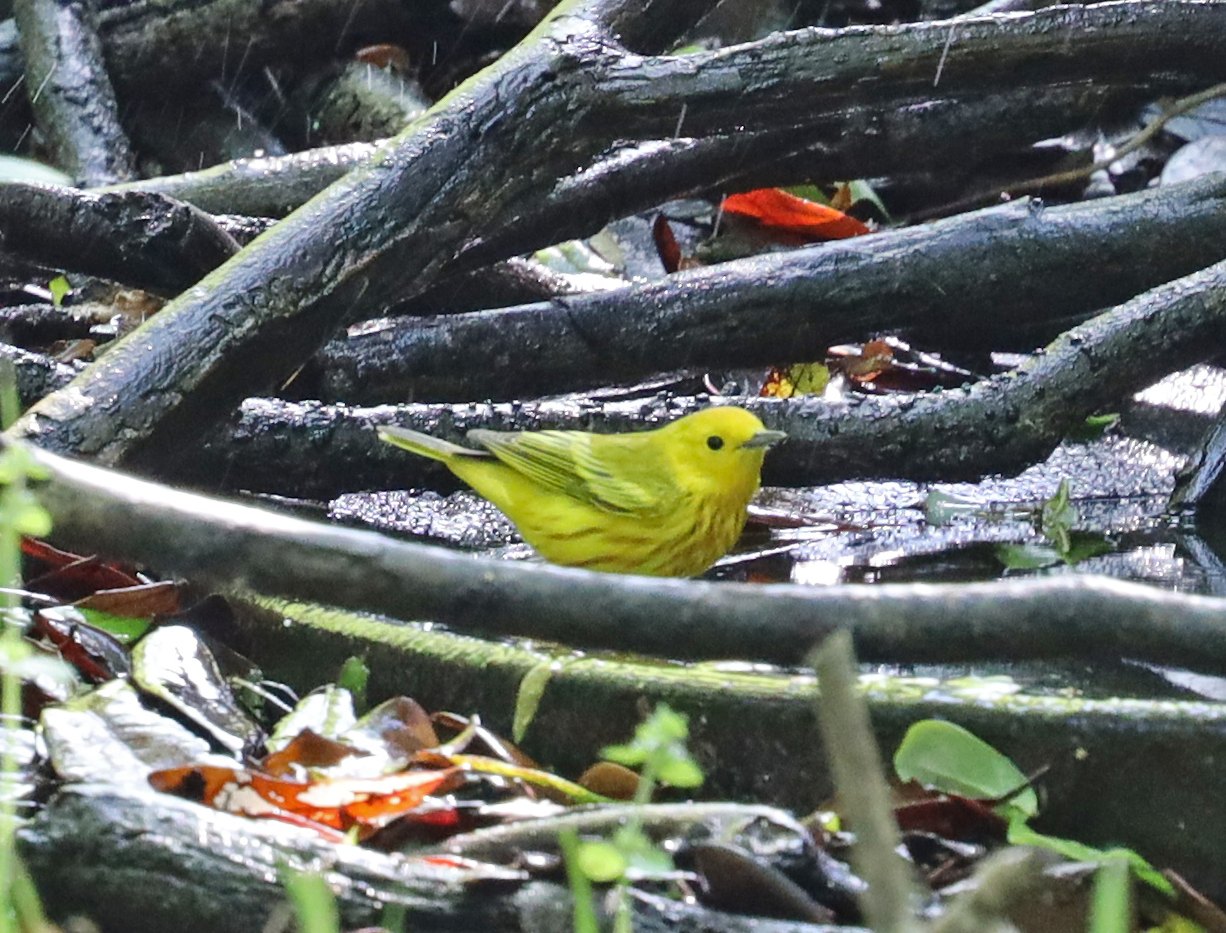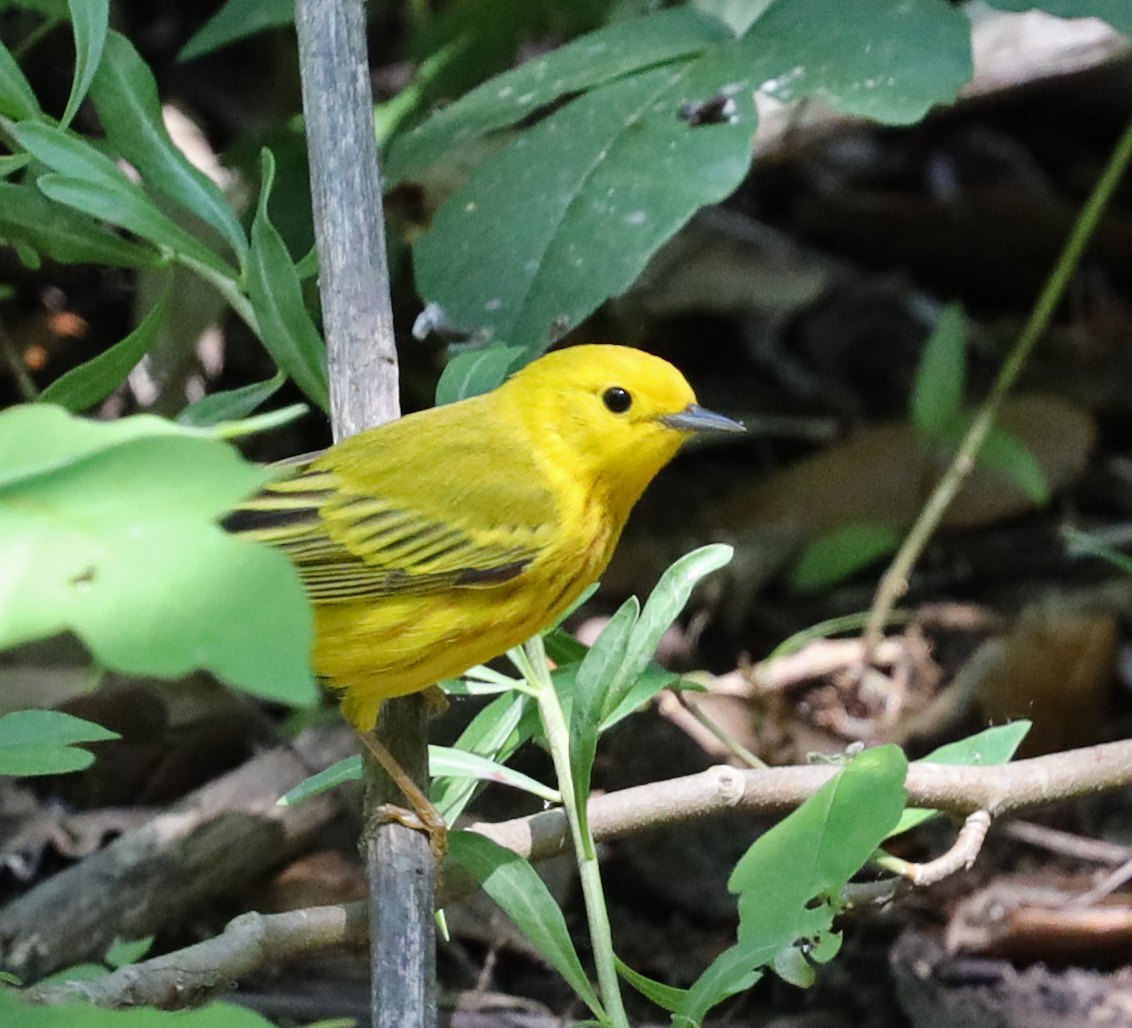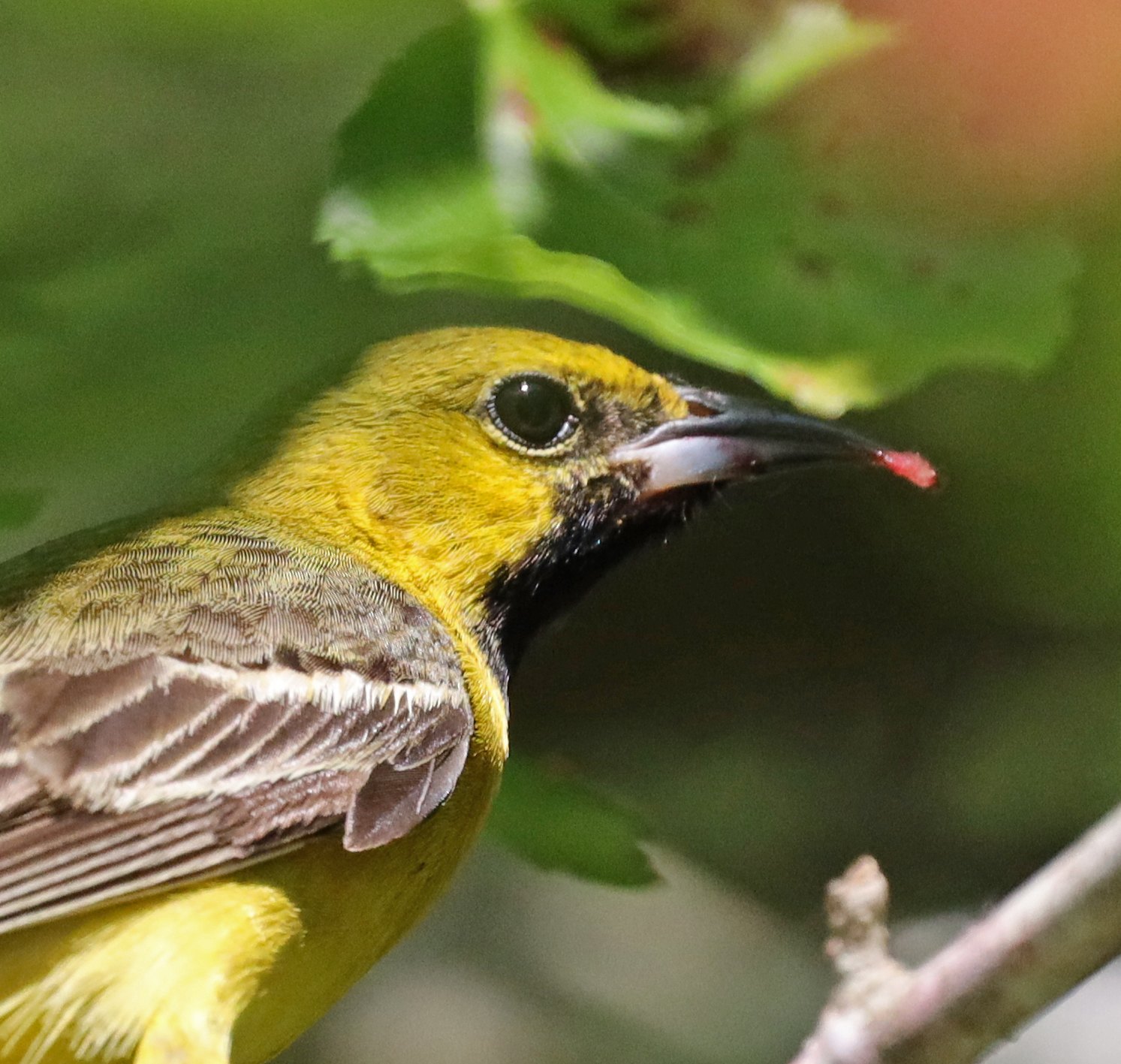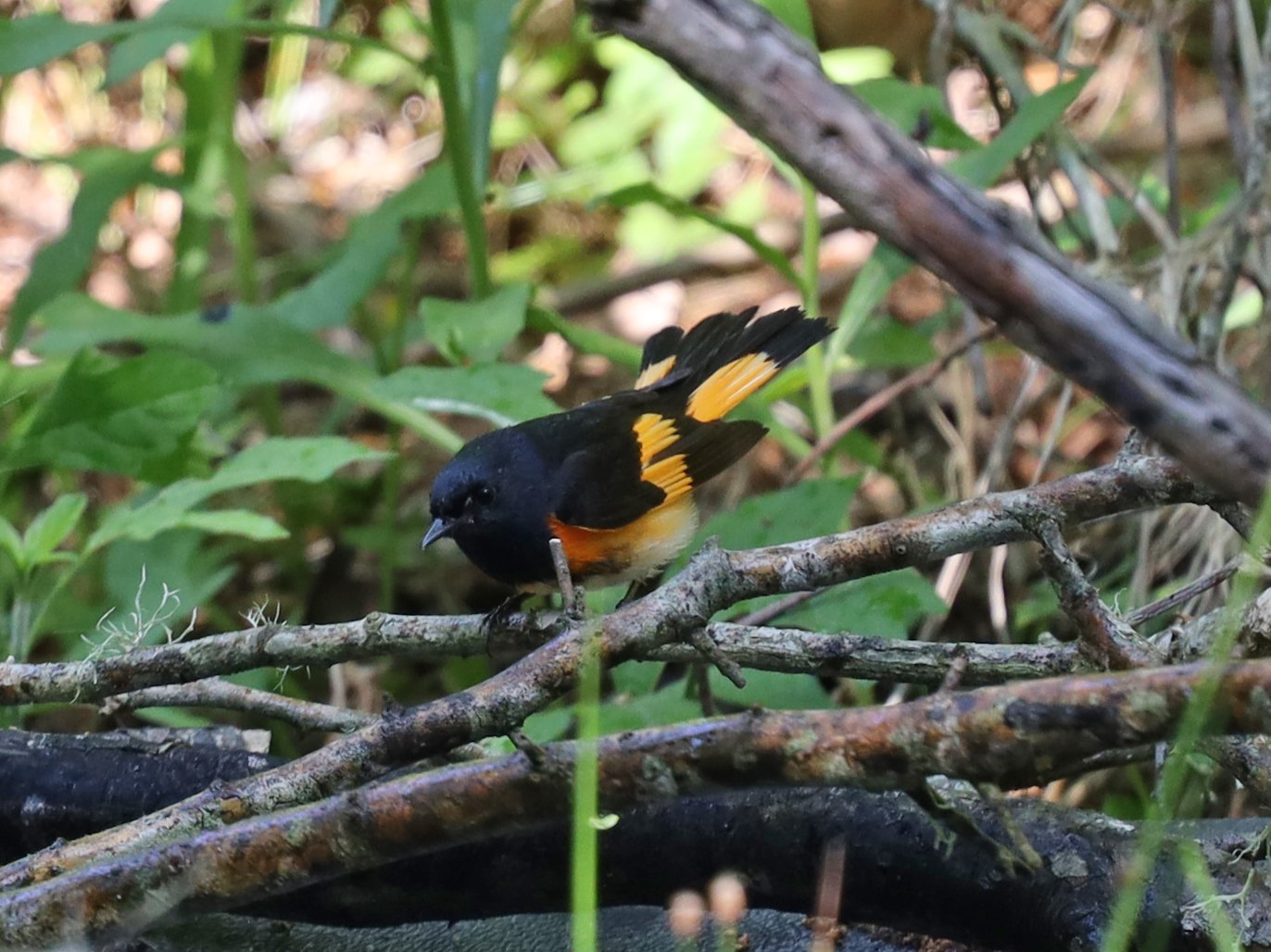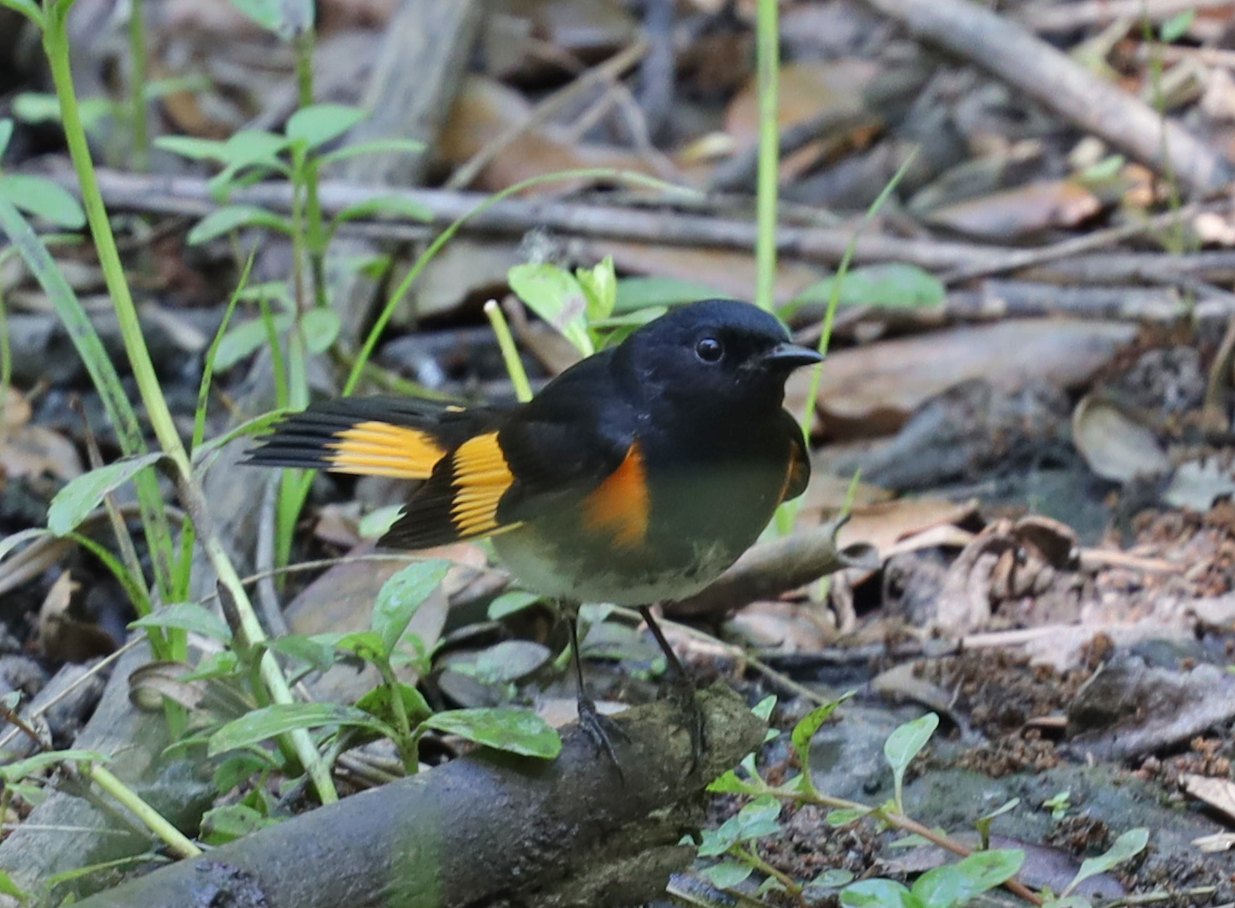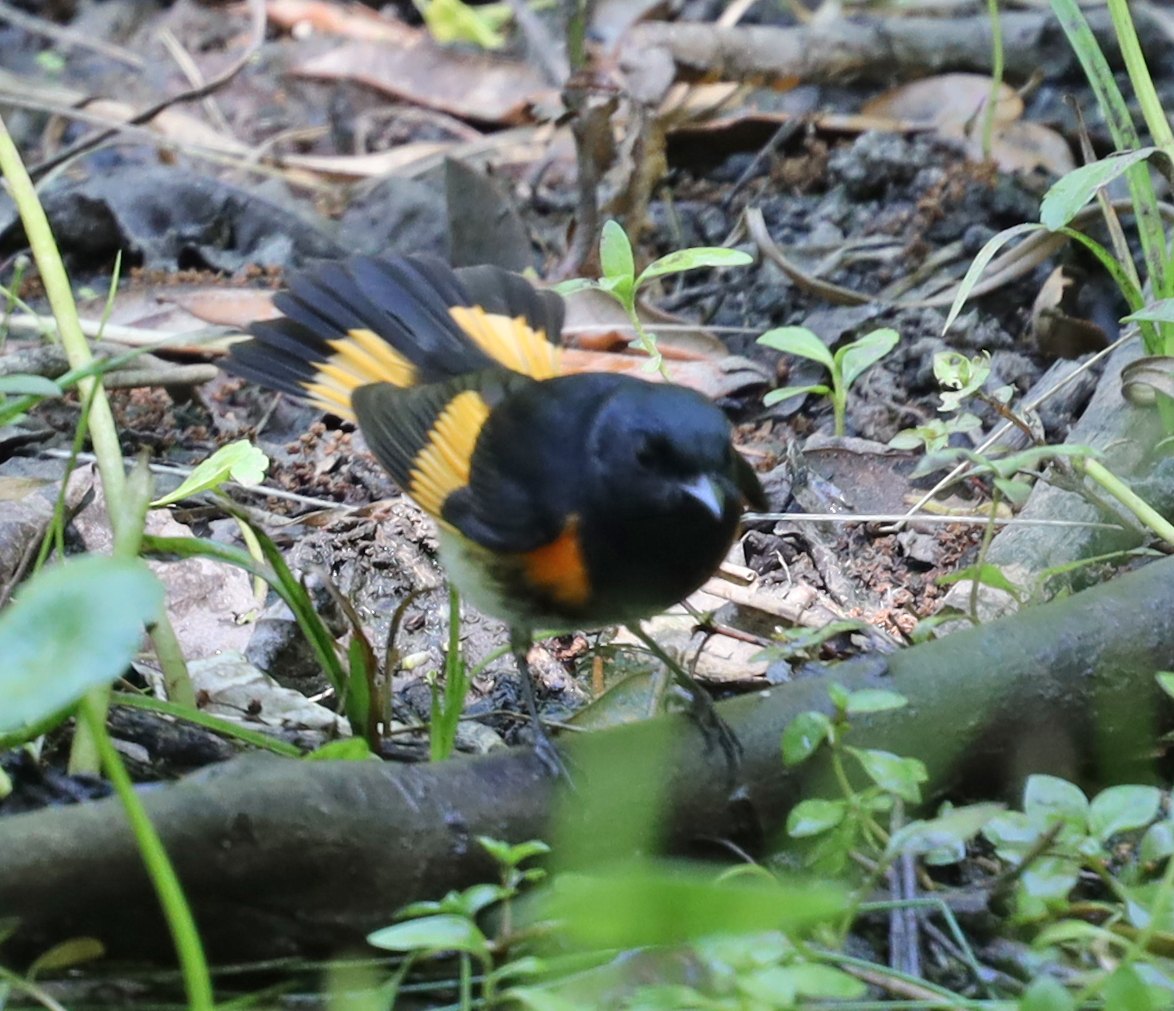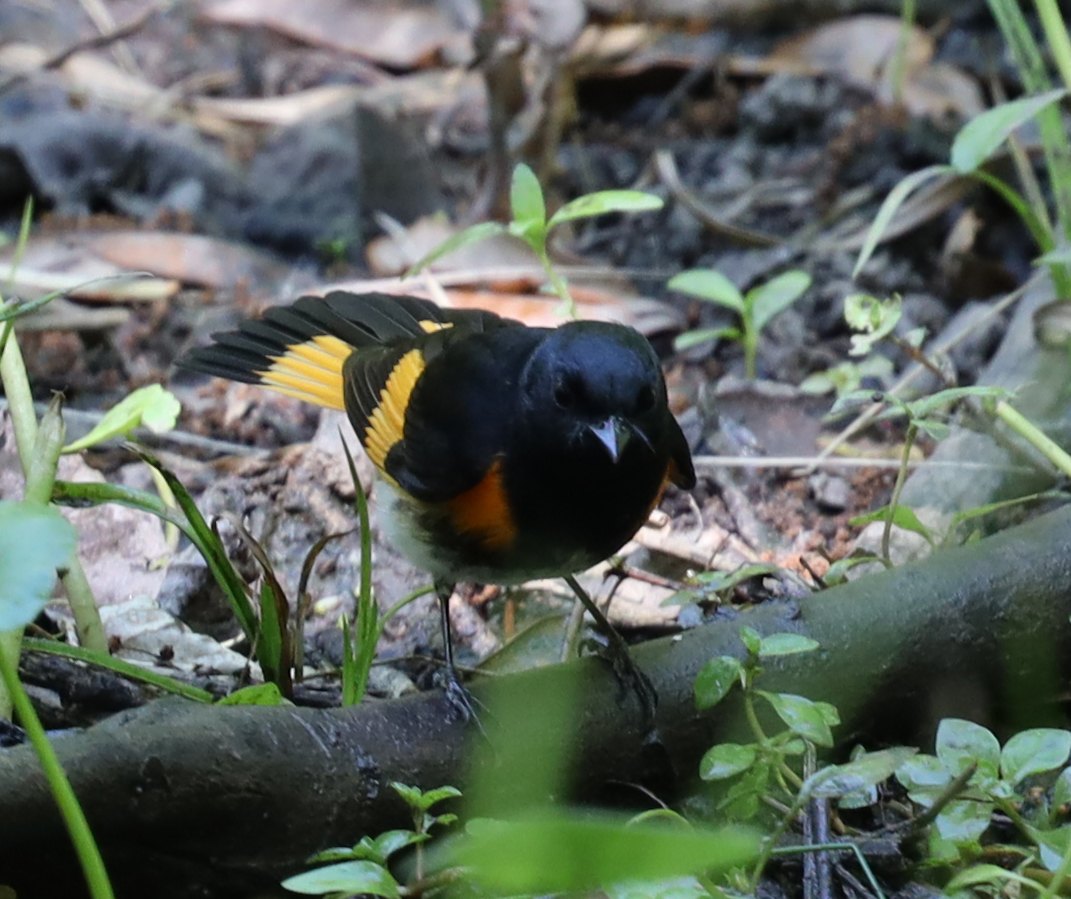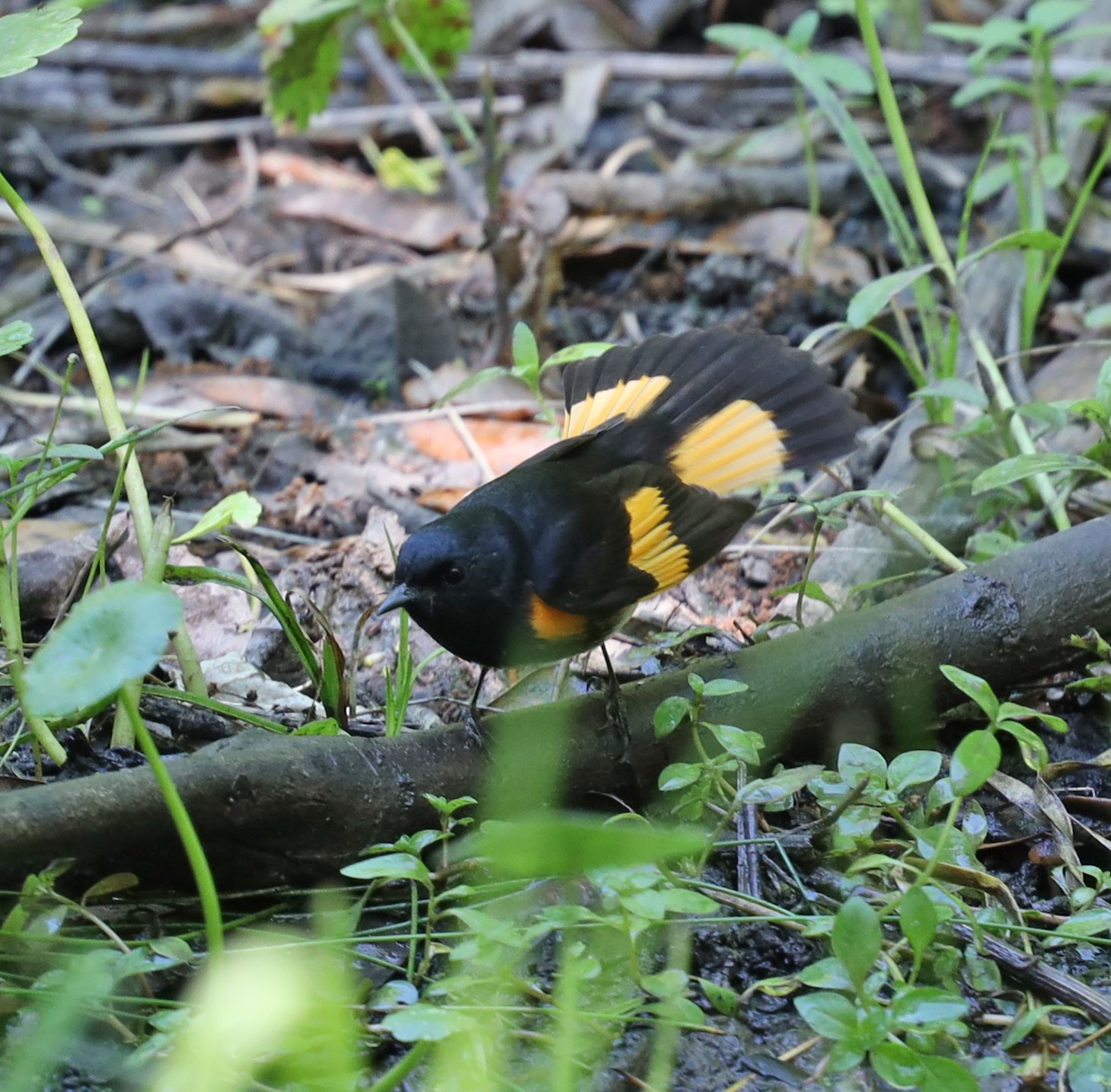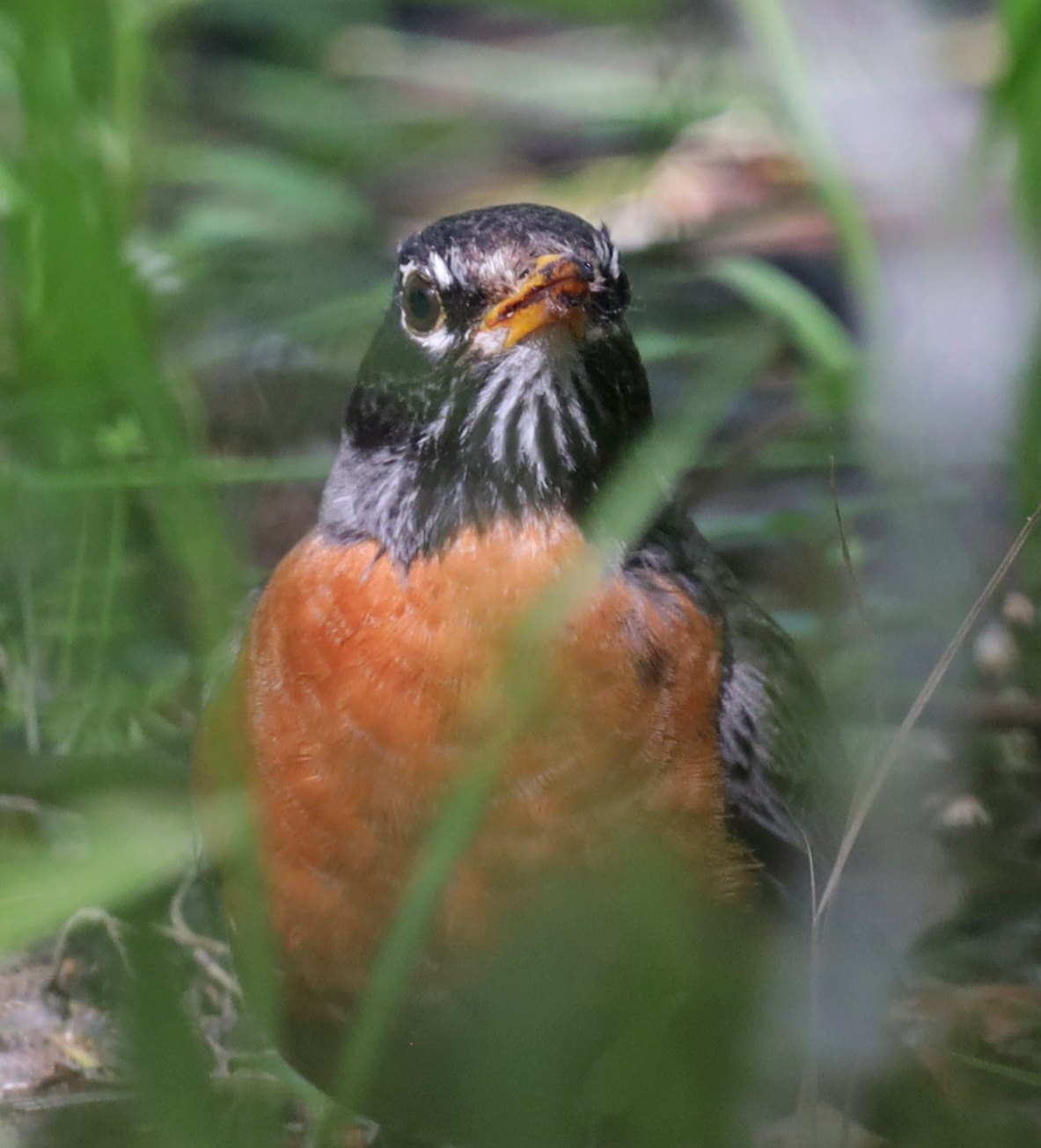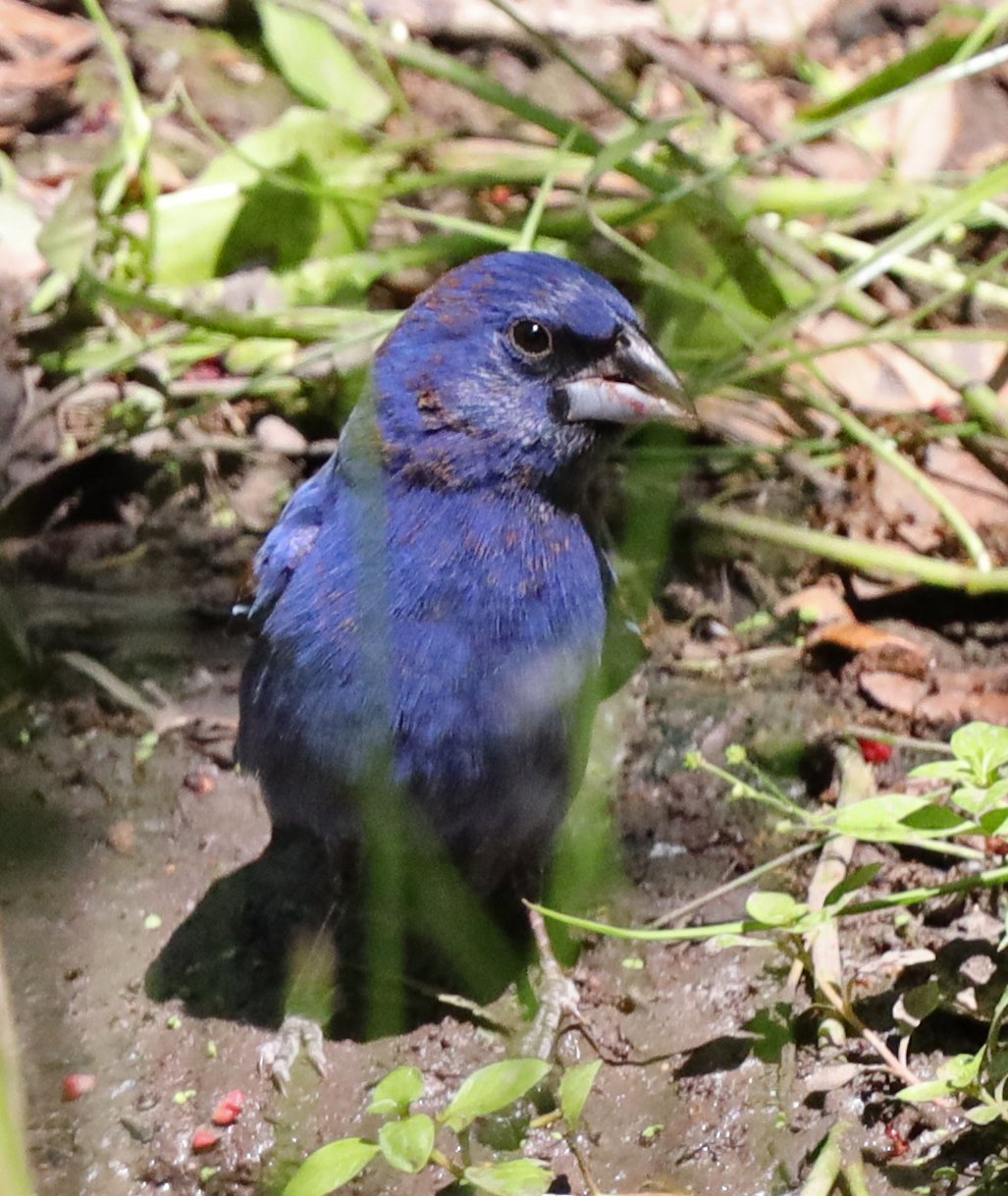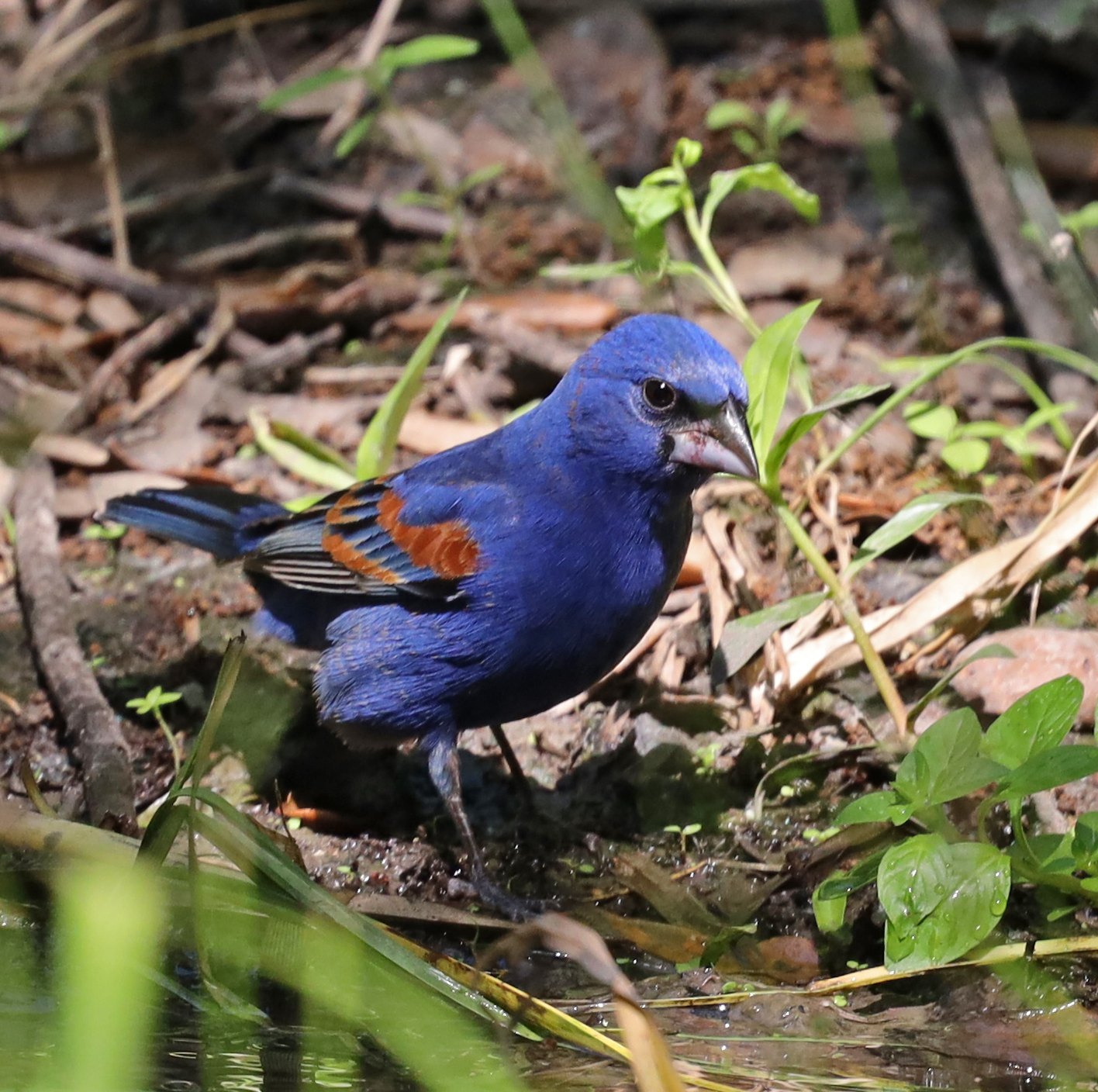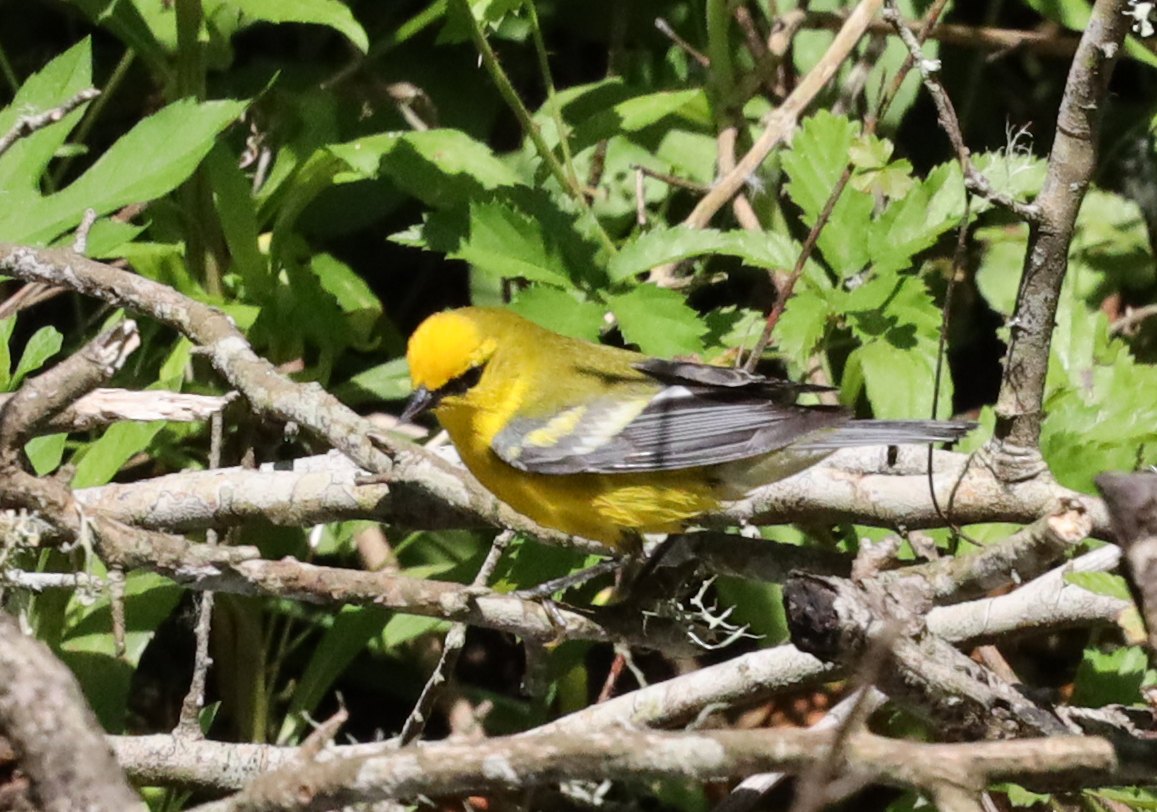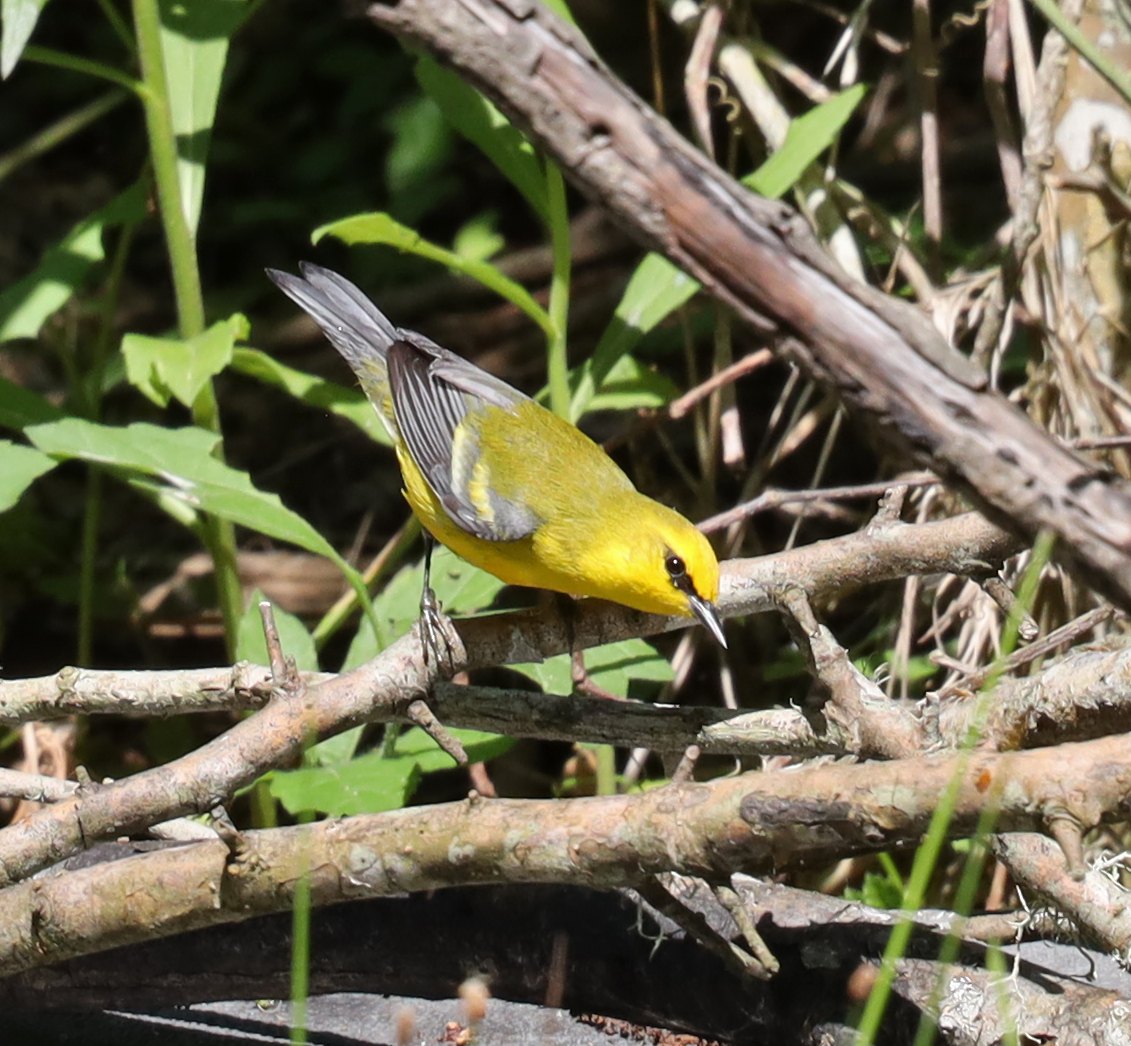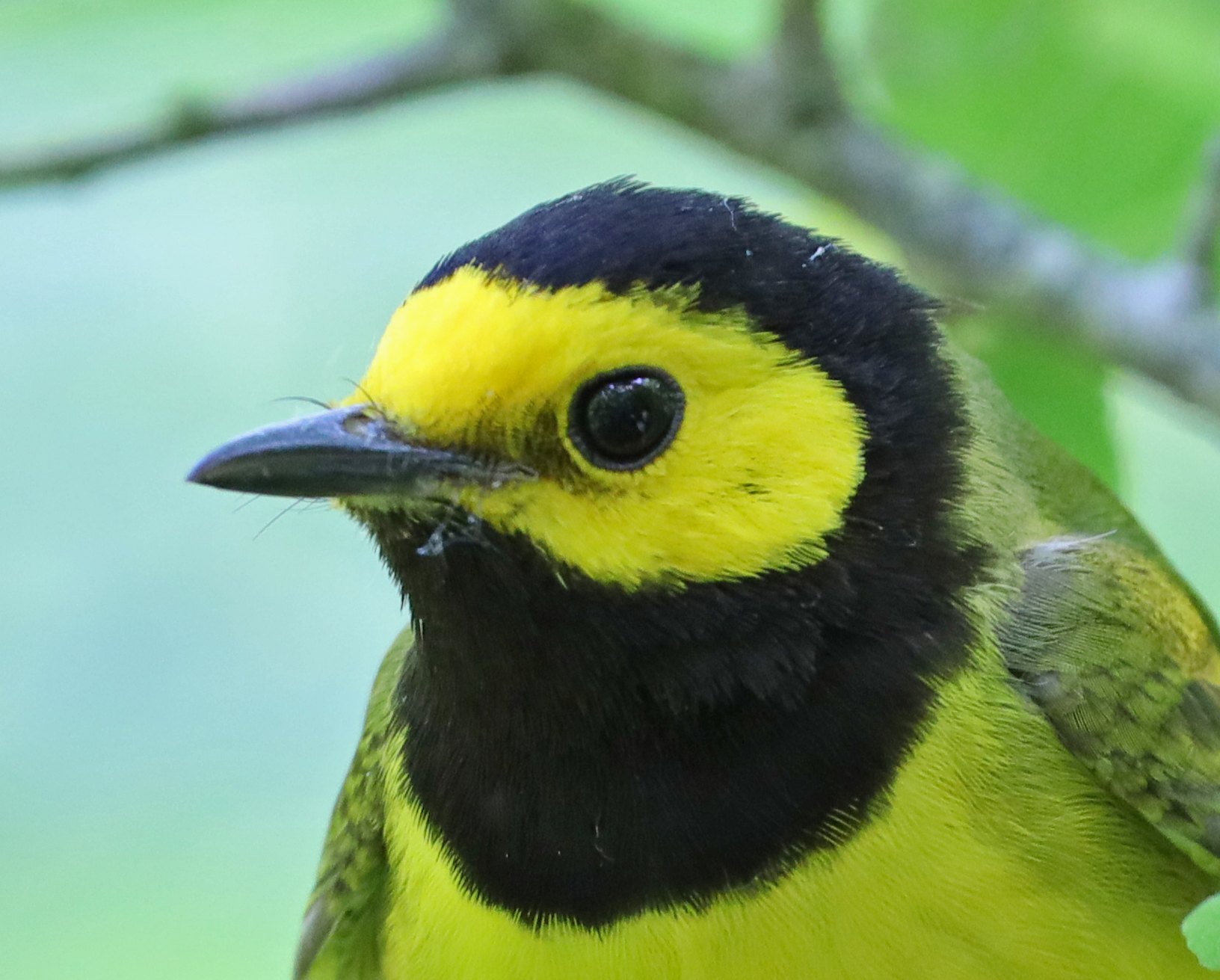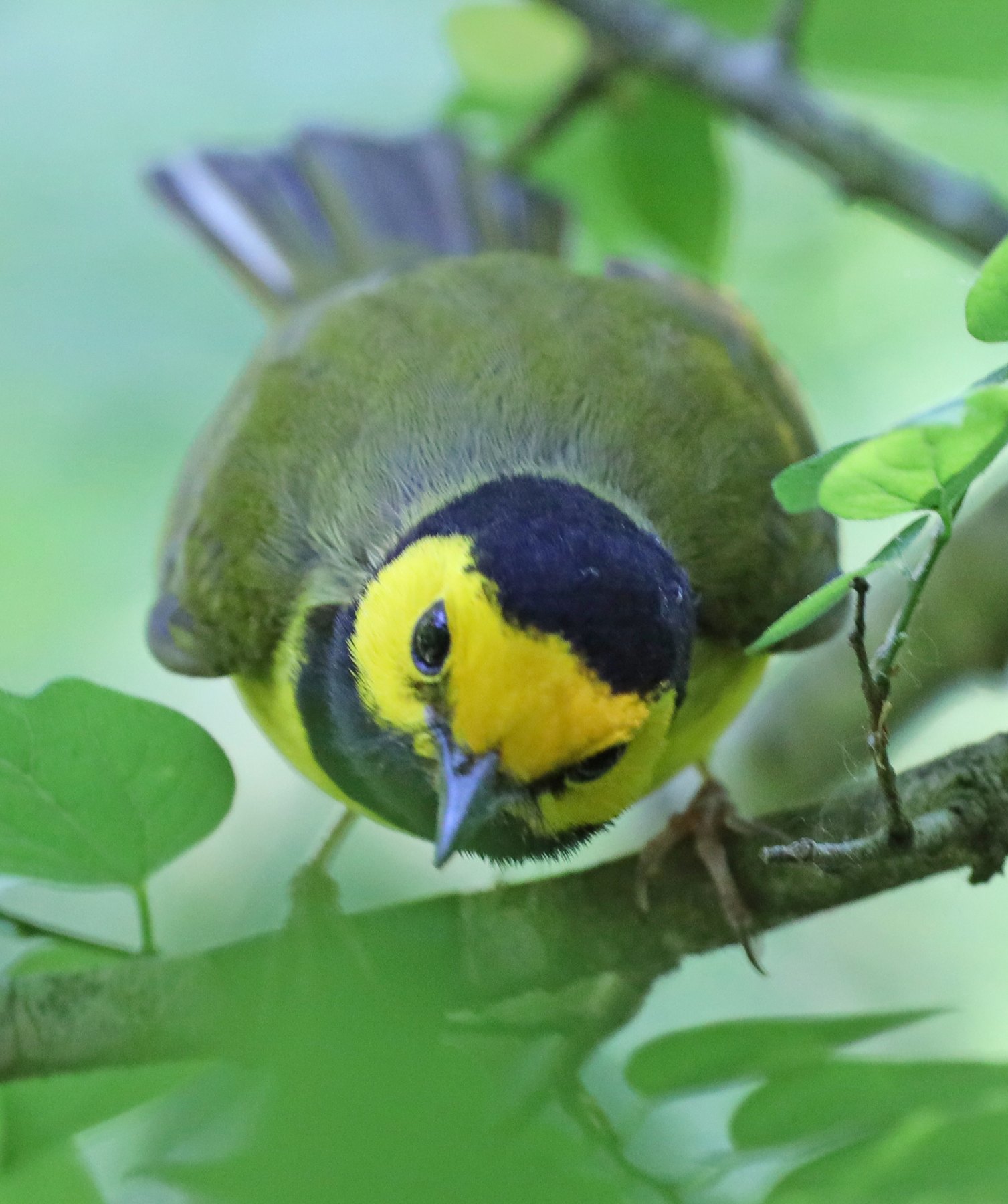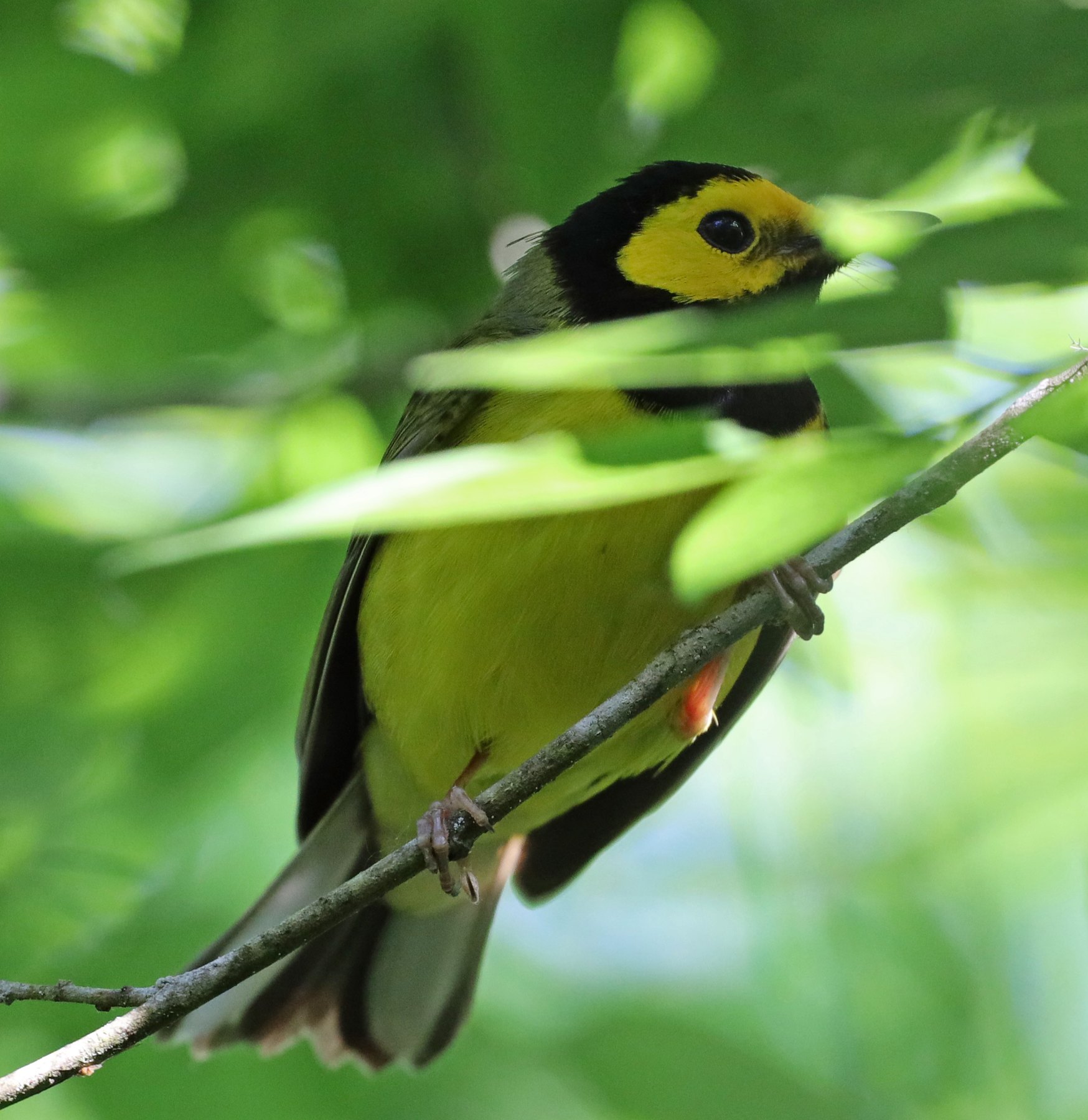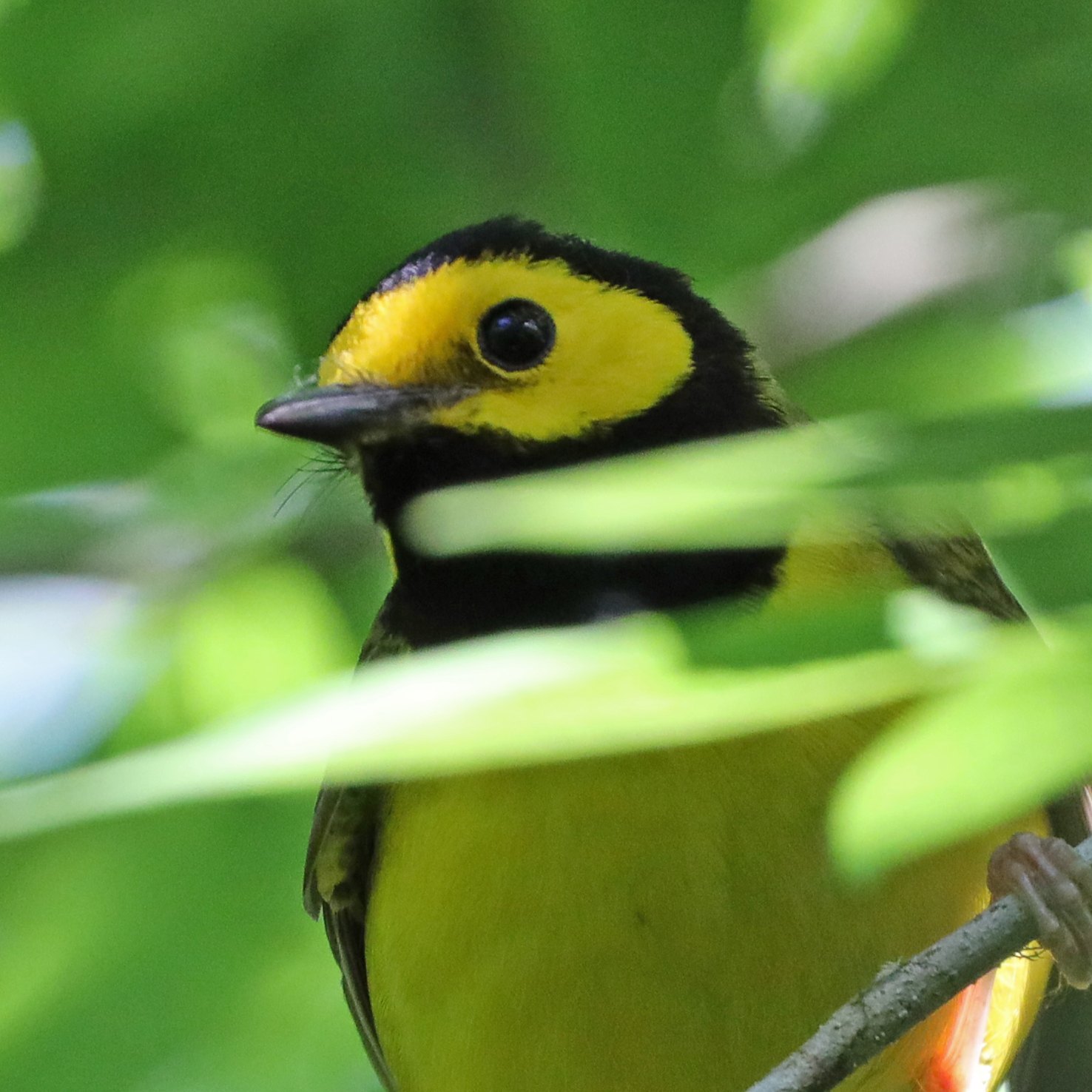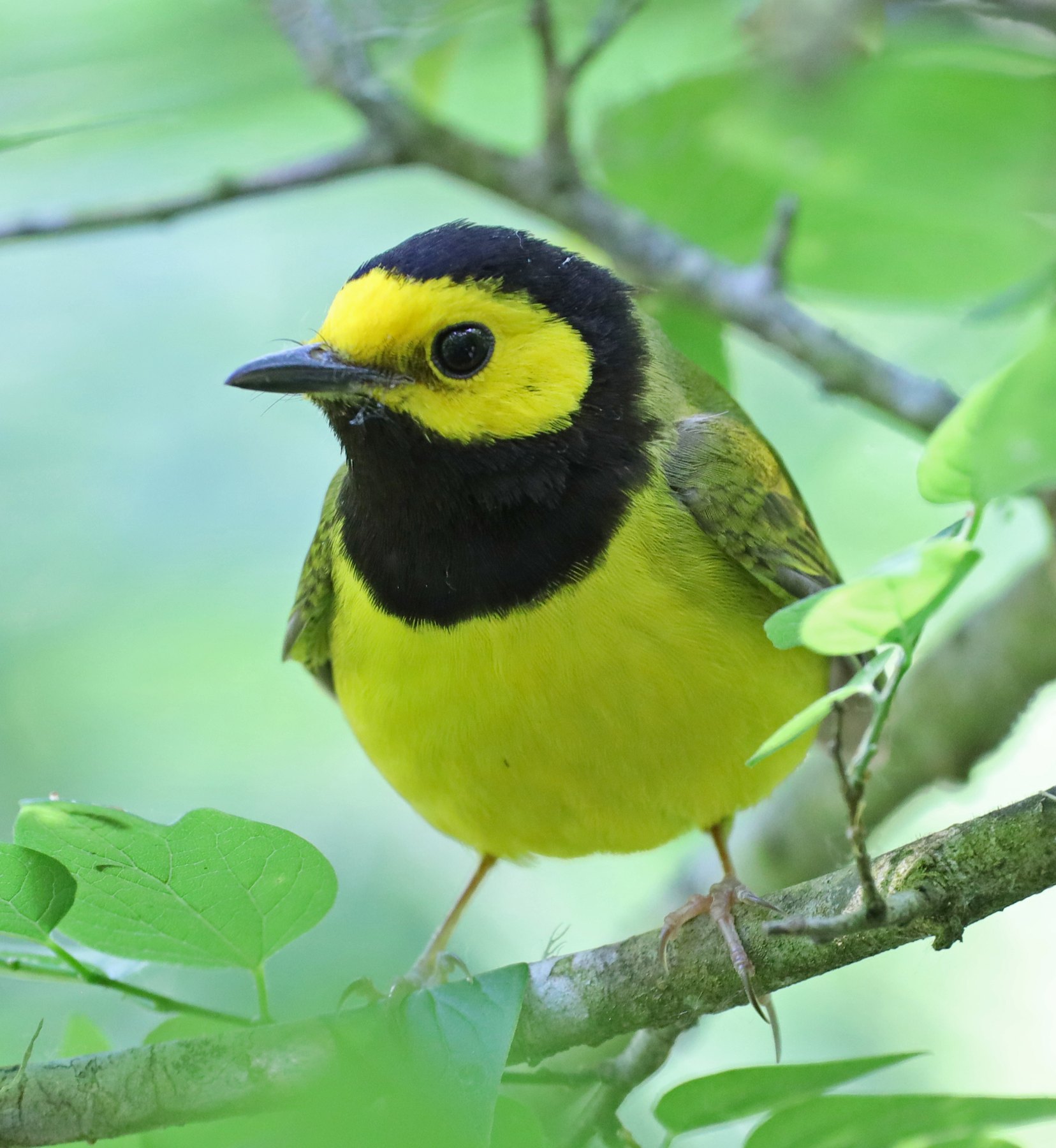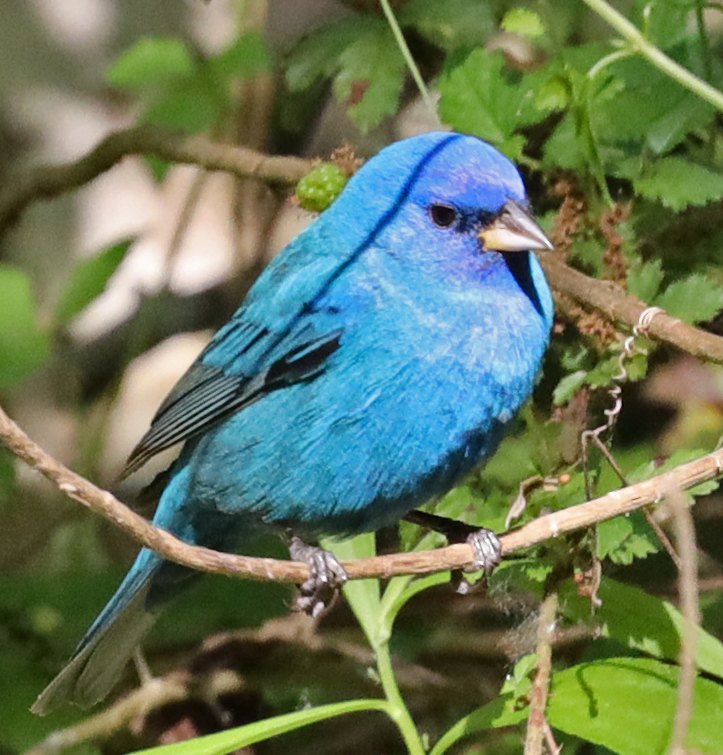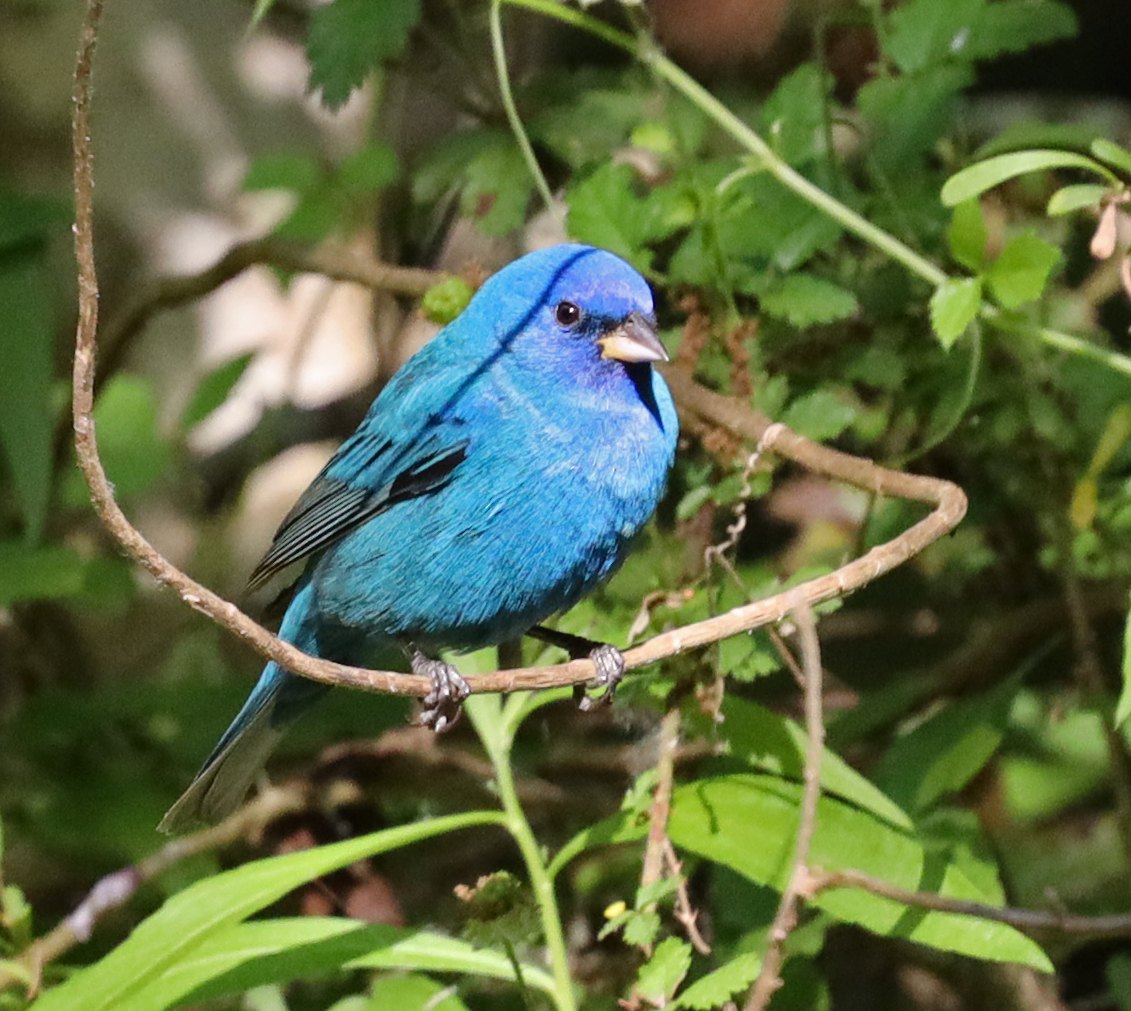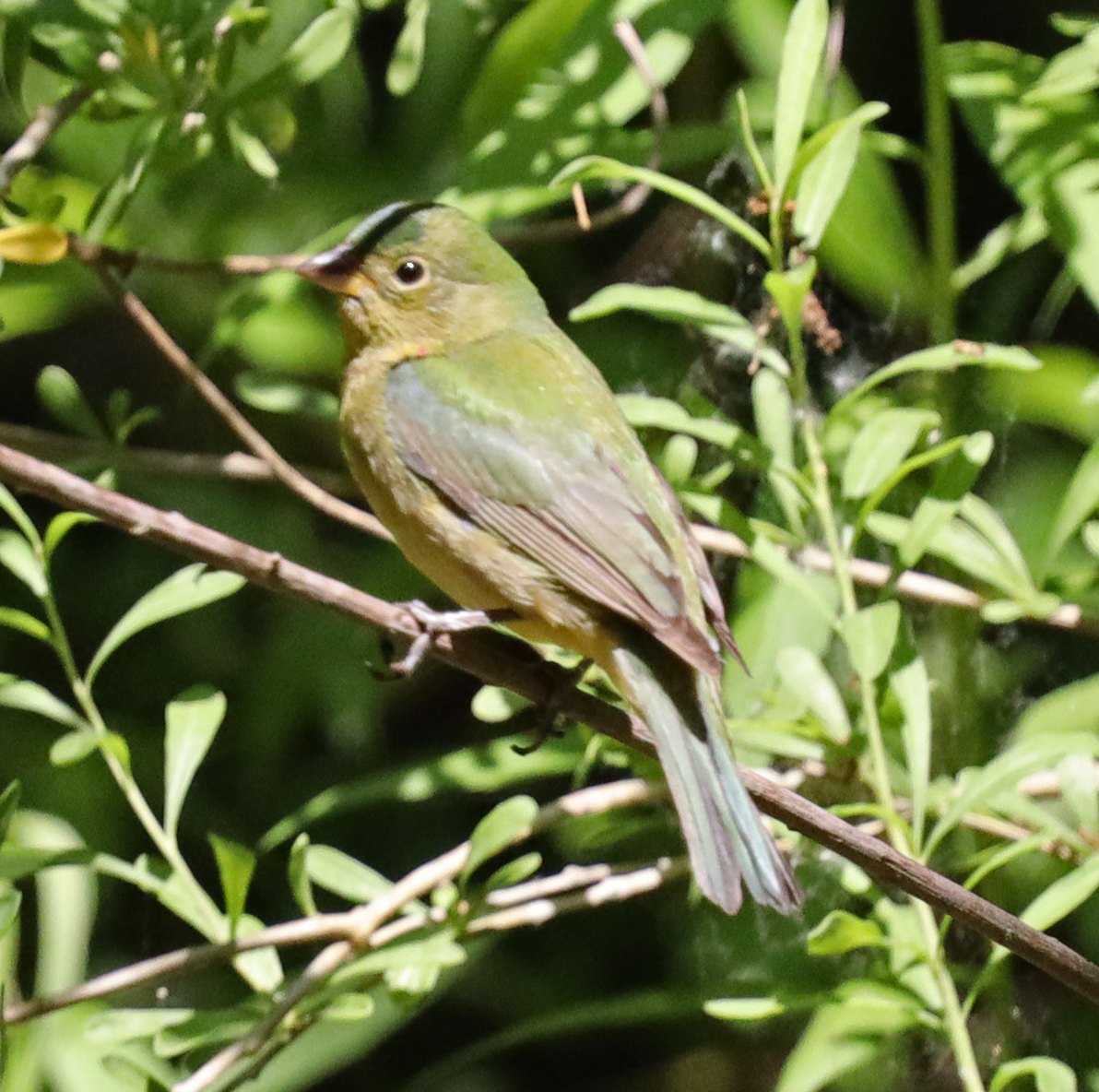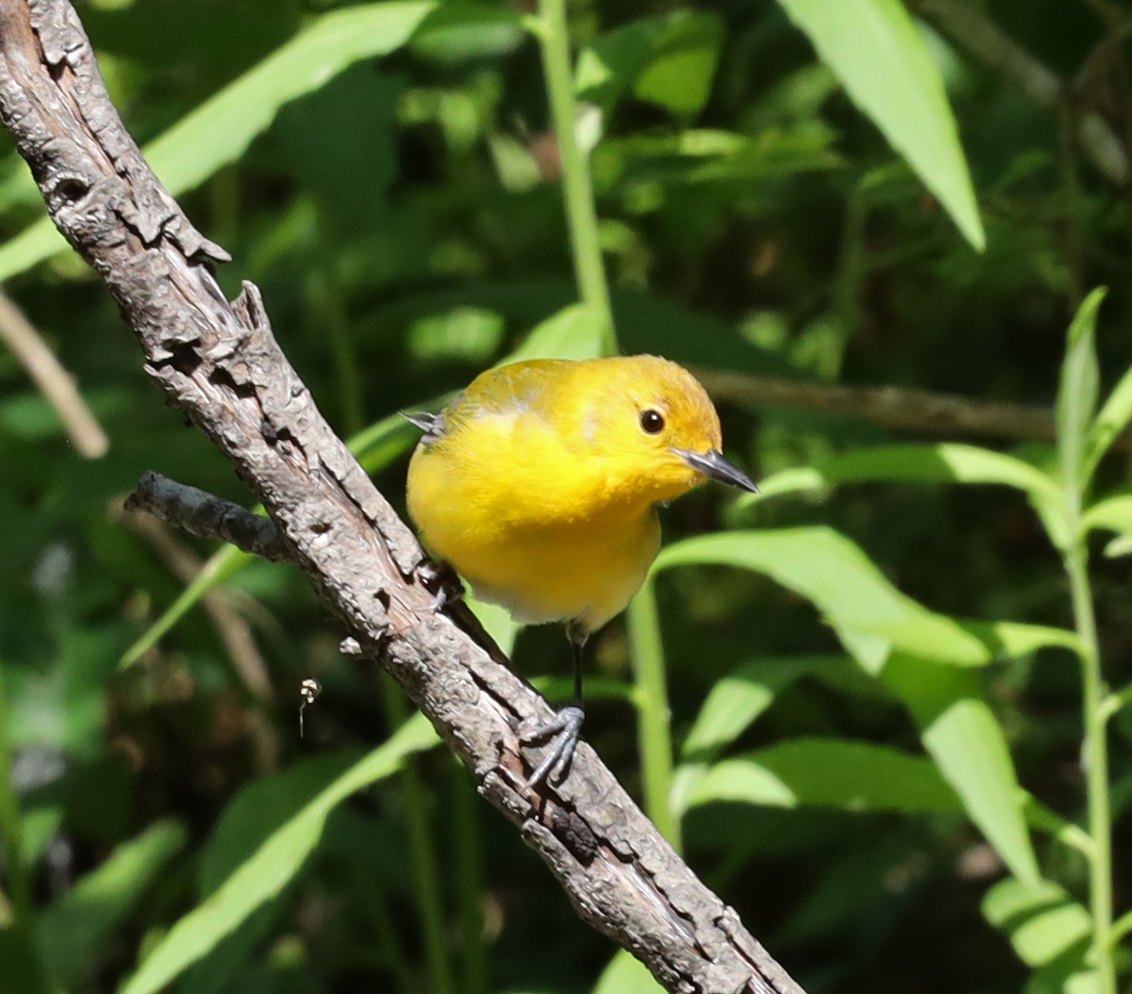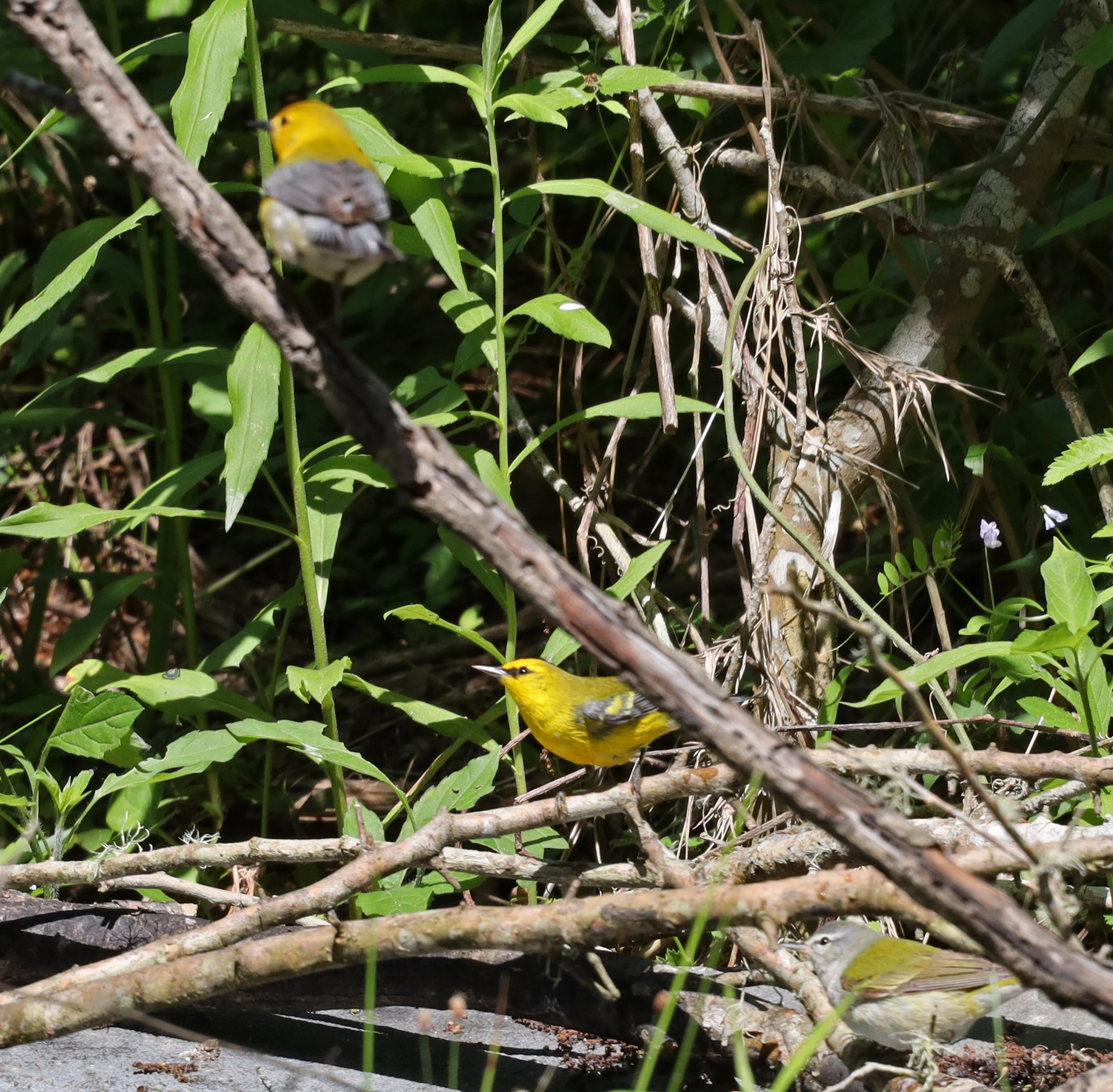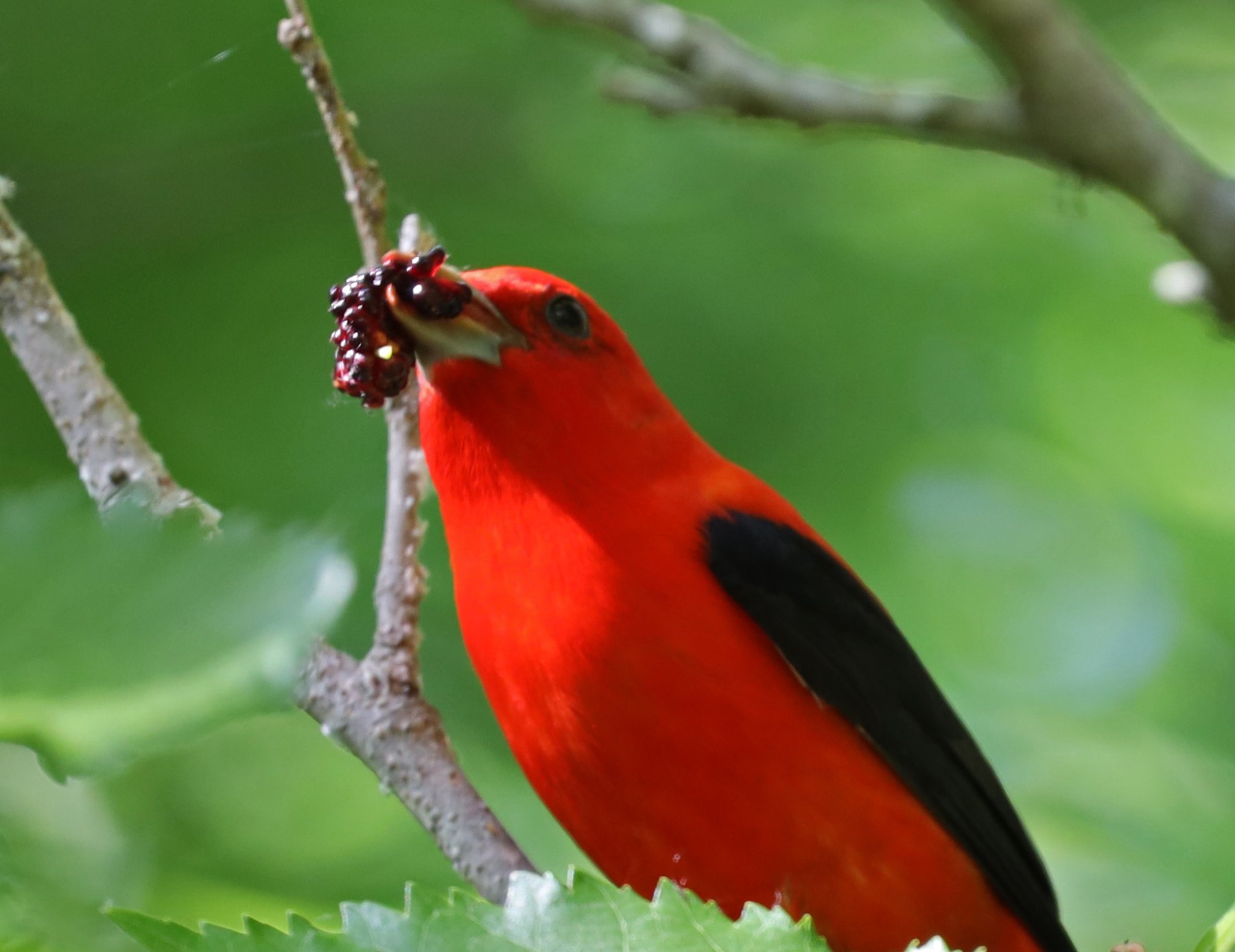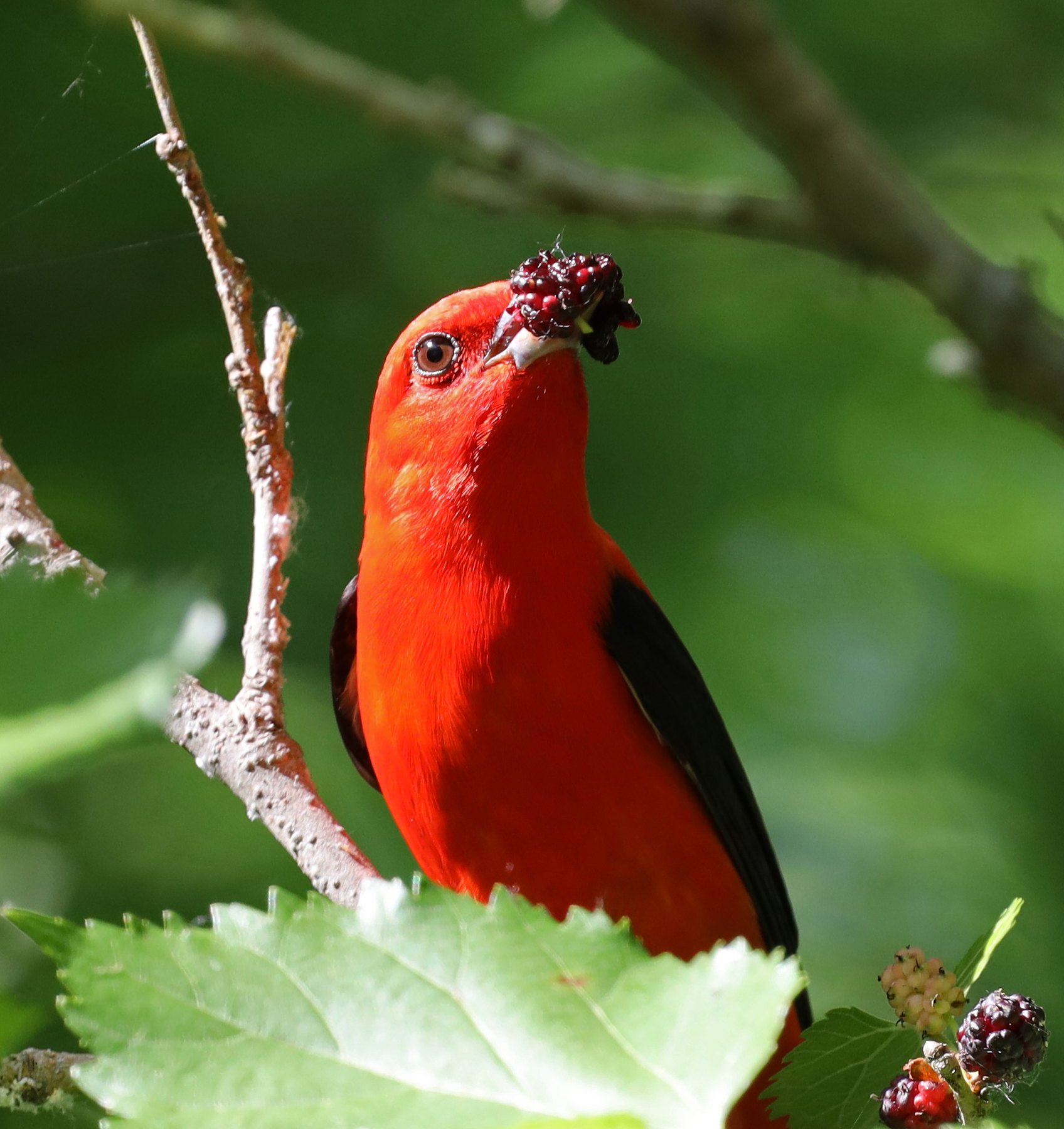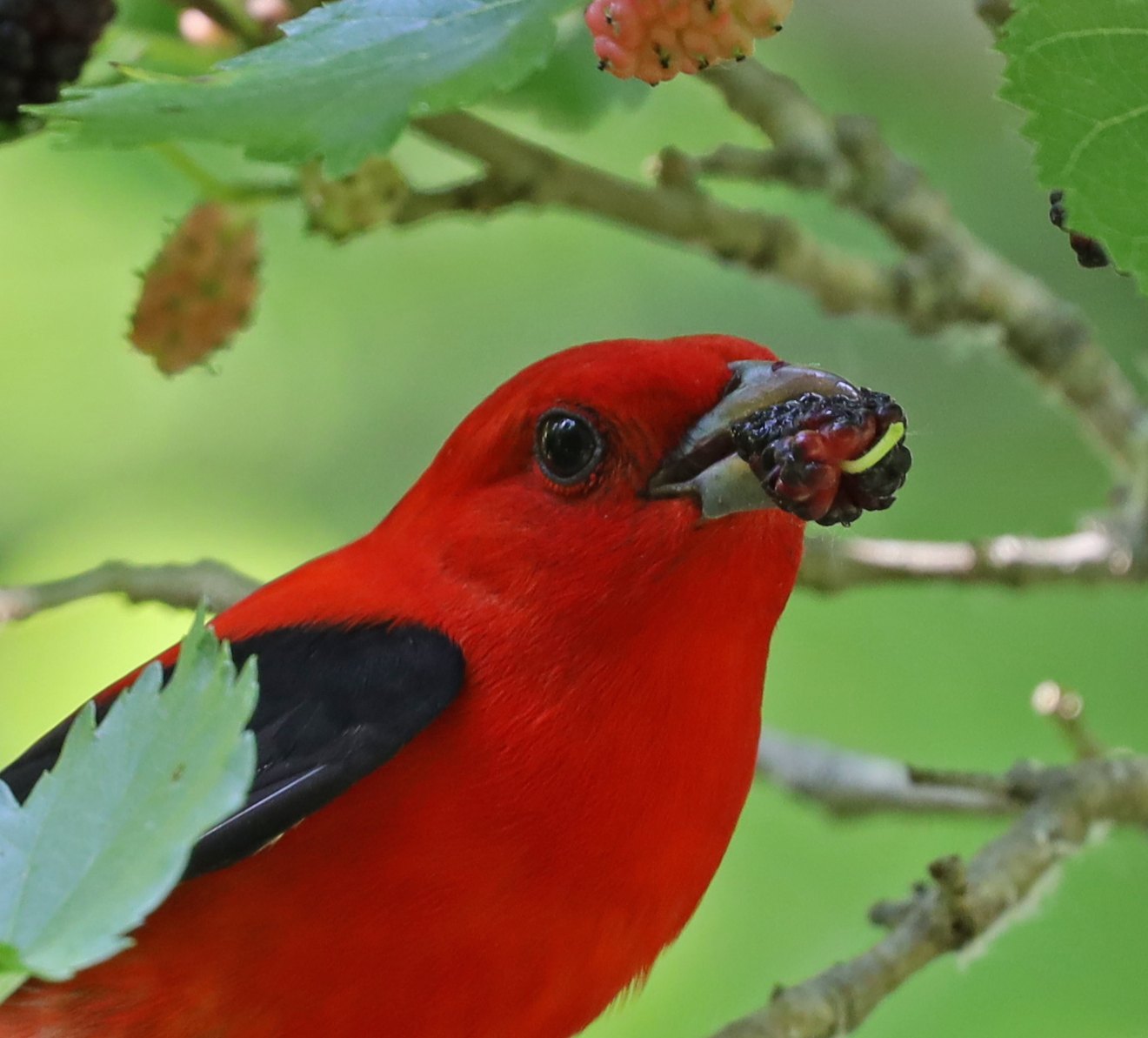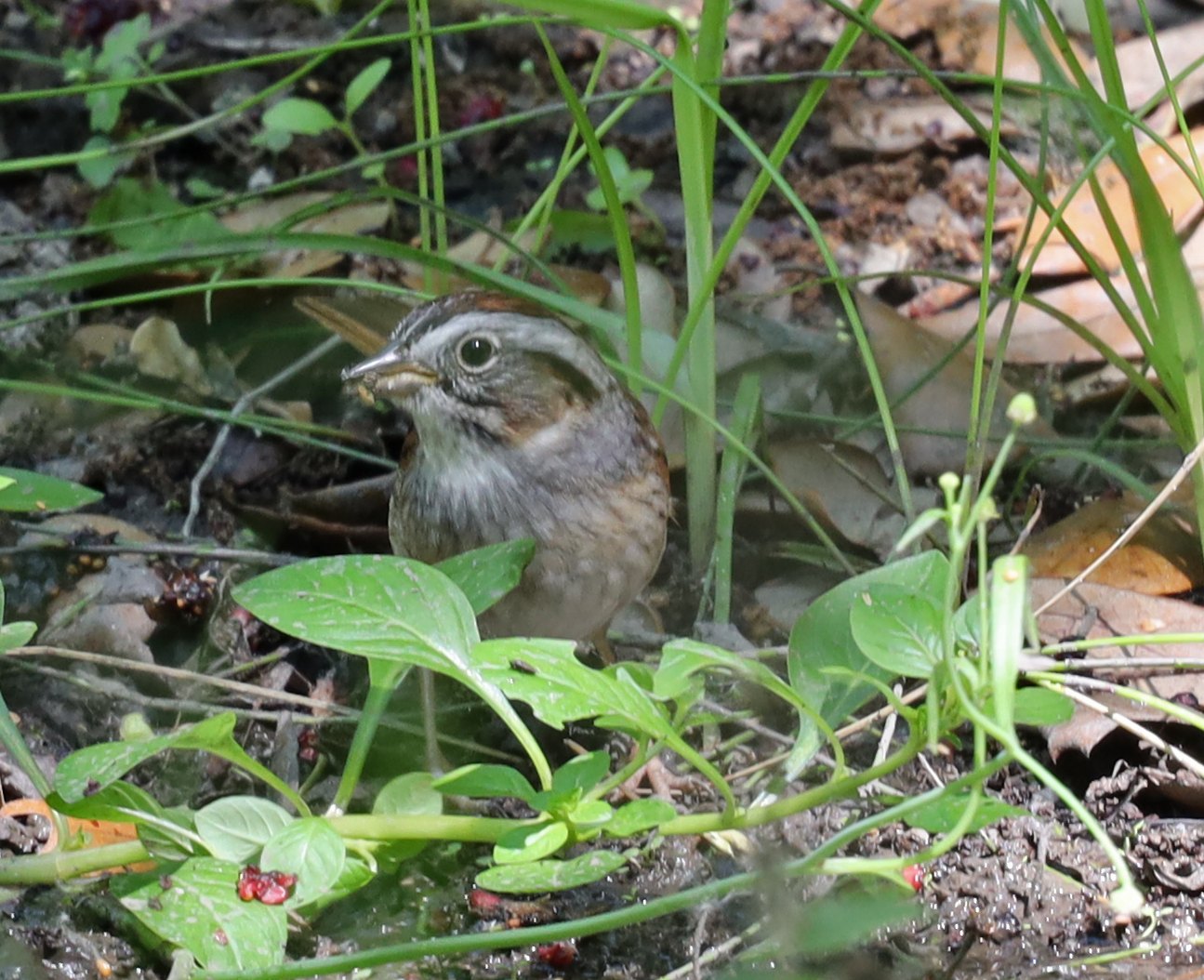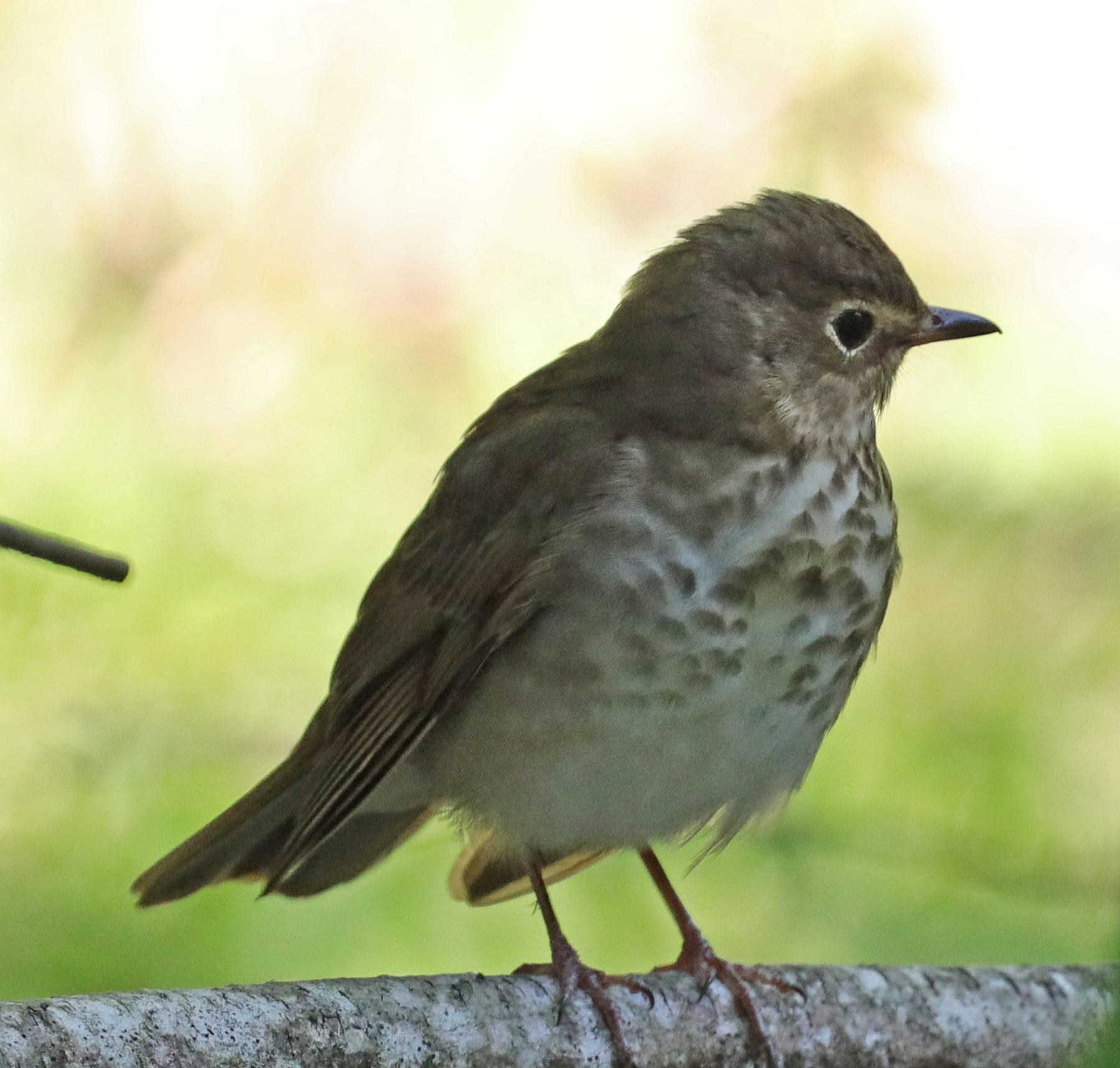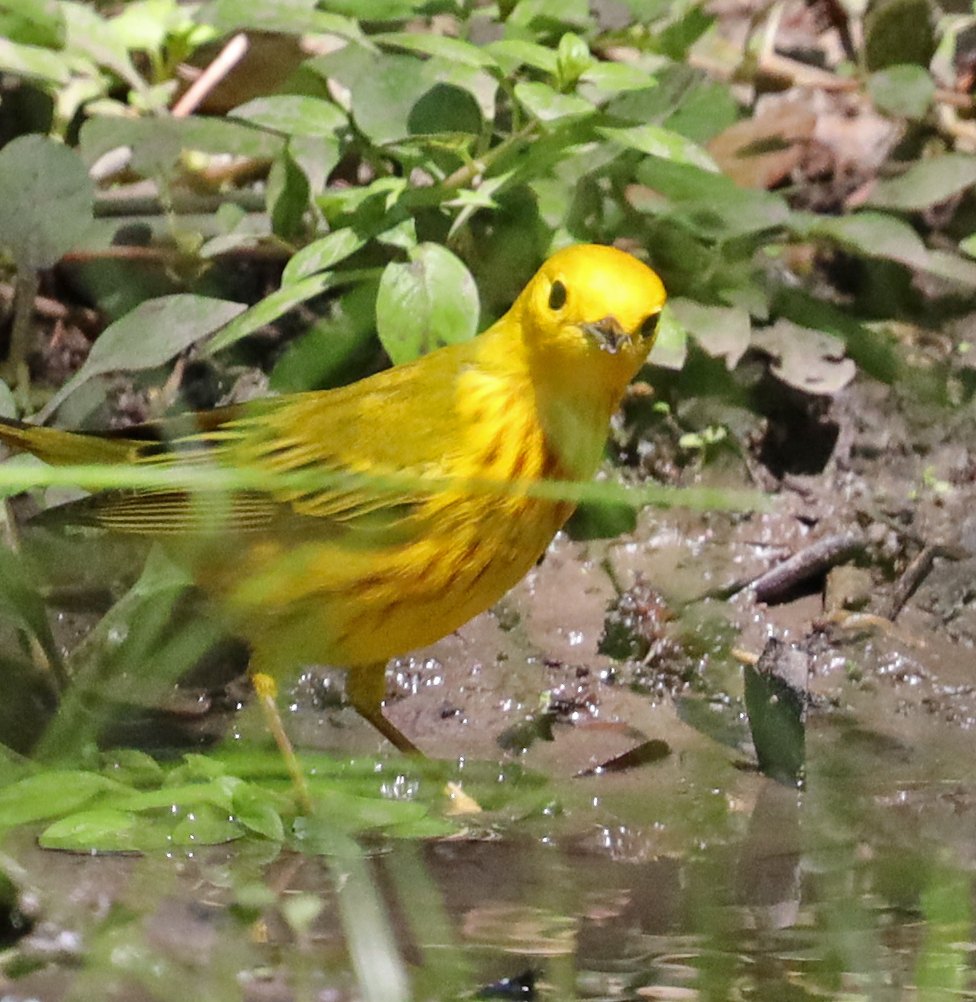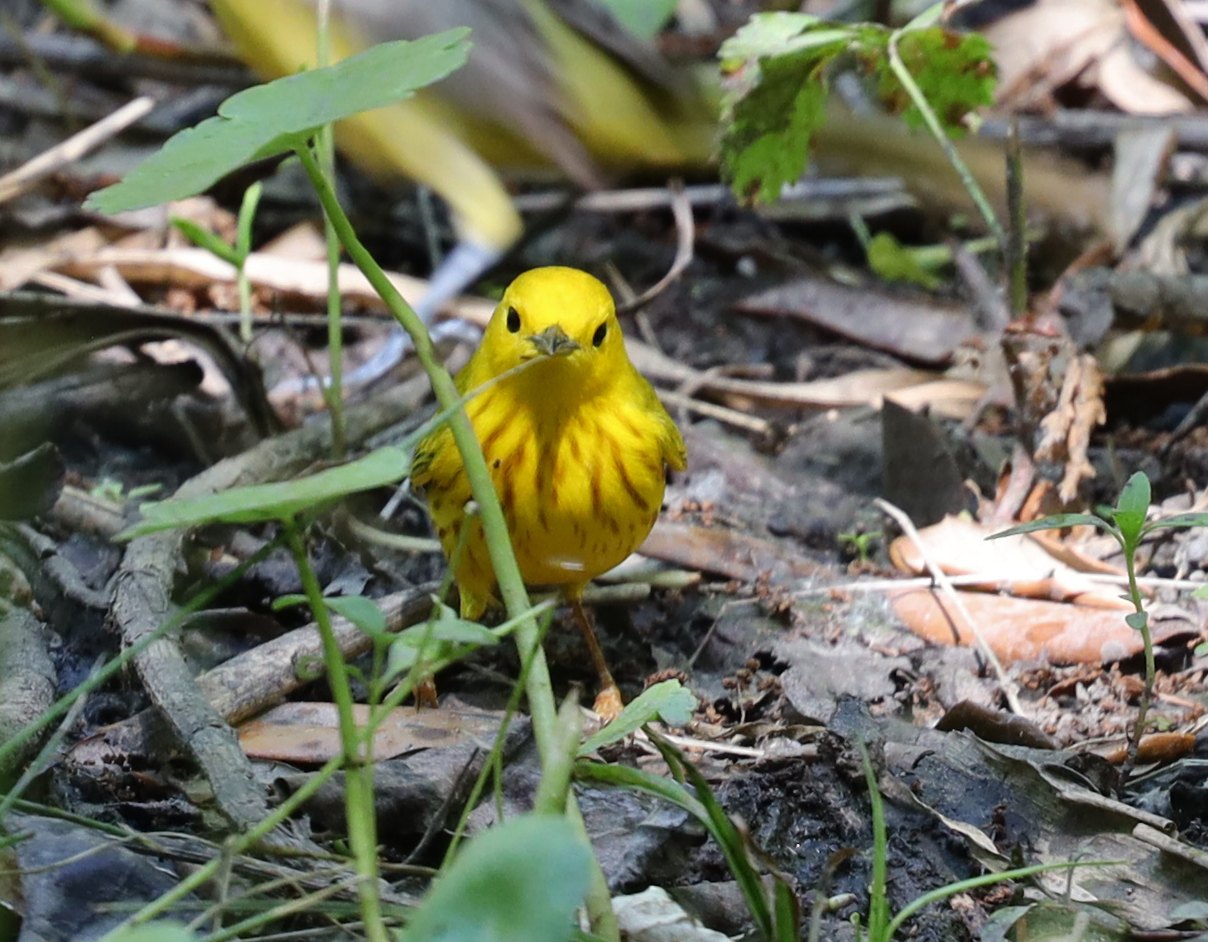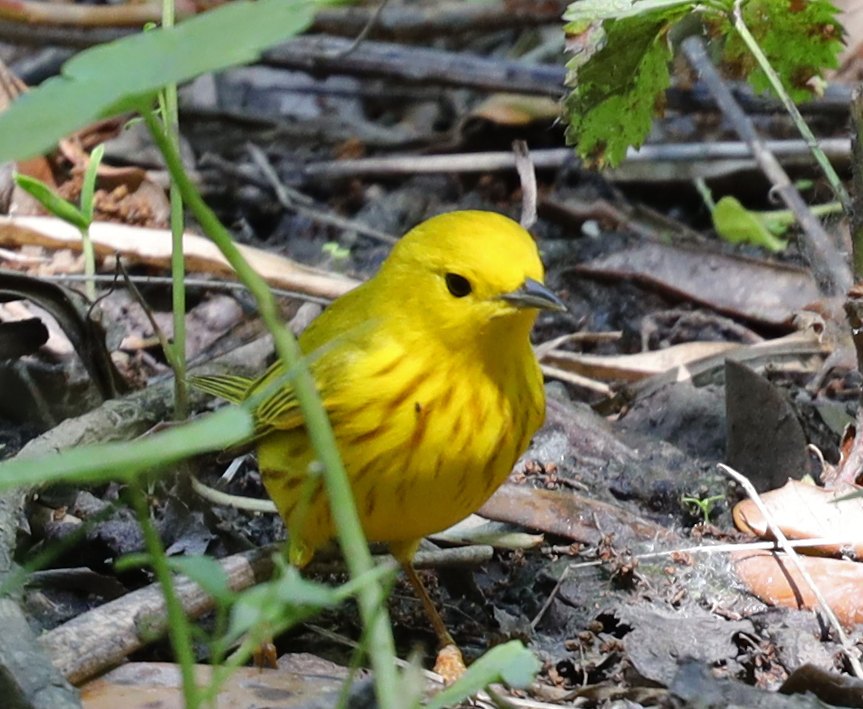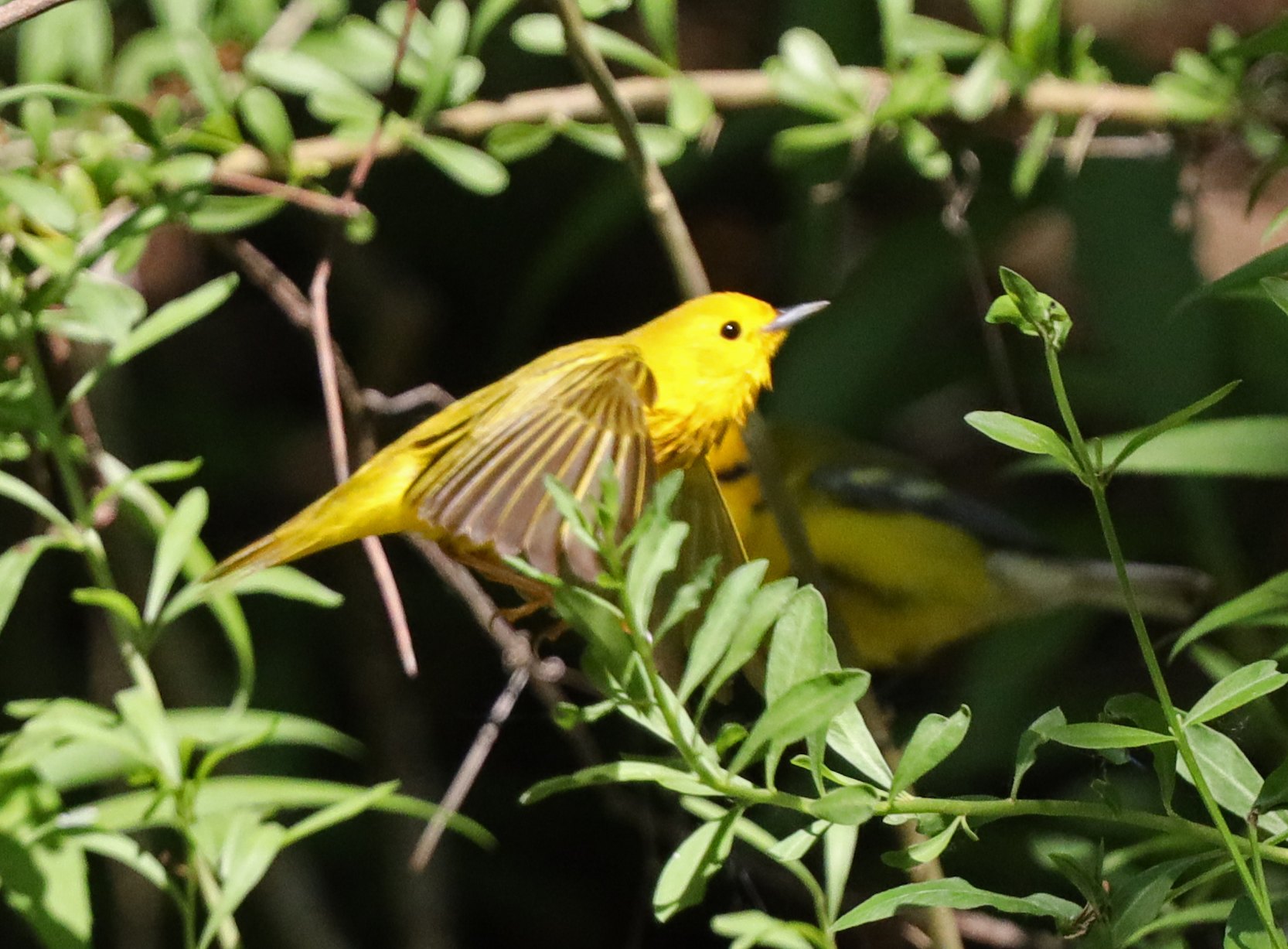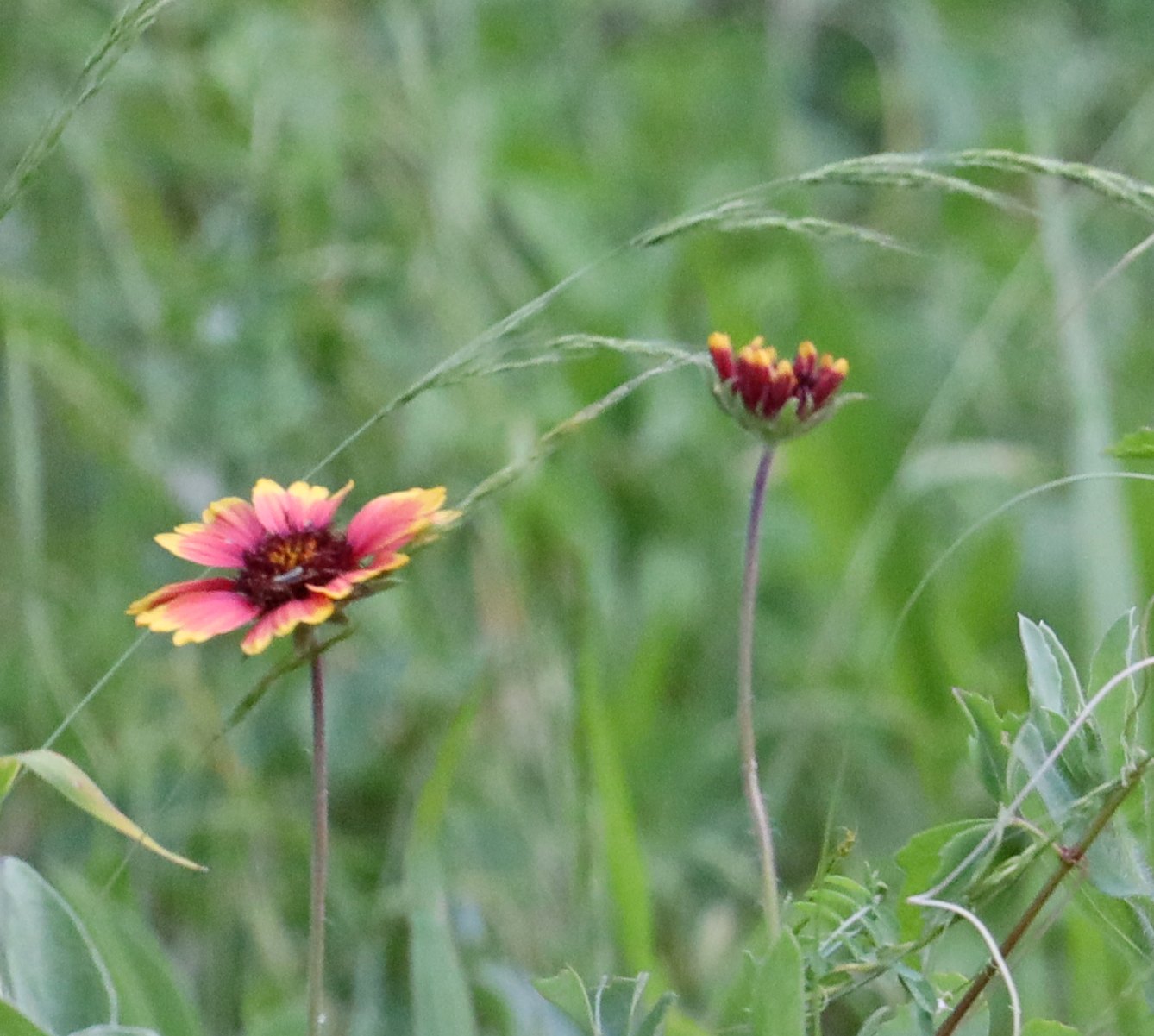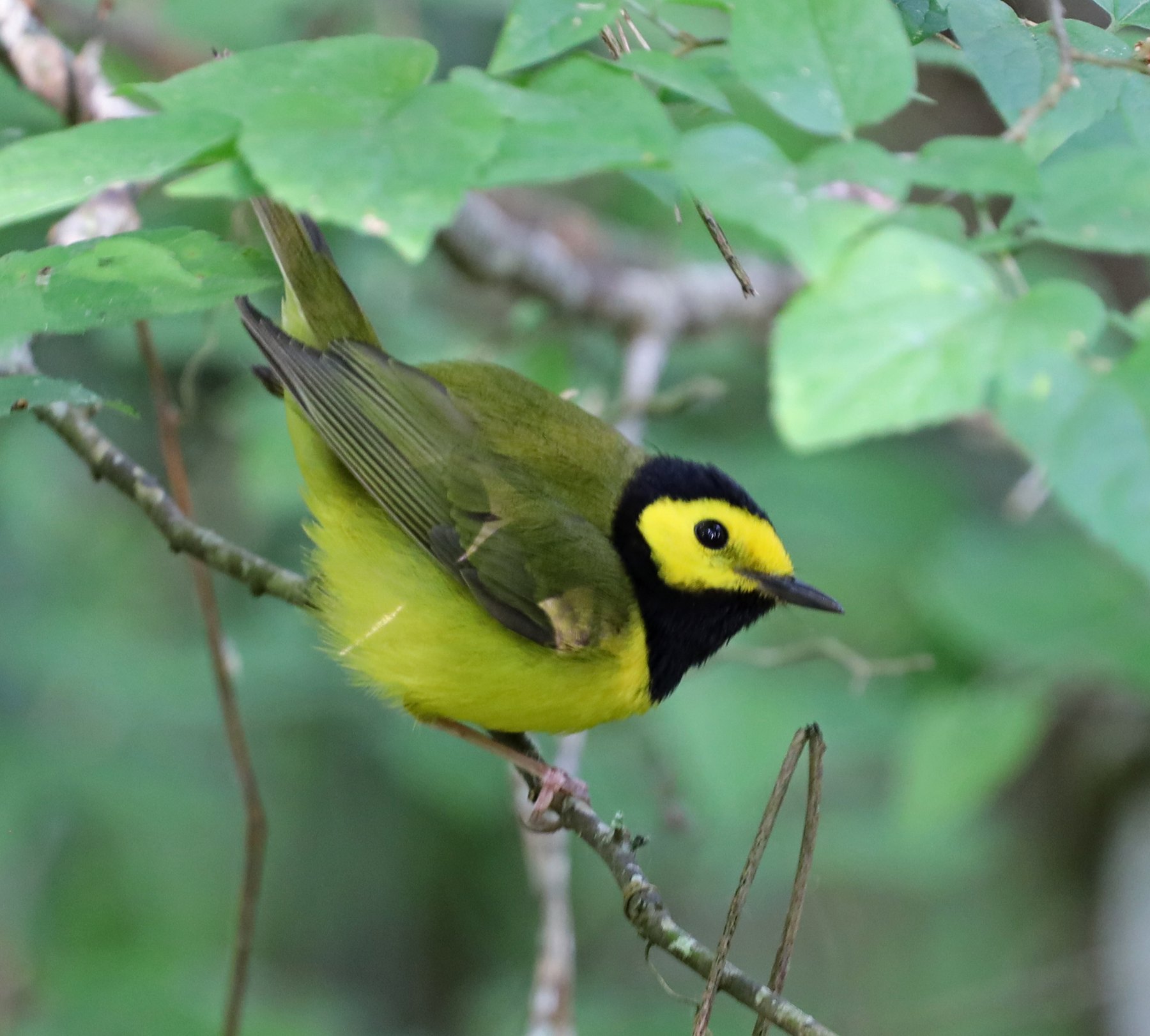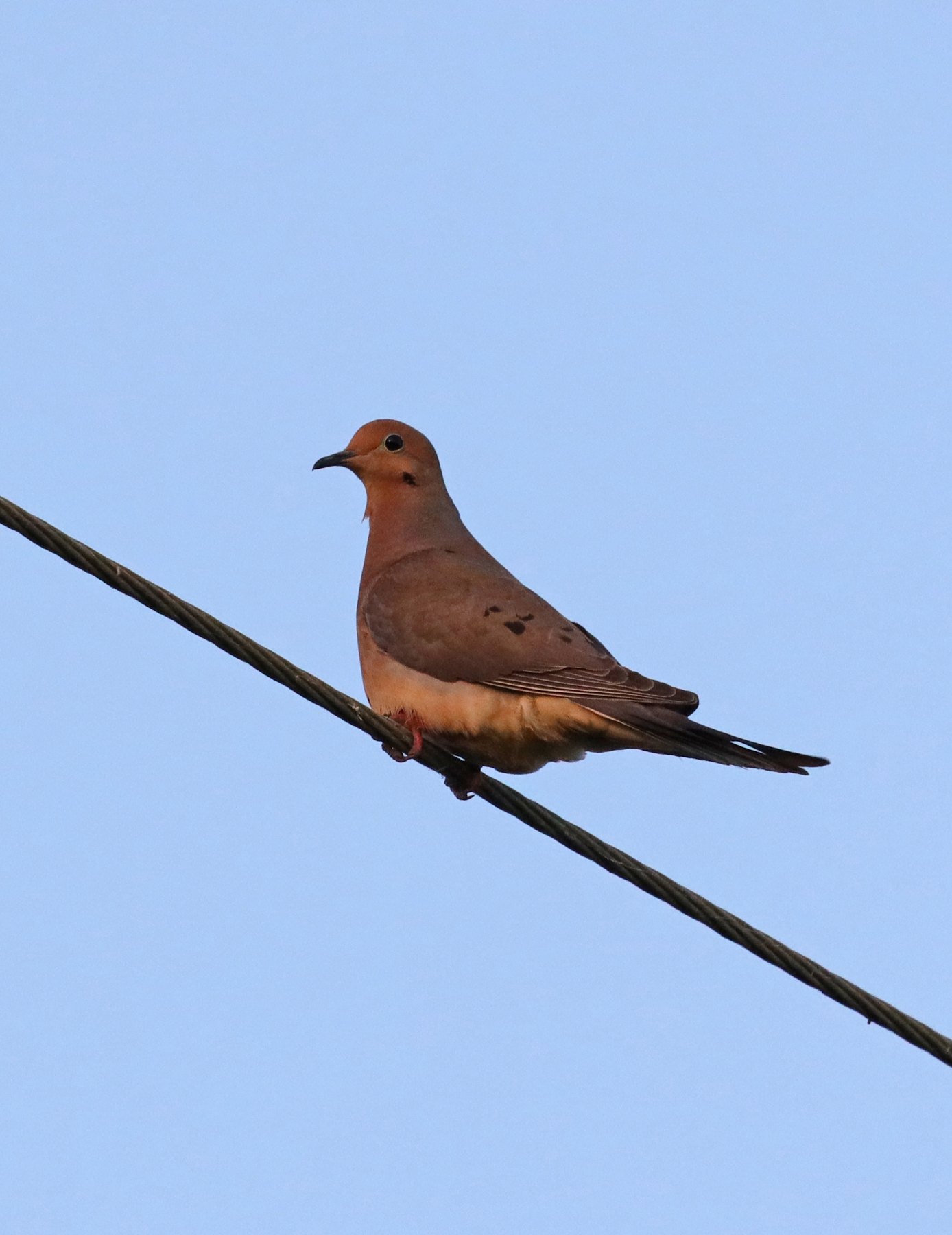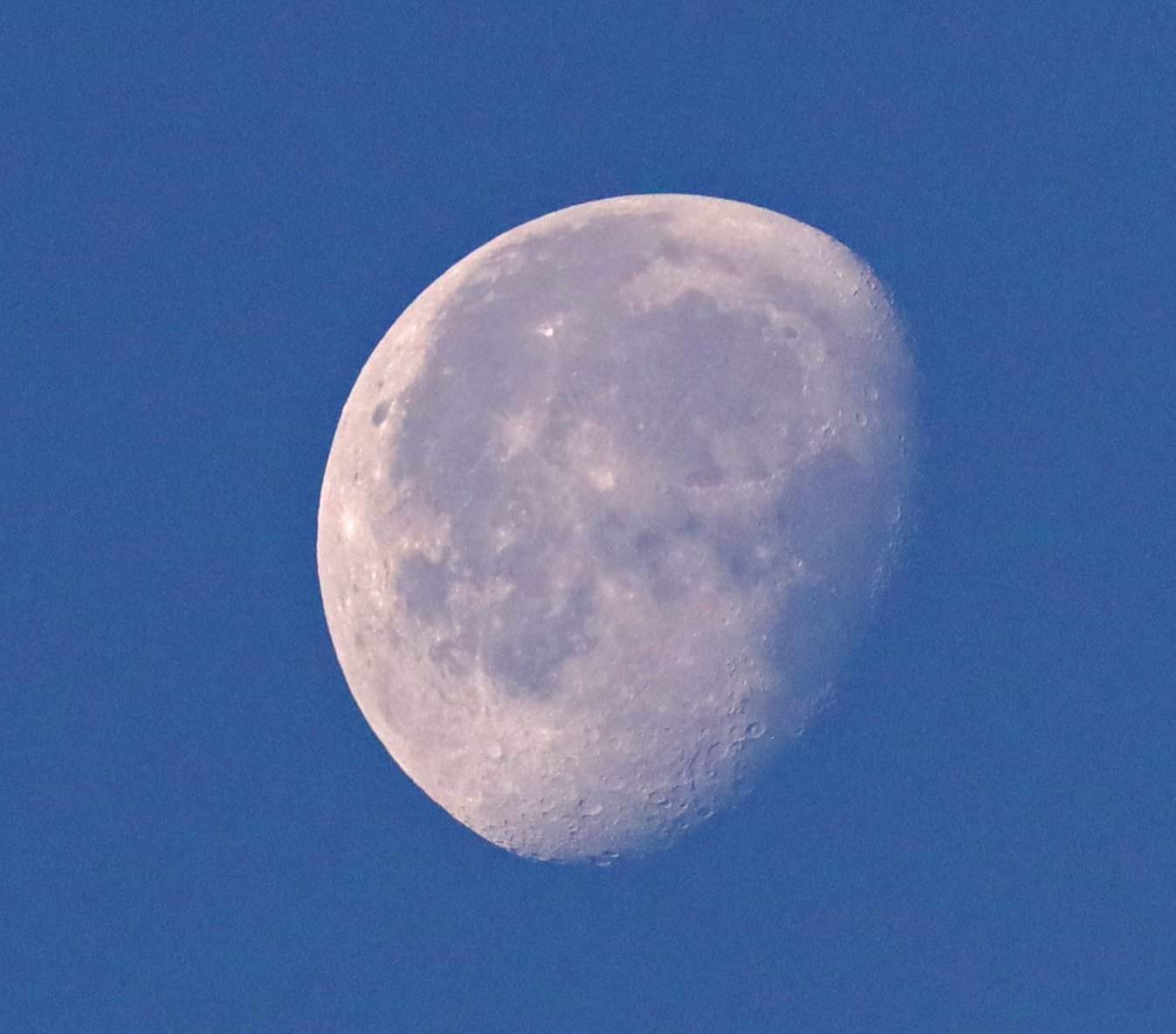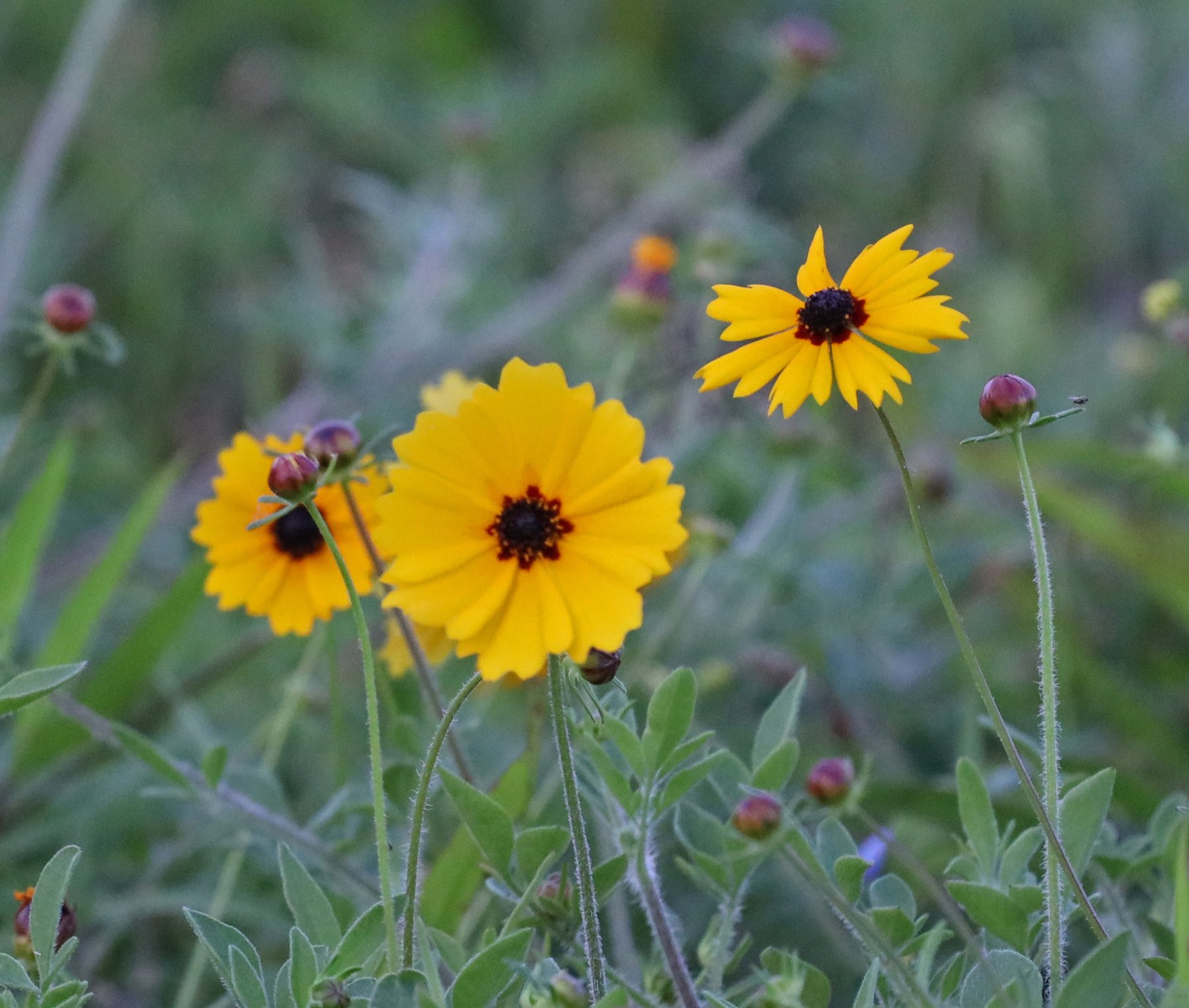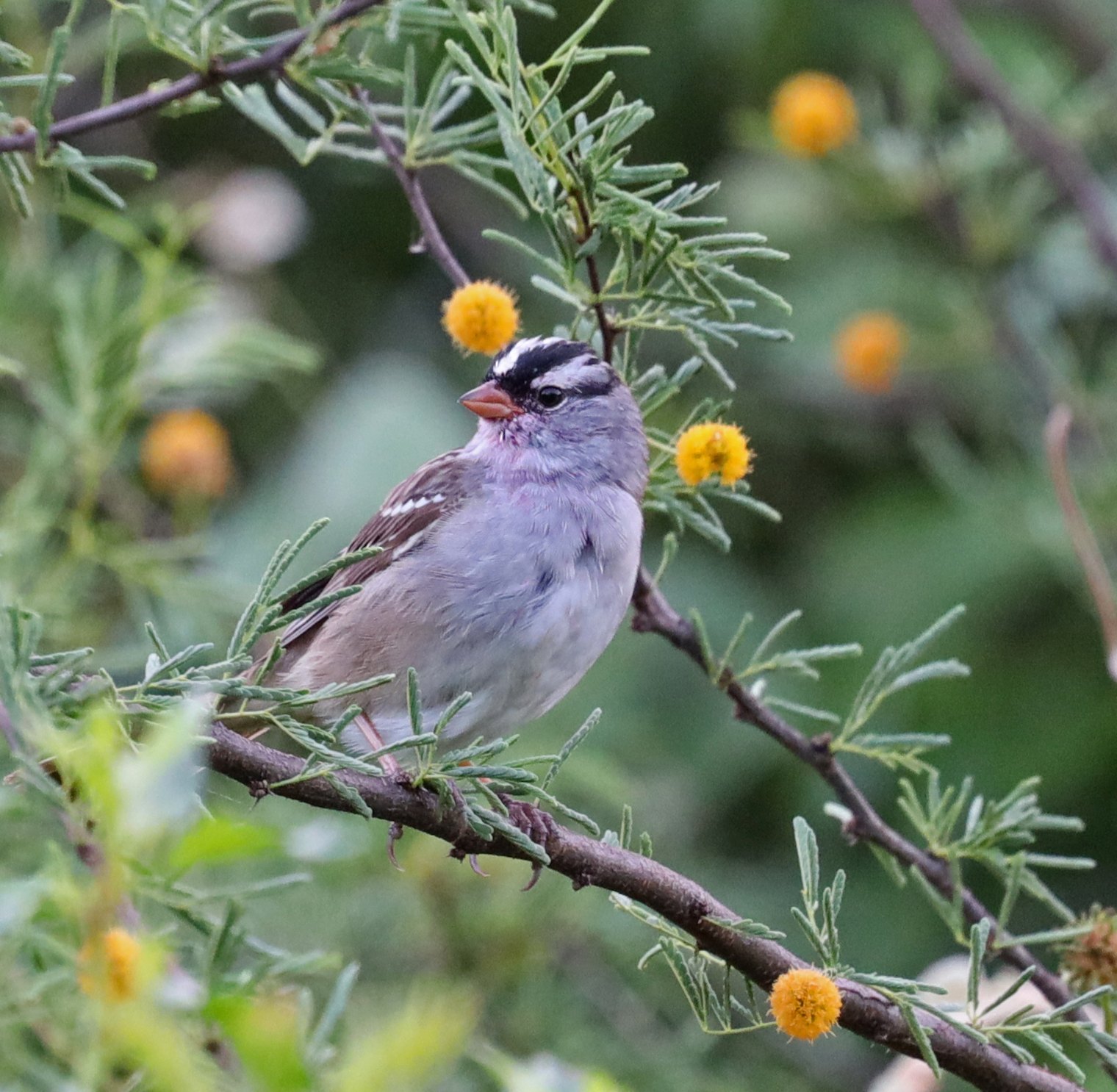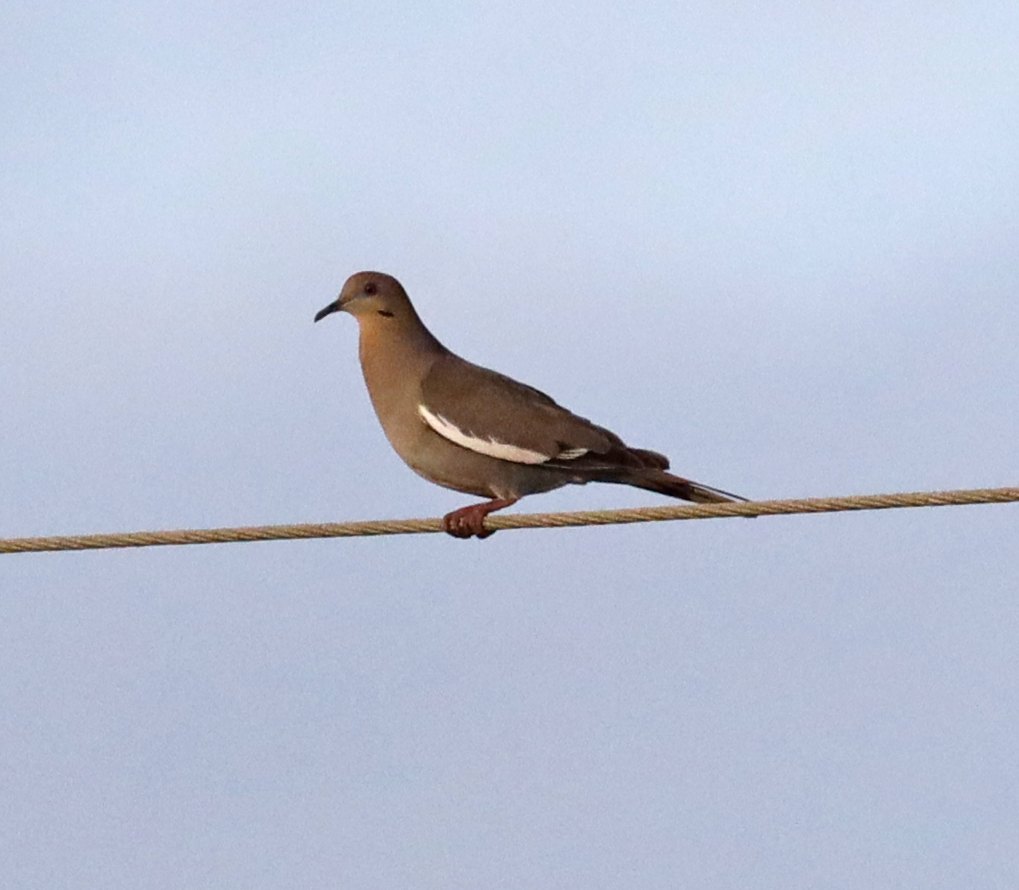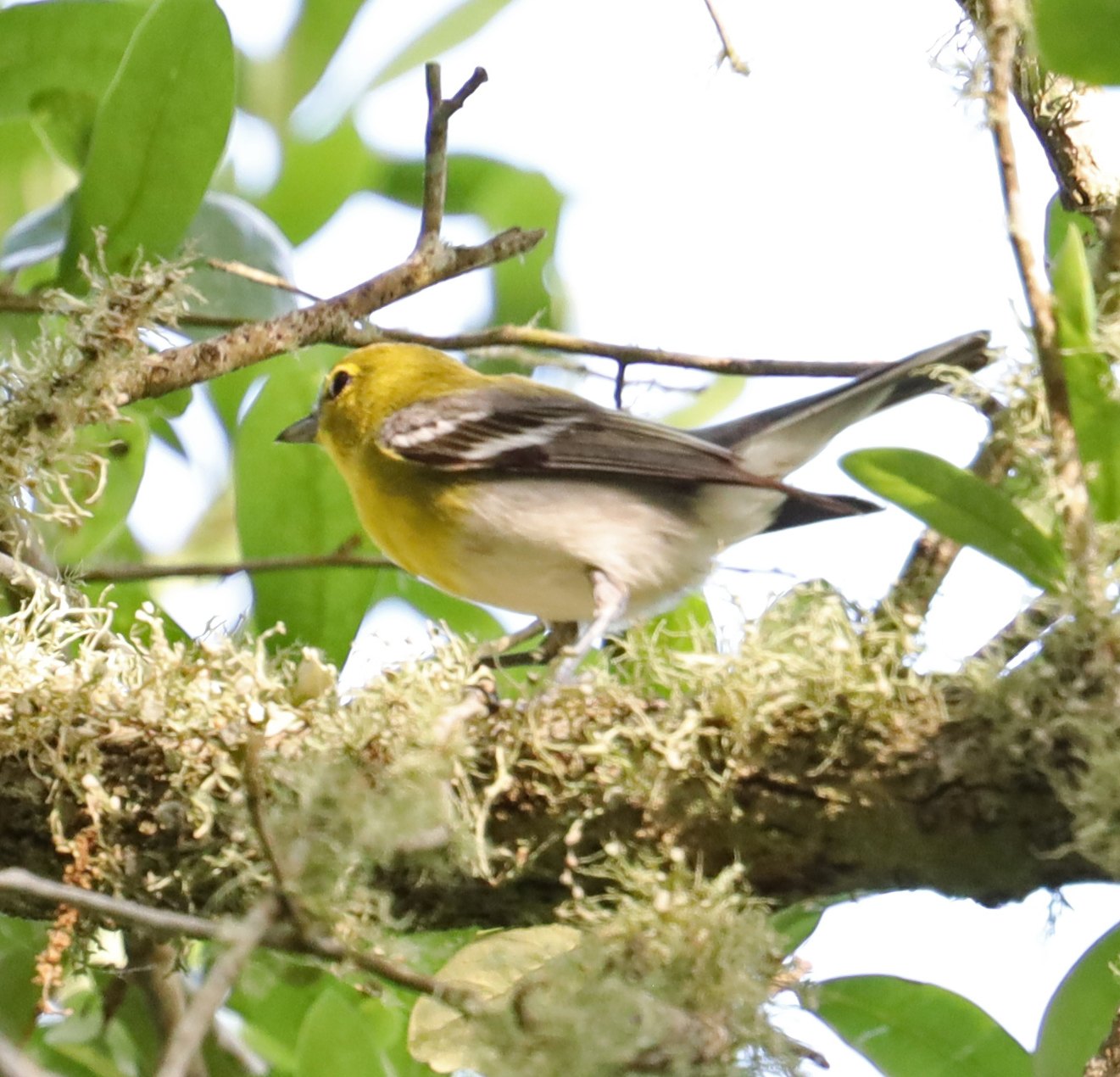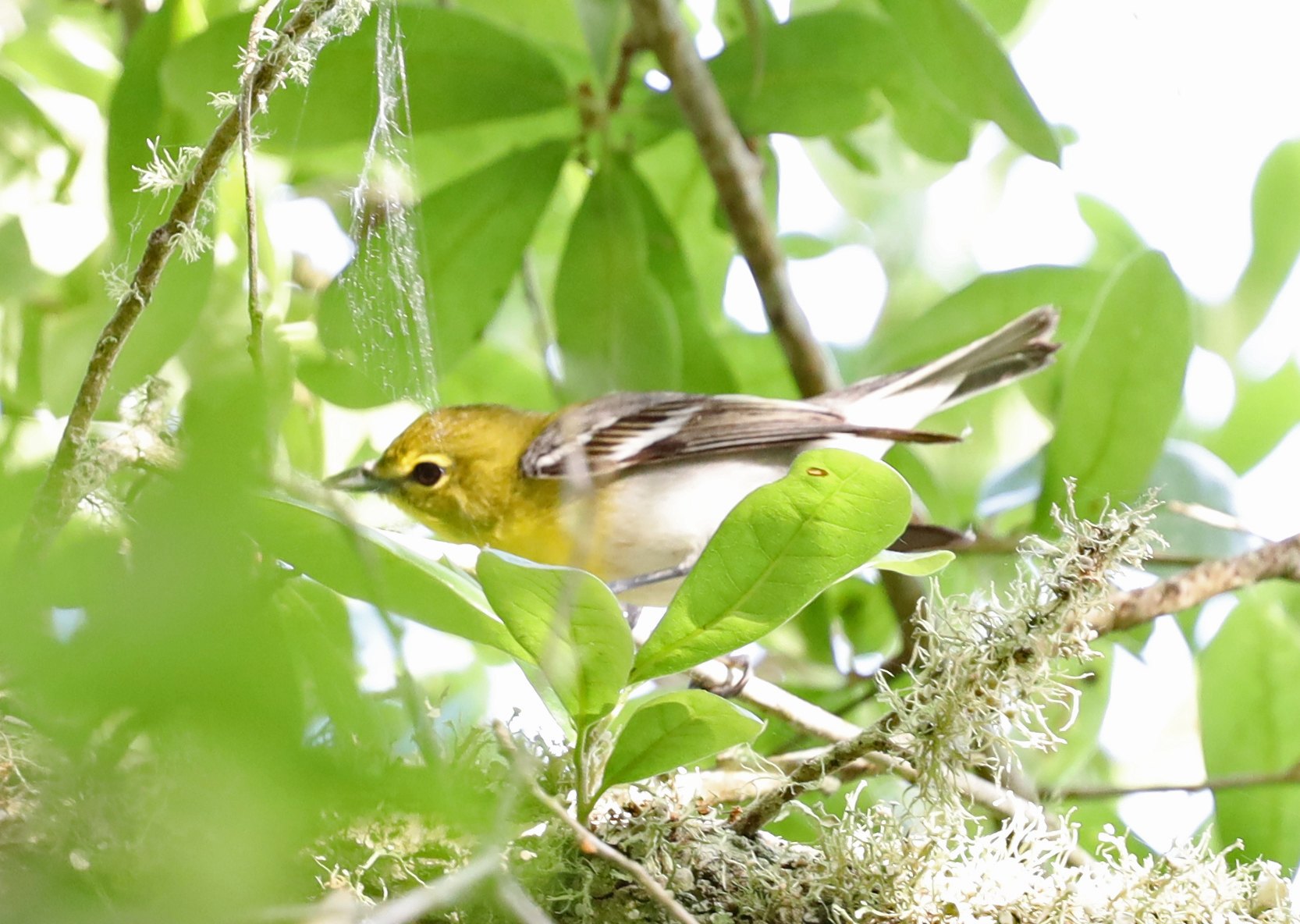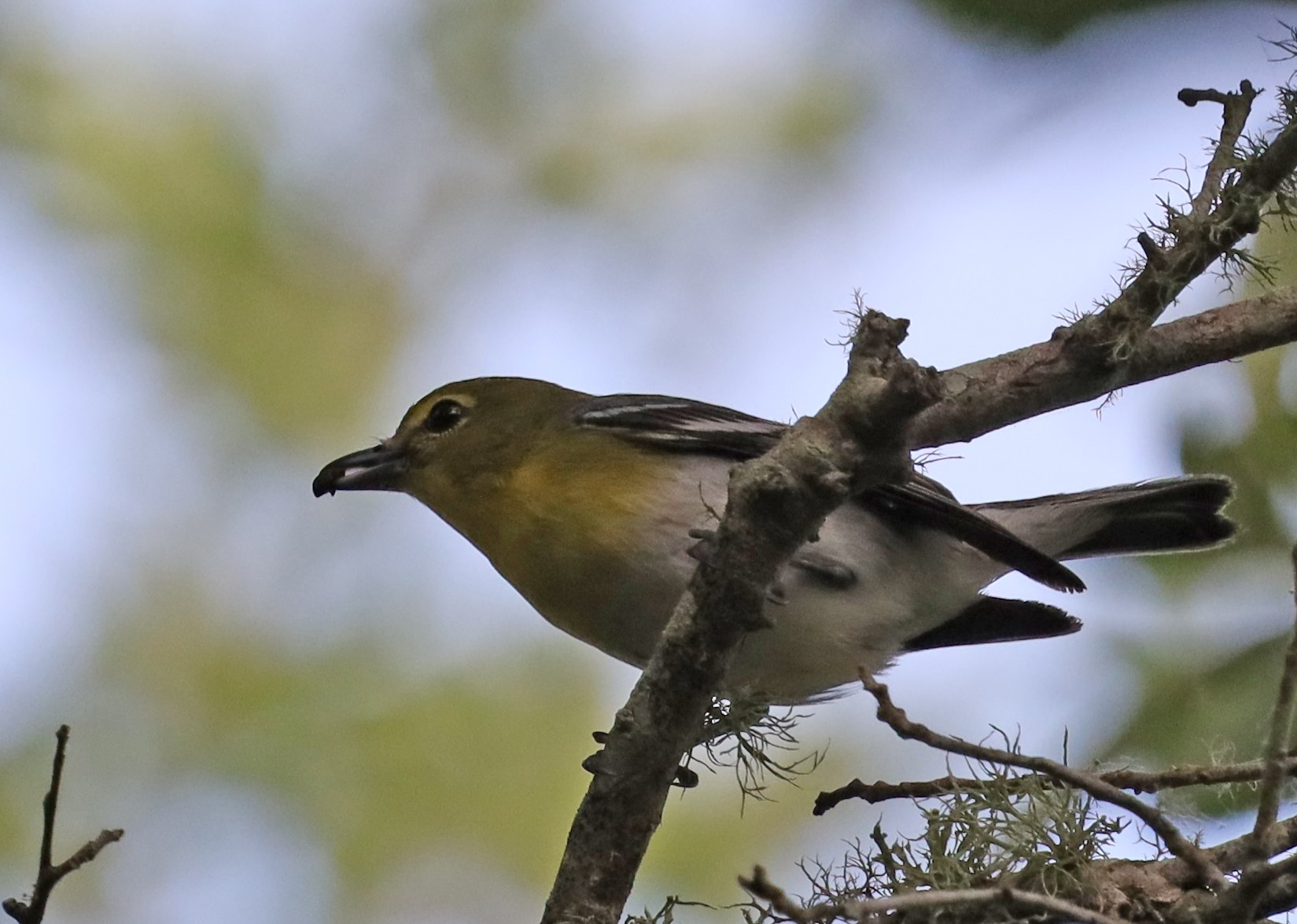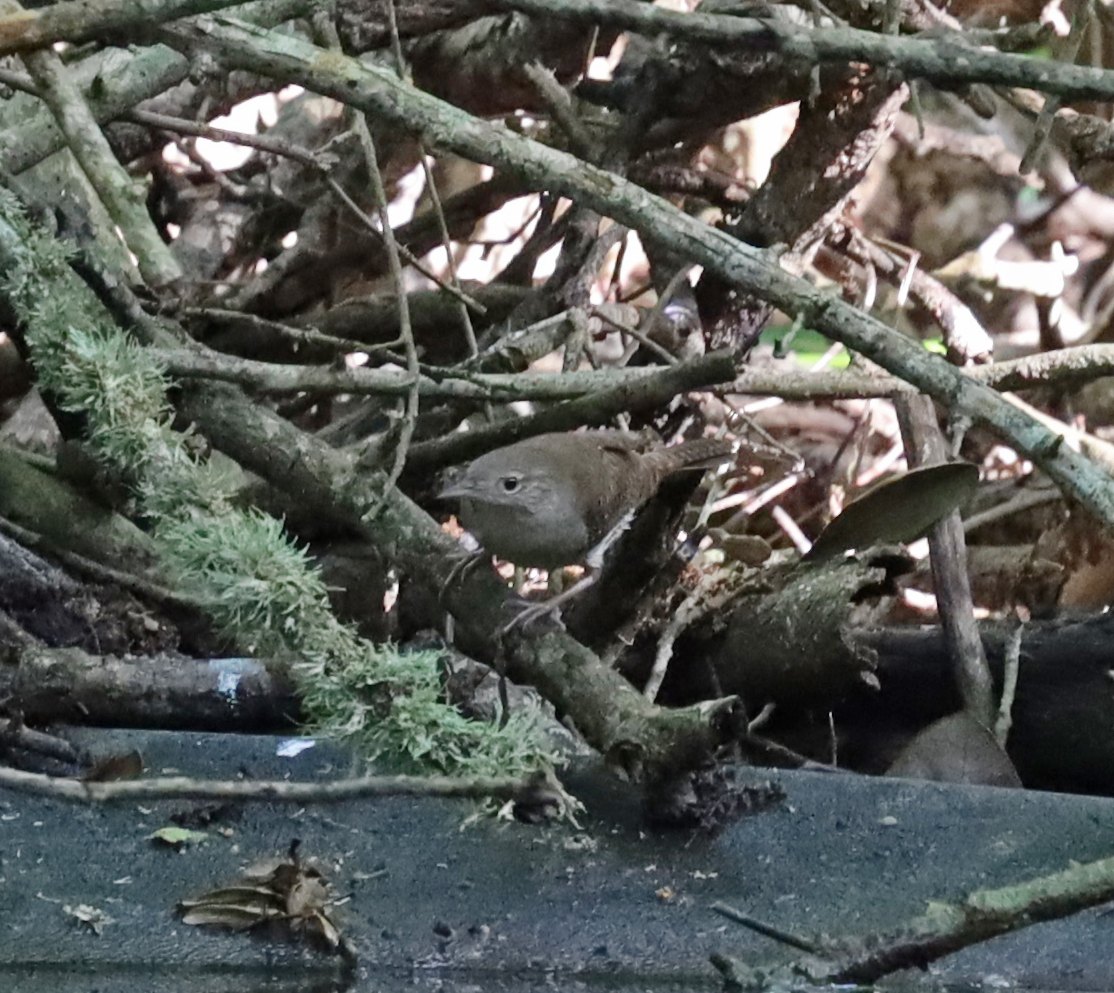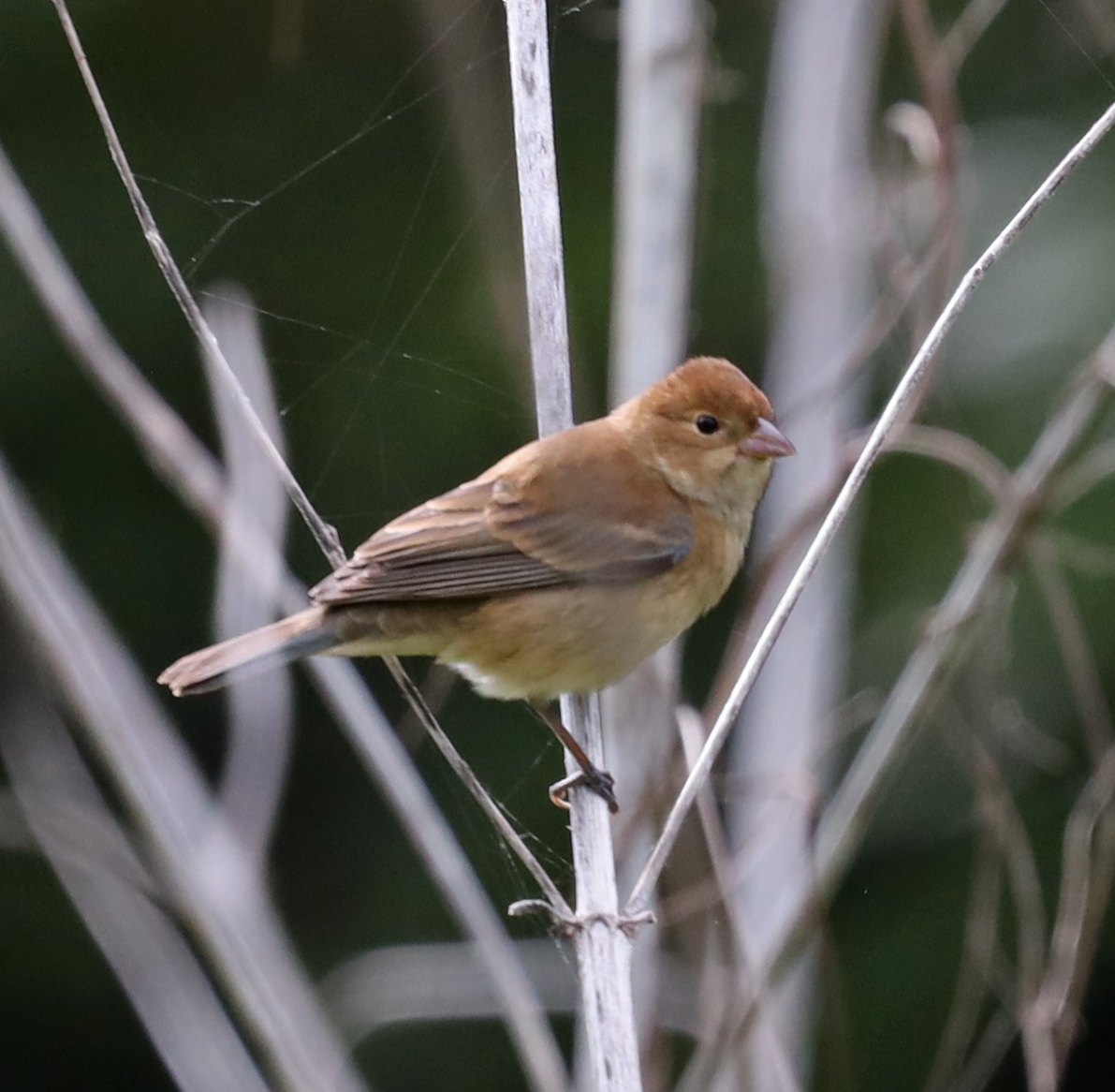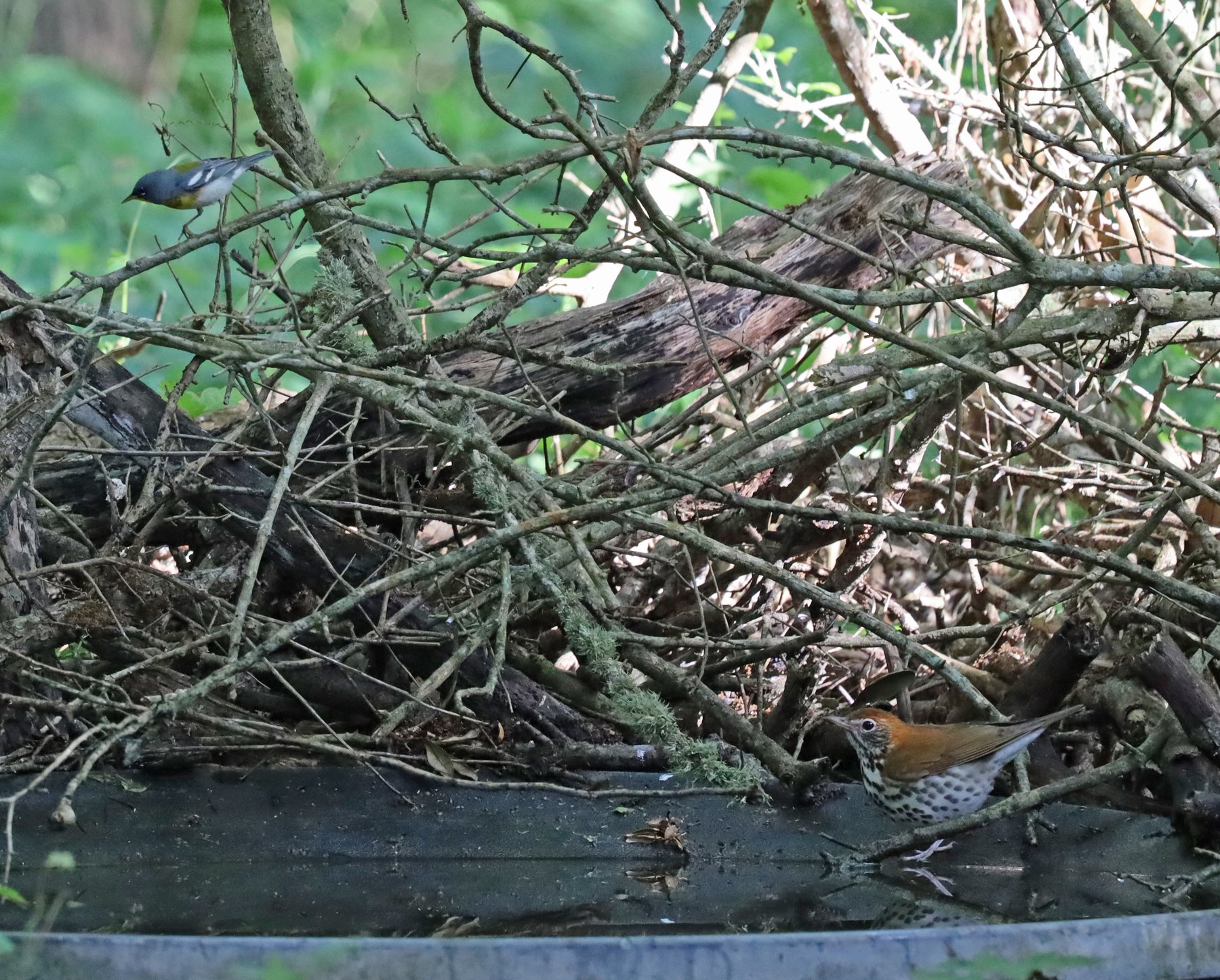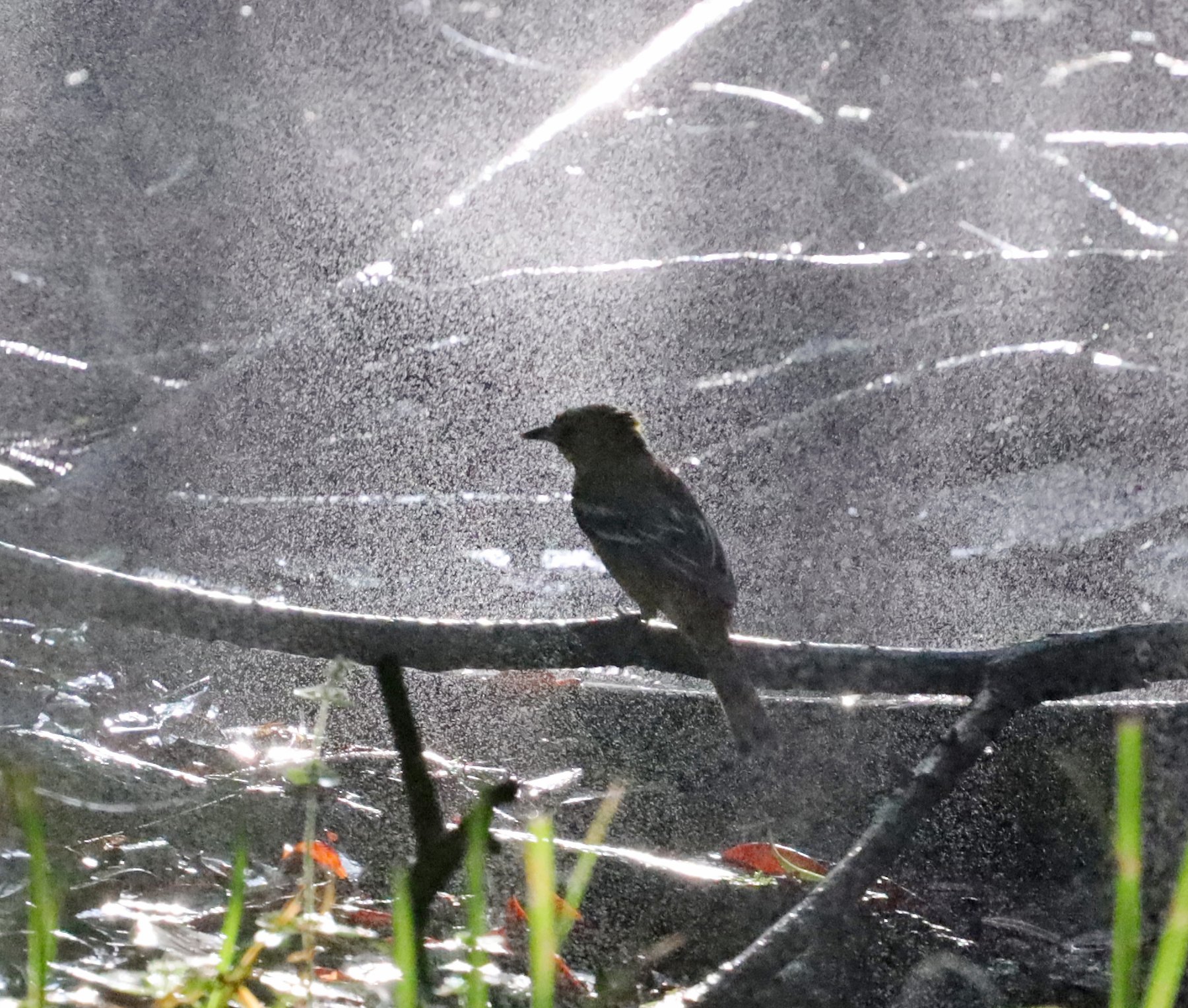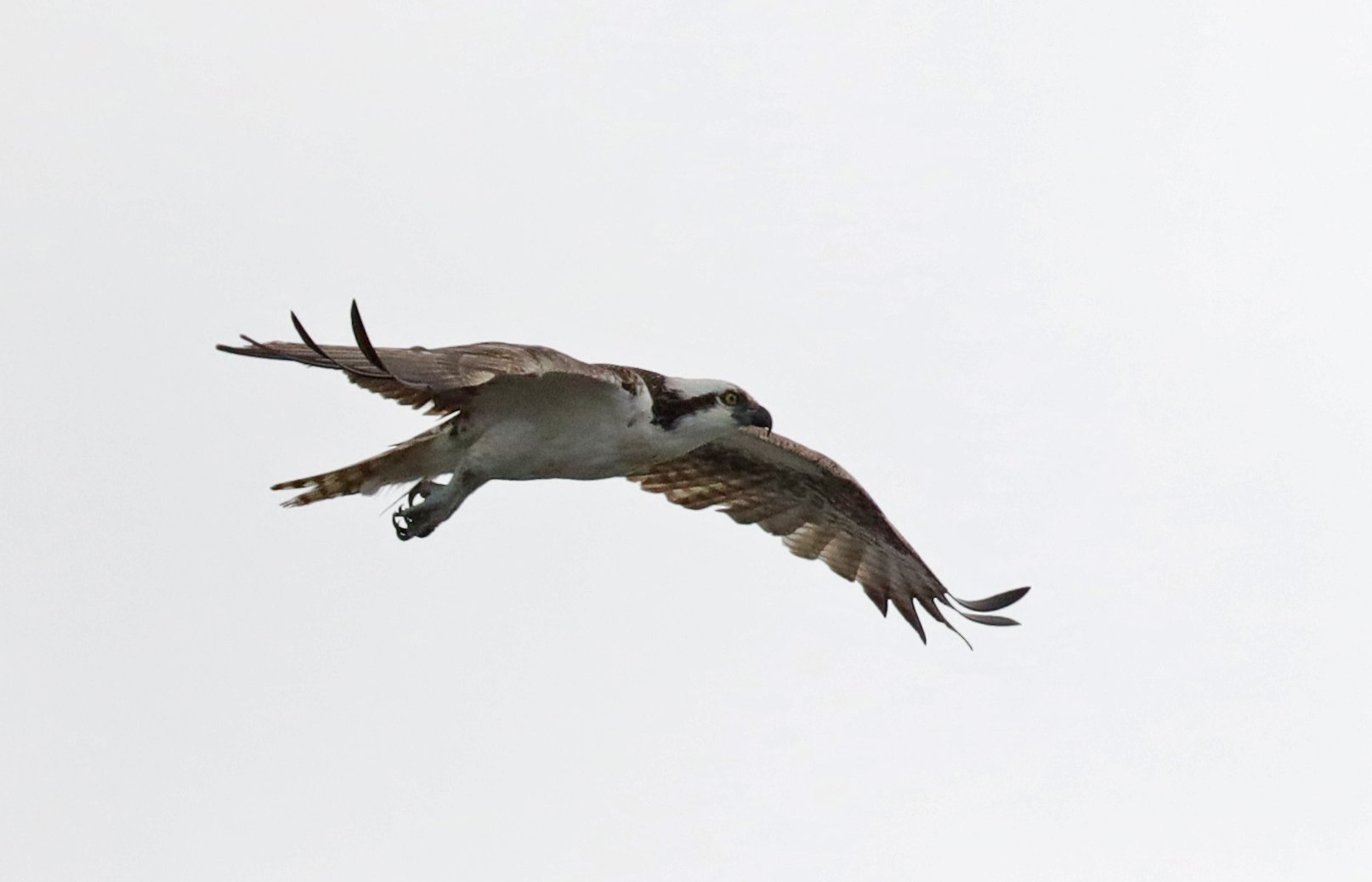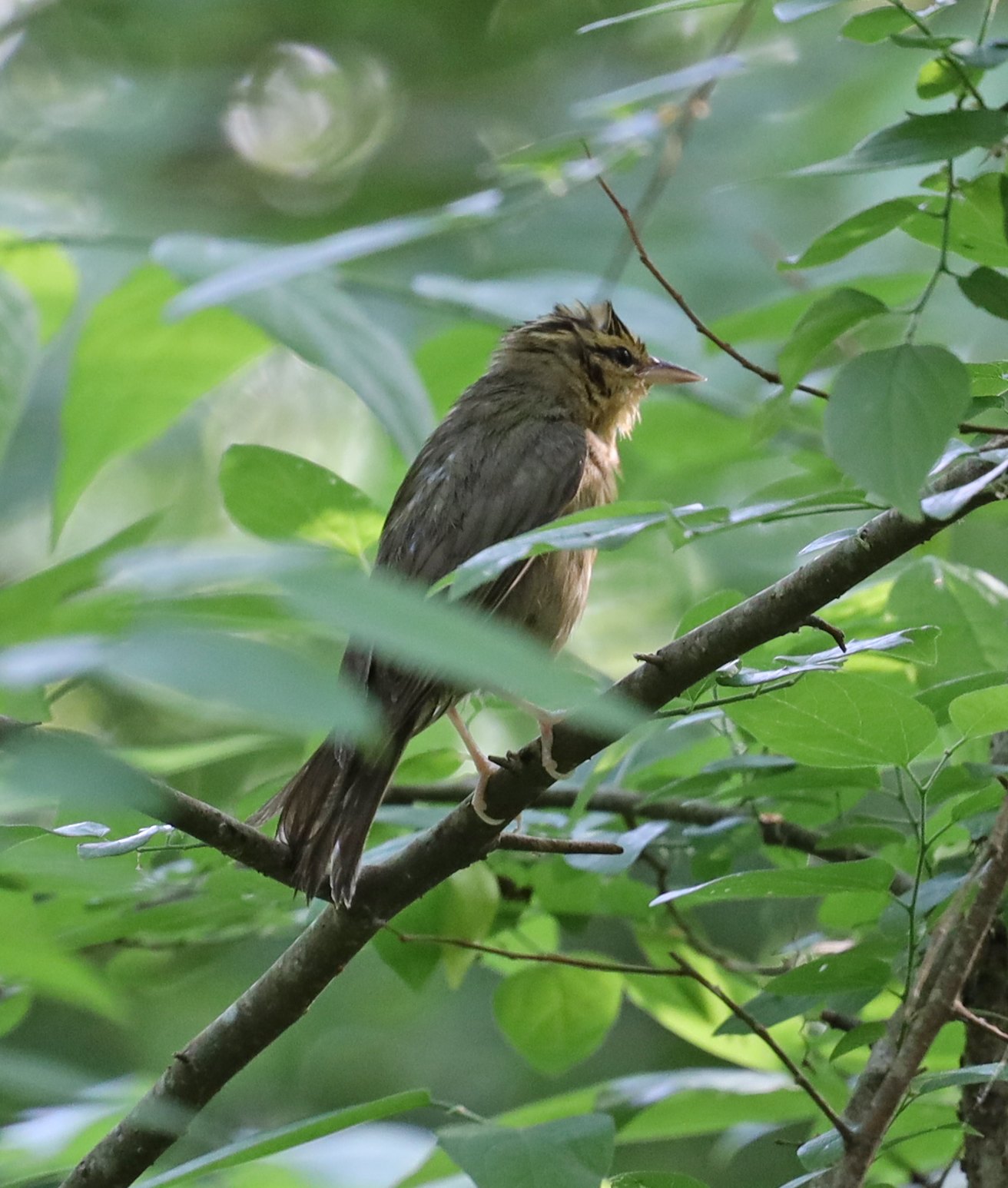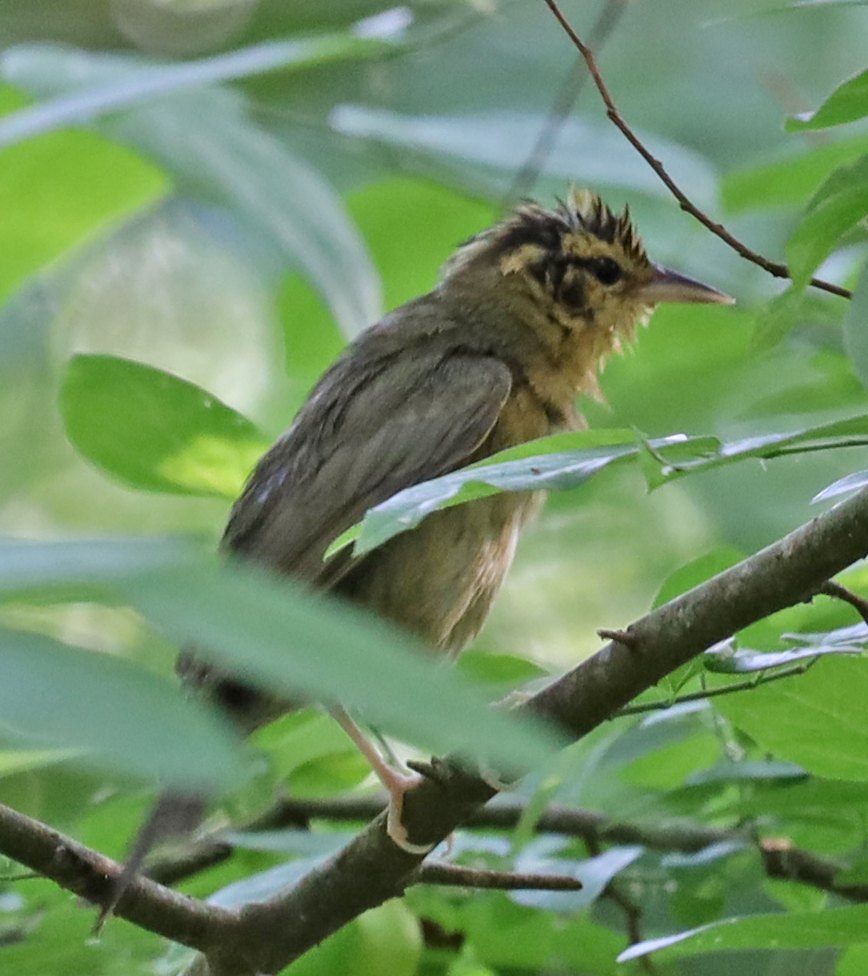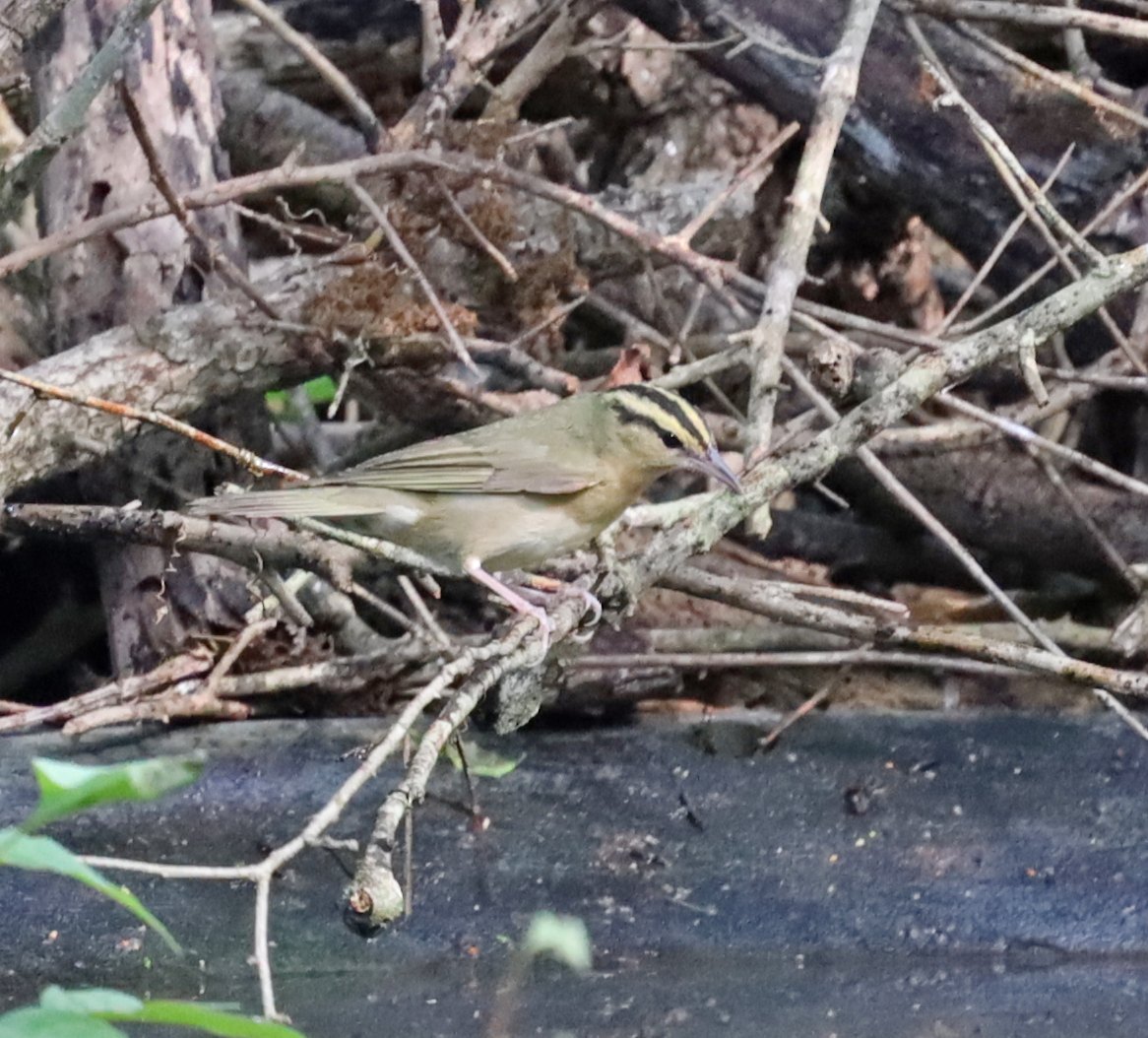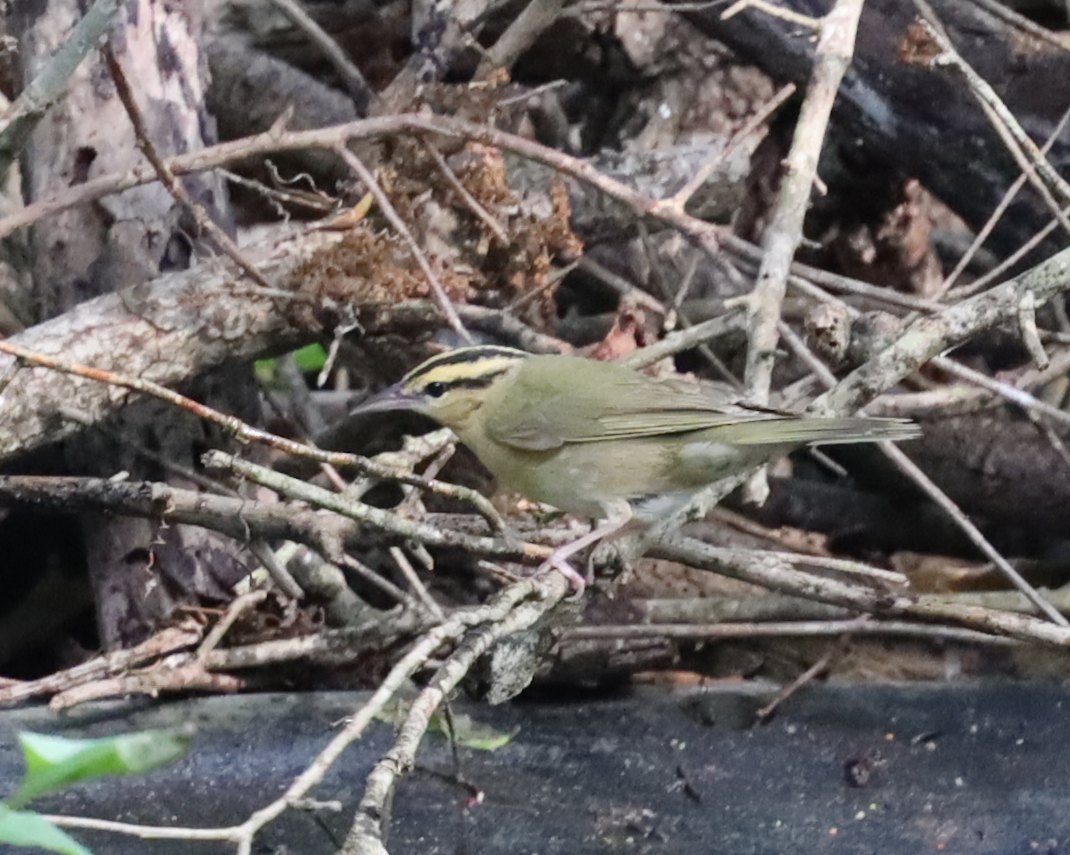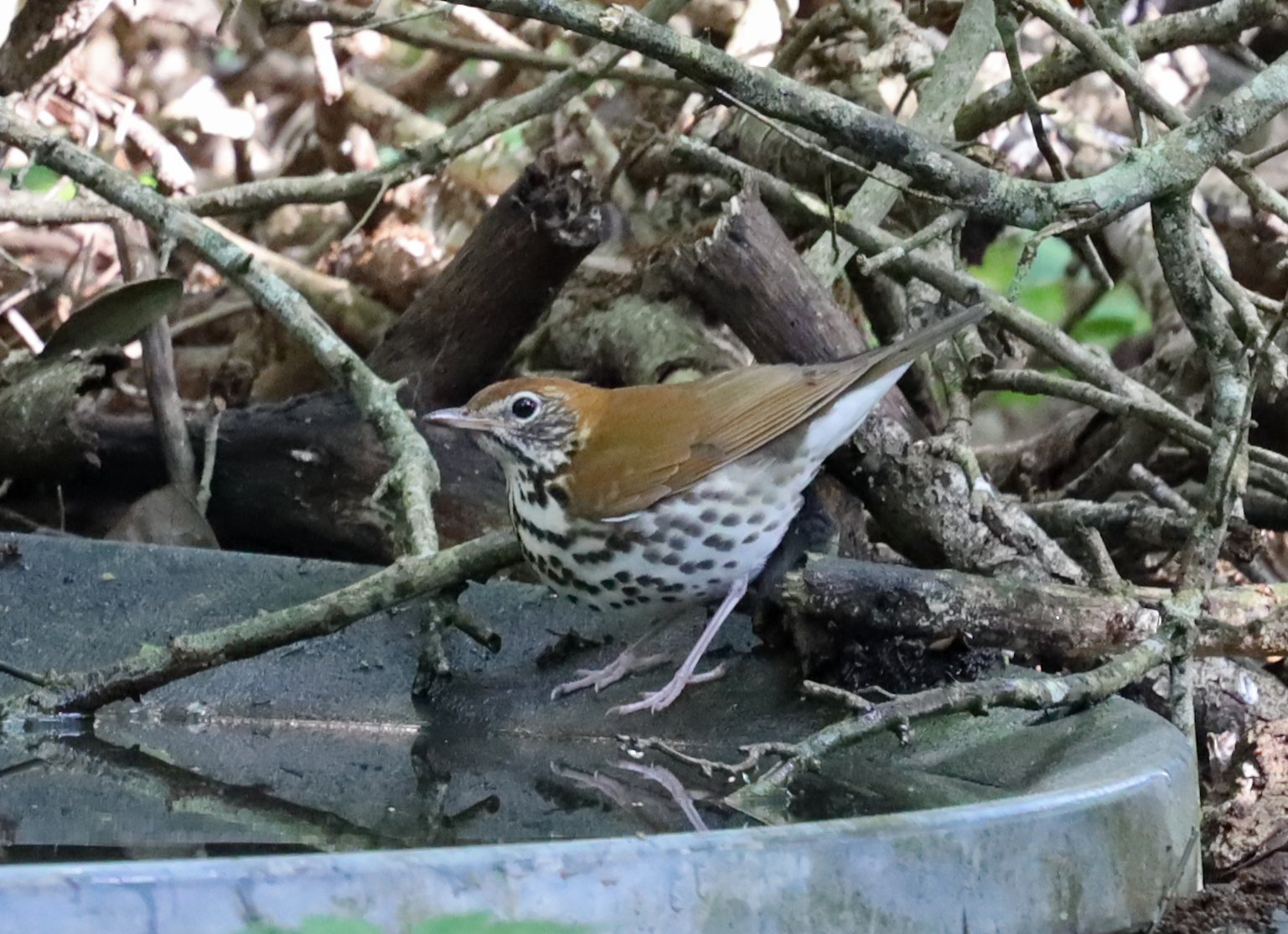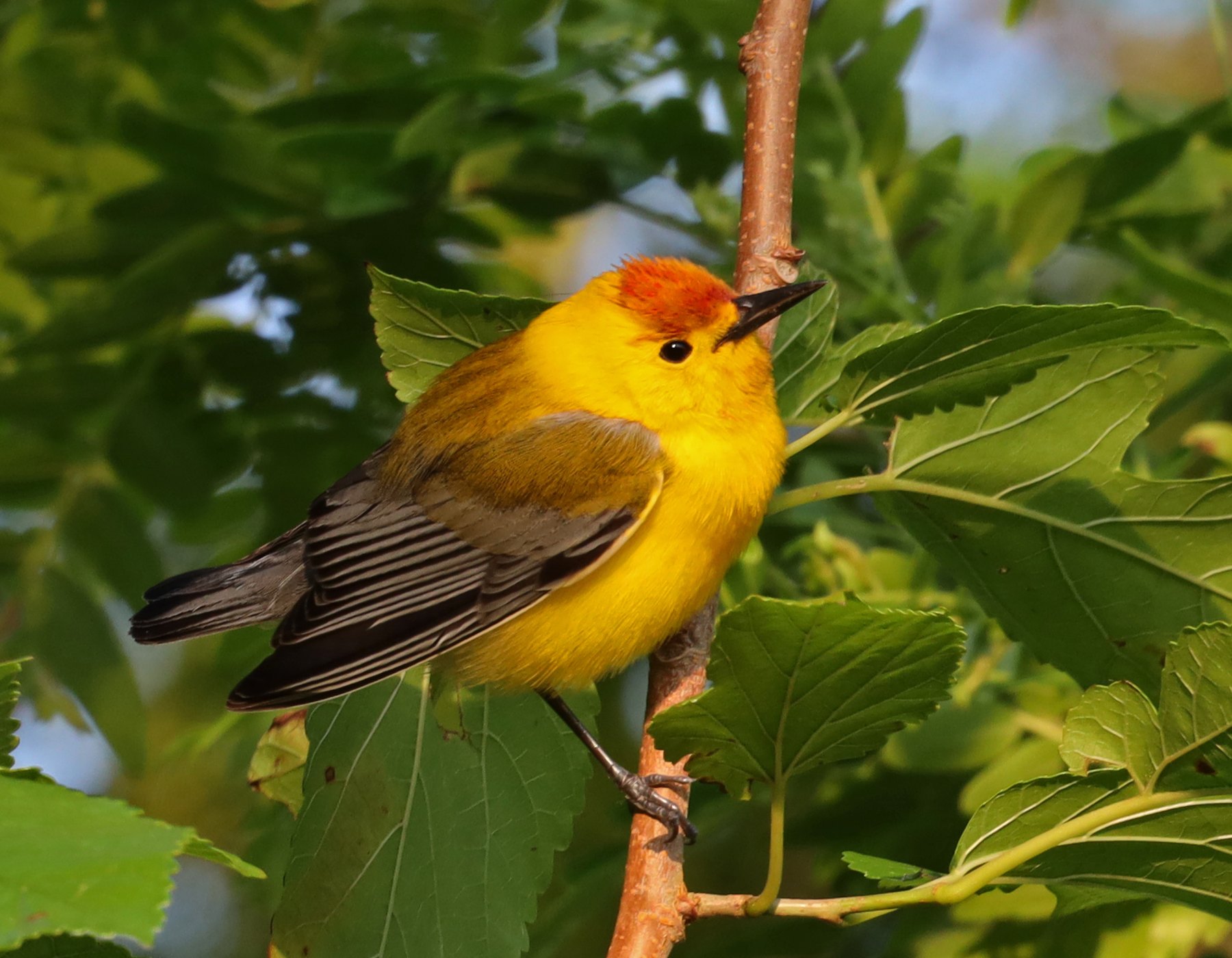
These photographs were taken during a spring 2025 visit to Baton Rouge Audubon’s Peveto Woods in Cameron Parish, Louisiana. I was using a Canon EOS R camera with a rented Canon RF 100–500mm lens.
Three Days at Peveto Woods
We made the drive south from Plaquemine on April 15, arriving on the Cameron coast around 10:30 that morning. Our first stop was Sabine National Wildlife Refuge, where we were disappointed to discover that the Wetland Walkway was still closed. The trail is normally one of the area’s premier birding locations during spring migration, with its mulberry-lined marsh edge attracting waves of migrant songbirds.
Not wanting to waste any time, we made a quick walk along the Blue Goose Trail. The marsh was alive with its usual coastal residents, although migrant activity was still fairly light. After stretching our legs and enjoying the scenery, we continued south to Peveto Woods, arriving around noon.
We spent the afternoon wandering the sanctuary’s winding trails, checking every mulberry tree and making frequent visits to the famous dripper. Like generations of Gulf Coast birders before us, we found ourselves constantly scanning every branch for movement, never knowing what colorful migrant might appear next.
Peveto Woods occupies a small chenier ridge that serves as one of Louisiana’s most important stopover sites for birds crossing the Gulf of Mexico. Even on a modest migration day, there is always the possibility of something special.
Our home for the trip was the MainStay Suites in Hackberry, which has become our preferred base for exploring the southwest Louisiana coast. The comfortable accommodations and short drive to Peveto make it an excellent choice for birders hoping to be on the trails early in the morning.
We were back at Peveto early the following morning. As often happens during spring migration, the woods seemed almost quiet at first. Then, as the morning progressed, fresh arrivals began appearing throughout the sanctuary.
Bird numbers steadily increased through late morning and continued building during the afternoon. Every circuit through the woods produced new discoveries, and the dripper remained a focal point as warblers, orioles, buntings, and other migrants stopped for a welcome drink after their long journey across the Gulf.
Our final morning was necessarily brief before the drive home, but Peveto was not finished with us yet. Even with only a few hours to bird, we added several memorable sightings and enjoyed more excellent photographic opportunities.
Spring migration along the Gulf Coast can change by the hour, and Peveto Woods once again reminded us why it remains one of our favorite destinations. No two visits are ever quite the same, and the anticipation of what might be waiting around the next bend keeps us coming back year after year.
Weather and migration conditions
The weather wasn’t ideal for producing a fallout. Winds remained mostly light out of the south-southeast throughout our visit. Morning temperatures were in the upper 70s, with afternoon highs reaching the mid to upper 80s.
Bird highlights
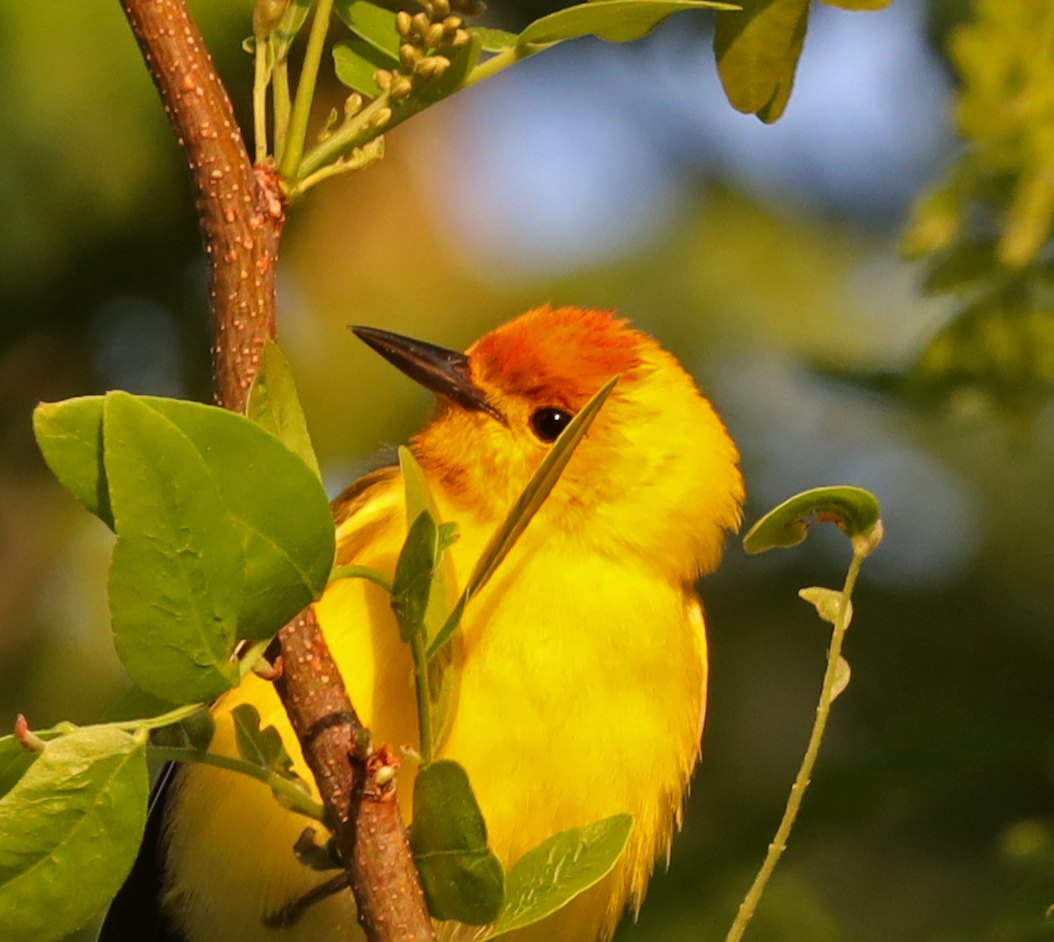
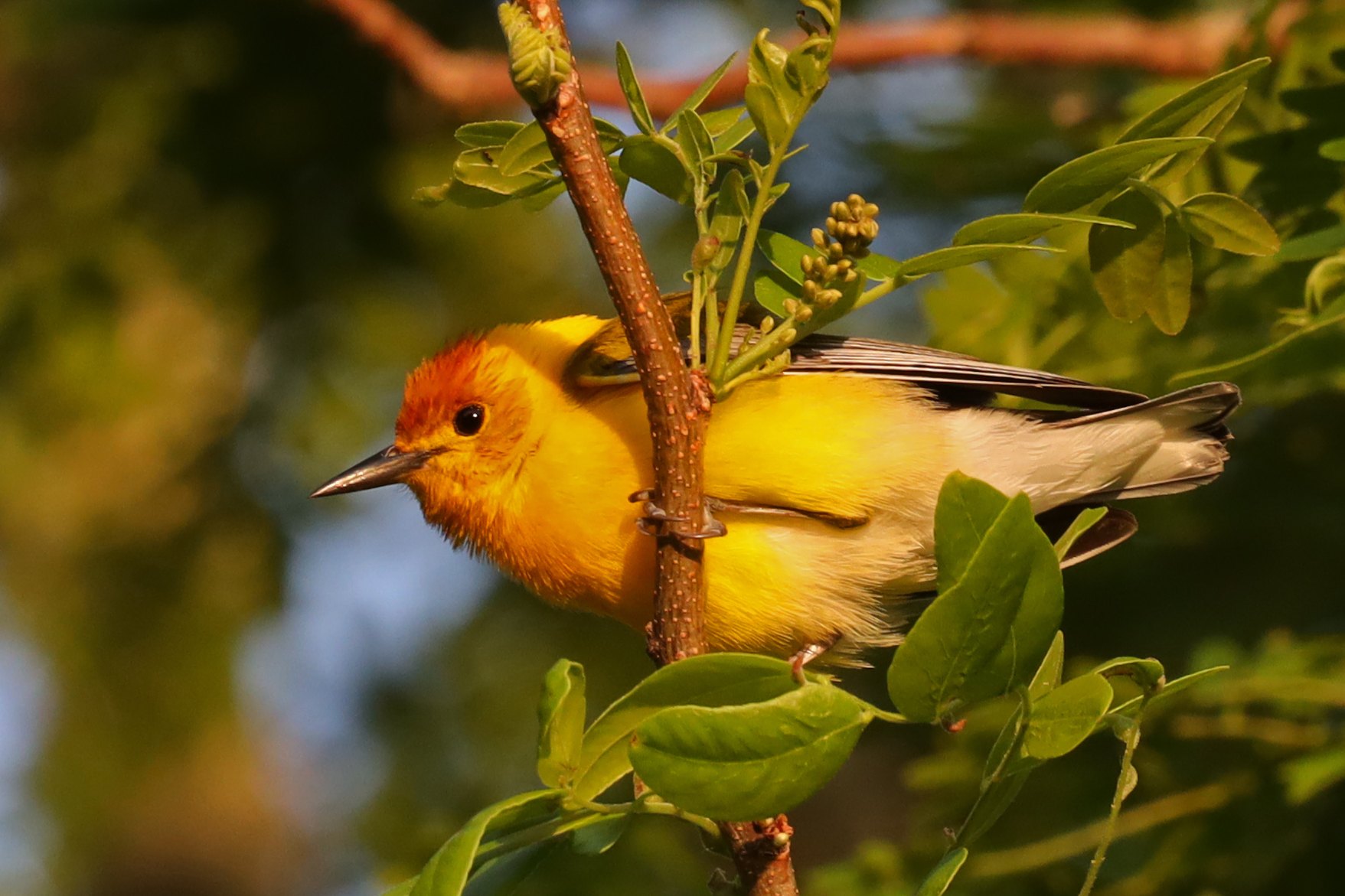
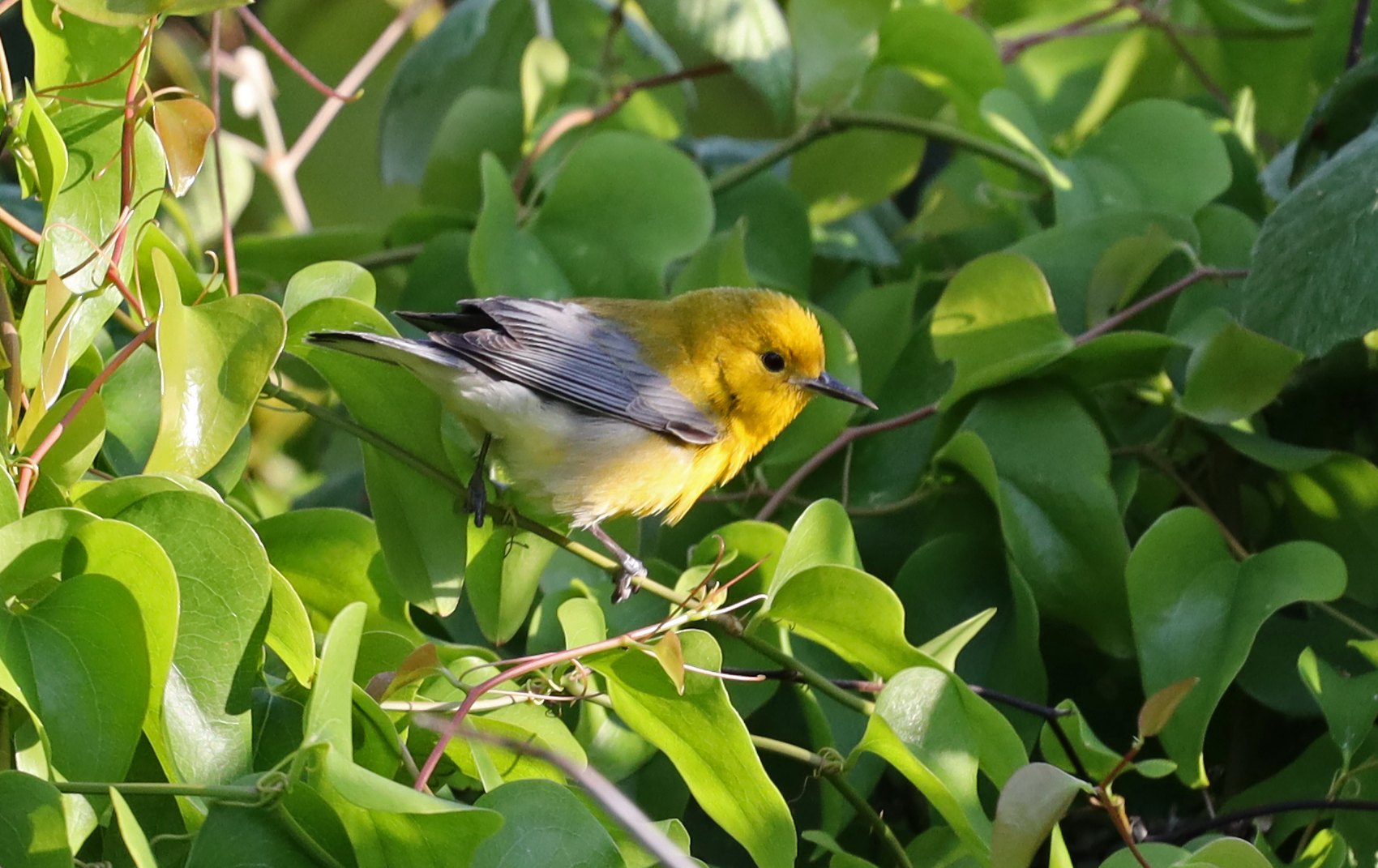
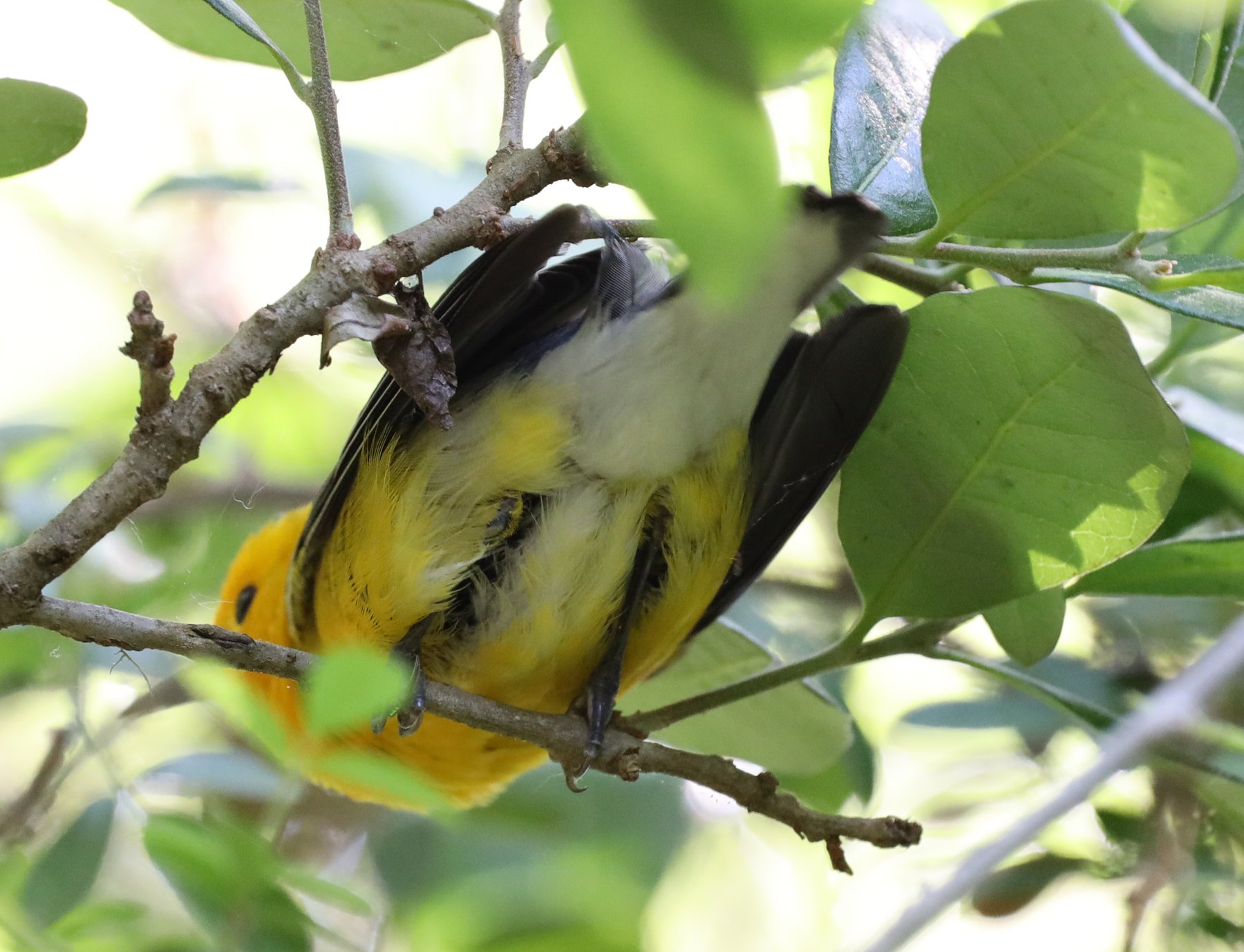
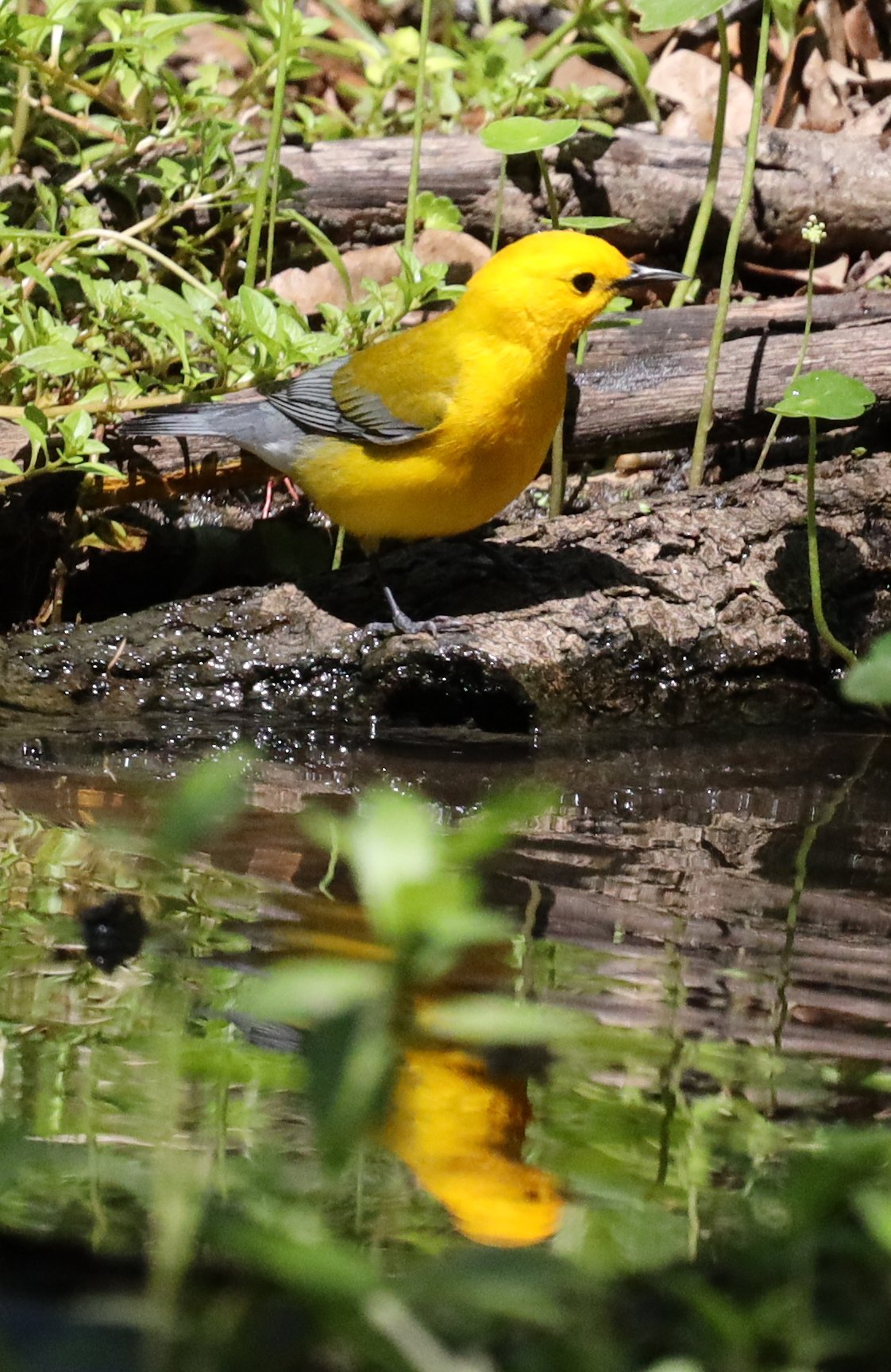
The Prothonotary Warbler pictured above was the most colorful and beautifully marked individual of the species I have ever seen. To make the experience even better, he was remarkably cooperative. The area around the Dripper offers wonderful opportunities for close-up views and photography. At times, the Hooded Warbler, Yellow-billed Cuckoo, and tanagers came so close that I couldn’t use all 500 mm of zoom available on the rental lens!